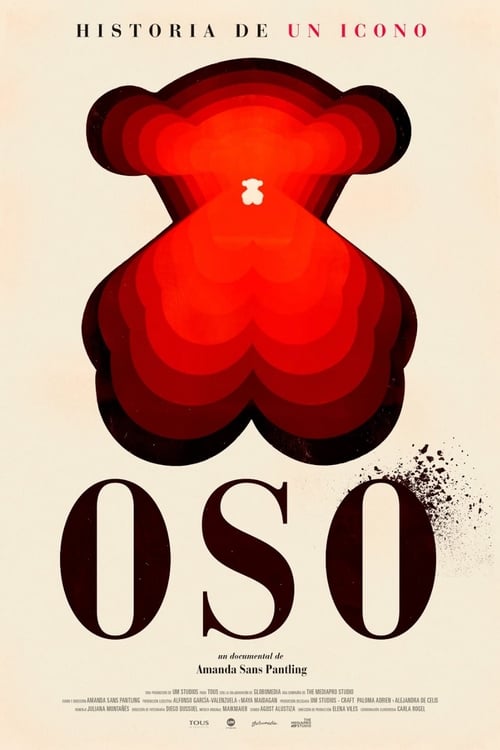
OSO is a journey through the history of a pop icon told by its own protagonists, the Tous family, Spain's most famous jewelers.
Rosa Oriol
Alba Tous
Marta Tous
Rosa Tous
Salvador Tous
Trailer
No overview available.
On the border, the line as principle of property and belonging reaches an extreme dimension where it physically defines the sphere of its relations. Those who transgress it reconstruct these imaginary lines on a daily basis, redefining the traditional geography and occupying the non-spaces where others live in a temporary form of existence. These others, the non-citizens, are phantasmtic, exchangeable parts of a flexible market. Made invisible, they are permanently controlled persons. Under the pretext of a greater civilian security, they are kept clear from the public spaces reserved for the citizens with rights and pushed into non-public spaces, which are run by state and military surveillance, multinational operations servicing a European market and non-governmental organisations.
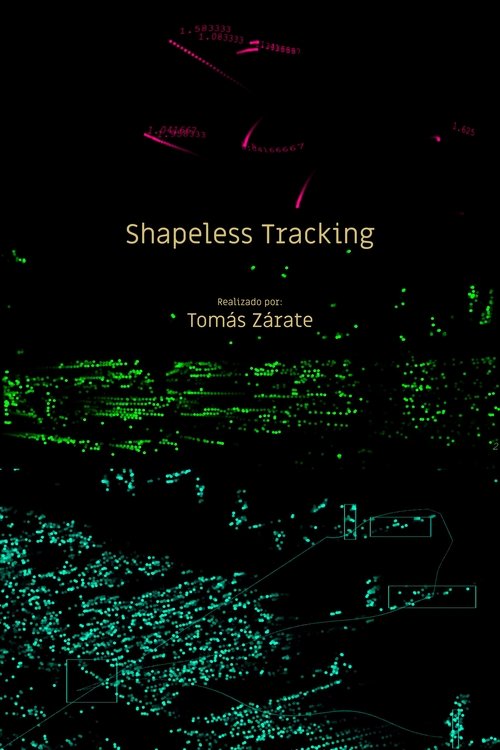
Inside a computer a space-time is revealed in which image and sound become numbers and motion manifests as rhythm, flow and chaos. This tracking and integration experiment removes the superficial identity of video to detect kinetic disturbances in everyday environment.
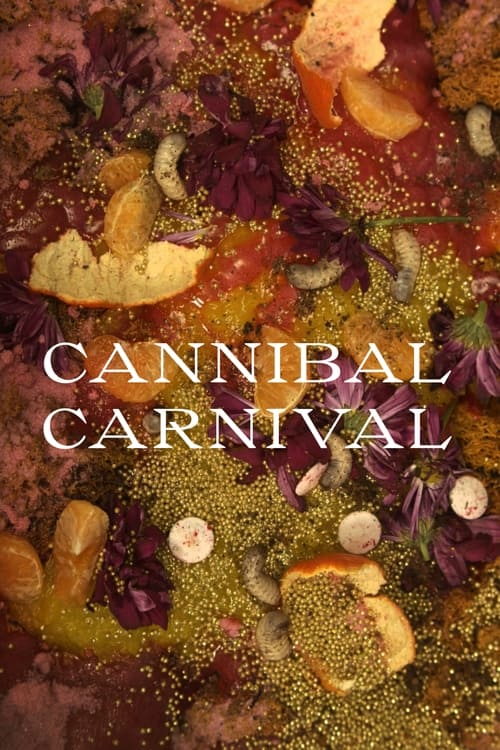
A festival of digestion on many scales, from planetary to microbial.
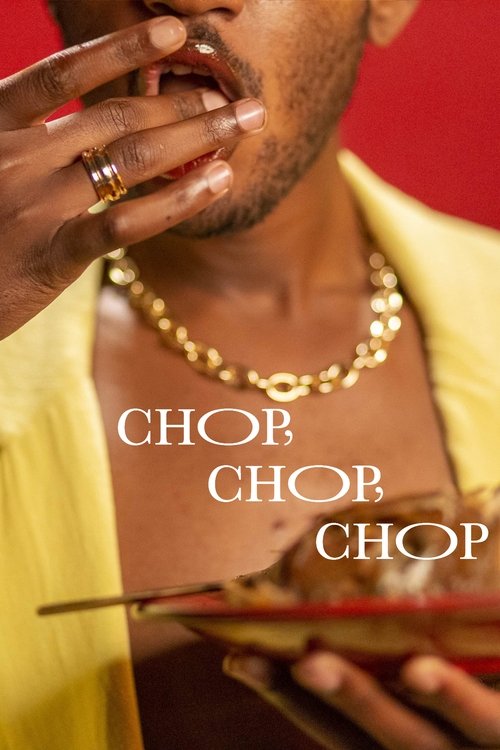
Care work, awareness-raising, waste reduction. Thieboudienne, chaufa, paella. What do these recipes have in common? Who cooks them? Where?
Film exploring the life of legendary designer Virgil Abloh. It tracks his spectacular ascent from Kanye West’s right-hand man to his role as artistic director of menswear at Louis Vuitton.
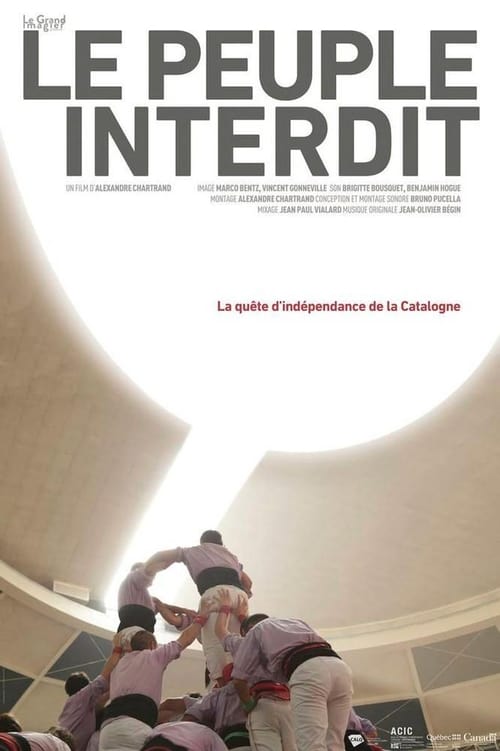
Constitutionally precluded from claiming any right to self-determination, the Catalans stick to their guns. The separatist movement is gaining ground in Catalonia. Notwithstanding the Spanish Constitution (which states that Spain is indivisible, making any referendum thereby unconstitutional), 2.3 million people voted in the November 2014 de facto referendum. The results speak for themselves: 81% of Catalans are in favour of independence. Seizing this historic moment, filmmaker Alexandre Chartrand gives a voice to the civil society figures who have been propelled to centre stage in national politics.
An exploration —manipulated and staged— of life in Las Hurdes, in the province of Cáceres, in Extremadura, Spain, as it was in 1932. Insalubrity, misery and lack of opportunities provoke the emigration of young people and the solitude of those who remain in the desolation of one of the poorest and least developed Spanish regions at that time.
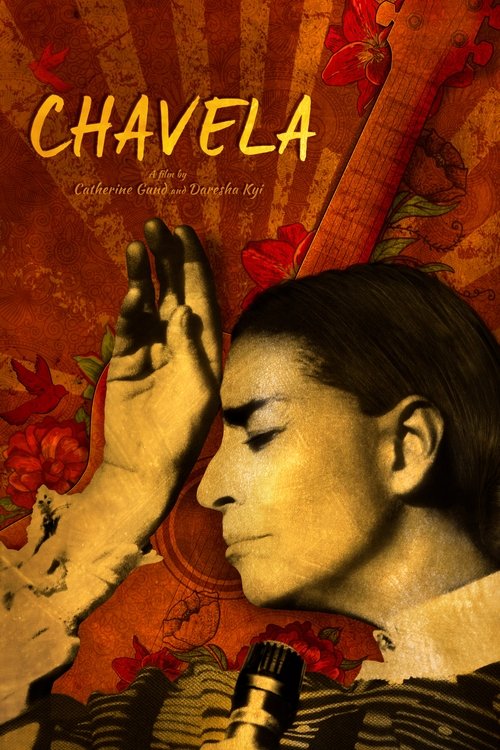
Inspired by an exclusive interview and performance footage of Chavela Vargas shot in 1991 and guided by her unique voice, the film weaves an arresting portrait of a woman who dared to dress, speak, sing, and dream her unique life into being.
A poetic journey through the paths and places of old Castile that were traveled and visited by the melancholic knight Don Quixote of La Mancha and his judicious squire Sancho Panza, the immortal characters of Miguel de Cervantes, which offers a candid depiction of rural life in Spain in the early 1930s and illustrates the first sentence of the first article of the Spanish Constitution of 1931, which proclaims that Spain is a democratic republic of workers of all kind.
Famous Spanish film critic Alfonso Sánchez talks about his personal life, his work and Anouk Aimée. A sentimental tribute to one of the most relevant figures on the Spanish film scene.
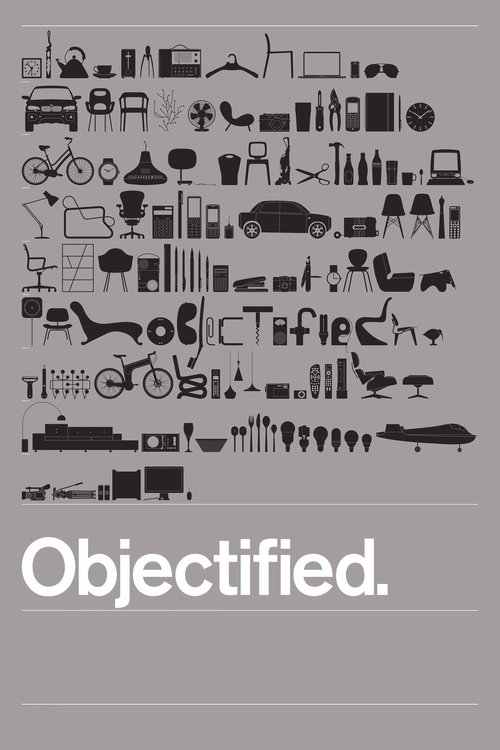
A feature-length documentary about our complex relationship with manufactured objects and, by extension, the people who design them.
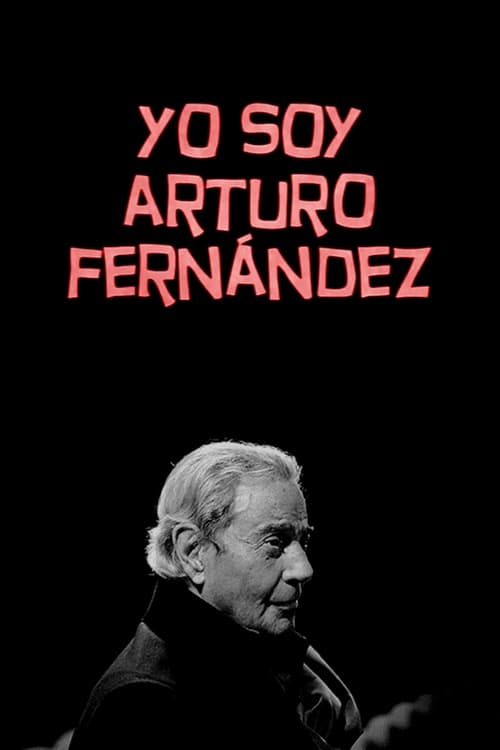
A gentle portrait of the mythical Spanish actor Arturo Fernández (1929-2019) in the hour of his passing, in his own words, through his latest interviews, not previously broadcast, and the words of those who knew him thorough decades of charming and good performance on stage, his true home, as well as in cinema and television.
Documentary made by the Spanish political party VOX about the Catalan referendum of 2017 from the point of view of some leaders of the party.
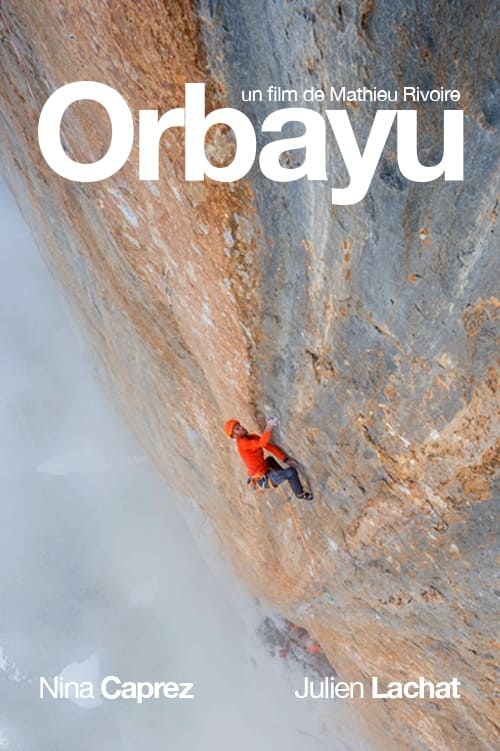
Nina Caprez and Cédric Lachat are passionate climbers. A passion they share and pushed them to become professionals. They travel around the world in search of walls and cliffs of exception. In Spring 2014 they set up camp beneath one of the most difficult multi-pitch routes in the world – Orbayu (2000 meters). Orbayu is a large limestone tooth which rises above the natural park of Picos de Europa in Spain. This huge wall is among the most beautiful in the world. It’s a mixture of extreme difficulty (8c). But the major problem with this type of wall lies in the fact that weather changes are very fast: rain, low temperatures, wind, etc… The ascent of such walls demand unusual experience. Nina and Cédric document joy, fear, danger, but also the beauty of climbing in Orbayu.
The human being feels generally as fascinated as fearful before death and the inevitable fact of dying. Workers at the cemetery of Palma de Mallorca, in Spain, face this harsh reality every day, so they have found a way to deal with it.
Film made by activists who lived for a month in the Plaça de Catalunya in Barcelona after the start of a full-scale Russian invasion of Ukraine in 2022.
Sportswear dominates everyday street wear; but so does haute couture: what began a hundred years ago as functional clothing for playing tennis or golf has revolutionized the way people dress.