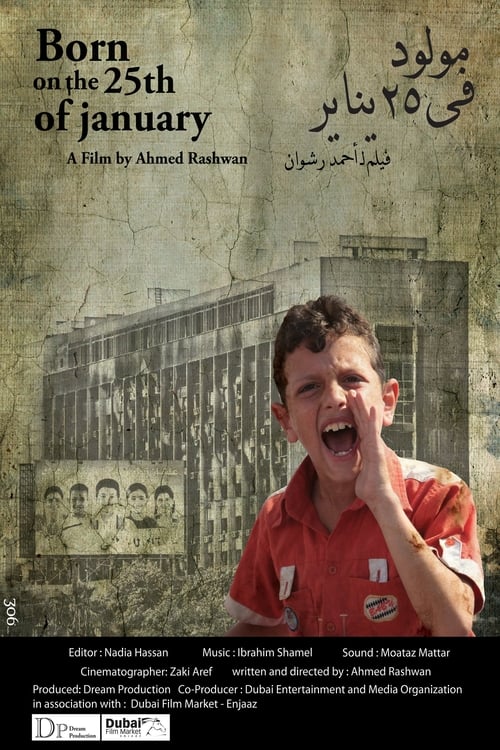
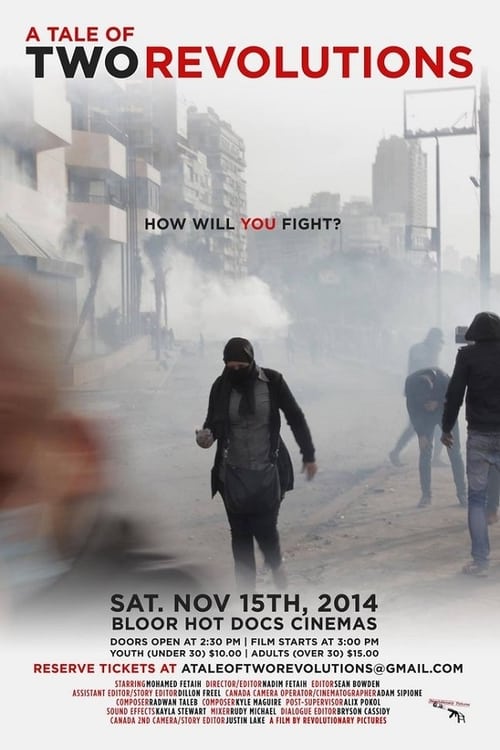
From January 25 to May 27, 2011, the film tracks four months of the Egyptian revolution as seen through the director's eyes. January 25 is the beginning, but May 27 is not the end - because the revolution continues.
Documentary about Charles Gagnon, Québécois politician, FLQ member and communist leader.
No overview available.
Half blind and half deaf, ostraziced Cuban writer Rafael Alcides tries to finish his unpublished novels to discover that after several decades, the home made ink from the typewriter he used to write them has faded. The Cuban revolution as a love story and eventual deception is seen through the eyes of a man who is living an inner exile.
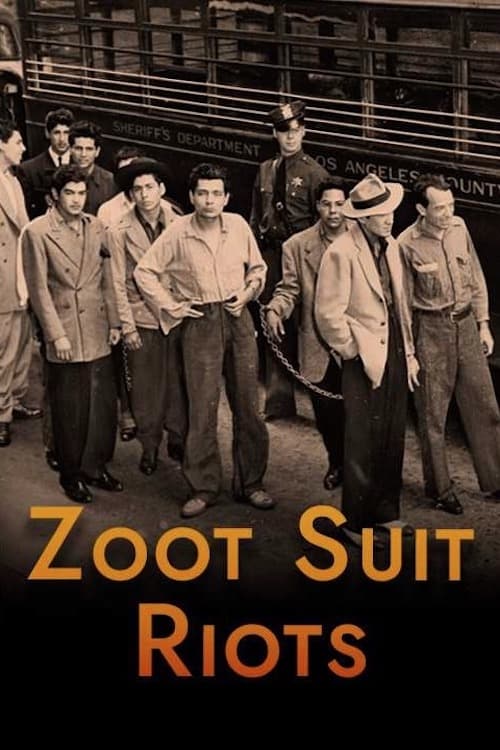
On August 1, 1942, a 22-year-old Mexican American man was stabbed to death at a party. To white Los Angelenos, the murder was just more proof that Mexican American crime was spiraling out of control. The police fanned out across LA, netting 600 young Mexican American suspects. Almost all those taken into custody were wearing the distinctive uniform of their generation: Zoot Suits. The tragic murder and the injustice of the trial that followed, coupled with sensational news coverage of both, fanned the flames of the racial hostility that was already running rife in the city. Within months of the verdict, Los Angeles was in the grip of some of the worst violence in its history.
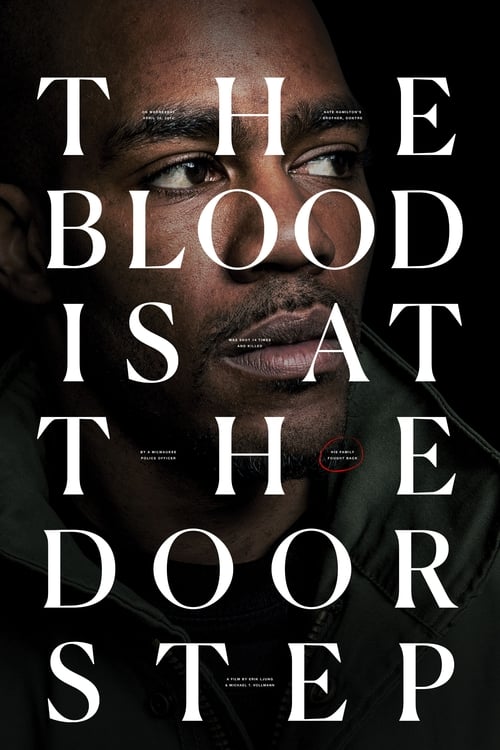
After Dontre Hamilton, a black, unarmed man diagnosed with schizophrenia, was shot 14 times and killed by police in Milwaukee, his family embarks on a quest for answers, justice and reform as the investigation unfolds.
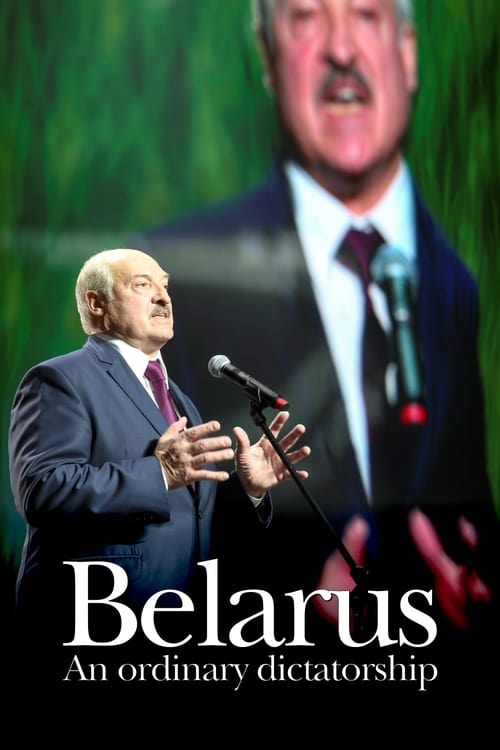
It’s the last dictatorship of Europe, caught in a Soviet time-warp, where the secret police is still called the KGB and the president rules by fear. Disappearances, political assassinations, waves of repression and mass arrests are all regular occurances. But while half of Belarus moves closer to Russia, the other half is trying to resist…
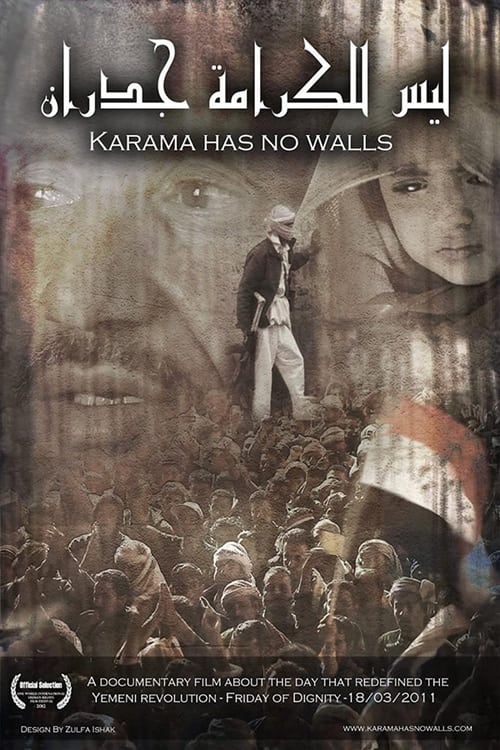
'Karama has no walls' is set amidst Yemen's 2011 uprising. The film illustrates the nature of the Yemeni revolution in stark contrast to the gross violations of human rights that took place on Friday, March 18th 2011. Juma'at El-Karama (Friday of Dignity) marks a turning point in the Yemeni revolution as the tragic events that took place on this day -when pro-government snipers shot dead 53 protestors - shook the nation and propelled hundreds of thousands more to flock to the square in solidarity with their fellow citizens. Through the lenses of two cameramen and the accounts of two fathers, the film retells the story of the people behind the statistics and news reports, encapsulating the tragic events of the day as they unfolded.
An 1897 travelogue of a bullock turning a cog to work a water pump in Egypt. Director/Cinematographer - Henry Short. Made as part of a follow-up series of travelogue films following a collection made for R.W. Paul in 1896.
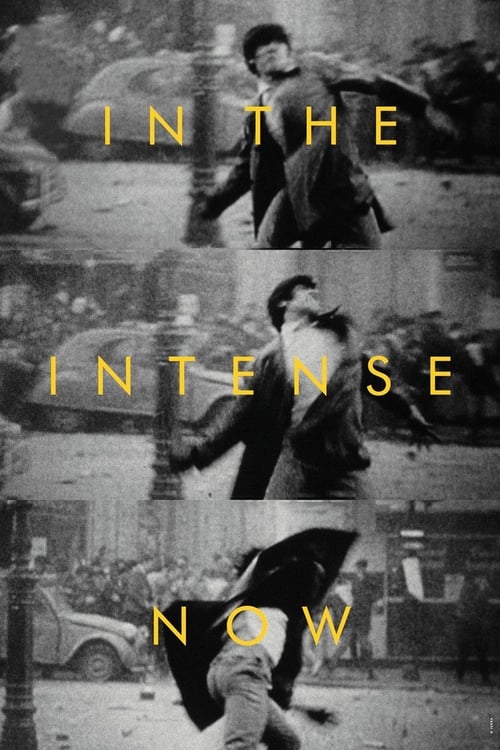
A personal essay which analyses and compares images of the political upheavals of the 1960s. From the military coup in Brazil to China's Cultural Revolution, from the student uprisings in Paris to the end of the Prague Spring.
Reflecting on his Father's experiences during the 1977 Egyptian Bread Riots - Documentarian, Nadim Fetaih discovers his own story in the Egyptian 2011 Revolution and the endless unrest that grips the cradle of civilization.
Documentary about the Egyptian club Al-Ahly achieving the title of the African Champions League for the ninth time (2020) after failing to achieve the title since 2013, and the film revolves in several chapters between failure and fear until we reach the title.
An in-depth and provocative look at the 1992 Los Angeles riots exploring the roots of civil unrest in California and the relationship between African Americans and LAPD.
The agriculture reforming process, after the 1974 revolution, is seen through an analysis of the social structures and class struggles of the Portuguese society.
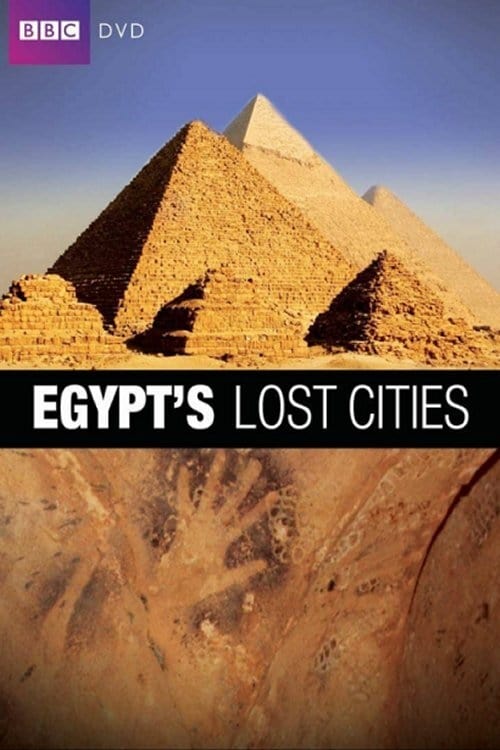
It is possible that only one per cent of the wonders of ancient Egypt have been discovered, but now, thanks to a pioneering approach to archaeology, that is about to change. Dr. Sarah Parcak uses satellites to probe beneath the sands, where she has found cities, temples and pyramids. Now, with Dallas Campbell and Liz Bonnin, she heads to Egypt to discover if these magnificent buildings are really there.
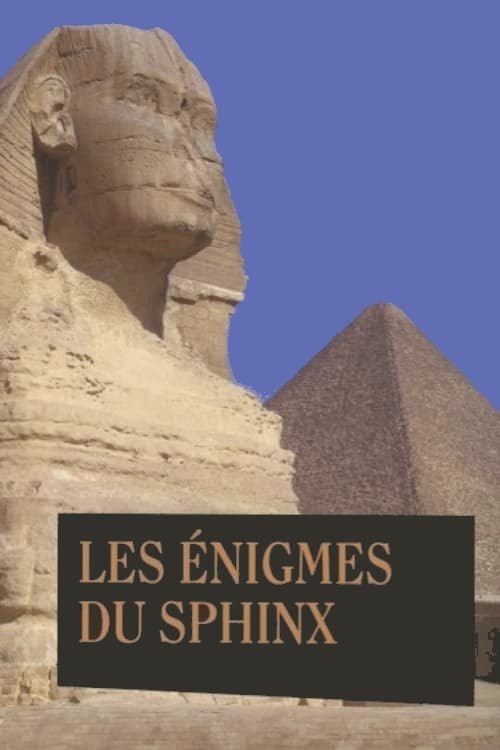
For over 4000 years, the Sphinx has puzzled all who have laid eyes on it. What is this crouching lion, human-headed creature? Who built it and why? To unlock its secrets, two teams of scientists and sculptors immerse themselves in the world of ancient Egypt — a land of pharaohs and pyramids, animal gods and mummies, sun worship and human sacrifice.
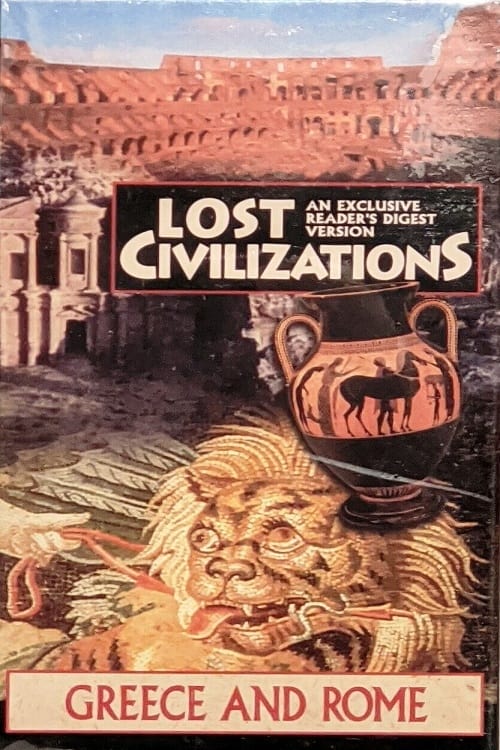
Reader's Digest Invites you to journey back through 6,000 years and revisit some of the greatest cultures the world has ever known. Journey back to Athens, the world's first democracy, as Pericles helps usher it into a Golden Age of unparalleled achievement in philospohy, science and art. And, discover the very essence of what it meant to live as an ancient Roman, part of a military colossus that, even to the present day, is regarded as "The Ultimate Empire." Celebrate the gods at the Colosseum... spy on a Roman emperor's wife... dance with the cult of Dionysus... mingle with gladiators preparing for battle... join Socrates at the Symposium... see why Caesar was assassinated... and much more!
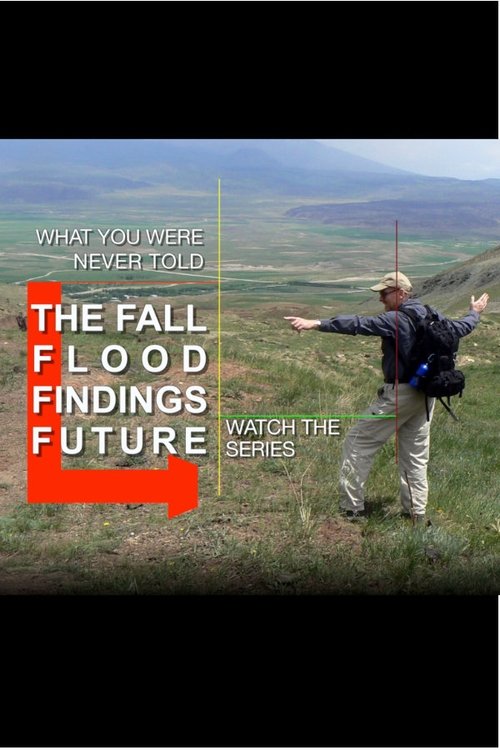
Prof. Robert Michelson takes you on a journey to a time when the Watchers roamed the Earth, corrupting it for their own pleasure and as an affront to its creator. So massive was this premeditated interference in God’s created order, that the Almighty used His creation to obliterate the monstrous works of corruption as well as the hands that created them. Learn why God would bring a great flood upon his world, and how such a flood of global impact might have been accomplished by God using only the forces of His own creation. See the physical evidence of the Great Flood and how it was recorded in eyewitness accounts. See the likely landing place of the Ark of Noah in the mountains of Urartu along the border between Turkey and Iran based not only on the ancient accounts of eyewitnesses, but on the physical evidence (actual artifacts) existing today. Finally, learn how ancient Egypt played a central role in the events just prior to, and immediately after the Great Flood.
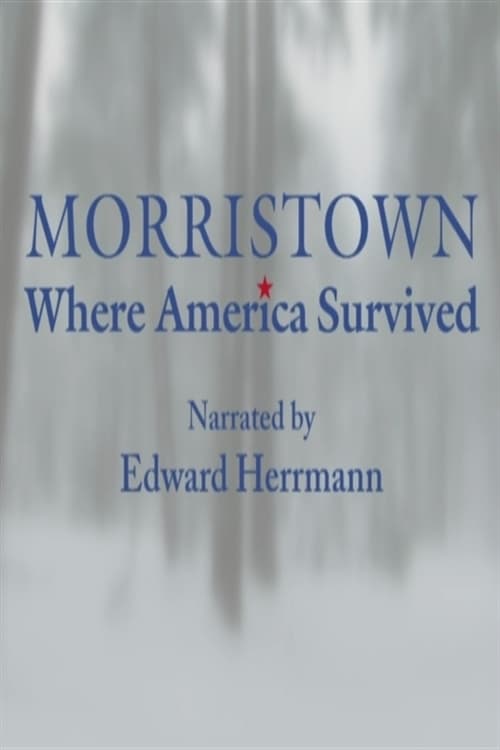
A thirty-minute High Definition documentary which revisits that winter of 1779-80 when Washington’s troops arrived at the densely-wooded area just south of Morristown known as Jockey Hollow, to build a log hut city for their winter camp. The film is an eye-opening look at how the camp saved the army – and the American Revolution – from the brink of disaster. Based on John T. Cunningham’s book The Uncertain Revolution and shot on location at Morristown National Historical Park, Morristown: Where America Survived is narrated by award-winning actor Edward Herrmann, who has voiced many history documentaries over his extensive career. The program was produced by New Jersey Network.
The Scorpion King: The King before Pharaohs. Learn more about the king who likely united ancient Egypt, organized the world’s earliest phonetic writing system, and inspired the creation of the pyramids. Mace heads, a stone mounted on a wooden shaft, were an early weapon of war. They were used like a club to strike enemies on the head. The scorpion mace head was too large to have been used as a weapon, and was clearly reserved for ceremonial purposes. Archaeologists believe they have found the tomb of the Scorpion King at the ancient burial site of Abydos. He was buried with 700 wine jars, several of which had come from as far away as ancient Palestine. The Scorpion King may have presided over the birth of phonetic writing earlier than any other civilization in the world—200 years before the first pharaohs.
No Cast found.
No Trailers found.