A documentary revealing society's perceptions of old age.
No Cast found.
No Trailers found.
BELOW SURFACE reveals the extraordinary power of community through an unlikely subject: a YMCA Aquafit class. The documentary gathers numerous moving stories of a multicultural and multi-generational Aquafit class to demonstrate how kindness and caring for others, combined with exercise, can be an antidote for grief, stress, and physical illness. The heartwarming honesty of the participants is a reminder of the power we all have to support one another.
A documentary film that follows the lives of first-generation retired immigrants living in Finland.
Can Homo sapiens evolve into Homo spatius? For over 50 years now, we have been testing our human nature in our effort to conquer outer space, and still 30 years away from a possible human exploration of Mars, a question remains: Can our body take such travels? Will it ever adapt? Combining human adventure and the exploration of the human body, this film offers unique insights into the physical and psychological effects of space travel on the Astronauts and measures the impact on medical sciences.
Contrary to the public stereotype of a youthful homosexual community, gay men and women do grow old. Silent Pioneers presents an upbeat focus on the lives of these people today, showing them living full and diverse lives and sharing concerns on ageing, health and housing, with other senior citizens. It also considers how support networks within the gay and lesbian community have enriched and strengthened their individual lives.
The threat of dementia is affecting more and more people. As they slowly lose their memories and physical abilities, music proves to be a miraculous source of comfort, vitality, and hope. How is it, for example, that people with dementia often remember music longer than their own names?
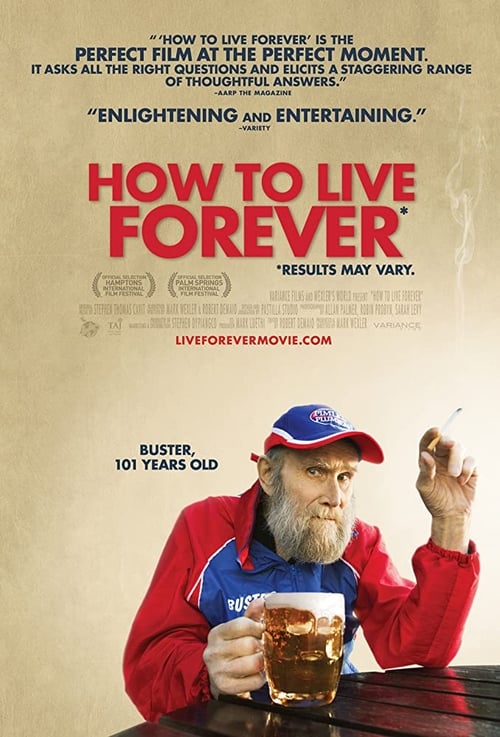
Director Mark Wexler embarks on a worldwide trek to investigate just what it means to grow old and what it could mean to really live forever. But whose advice should he take? Does 94-year-old exercise guru Jack LaLanne have all the answers, or does Buster, a 101-year-old chain-smoking, beer-drinking marathoner? What about futurist Ray Kurzweil, a laughter yoga expert, or an elder porn star? Wexler explores the viewpoints of delightfully unusual characters alongside those of health, fitness and life-extension experts in this engaging new documentary, which challenges our notions of youth and aging with comic poignancy. Begun as a study in life-extension, How To Live Forever evolves into a thought-provoking examination of what truly gives life meaning.
No overview available.
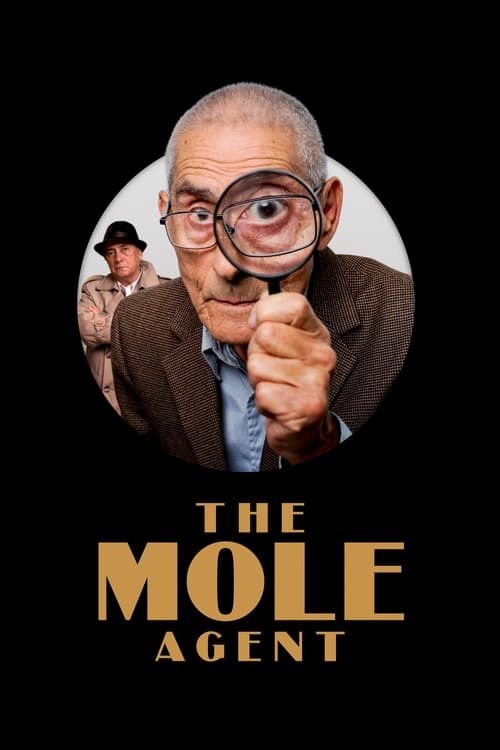
When a daughter becomes concerned about her mother's well-being in a retirement home, private investigator Romulo hires Sergio, an 83-year-old man who becomes a new resident—and a mole inside the home, who struggles to balance his assignment with becoming increasingly involved in the lives of several residents.
François Delisle draws an intimate portrait of his mother in a nursing home. A chronicle of the daily life and medical care of a woman approaching the end, treated with love, respect and dignity.
Defying modernity, 90-year-old Agatha forges a solitary existence on her ancestral farm preserving heirloom seeds.
Is there any way to slow or even prevent the ravages of time? Veteran presenter Johnny Ball looks back over the 45 years that Horizon, and he, have been on air to find out what science has learned about how and why we grow old. Charting developments from macabre early claims of rejuvenation to the latest cutting-edge breakthroughs, Johnny discovers the sense of a personal mission that drives many scientists and asks whether we are really any closer to achieving the dream of immortality.
A group of friends, aged 69-99, refuse to hang up their skates and give up on fun.
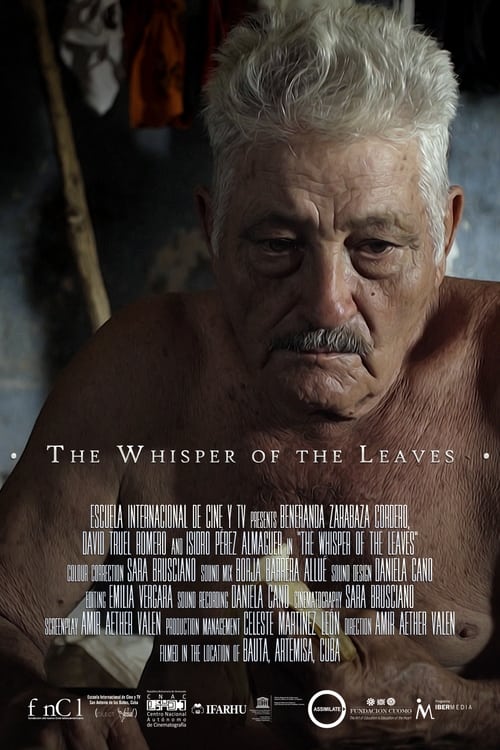
A poetic and contemplative journey of harmony between different forms of life that coexist on the earth. This film is a meditation on the effect of time, movement of the human spirit, and passage to new forms of life, through the eyes, ears, and bodies of three elderly land workers living in a small community in the outskirts of Bauta, Cuba.
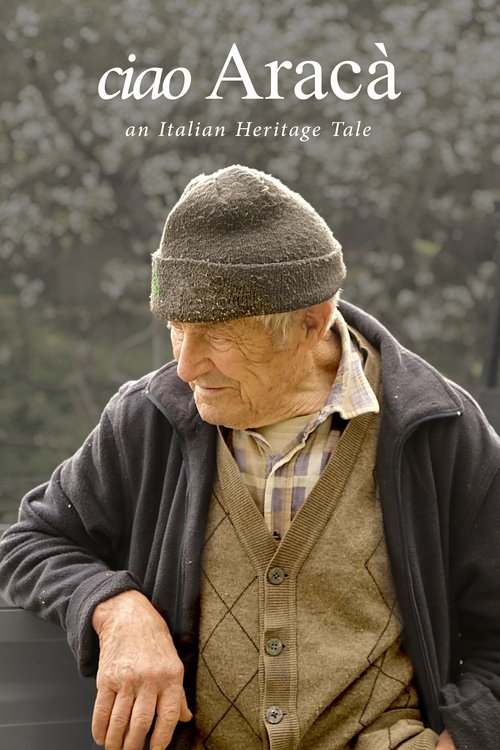
"...a charming depiction of life as I knew it with my grandparents in my own village..." Clara Caleo Green, Cinema Italia UK "The sum of the individual fates and life choices paints a picture, the validity of which extends far beyond this village." Joachim Manzin, Black Box This documentary records the thoughtful and emotional confrontation with time, change, loss and hope related by the members of a small community in the idyllic Ligurian countryside who are dealing with a rapidly changing agricultural industry, transformed by globalisation and technological advances and an increasing number of foreigners buying the empty houses in their village. Forgoing the use of music and voice over, the film lets Aracà's inhabitants tell their own stories and allows the audience to dive into the rich soundscape of the ligurian alpine countryside.
AGNI, a visual artist in the twilight of his life, is rushing to complete his monumental work. Caught up in a frantic creative routine despite his declining health, he transforms every gesture, every moment into a final trace of his passage. Soon, he knows, he will join the stars.
A documentary in which retired industrial workers reflect on the promises and anxieties of retirement. Beginning with the Budd Company’s “Retirement Ceremony” in Philadelphia, the film explores how leaving work can mean the loss of routine, identity, and a sense of accomplishment, even as it marks a long-anticipated milestone.
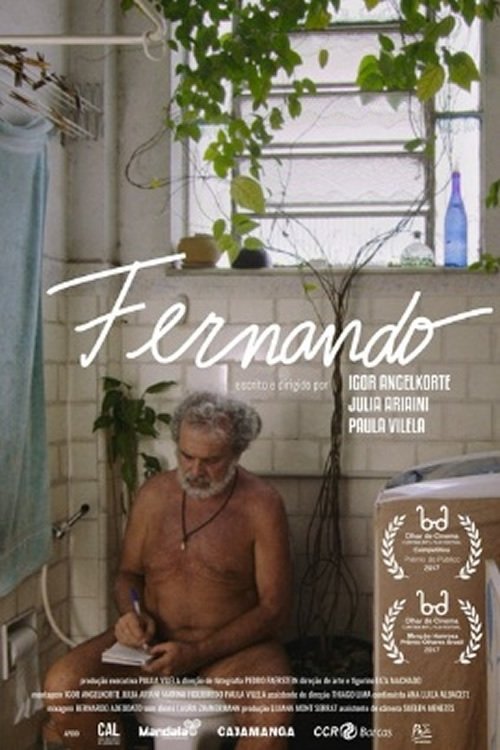
Fernando is an actor and theater teacher who, at the age of 74, is impelled to be the protagonist of himself in an experience that blurs the boundaries between the documentary and the fictional. Faced with a delicate problem in his heart, he follows a life full of love for art, where education emerges as a powerful transforming element of reality.
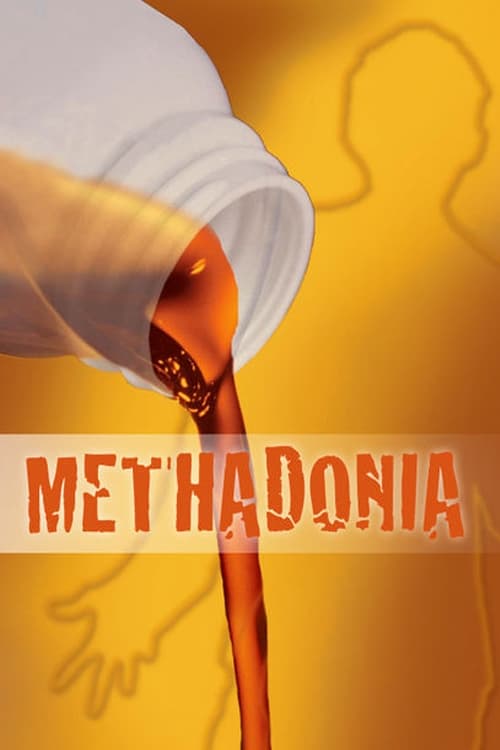
Shot over the course of 18 months in New York City's Lower East Side, METHADONIA sheds light on the inherent flaws of legal methadone treatments for heroin addiction by profiling eight addicts, in various stages of recovery and relapse, who attend the New York Center for Addiction Treatment Services (NYCATS).