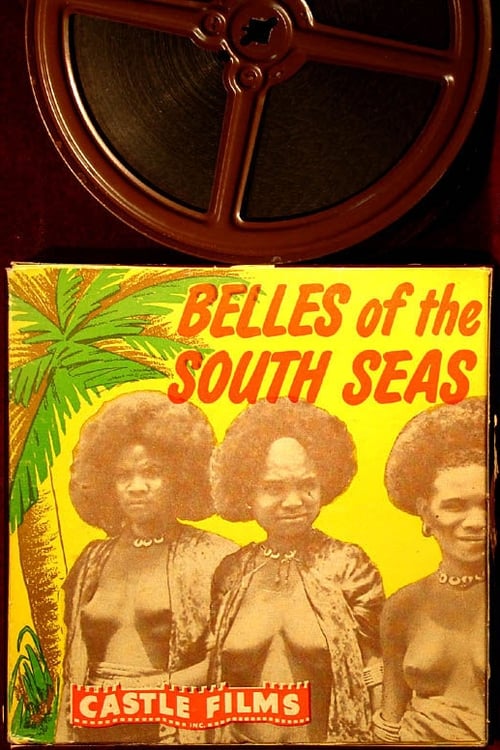
A tour through the South Sea islands including Tahiti, New Zealand, Fiji, Pago Pago, Papua and Kalabahai
No Trailers found.
No Cast found.
Pilot JP Schulze and filmmaker Louis Cole set off to circumnavigate the world in a single-engine, 1974 Cessna T210L airplane named Balloo. They had 90 days to complete the journey, and as they traveled they met people from many different cultures and asked them - is what divides us greater than what brings us together?
An 1897 travelogue of a bullock turning a cog to work a water pump in Egypt. Director/Cinematographer - Henry Short. Made as part of a follow-up series of travelogue films following a collection made for R.W. Paul in 1896.
Bruce Brown's The Endless Summer is one of the first and most influential surf movies of all time. The film documents American surfers Mike Hynson and Robert August as they travel the world during California’s winter (which, back in 1965 was off-season for surfing) in search of the perfect wave and ultimately, an endless summer.
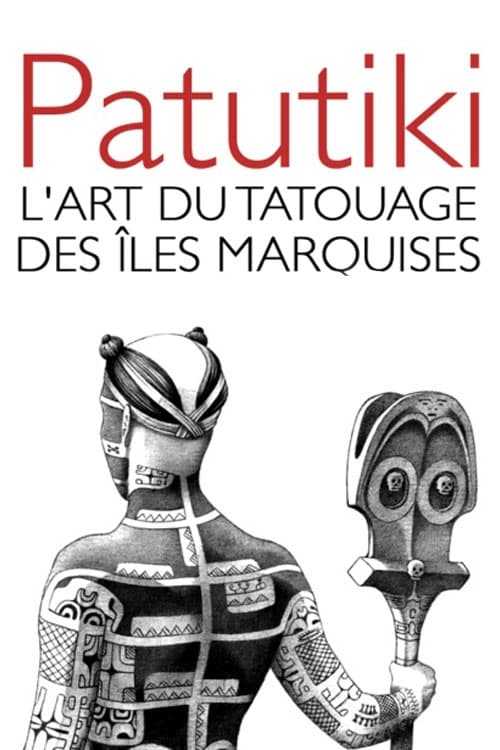
First-time feature filmmakers Heretu Tetahiotupa, Christophe Cordier delve into the ritual art of Marquesan tattoo, sharing its cultural and historical significance by reenacting the past and challenging the present.
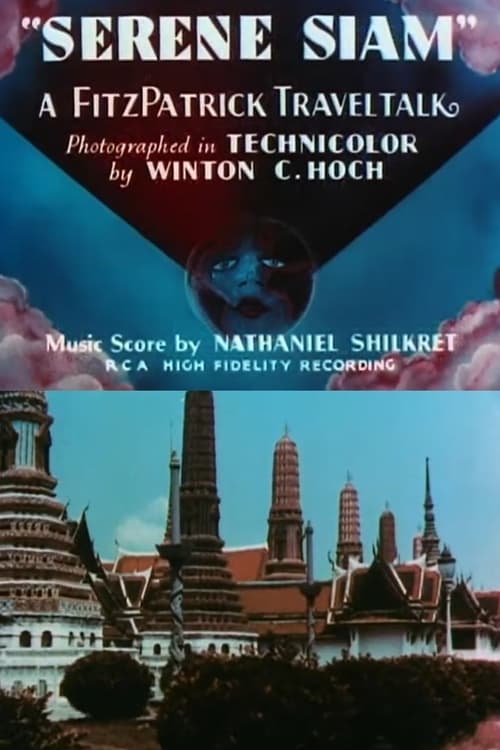
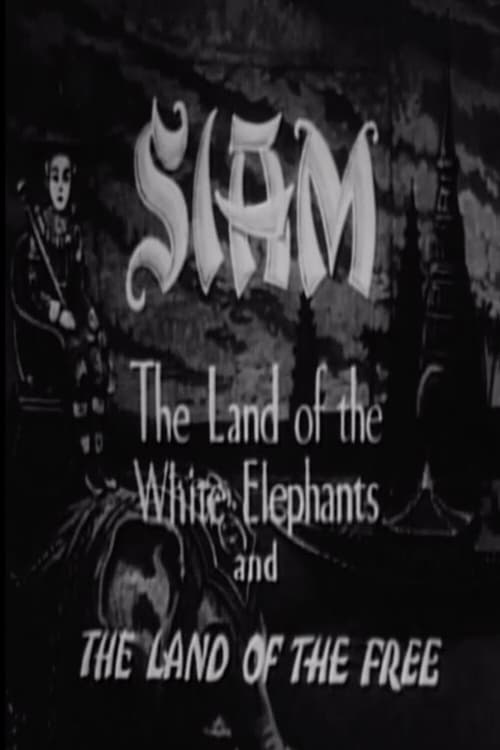
This travelogue begins at Bangkok's rail depot, a center of Indo-Chinese commerce. Next the narrator talks about Buddhism as the camera shows us some of Bangkok's many temples. Then, the narrator introduces us to the importance of traditional dance, with emphasis on the way that delicate wrist movements tell stories. It's on to the system of waterways in Bangkok, where more than 1,000,000 people live or conduct commerce. We take a ride down the Menam River, the country's most important commercial and social road. From our boat, we pass Wat Arun and other colorful signs of life typical in serene Siam.
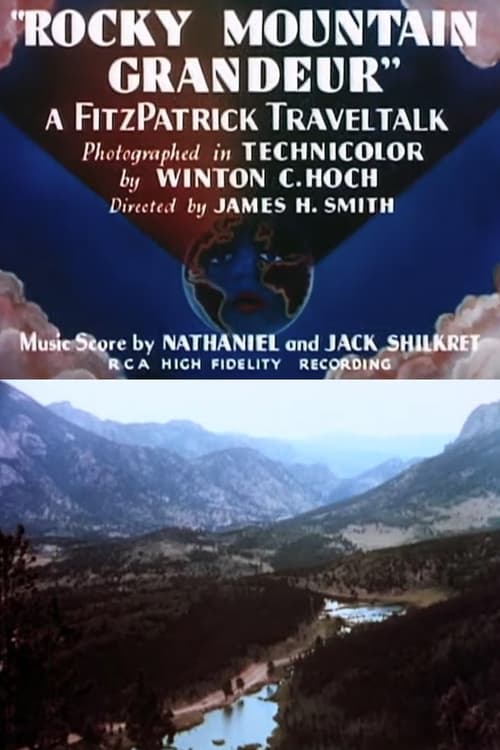
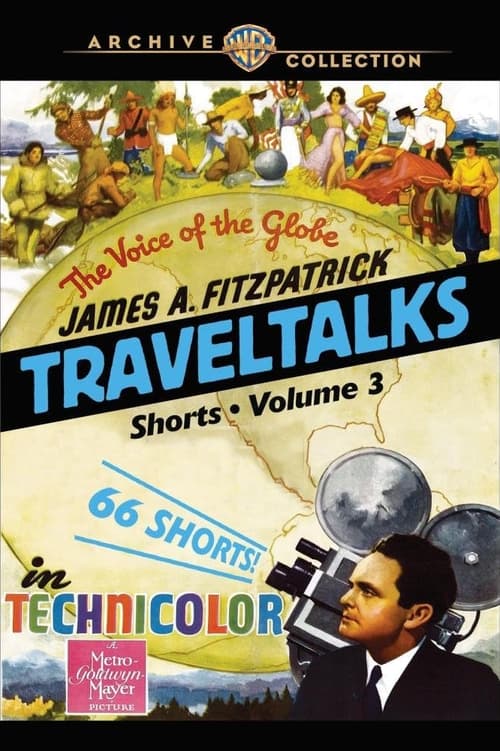
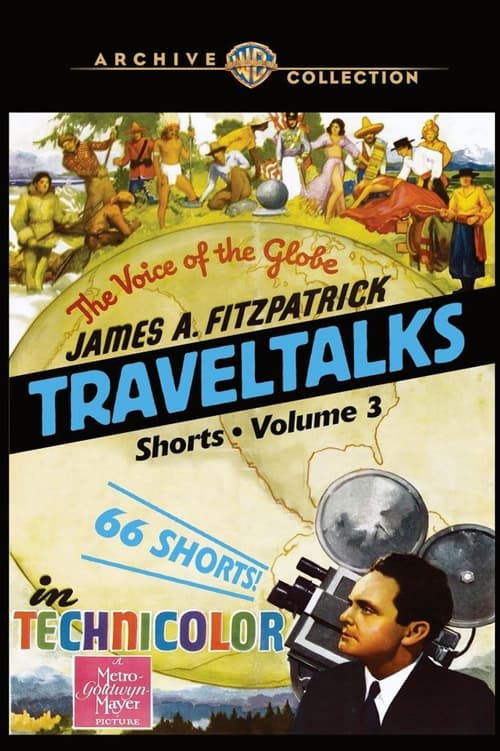
This Traveltalk short visits Rocky Mountain National Park and a nearby dude ranch in Colorado.
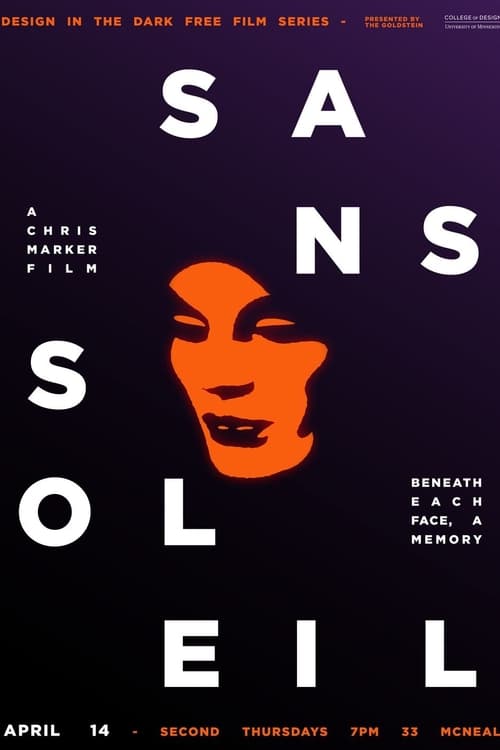
A woman narrates the thoughts of a world traveler, meditations on time and memory expressed in words and images from places as far-flung as Japan, Guinea-Bissau, Iceland, and San Francisco.
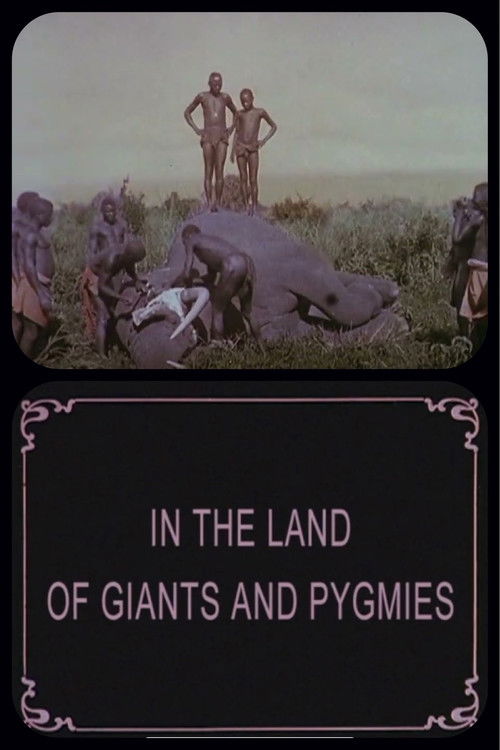
IN THE LAND OF GIANT PYGMIES, a diary of Aurelio Rossi's 1925 trek into the immense Belgian Congo, preserves a long-gone-Colonial-era wonder at natural resources, "primitive" tribes, customs and costumes in Europe's cast African possessions, and implies that the "dark continent" could benefit from the "civilizing" influences of home.
This Traveltalk series short visits the village of Chichicastenango, Guatemala and emphasizes the influence of the Mayan culture on its people. It shows how the residents intermingle ancient religious practices with Catholic teachings. Narrator James FitzPatrick introduces, and greets on camera, Father Ildefonso Rossbach, a Catholic priest who ministers to the local population in the village and outlying areas.
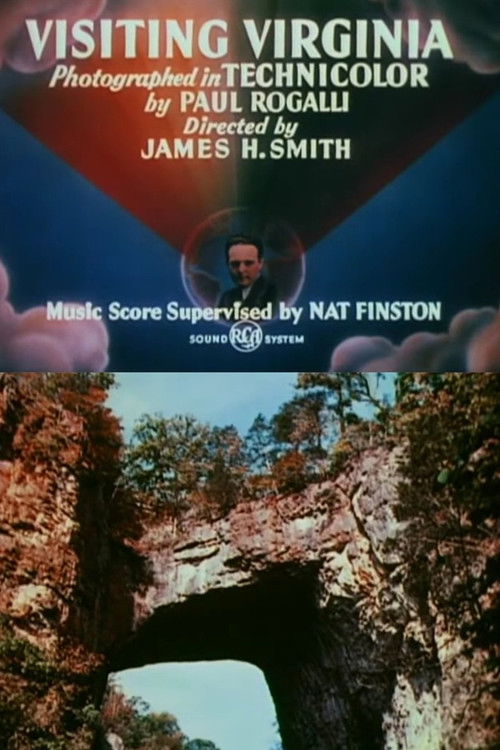
This Traveltalk series short visits the State of Virginia. In 1947, agriculture was the mainstay of the economy. Tobacco, molasses from cane and peanuts were the agricultural mainstays. The State capitol, Richmond, can boast the oldest legislature in the Western Hemisphere. There are many attractions including old caverns with beautiful rock displays.
A short documentary about Thailand, formerly known as Siam.
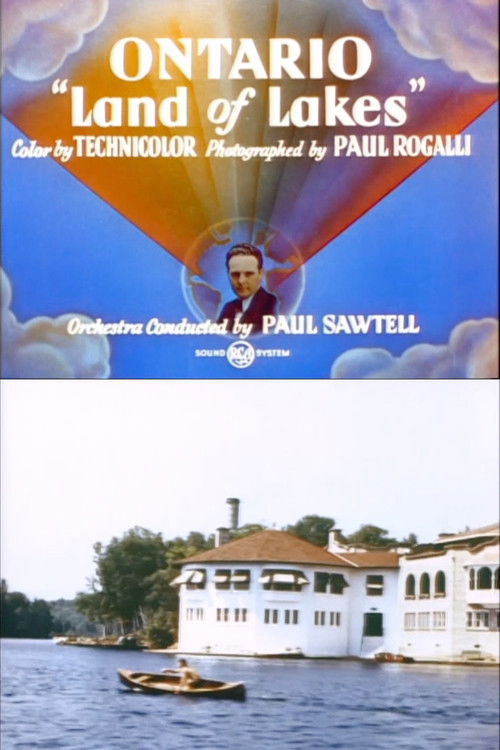
This Traveltalk series short visit to the province of Ontario begins in Ottawa, Canada's capital, then proceeds to Algonquin Park, Toronto, and Niagara Falls.
This Traveltalk series short visits several points of interest in England, including the port of Liverpool, war destruction at Coventry, the historic Warwick Castle, and Stratford-on-Avon, the birthplace of William Shakespeare.
This Traveltalk series short visits an array of locations associated with England's heritage. Included are Runnymede, Windsor, Ascot, Lincoln, Wells, Salisbury, Glastonbury, and the ancient Stonehenge site.
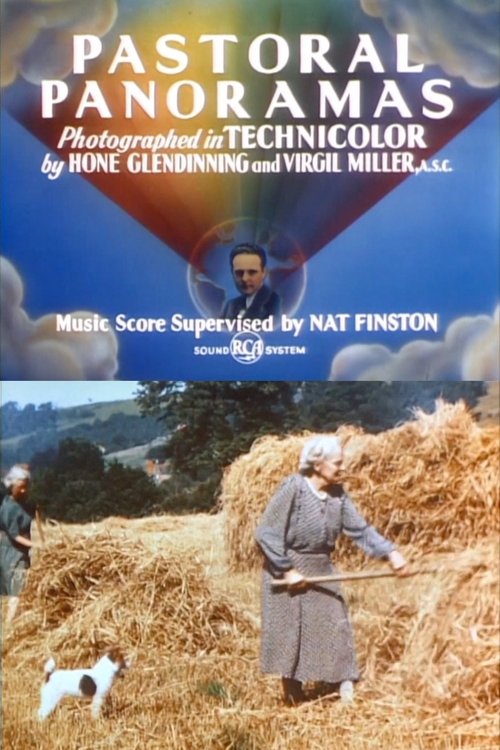
This Traveltalk series short highlights rural areas of England. We stop at the village of Bradford-on-Avon, with its thatched roofs, also Stoke Poges, the burial place of British poet Thomas Gray.
The Andes Mountains travel the western side of South America. Unlike many other mountain ranges of their altitude, the Andes do support human life on their high altitude slopes. Modern life is slowly making its way to the high altitude Andes, but the natives for the most part continue with the traditional ways of their ancestors, growing limited crops such as beans and potatoes - where the crop originated - raising sheep and pigs, and living in crude huts. The llama is the most useful of their work animals. The most conspicuous aspect of the native dress is their derby hats, the origins which are unknown. Further down the slopes, agriculture and ranching is more productive and is carried out by descendants of the Spanish settlers. There is a famous lake district in the Chilean part of the Andes, where resort hotels are located.
In this travelogue of Ceylon, the first stop is Colombo, the capital and chief seaport of this island nation. A short train ride from Colombo is Mount Lavinia, one of the country's most popular pleasure resorts. The next stop is the Peradeniya Gardens, the highlight of which is a magnificent avenue of majestic royal palms. Another botanical item of interest in Ceylon is the manufacture of rubber and the abundance of rubber trees in cultivation. The final stop is the city of Kandy, the primary attraction of which is the Temple of the Tooth.
This FitzPatrick Traveltalk short visits the cities of Casablanca, Rabat, and Marrakesh in Morocco, as well as the city of Algiers in Algeria.
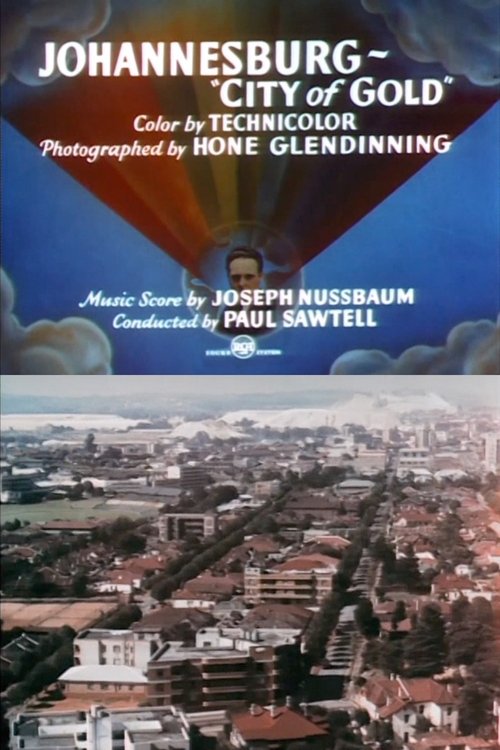
This Traveltalk series short discusses how Johannesburg began as a farming community, but with the discovery of gold in the area, the city embraced mining as its primary industry. Native workers came to the area to train to be miners, and even after their work in the mines ended, many decided to remain in Johannesburg. The natives' music and dance are highlights.
This travelogue emphasizes Copenhagen's harmonious residents and tone. We see well-known landmarks and get a quick history of some of them.