No Trailers found.
Herself
Filmed on the 60th anniversary of the republic, this dark-humor documentary delves on the highs and lows of living in North Korea.
The story of those Italian women who, for eighty years, have fought against power in all its forms.
No overview available.
After World War II, many young French women became housewives, convinced that devoting themselves entirely to caring for their families was a noble mission and a means of personal fulfillment.
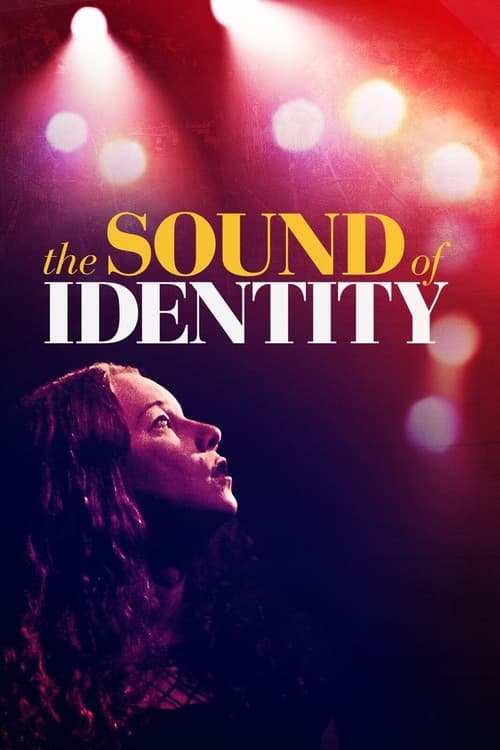
In the spotlight of global media coverage, the first transgender woman ever to perform as Don Giovanni in a professional opera, makes her historic debut in one of the reddest states in the U.S.
A family portrait in which the director profiles his grandmother, Odette Robert. Eustache includes in the film the conditions of its production — he is seated at the table with her, pours her some whiskey, speaks with the camera operator, manipulates the clapboard at the head and tail of the reels, and even takes a phone call. Robert, who was seventy-one, speaks rapidly and tells the story of her life, starting from her early childhood in villages in the Bordeaux region of France. A shorter version of the film ("Odette Robert") was edited in 1980 to be broadcast on television on TF1. The complete film only gained exposure in 2002, when it was salvaged by Boris Eustache, Thierry Lounas, João Bénard da Costa, Jean-Marie Straub, and Pedro Costa.
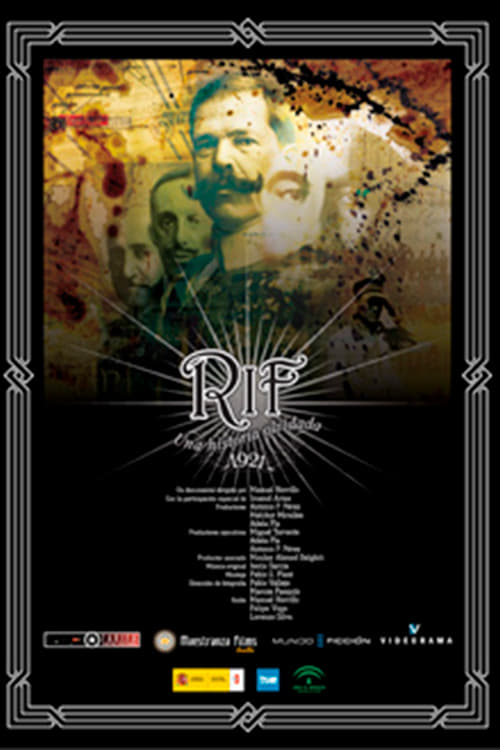
Manuel Horrillo has visited for 7 years the fields where the clashes between the Spanish troops and the rebels of the protectorate took place during the so-called Rif War, a forgotten war of the Spanish collective imaginary.
The saga of fitness, which exploded in the 1980s and contributed, in its own way, to liberating women's bodies.
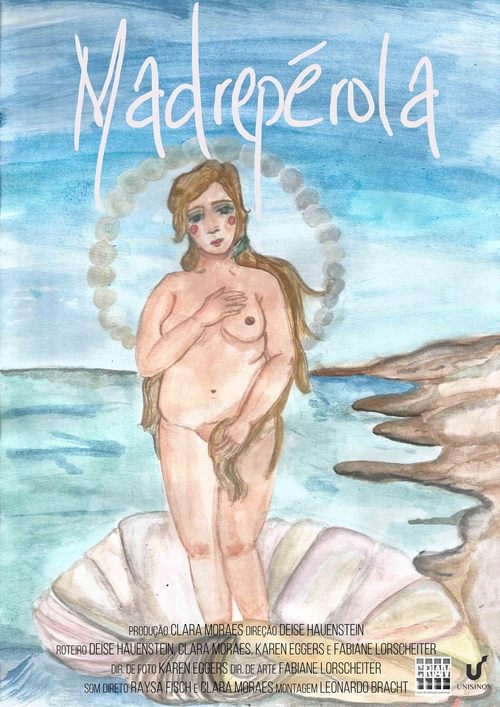
In a tide oblivious to diversity, pearl oysters live under attack for not fitting into the standards and sizes. This is the story of how their pearls are born.
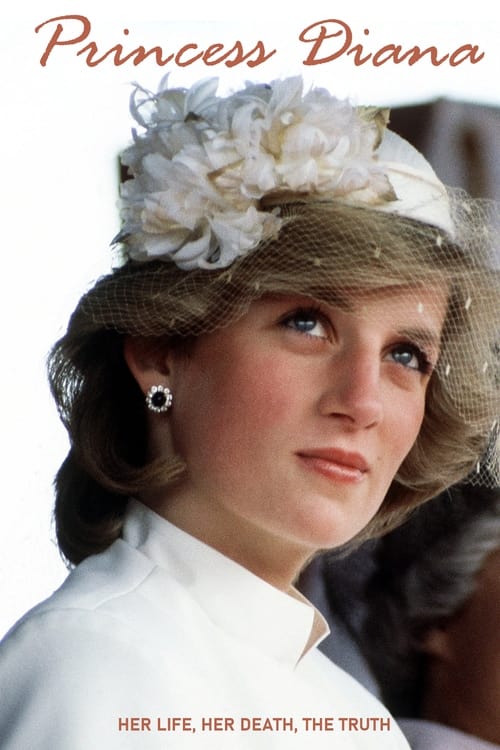
A journey through the night that Princess Diana died and the four independent investigations in two separate countries that followed. Included: a look at Princess Diana's life through her sons.
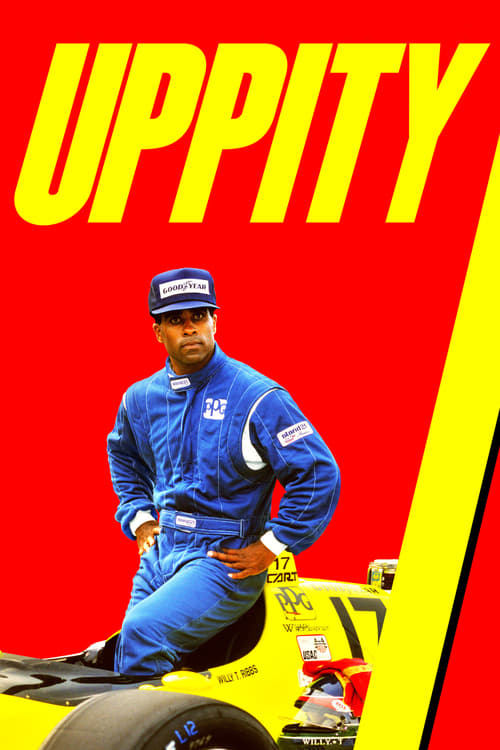
An in-depth profile of the life and career of Willy T. Ribbs - the controversial Black driver who shattered the color barrier of professional auto-racing and became the first Black qualifier in the storied history of the Indy 500.
From prehistoric times to our technologically accelerated present, this exciting and entertaining journey through time explores the thousands of ways in which mankind has perceived, measured and passed time over the course of its history.
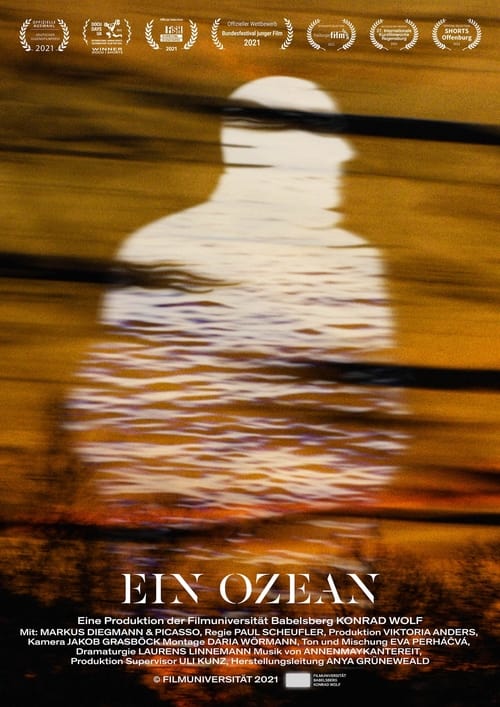
The trembling starts in his neck when Markus gets closer to the images that have chased him for 49 years. Now he steers his motor home south, as far away from his past as possible.
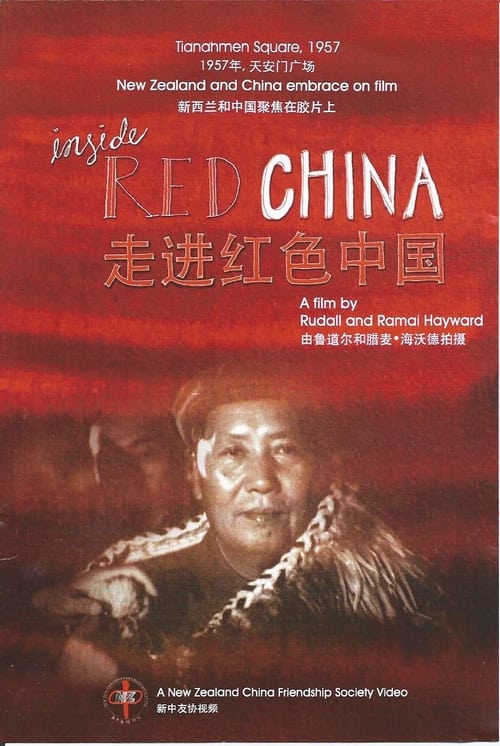
October 1st, 1957. Dusk descends on Tiananmen Square, Peking. Fireworks crackle light across the night sky, above a city alive with National Day festivities and celebrations. Two intrepid New Zealand film-makers - Rudall and Ramai Te Miha Hayward - are there, documenting the life and times of communist China. The distinction of being the first English speaking foreigners to film unfettered in communist China was significant. The invitation to visit China was facilitated through the New Zealand China Friendship Society. They filmed in Canton, Shanghai, Peking (Beijing) and Wuhan. It was a small window of opportunity for Westerners to gaze on a country that was largely a mystery to the outside world since 1949. The unfortunate irony was that two of the documentaries; “Wonders of China”, and “Inside Red China”, were considered to be communist propaganda, and were not distributed outside of New Zealand.
The ideal of youth is at the centre of this eloquent film, mixing documentary and fiction, art and experimentation. Demonstrating both formal and narrative freedom, Bélanger weaves a deliberately loose weave in which the initiatory journey of two young people, wandering through Montreal in search of a job, unfolds. But not just any job. The two idealists want a job that will satisfy their desire for freedom, peace and respect. Of course, even though the breath of renewal from Expo 67 still floats here and there, the world they encounter does not correspond - by far - to their aspirations. Strangers in this country that tells them nothing, they come across brutally, materialism, violence, and egocentrism.
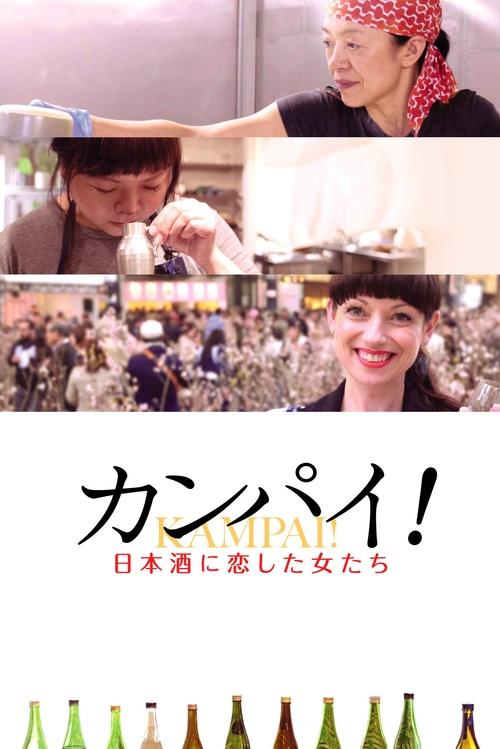
Sake is a traditional alcoholic beverage from Japan and is otherwise known as rice wine. Women were prohibited from entering the many large and small sake breweries dotting Japan for centuries. However, times have changed and women are present on the sake scene today. In several cases, they are integral to the Japanese brewery business. The documentary depicts women who are not only enthusiasts, but also leaving their marks on the evolution of this Japanese mainstay.
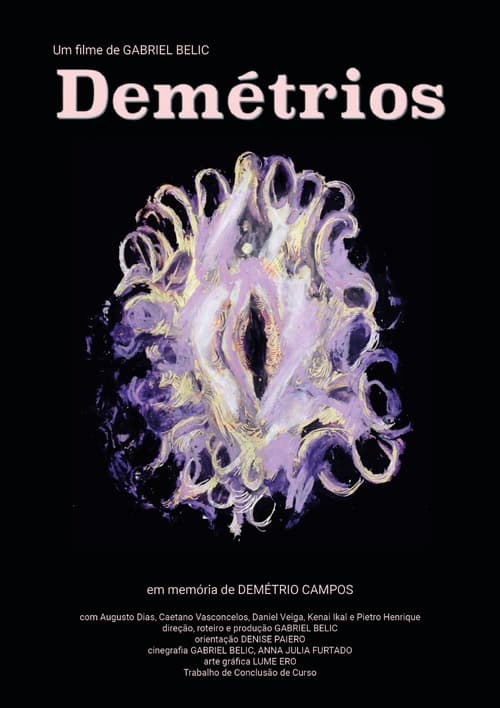
Performative and expository documentary, which highlights the contrast of experience among transgender men in Brazil. The short film brings five characters - Kenai, Caetano, Augusto, Pietro and Daniel -, each one reflecting a different reality.
A Calling to Care is the inspiring story of 55 year-old Grace Stanley, a Canadian nurse who left her home and prestigious career behind to answer a calling halfway around the world in Karachi, Pakistan. Teaching nursing to local women in a strict Muslim culture that forbids them to even to touch men is a formidable task. However, Grace challenges her own values and belief systems to find common ground with her students, helping them to excel and feel respect for themselves in a culture that doesn't respect them. Whether it is getting her hands painted with henna, swimming fully-clothed in the ocean, or marching bravely with them on International Women's Day, Grace bonds with her students in a very special way, and ultimately discovers how the West can learn a lot more from the Third World than she ever thought.