Is all that we see or seem, but a dream within a dream?
Seven girls become good friends in high school, then events pull them apart for 25 years. When one of the friends lies dying in a hospital, she wishes to see each of them one last time.
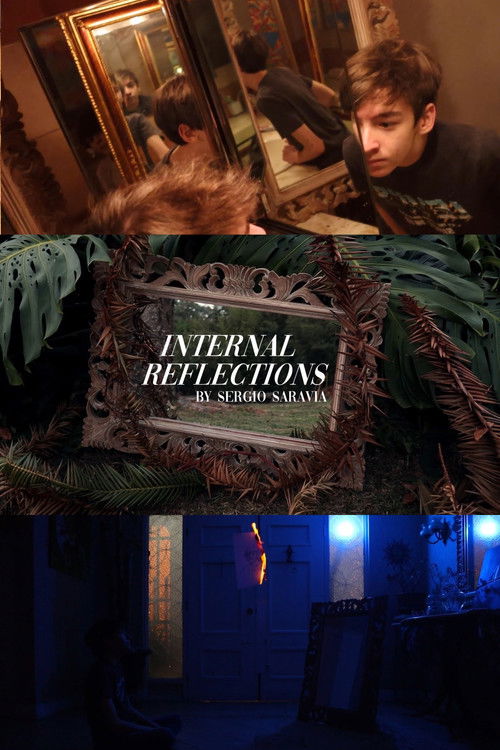
One country, three completely different cities. People move seeking a change not only territorially, but also - and mainly - internally. Traveling brings them closer to themselves, immersed in a universe with a poetic look like life.
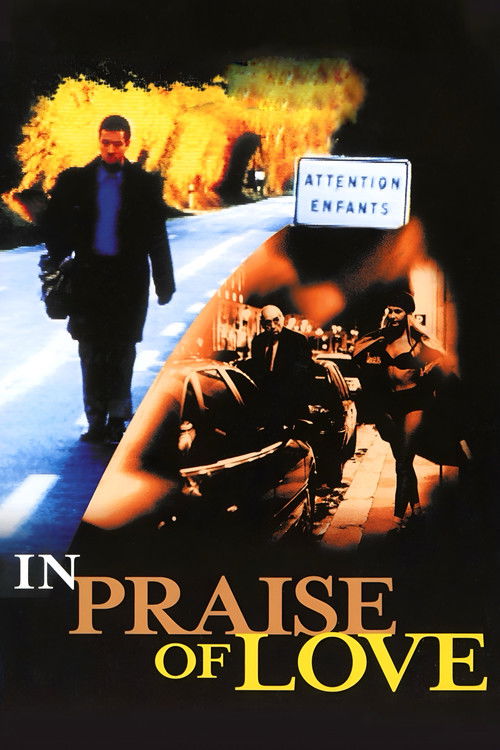
Someone we hear talking - but whom we do not see - speaks of a project which describes the four key moments of love: meeting, physical passion, arguments/separation and making up. This project is to be told through three couples: young, adult and old. We do not know if the project is for a play, a film, a novel or an opera. The author of the project is always accompanied by a kind of servant. Meanwhile, two years earlier, an American civil servant meets with an elderly French couple who had fought in the Resistance during World War II, brokering a deal with a Hollywood director to buy the rights to tell their story. The members of the old couple's family discuss heatedly questions of nation, memory and history.
Attempts to showcase how the creation of art directly correlates to the perception we have of ourselves and the life around us as shown through the eyes of a struggling family.
A therapist looks into the mind of a woman diagnosed as schizophrenic and finds, not madness, but tortured sexual guilt created by the taboos of society.
Egotistical faded star Hedy Lamarr visits a plastic surgeon to be transformed into the "14-year-old girl" she believes herself to be. She is then caught shoplifting by Mary Woronov and is put on trial, with Tavel as the judge and her five ex-husbands the jury. Hedy remains self-centered and detached throughout, posing and primping and bursting out renditions of "I Feel Pretty" and "Young at Heart."
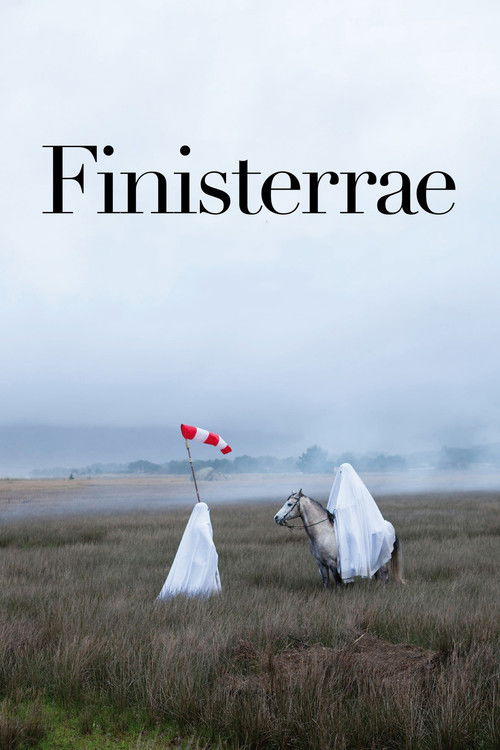
Two ghosts walk along the Camino of Santiago.
"A Motion Selfie" is one-of-a-kind DIY filmmaking: a darkly comic chronicle following a year in the life of a washed-up viral video star and the sexually depraved stalker who becomes obsessed with his work.
A delusional young woman mourning the loss of her cat receives a visit from an unexpected visitor.
Car crashes are instant art and sculptures made in seconds. At least to a certain Buenos Aires photographer, who spends his nights driving through the city in search of capturing the perfect accident. Meanwhile, another man is trying to find a legendary cock sucker who hides somewhere in the dark rooms of a gay sex club. Accidentes Gloriosos tells nine different stories of death and transformation. From the man who undergoes a heart transplant and wakes up with new and strange artistic powers, to the woman who receives a last letter from her husband, written just before he freezes to death in one of history s most dramatic polar expeditions.
Niki is a child who chases butterflies through a chaotic landscape in a home-made samurai costume, and attempts to prepare for a catwalk. Niki is on a journey to find meaning, to understand a crazy world that does everything it can to get rid of anyone who doesn't fit in - an inner journey to become a human being.
Based on the eponymous novel by Ciro Alegría. An indigenous community living their day-to-day and their relationship with nature. They can be reimagined as hungry dogs.
A 4-year-old child is the element from and around which the action develops, and brings sentiments and emotions to light.
A huge, run-down apartment in Berlin Mitte. Two women and a man, rehearsals for a movie about love and sex, that will never be shot. Acting and reality mingle into a dangerous mélange.
In this modern love story set against the Austin, Texas music scene, two entangled couples — struggling songwriters Faye and BV, and music mogul Cook and the waitress whom he ensnares — chase success through a rock ‘n’ roll landscape of seduction and betrayal.
When she arrives in a new world, Isabela is tasked with discovering her true essence. Watched by Shadow, the guardian of this ghostly place, Isabela meets other travelers and reevaluates her memories, relationships and emotions.
The young Marta has made a break in her medical education to fully invest in her career as a model. We follow her for a day in her life, almost completely without hearing her voice. It is seldom that Marta gets the space to speak, instead she is mostly subject to the voice of others.
In the late '90s Balazs's family is falling apart front of his brand new VHS camera he got for his 8th birthday.
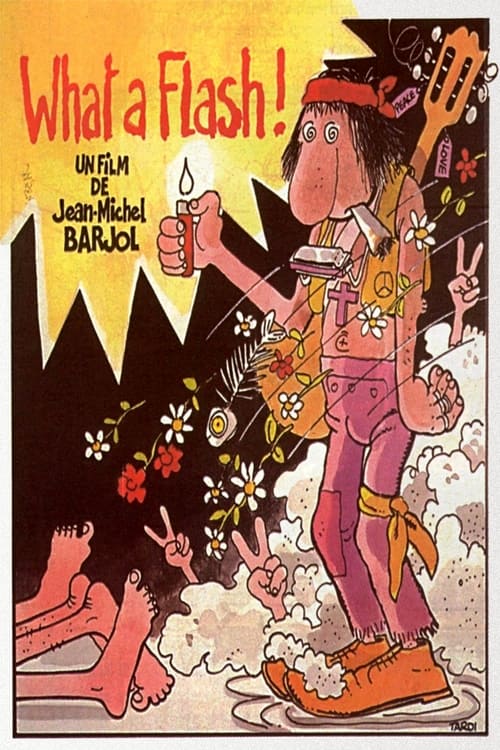
The producers of this French film took approximately 100 people, put them on a soundstage and had them improvise this film based on the premise that they are on a spaceship escaping from the dictators of earth and only have a few days to live. Improvisation is a dangerous art-form; unprepared amateurs invariably come up with gross caricatures when challenged to improvise. The actors' choices in this film include an allegorical pageant of the life of Jesus, a marriage, an orgy, and some genuinely affectionate moments. Nonetheless, as an experimental effort in large-group improvisation, the film is instructive. - Clarke Fountain, Rovi
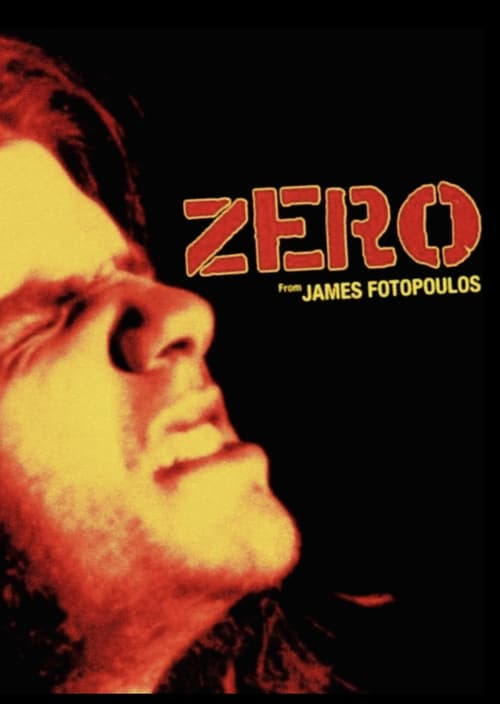
James Fotopoulos’ first feature film is a two and half hour endurance test about a lonely man’s decent into horror, mutilation and psychological collapse. The lines of reality and fantasy blur when the man’s hand-tinted primordial dreams of humanoid sex and violence manifest in his everyday reality as cancer, abuse and mannequin love.
No Trailers found.