logologo
MovieVerse© 2024
Privacy PolicyTerms of ServiceContact Us
Made with ❤️ by Thathsara
movie poster
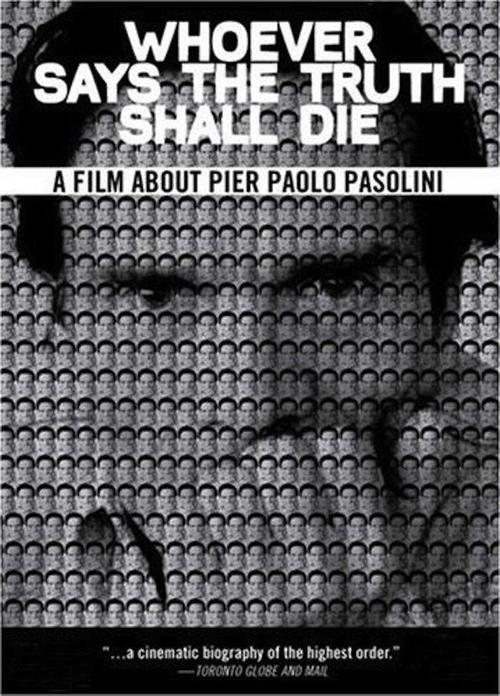
Whoever Says the Truth Shall Die
Sign in to create your own watchlist

Whoever Says the Truth Shall Die

Feb 28, 1981
1h 0m
★ 4.9

A film about Pier Paolo Pasolini

Overview

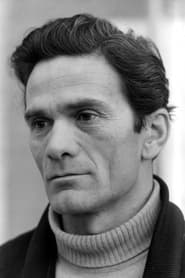
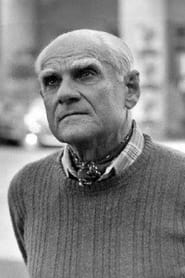
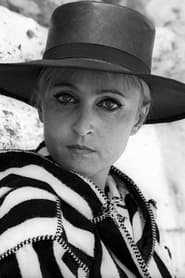
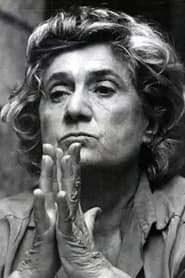
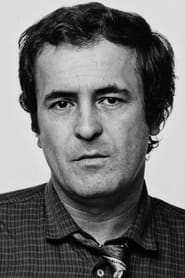
Philo Bregstein tells us this film looks at Pasolini's life and art to explain why he died. The film traces Pasolini's life chronologically - family roots, hiding during World War II, teaching, moving to Rome, being arrested and acquitted many times, publishing poems, getting into film, being provocative, and being murdered. Interviews with Alberto Moravia, Laura Betti, Maria Antonietta Macciocch, and Bernard Bertolucci are inter-cut with readings of Pasolini's poems and with clips from four films - primarily the Gospel According to St. Matthew - to illustrate his changing ideas and points of view. Bregstein makes a case for Pasolini's being lynched.

Genres

Documentary

Production Companies

VARA

Whoever Says the Truth Shall Die Trailers

No Trailers found.

Cast

Pier Paolo Pasolini

Self- archive footage

Pier Paolo Pasolini

Alberto Moravia

Self - writer

Alberto Moravia

Laura Betti

Self

Laura Betti

Maria Antonietta Macciocchi

Self - writer

Maria Antonietta Macciocchi

Bernardo Bertolucci

Self

Bernardo Bertolucci

Nino Marazzita

Self - Pier Paolo Pasolini family's lawyer
Nino Marazzita

You may also like

Workers Leaving the Lumière Factory
6.7

Workers Leaving the Lumière Factory

Mar 22, 1895

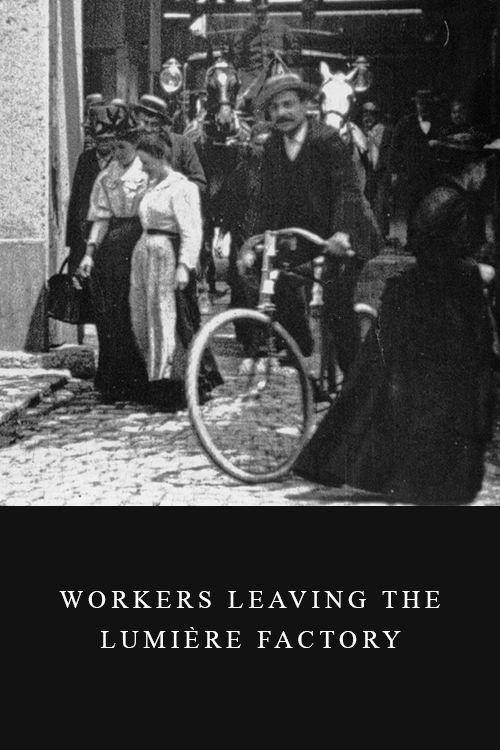
Working men and women leave through the main gate of the Lumière factory in Lyon, France. Filmed on 22 March 1895, it is often referred to as the first real motion picture ever made, although Louis Le Prince's 1888 Roundhay Garden Scene pre-dated it by seven years. Three separate versions of this film exist, which differ from one another in numerous ways. The first version features a carriage drawn by one horse, while in the second version the carriage is drawn by two horses, and there is no carriage at all in the third version. The clothing style is also different between the three versions, demonstrating the different seasons in which each was filmed. This film was made in the 35 mm format with an aspect ratio of 1.33:1, and at a speed of 16 frames per second. At that rate, the 17 meters of film length provided a duration of 46 seconds, holding a total of 800 frames.

No Image Available
6.0

Salò: Fade to Black

Jan 1, 2001

A short documentary exploring the ongoing relevance and power of 'Salò o le 120 giornate di Sodoma'.

Monsieur Truffaut Meets Mr. Hitchcock
6.5

Monsieur Truffaut Meets Mr. Hitchcock

Aug 5, 1999

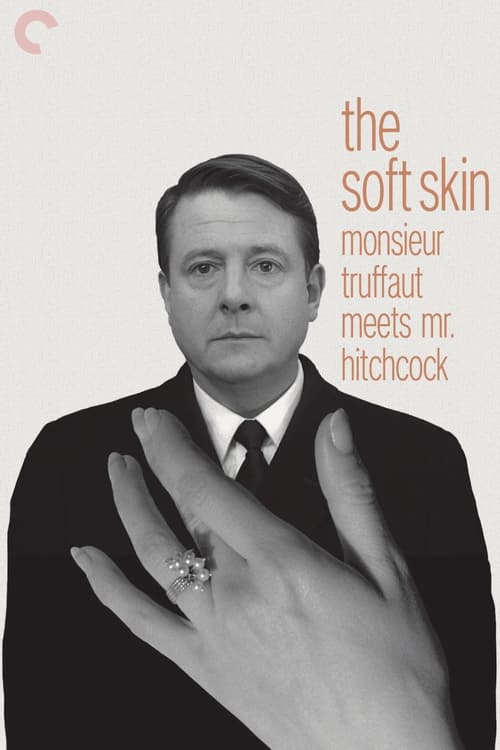
When Francois Truffaut approached Alfred Hitchcock in 1962 with the idea of having a long conversation with him about his work and publishing this in book form, he didn't imagine that more than four years would pass before Le Cinéma selon Hitchcock finally appeared in 1966. Not only in France but all over the world, Truffaut's Hitchcock interview developed over the years into a standard bible of film literature. In 1983, three years after Hitchcock's death, Truffaut decided to expand his by now legendary book to include a concluding chapter and have it published as the "Edition définitive". This film describes the genesis of the "Hitchbook" and throws light on the strange friendship between two completely different men. The centrepieces are the extracts from the original sound recordings of the interview with the voices of Alfred Hitchcock, Francois Truffaut, and Helen Scott – recordings which have never been heard in public before.

Vivement Truffaut
6.0

Vivement Truffaut

Jul 12, 1985

A tribute to the late, great French director Francois Truffaut, this documentary was undoubtedly named after his last movie, Vivement Dimanche!, released in 1983. Included in this overview of Truffaut's contribution to filmmaking are clips from 14 of his movies arranged according to the themes he favored. These include childhood, literature, the cinema itself, romance, marriage, and death.

Impromptu
10.0

Impromptu

Jan 1, 2017

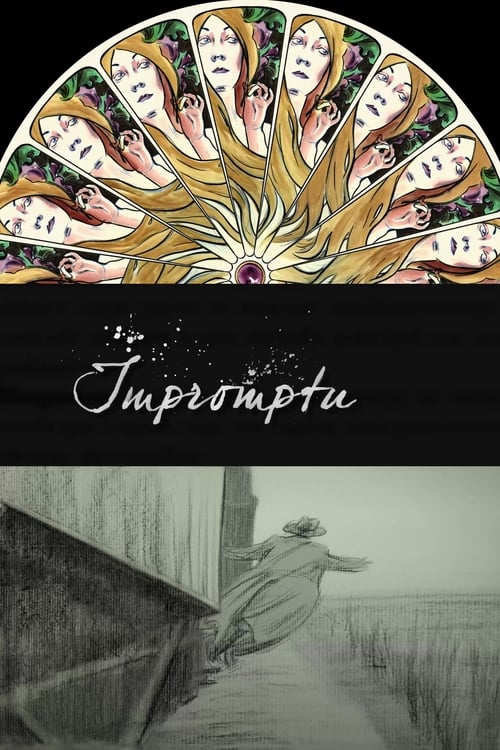
A journey to the origins of cinema, starting with its forgotten fathers: the pioneers who achieved moving images before 1895, the official year of the Lumière cinematograph. Through five studies by Frédéric Chopin, 'Impromptu' is also a tribute to the end of the 19th century, to its immortal muses, and to the fascination with movement itself.

Okay for Sound
5.0

Okay for Sound

Sep 7, 1946

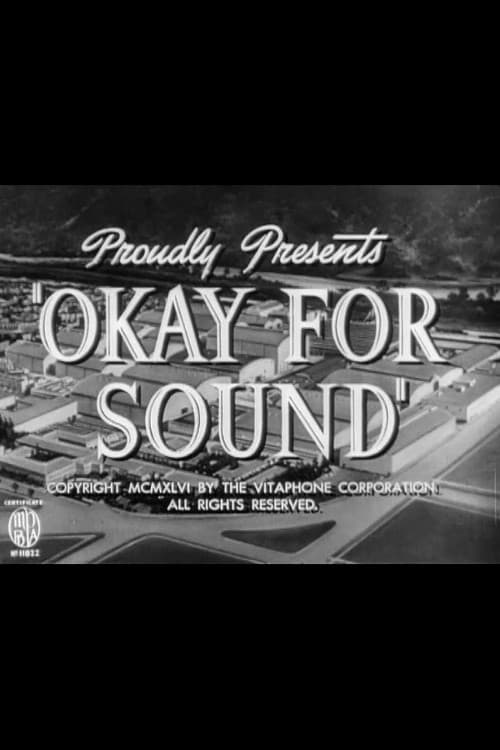
This short was released in connection with the 20th anniversary of Warner Brothers' first exhibition of the Vitaphone sound-on-film process on 6 August 1926. The film highlights Thomas A. Edison and Alexander Graham Bell's efforts that contributed to sound movies and acknowledges the work of Lee De Forest. Brief excerpts from the August 1926 exhibition follow. Clips are then shown from a number of Warner Brothers features, four from the 1920s, the remainder from 1946/47.

Fantastic Laloux
5.1

Fantastic Laloux

Dec 8, 2010

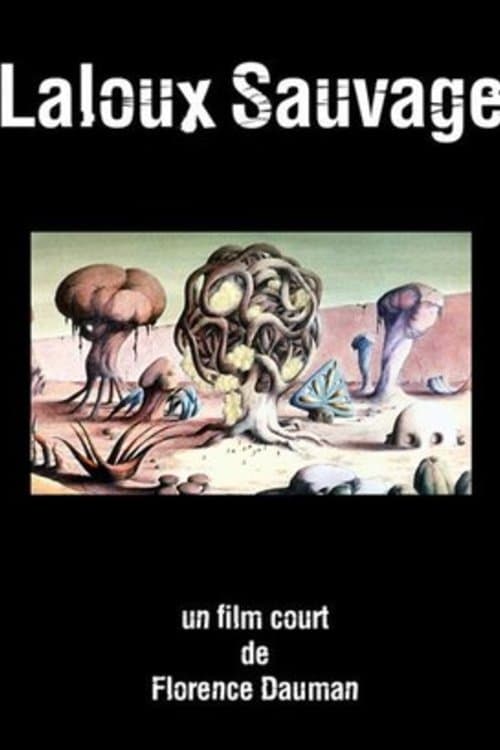
A short documentary about the life of director and artist René Laloux, featuring an interview with Laloux from 2001.

Into the Clouds We Gaze
0.0

Into the Clouds We Gaze

Nov 6, 2014

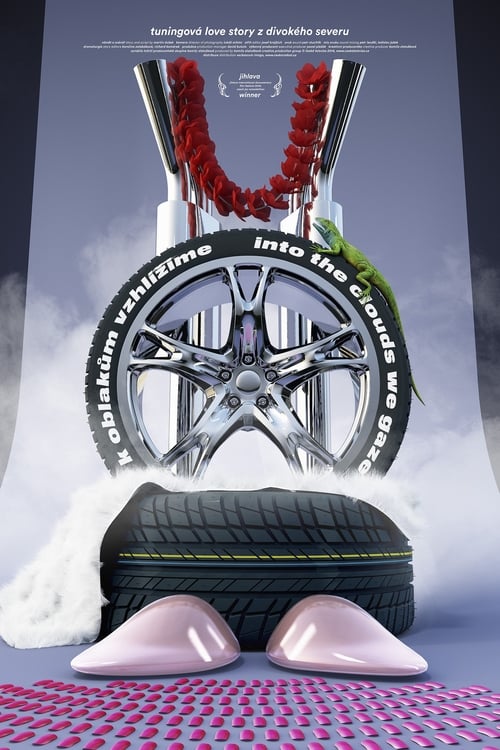
A gentle love story from the harsh environment of northern Bohemia.

Here and Elsewhere
6.5

Here and Elsewhere

Sep 15, 1976

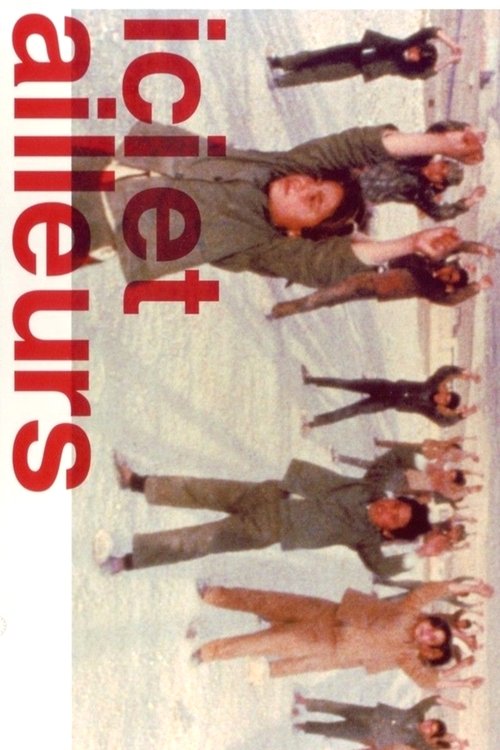
Here and Elsewhere takes its name from the contrasting footage it shows of the fedayeen and of a French family watching television at home. Originally shot by the Dziga Vertov Group as a film on Palestinian freedom fighters, Godard later reworked the material alongside Anne-Marie Miéville.

Jane Fonda in Five Acts
7.3

Jane Fonda in Five Acts

Jan 21, 2018

Girl next door, activist, so-called traitor, fitness tycoon, Oscar winner: Jane Fonda has lived a life of controversy, tragedy and transformation – and she’s done it all in the public eye. An intimate look at one woman’s singular journey.

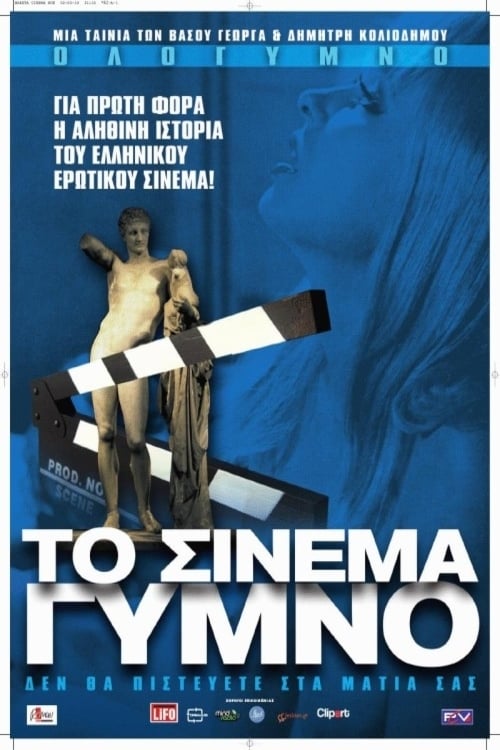
Naked Cinema
0.0

Naked Cinema

Apr 8, 2010

In the early 70s Greek cinema entered in a period of crisis. One of its aspects was said "crisis of issues" and one of the exits heard in the name "erotic cinema". The genre was already acquaintance from the abundance of foreigner films, that was distributed in the grindhouses under the "adults only" motto and its Greek version had a lot of variants.

Rocío
8.0

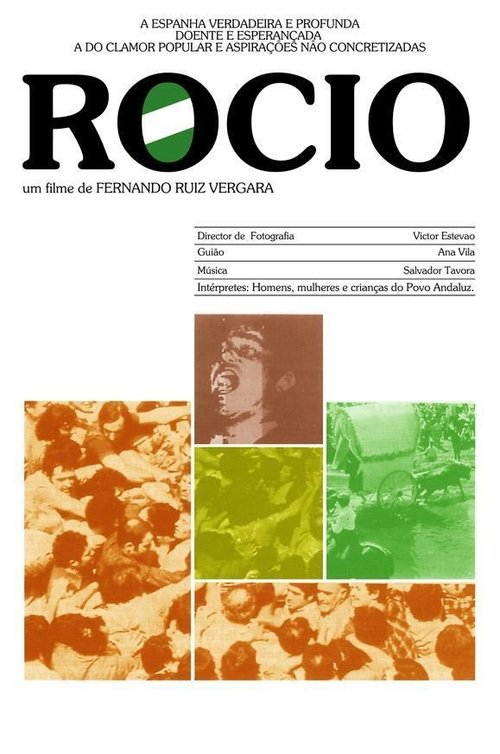
Rocío

Jul 1, 1980

The film shows the genesis of the El Rocío pilgrimage and unveils the economic, socio-political and religious reasons and interests that nurture the phenomenon.

Chaplin Today: Limelight
4.8

Chaplin Today: Limelight

Jul 1, 2003

A short documentary about the making of Chaplin's "Limelight."

The Dollhouse
8.0

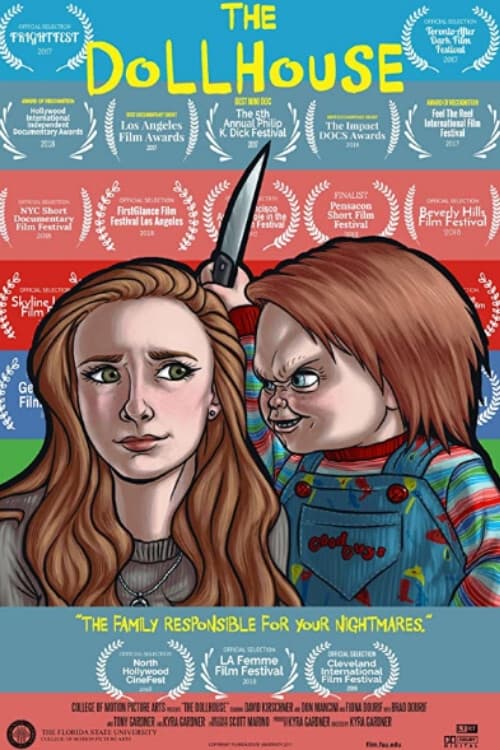
The Dollhouse

Oct 13, 2017

Kyra Gardner's loving tribute to growing up in the world of the psycho killer doll, Chucky.

Chaplin Today: The Great Dictator
6.4

Chaplin Today: The Great Dictator

Dec 30, 2003

A short documentary about the making of "The Great Dictator."

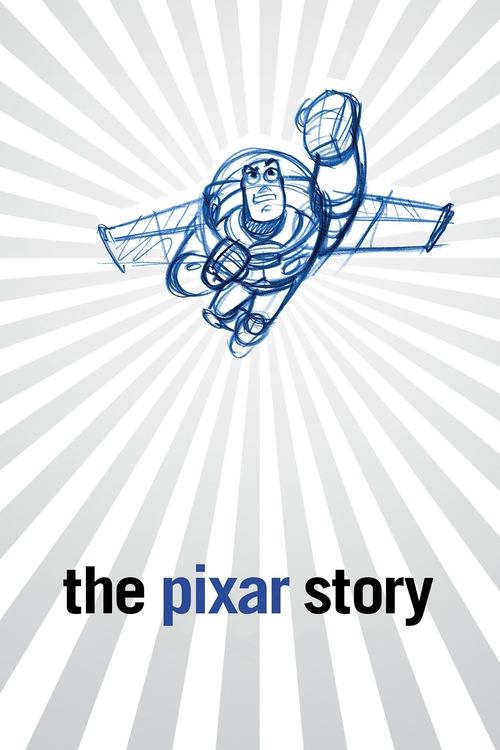
The Pixar Story
7.6

The Pixar Story

Aug 28, 2007

A look at the first years of Pixar Animation Studios - from the success of "Toy Story" and Pixar's promotion of talented people, to the building of its East Bay campus, the company's relationship with Disney, and its remarkable initial string of eight hits. The contributions of John Lasseter, Ed Catmull and Steve Jobs are profiled. The decline of two-dimensional animation is chronicled as three-dimensional animation rises. Hard work and creativity seem to share the screen in equal proportions.

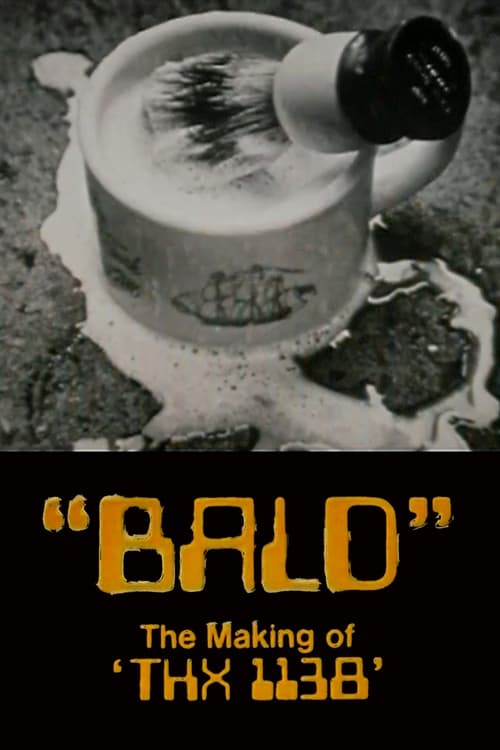
Bald: The Making of 'THX 1138'
6.4

Bald: The Making of 'THX 1138'

Mar 1, 1971

The film features a conversation between Lucas and Francis Ford Coppola, producer of THX 1138. They discuss Lucas' vision for the film, including his ideas about science fiction in general and in particular his concept of the "used future" which would famously feature in his film Star Wars. Intercut with this discussion is footage shot prior to the start of production of THX 1138 showing several of its actors having their heads shaved, a requirement for appearing in the film. In several cases the actors are shown being shaved in a public location. For example, Maggie McOmie is shaved outside the Palace of Fine Arts in San Francisco, while Robert Duvall watches a sporting event as his hair is cut off. Another actor, Marshall Efron, who would later play an insane man in the film, cut off his own hair and was filmed doing so in a bathtub.

Roundhay Garden Scene
6.4

Roundhay Garden Scene

Oct 14, 1888

The earliest surviving motion-picture film, and believed to be one of the very first moving images ever created, was shot by Louis Aimé Augustin Le Prince using the LPCCP Type-1 MkII single-lens camera. It was taken on paper-based photographic film in the garden of Oakwood Grange, the Whitley family house in Roundhay, Leeds, West Riding of Yorkshire (UK), on 14 October 1888. The film shows Adolphe Le Prince (Le Prince’s son), Mrs. Sarah Whitley (Le Prince’s mother-in-law), Joseph Whitley, and Miss Harriet Hartley walking around in circles, laughing to themselves, and staying within the area framed by the camera. Roundhay Garden Scene is often associated with a recording speed of around 12 frames per second and runs for about 2 to 3 seconds.

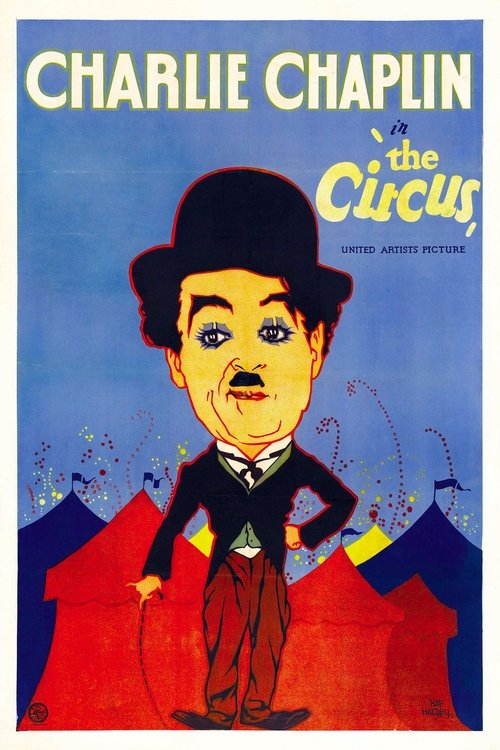
The Circus: Premiere
5.4

The Circus: Premiere

Jan 13, 1928

Footage from the premiere of Charlie Chaplin's 1928 film 'The Circus'.

No Image Available
4.0

The Human Eye

Jan 1, 1999

A 55-minute film by director Xavier Giannoli that analyses 'À nos amours'. The film features former Cahiers du cinéma editorial director Jean-Michel Frodon, actors Jacques Fieschi and Sandrine Bonnaire, and other members of the cast