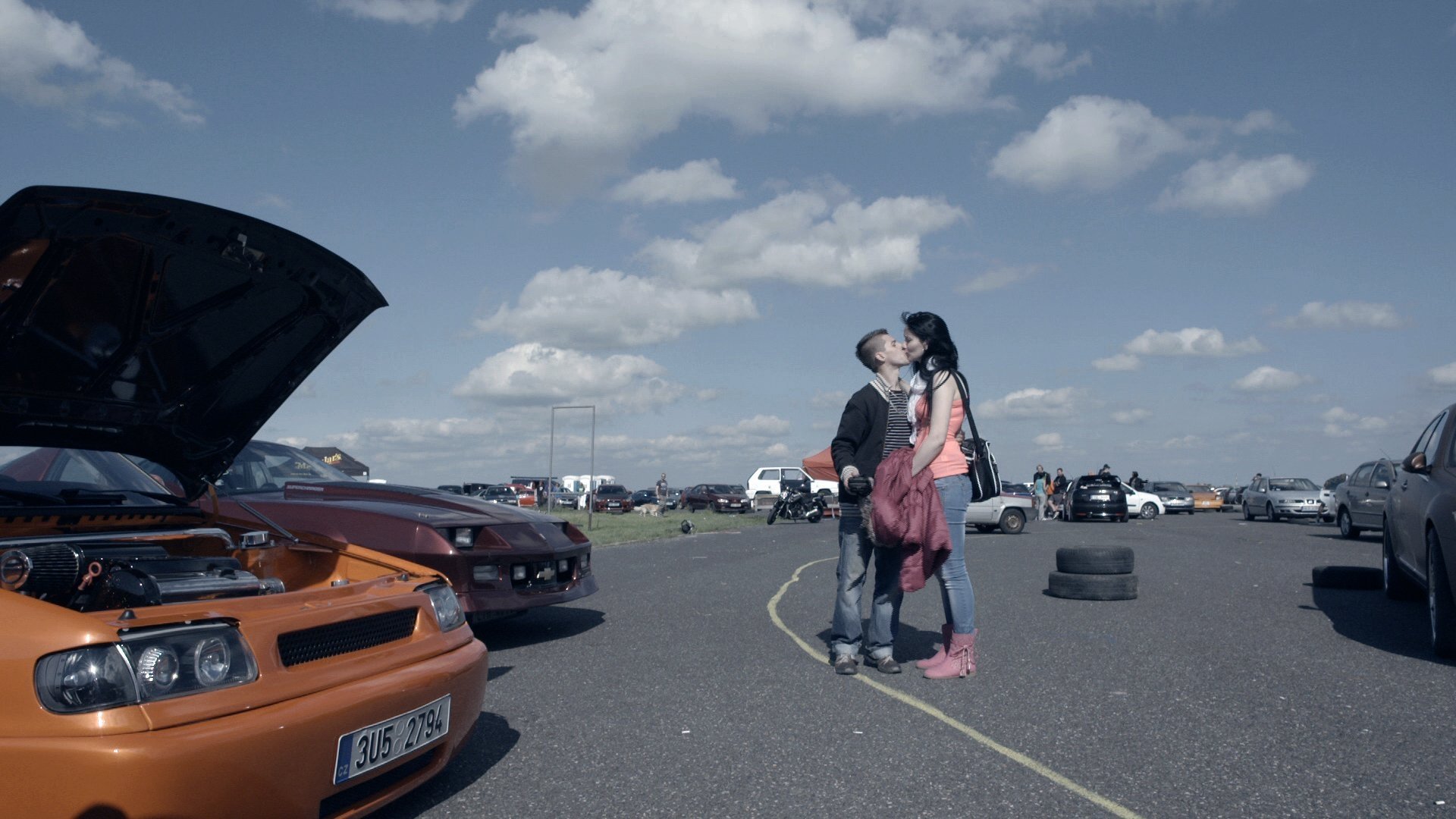
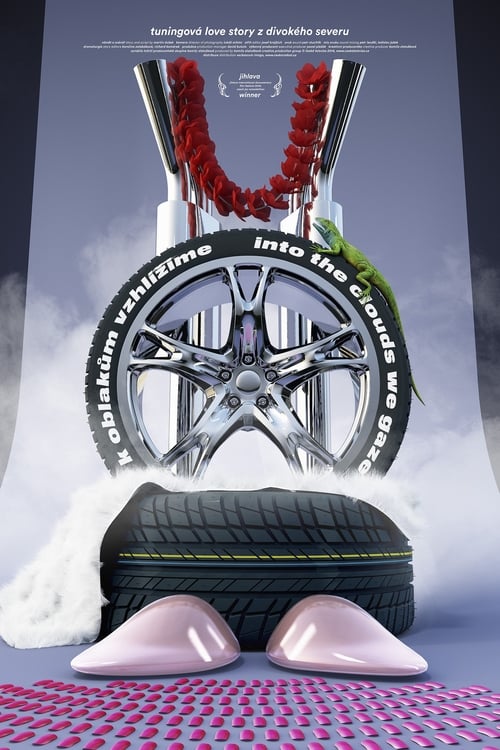
A gentle love story from the harsh environment of northern Bohemia.
No Trailers found.
A documentary on the revolutionary life and career of director Juan Antonio Bardem, including interviews with many of his colleagues, including Luis Garcia Berlanga.
Explores the life and innovations of composer and electronic music pioneer Suzanne Ciani.
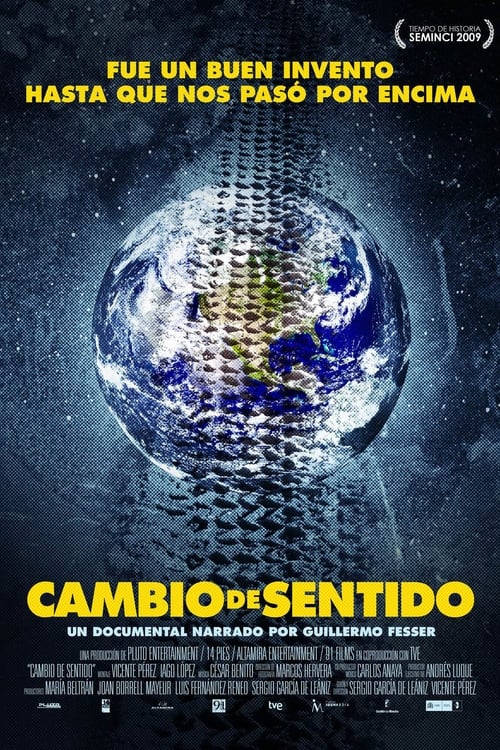
800 million units circulate around the globe. It is the largest contributor to air pollution worldwide and accounts for 8,300 deaths every day. And every night it sleeps in your garage.
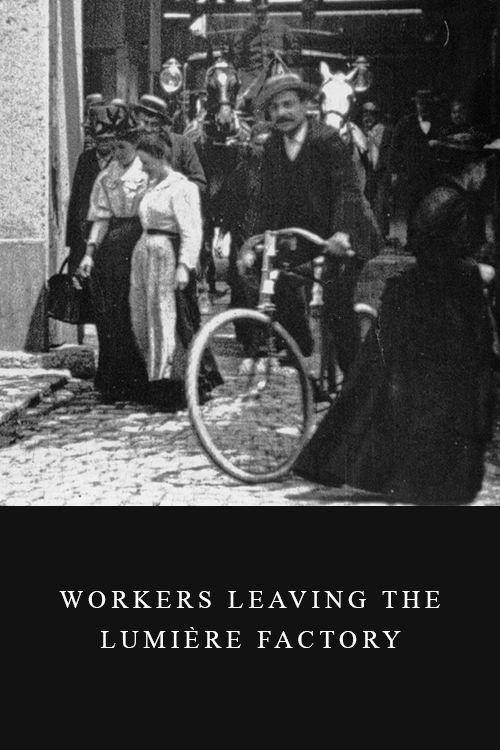
Working men and women leave through the main gate of the Lumière factory in Lyon, France. Filmed on 22 March 1895, it is often referred to as the first real motion picture ever made, although Louis Le Prince's 1888 Roundhay Garden Scene pre-dated it by seven years. Three separate versions of this film exist, which differ from one another in numerous ways. The first version features a carriage drawn by one horse, while in the second version the carriage is drawn by two horses, and there is no carriage at all in the third version. The clothing style is also different between the three versions, demonstrating the different seasons in which each was filmed. This film was made in the 35 mm format with an aspect ratio of 1.33:1, and at a speed of 16 frames per second. At that rate, the 17 meters of film length provided a duration of 46 seconds, holding a total of 800 frames.
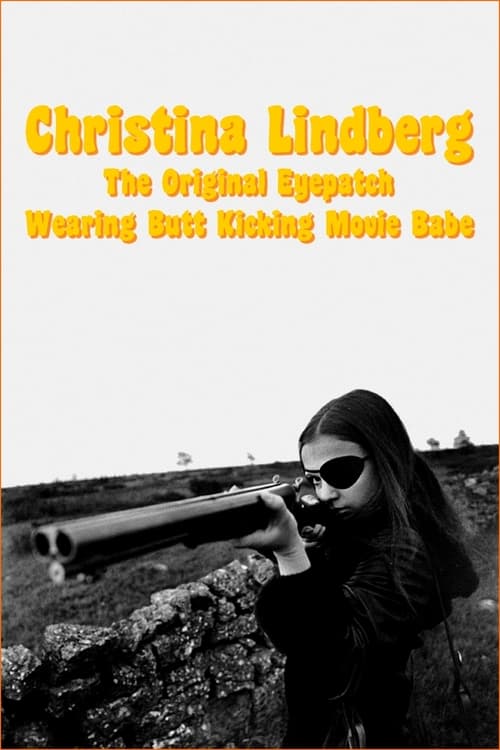
A look at the life and work of Christina Lindberg, the most famous Swedish model of the 1970s and star of exploitation cinema.
This documentary covers the acid house, rave and club culture revolution in the UK and of course the chemical Methylenedioxymethamphetamine or ecstasy. This era inspired the film 24 Hour Party people and sheds light on the forgotten counter culture movement.
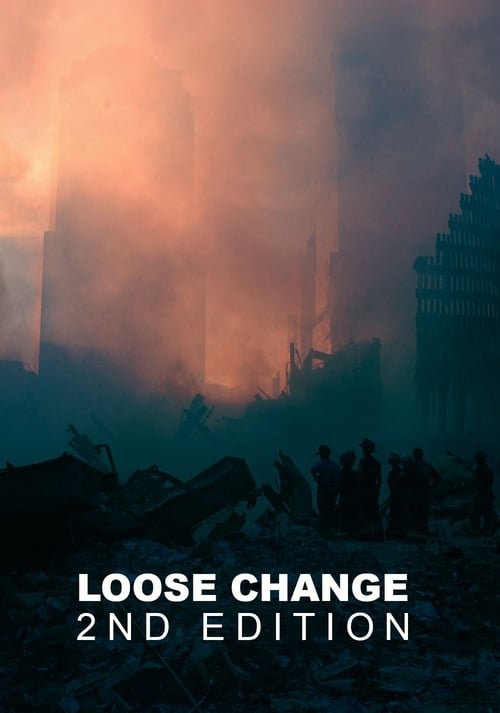
2nd Edition of Loose Change documentary. What if...September 11th was not a surprise attack on America, but rather, a cold and calculated genocide by our own government?We were told that the twin towers were hit by commercial jetliners and subsequently brought down by jet fuel. We were told that the Pentagon was hit by a Boeing 757. We were told that flight 93 crashed in Shanksville, Pennsylvania. We were told that nineteen Arabs from halfway across the globe, acting under orders from Osama Bin Laden, were responsible. What you will see here will prove without a shadow of a doubt that everything you know about 9/11 is a complete fabrication. Conspiracy theory? It's not a theory if you can prove it.Written and narrated by Dylan Avery, this film presents a rebuttal to the official version of the September 11, 2001 terrorist attacks and the 9/11 Commission Report.
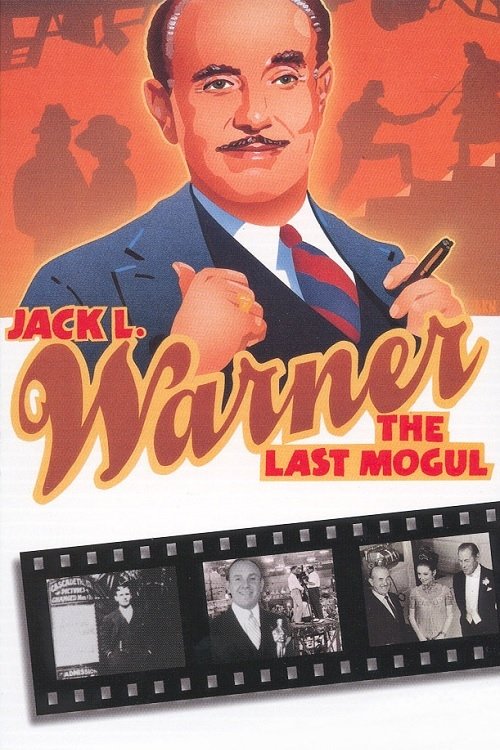
An insider's account of Jack Warner, a founding father of the American film industry. This feature length documentary provides the rags to riches story of the man whose studio - Warner Bros - created many of Hollywood's most classic films. Includes extensive interviews with family members and friends, film clips, rare home movies and unique location footage.
This documentary captures the sounds and images of a nearly forgotten era in film history when African American filmmakers and studios created “race movies” exclusively for black audiences. The best of these films attempted to counter the demeaning stereotypes of black Americans prevalent in the popular culture of the day. About 500 films were produced, yet only about 100 still exist. Filmmaking pioneers like Oscar Micheaux, the Noble brothers, and Spencer Williams, Jr. left a lasting influence on black filmmakers, and inspired generations of audiences who finally saw their own lives reflected on the silver screen.
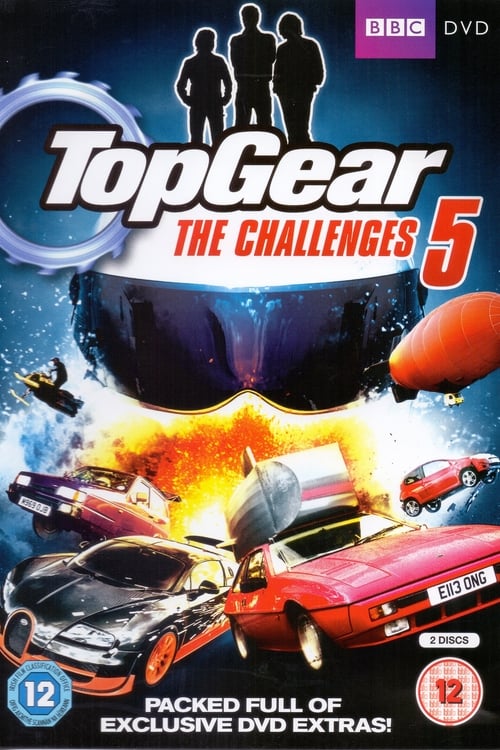
Allow us to present yet another challenges bonanza crammed with volcanoes, World speed records, flying caravans, unstable Reliant Robins, jaw dropping races and cars exploding all over the place. No other programme offers so much, for so little of your I.Q. Motorhomes The Making of the Car Advert British Sports Cars Cheap Saloons in Germany The Dakar Car Versus the Snowmobiles Topsy Turvy Reliant Robins The Veyron in Hyperdrive Airport Vehicles Race The Caravan Airship The Twingo in Belfast May's Volcanic Adventure Gravity Drop Race
This is a conversation starter first, a video second.
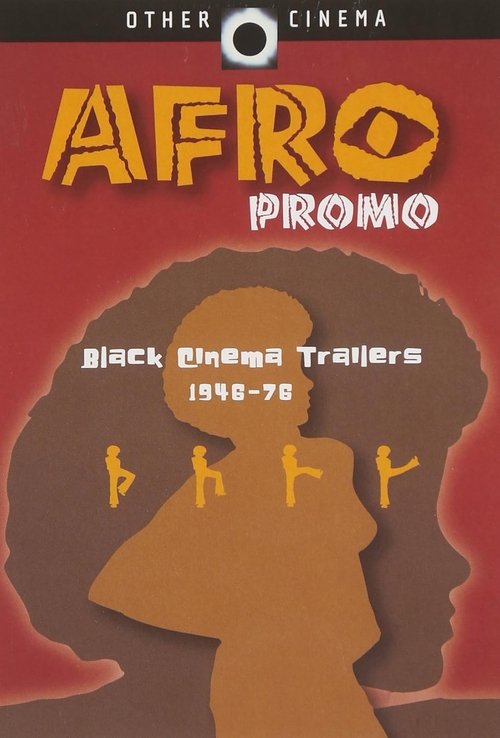
Co-curated by Jenni Olson and the late Black gay activist Karl Knapper, this entertaining showcase of vintage movie trailers traces the evolution of African American cinema through its most crucial period, 1952-1976. Filled with insights on race and social dynamics, this fascinating compendium of coming attractions explores an extensive range of stylistic approaches—Blaxploitation, Comedy, Music Bio, Plantation Drama and more—offering an outrageous joyride through motion picture history. Beyond mere camp, these marvelously condensed gems crystallize a range of African American identities and personalities, tracking the meteoric careers of Sidney Poitier, James Earl Jones, Billy Dee Williams, Richard Pryor, Pam Grier and others through their bold performances in movies both hugely popular and practically forgotten. Afro Promo provides a compact glimpse at the representation of African Americans through twenty-five dynamic years of American cinema history.
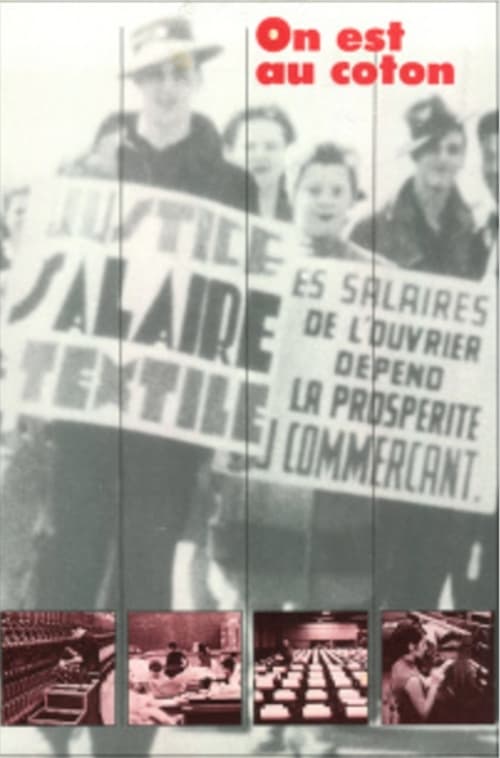
Director Denys Arcand made an inquiry on textile industry in Quebec, meeting employers and workers of that industry.
This documentary is featured on the DVD for Captain Blood (1935), released in 2005.
In 1928, as the talkies threw the film industry and film language into turmoil, Chaplin decided that his Tramp character would not be heard. City Lights would not be a talking picture, but it would have a soundtrack. Chaplin personally composed a musical score and sound effects for the picture. With Peter Lord, the famous co-creator of Chicken Run and Wallace & Gromit, we see how Chaplin became the king of slapstick comedy and the superstar of the movies.
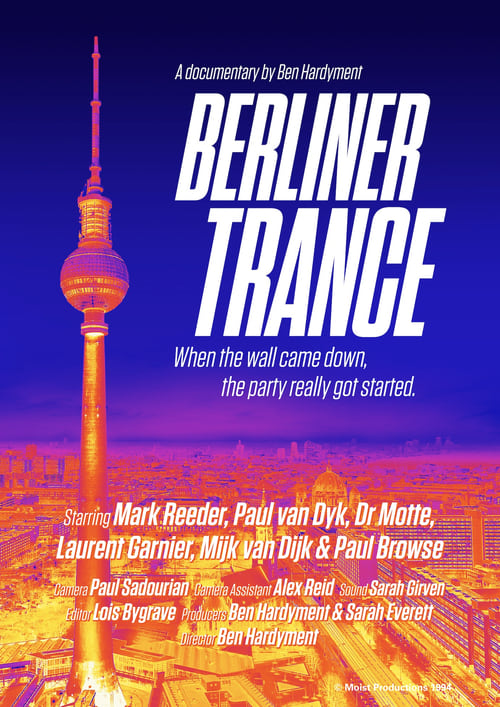
This lost classic, shot on 16mm in a wintry Berlin in 1993, explores the origins of the German trance scene. Featuring interviews with fresh-faced selectors including Laurent Garnier and MFS Records founder Mark Reeder, the documentary also feature footage from the city's iconic Love Parades in 1991 and 1993.
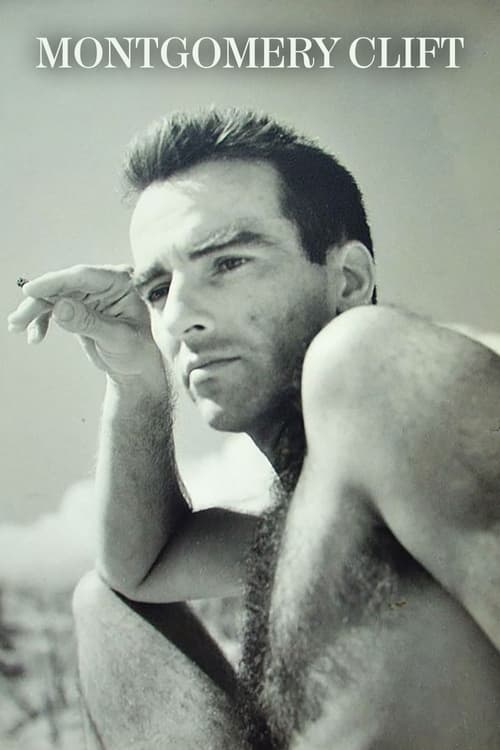
A documentary incorporating footage of Montgomery Clift’s most memorable films; interviews with family and friends, and rare archival material stretching back to his childhood. What develops is the story of an intense young boy who yearned for stardom, achieved notable success in such classic films as From Here to Eternity and I Confess, only to be ruined by alcohol addiction and his inability to face his own fears and homosexual desires. Montgomery Clift, as this film portrays him, may not have been a happy man but he never compromised his acting talents for Hollywood.
The Katakai Festival, one of Niigata and Echigo's Three Great Fireworks Festivals, has a 400-year history. Held annually on September 9th and 10th in Katakai Town, it features fireworks dedicated to Asahara Shrine, filled with wishes and prayers. Highlights include Japan’s largest 'San-shakudama' and the world's largest 'Yon-shakudama,' which impress spectators with their grandeur. The small hill behind the launch site amplifies the fireworks' powerful bursts. This work condenses the festival's two-day fireworks displays. It captures the fleeting beauty of each firework, the vibrant rapid-fire starmine displays, and the grand 'San-shakudama' and 'Yon-shakudama' that fill the night sky, creating an emotional and resonant experience. Filmed in ultra-high-definition 4K/8K60P, it faithfully reproduces the grand fireworks and fine sparks. Enjoy the immersive experience with high-resolution audio at 96kHz24bit, emphasizing the fireworks' explosive sounds and echoes.
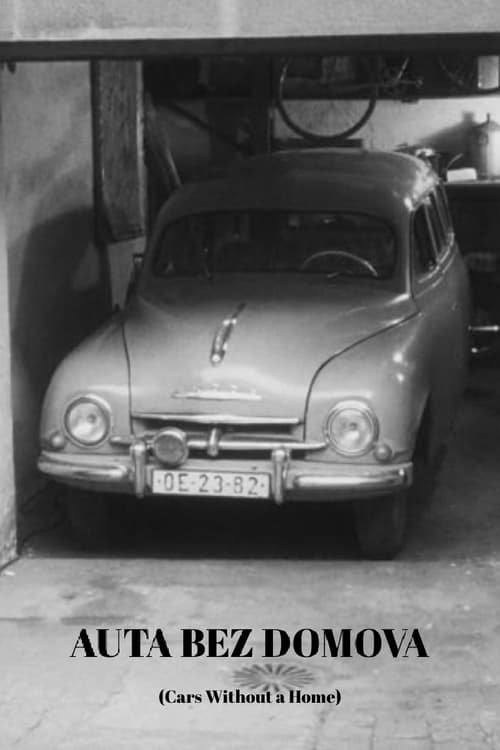
Jan Schmidt and Pavel Juráček turn their attention to the problem of Czechoslovakia's unloved cars in this whimsical documentary short.
This documentary is featured on the two-disc Chaplin Collection DVD for "The Kid" (1921), released in 2004.