No Cast found.
An exploration —manipulated and staged— of life in Las Hurdes, in the province of Cáceres, in Extremadura, Spain, as it was in 1932. Insalubrity, misery and lack of opportunities provoke the emigration of young people and the solitude of those who remain in the desolation of one of the poorest and least developed Spanish regions at that time.
Megacities is a documentary about the slums of five different metropolitan cities.
During World War I, African-Americans worked on the railroad near Corbin, Kentucky. When whites returned from the war, there was conflict. Whites sought their former jobs and positions in the community. In 1919, a race riot occurred. Whites put the African-Americans on railroad cars and ran them out of town. In Trouble Behind, members of the Corbin community speak out on the issue. The filmmakers also interview former members of the Corbin, which at the time of filming had only one black family. Some Corbin residents express confusion as to why African-Americans don't move back. Others openly use racial epithets. Some young adults seem troubled by the racism, past and present. Others don't.
Shot over the course of 18 months in New York City's Lower East Side, METHADONIA sheds light on the inherent flaws of legal methadone treatments for heroin addiction by profiling eight addicts, in various stages of recovery and relapse, who attend the New York Center for Addiction Treatment Services (NYCATS).
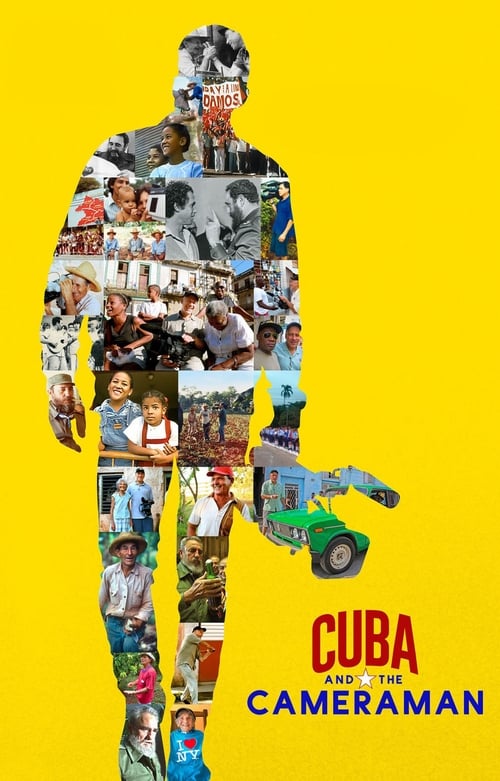
This revealing portrait of Cuba follows the lives of Fidel Castro and three Cuban families affected by his policies over the last four decades.
A look at the rampant HIV epidemic rate in Swaziland.
Chennu committed his first crime when he was 15 years old: being a street kid. And he entered hell: Pademba Road. The adult prison in Freetown. In hell, Mr. Sillah is in charge, and there is no hope. Chennu got out after four years. Now he wants to go back.
Explores the lives of Sara, Gigi and Giovanna, three Latino transvestites who for years have lived on the streets of Manhattan supporting their drug addictions through prostitution. They made their temporary home inside broken garbage trucks that the Sanitation Department keeps next to the salt deposits used in the winter to melt the snow. The three friends share the place known as "The Salt Mines".
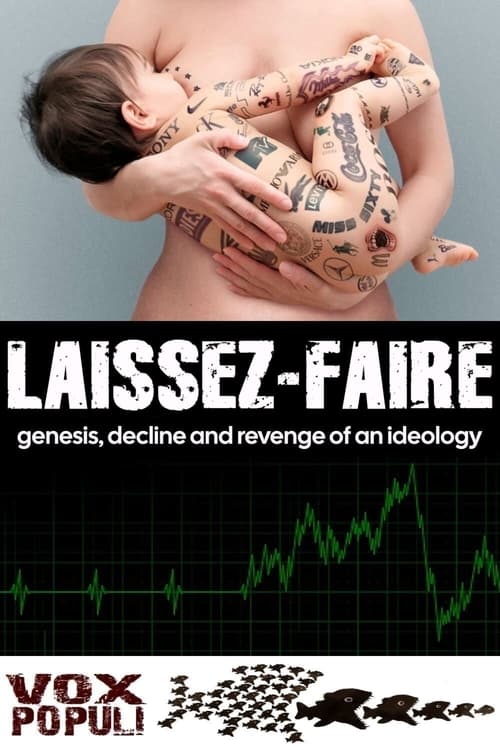
A historical perspective to understand Neoliberalism and to understand why this ideology today so profoundly influences the choices of our governments and our lives.
A drama-documentary film about the fatal effect of poor living conditions on health – the so-called "social inheritance." The principal characters in the film are two fourteen or fifteen-year-old children, Carl and Hanne. Covering a hundred-year period and drawing on case stories recorded by actual hospital staff, the film illustrates a number of variations of "the same old story."
DEBT is the story of a frantic pursuit: the search for the responsible for the televised cry of hunger of Barbara Flores, an eight-year-old Argentinean girl. Buenos Aires, Washington, the IMF, the World Bank and Davos; corruption and the international bureaucratic lack of interest.
J and Jacky are good friends who attend the same school. J is from a single-parent family, and will be taken care by Jacky’s family whenever his mother has to return to Mainland to renew her visa; such kind of story is not an isolated case. These families have been uprooted for a “better future” in Hong Kong, but is this “future” that the children really long to have? A Chinese saying: “How does one understand the joy of fish, if one is not a fish?” Will the adults really understand what the children want?
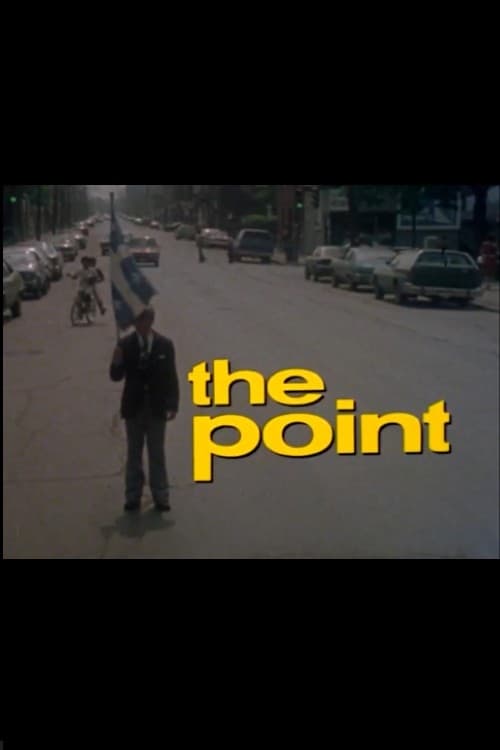
This documentary is a portrait of Point St. Charles, one of Montreal’s notoriously bleak neighbourhoods. Many of the residents are English-speaking and of Irish origin; many of them are also on welfare. Considered to be one of the toughest districts in all of Canada, Point St. Charles is poor in terms of community facilities, but still full of rich contrasts and high spirits – that is, most of the time.
"The prevailing stigmatization of the 'villero' universe is fed back by the images. In order to dismantle this stigmatization, other images must be presented or we need to reveal what the existing ones seek to cover up. The slum is usually represented from a limited and deceitful visual panorama. This representation has an intention. Cinema and television are two image-producing devices that strengthen the stereotypes that we have about the people who inhabit these spaces. And what happens in the field of painting? Do clichés reign there too? This visual essay seeks to confront various works by national painters and sculptors, belonging to the Palais collection, with the kinetic images of current cinema and television, to reflect on both the differences and the similarities in the meanings and discourses that both regimes of images can produce." César González
The faces, the gestures and speech of beggars, madmen and revelers passing through the streets of São Paulo. The sounds and images are illustrated with Frantz Fanon extracts.
Upon his release from prison, an ex-convict returns to his beloved city of Genoa, and to his lover.
The End of Poverty? asks if the true causes of poverty today stem from a deliberate orchestration since colonial times which has evolved into our modern system whereby wealthy nations exploit the poor. People living and fighting against poverty answer condemning colonialism and its consequences; land grab, exploitation of natural resources, debt, free markets, demand for corporate profits and the evolution of an economic system in in which 25% of the world's population consumes 85% of its wealth. Featuring Nobel Prize winner Amartya Sen and Joseph Stiglitz, authors/activist Susan George, Eric Toussaint, Bolivian Vice President Alvaro Garcia Linera and more.
Over 300,000 children were given food aid in the UK last year. While politicians argue about why so many kids are experiencing food poverty, we ask the children themselves to tell us why they think the cupboards are bare.
The degenerate alcoholics, the men and women of the beaches, themselves speak openly about their lives and problems. Through their stories, a picture emerges of those on the periphery of society who succumbed to alcohol because of war or difficult living conditions. They are aware of their own State; reason is still there, but the Will is lacking. The film is a cry for help on behalf of humans, it is a dispassionate and honest description of the position of degenerate alcoholics in Finnish society in the early 1970s.
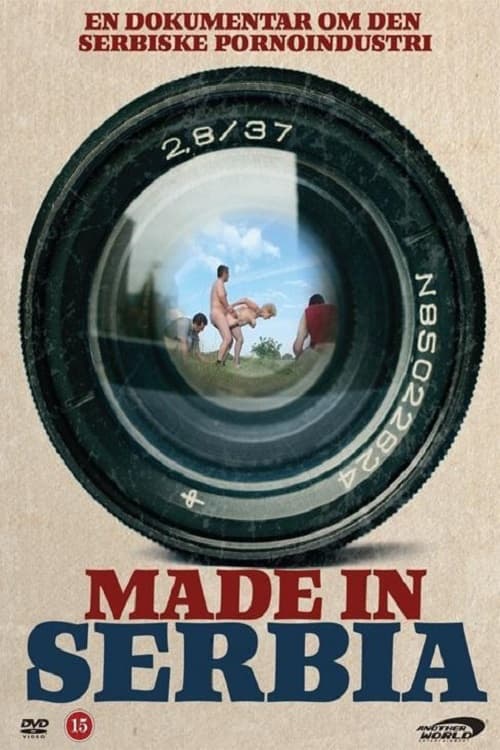
MADE IN SERBIA portrays the Serbian video porn industry by presenting four life stories of domestic porn actors. Unlike their Western counterparts, these people work in porn industry in order to survive and obtain basic life supplies. The film follows the young hot shot porn star who travels to a shoot in Hungary, a bisexual actor who visits hometown, a 40 year old actress that invites her husband into the porn business and a peasant who became a local legend thanks to working in porn industry. The whole story is framed within one young man's search for the long lost girl who appears to have entered the world of porn. He shoots the documentary in order to find her.
No Trailers found.