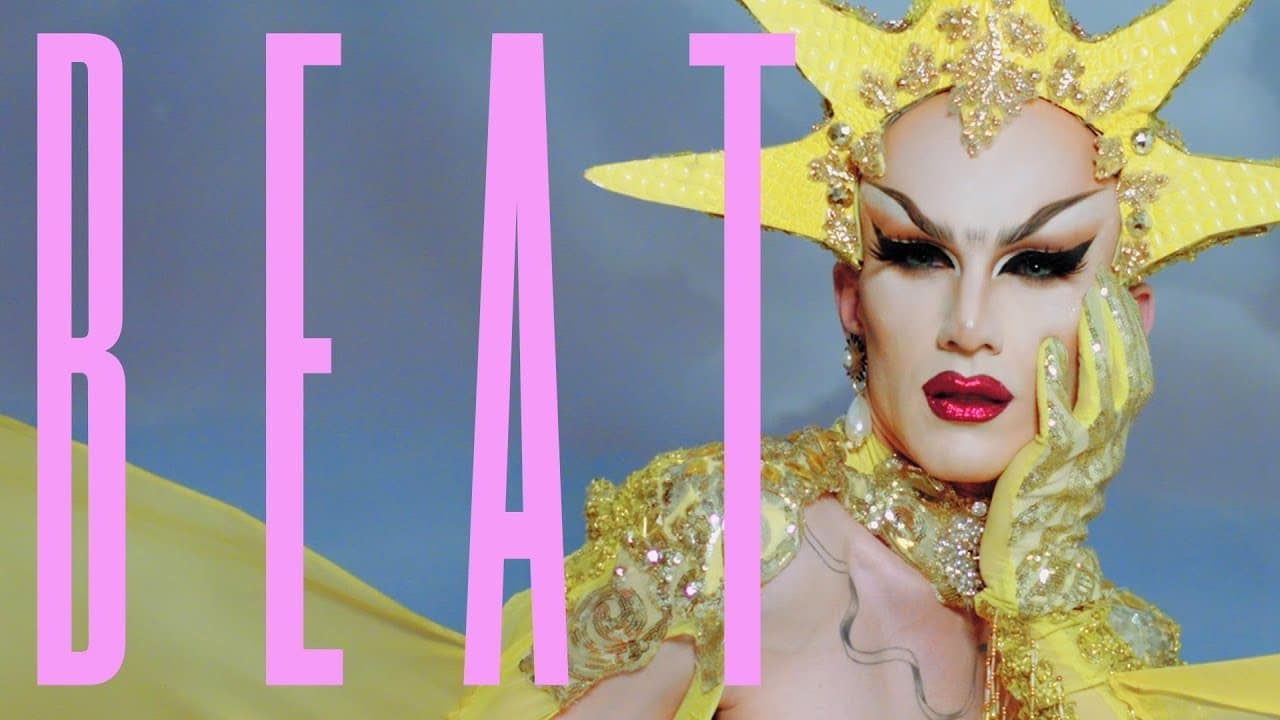
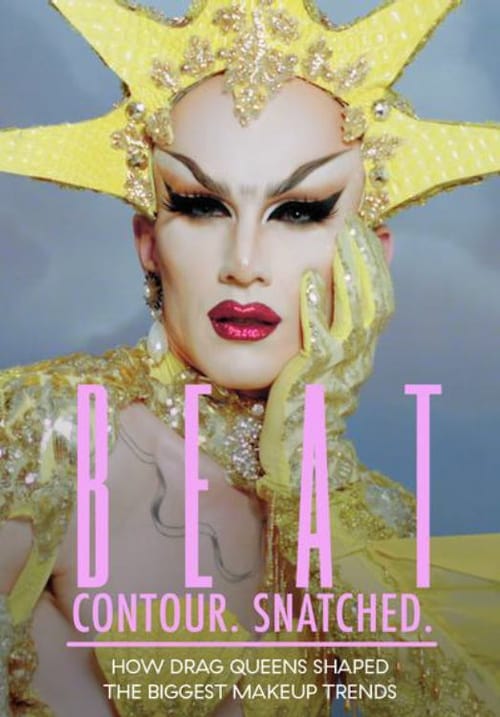
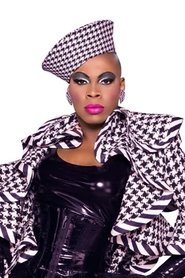
How drag queens sharing tips and tricks in dressing rooms shaped the face of today’s mainstream makeup industry.
No Trailers found.
Filmmaker Jonathan Caouette's documentary on growing up with his schizophrenic mother -- a mixture of snapshots, Super-8, answering machine messages, video diaries, early short films, and more -- culled from 19 years of his life.
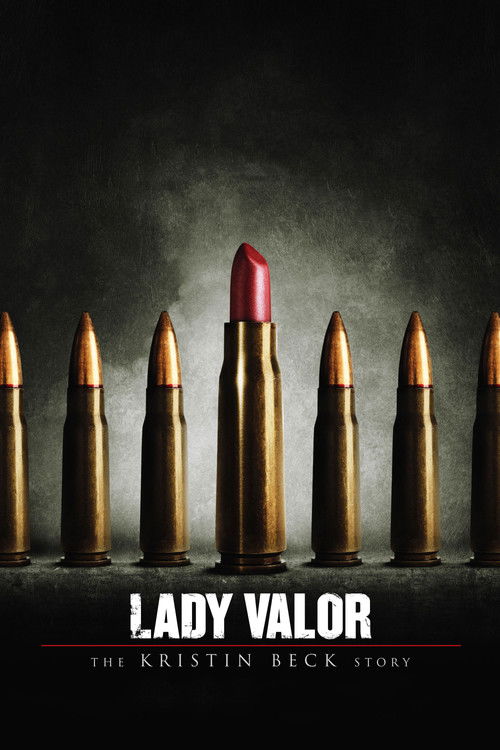
A former U.S. Navy Seal seeks life, liberty and the pursuit of happiness living life as a transgender woman.
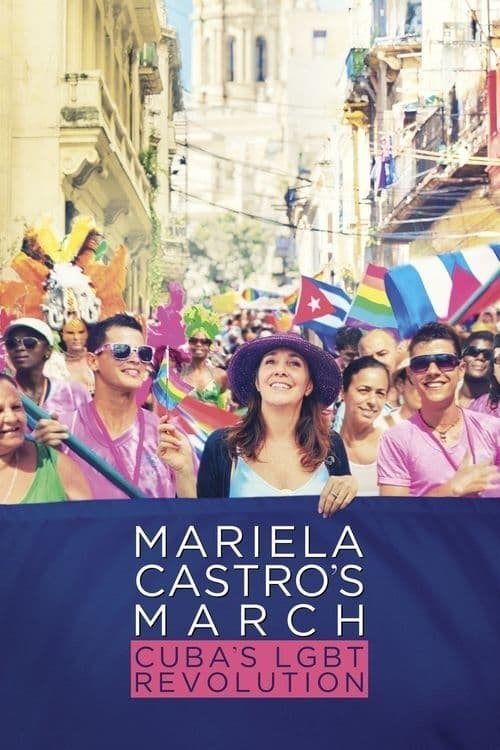
A rare look inside Cuba’s LGBT community, this compelling film follows the efforts of Mariela Castro, daughter of President Raúl Castro, as she champions LGBT social reforms and acceptance of diversity.
"Race d’Ep!" (which literally translates to "Breed of Faggots") was made by the “father of queer theory,” Guy Hocquenghem, in collaboration with radical queer filmmaker and provocateur Lionel Soukaz. The film traces the history of modern homosexuality through the twentieth century, from early sexology and the nudes of Baron von Gloeden to gay liberation and cruising on the streets of Paris. Influenced by the groundbreaking work of Michel Foucault on the history of sexuality and reflecting the revolutionary queer activism of its day, "Race d’Ep!" is a shockingly frank, sex-filled experimental documentary about gay culture emerging from the shadows.
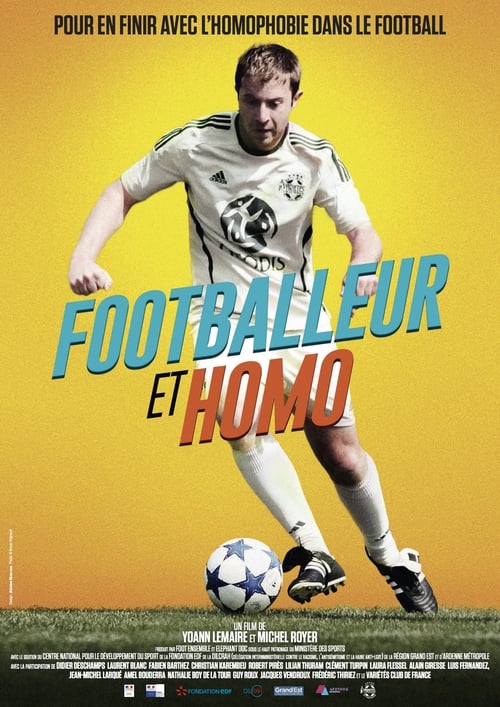
Ah the sweet atmosphere of the football stadiums and its language more flowery than the gardens of Babylon!… As if these gentlemen, whether they are supporters or players, have a concern with their masculinity. Some might say it's part of folklore, but in reality it's not a party for everyone. Yoann Lemaire, former Ardennes footballer, paid the price in 2010 when his club dismissed him following his coming out. Since then, he has campaigned to lift the great taboo against homosexuality in football, and sport in general. Between testimonies and interviews on the ground, the director Michel Royer, nine years after Sport and Homosexualities, is making a film wishing to reflect the work of a militant man to free speech, change mentalities and add colors to the flag " Black, White, Arab ".
After an unlikely casting onto a reality television show, 47-year old suburban telemarketer Ed Popil leaves his job to pursue a full-time entertainment industry career as his drag queen alter ego, 1960’s era housewife Mrs. Kasha Davis.
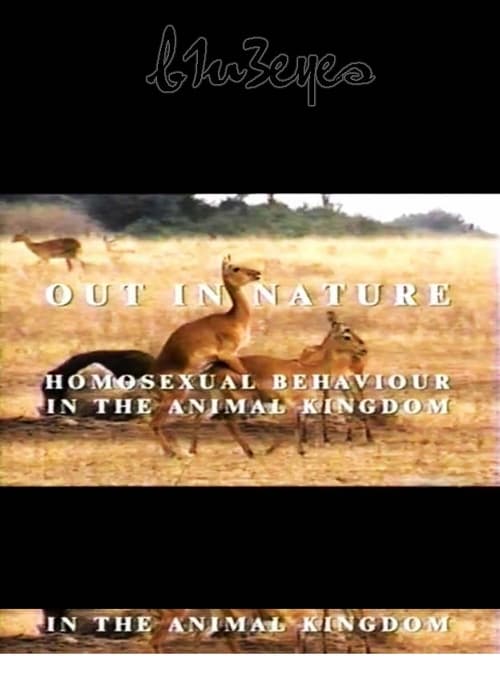
Can any of those who claim homosexuality is "unnatural" explain this beastly behaviour?
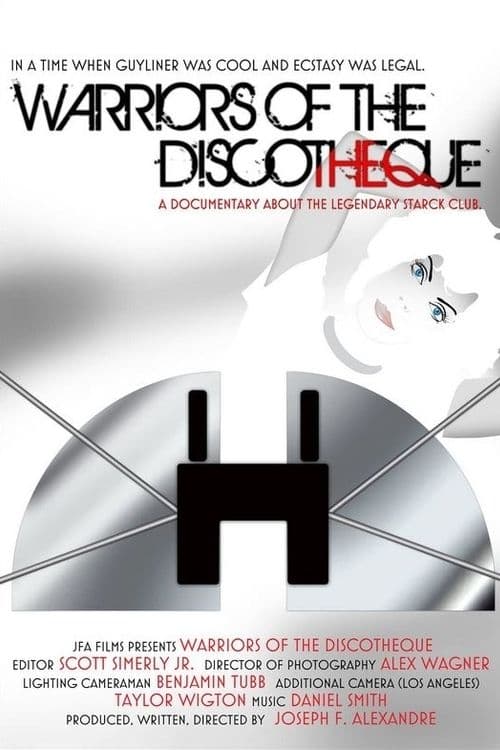
The place is the notorious Starck Club (so called because it was the first major project designed by Philippe Starck in the US.) The Starck Club opened in Dallas in 1984 and not long after hosted the 1984 national Republican Convention. Ironically, it was actually legal to buy MDMA aka ecstasy there, people would put it on their credit cards. The DEA stepped in and made it a category 1 drug on July 1, 1985... In a time when ecstasy was legal & guyliner was cool.
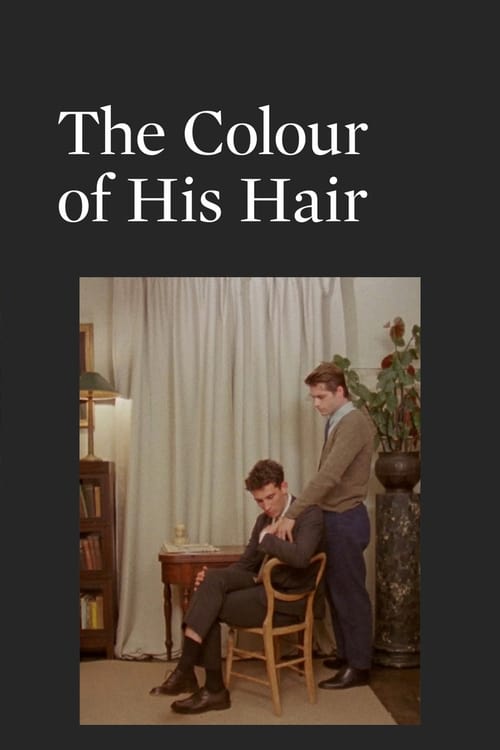
Based on an unrealized film script written in 1964 for The Homosexual Law Reform Society, a British organisation that campaigned for the decriminalization of homosexual relations between men, "The Colour Of His Hair" merges drama and documentary into a meditation on queer life before and after the partial legalization of homosexuality in 1967.
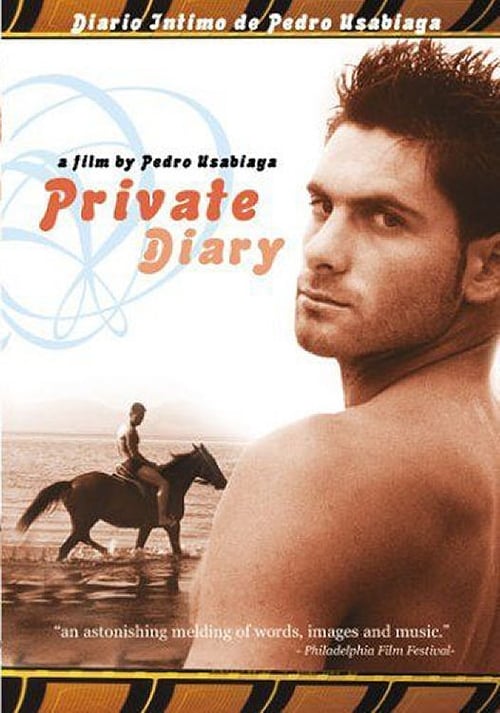
Private Diary documents photographer Pedro Usabiaga working with a variety of amateur models. The audience sees how the relationships between the photographer and the subjects changes during their time together, as well as how the individual photographs begin to take shape. Pedro Usabiaga is a well-established Basque photographer whose chief concerns are figurative photography and whose passion in photographing the Spanish male. In this hour long conversation with the artist we are given entry into that process of selecting models (none of the models he uses for this book to be titled 'Private Diary' are professional, but instead are randomly chosen as Usabiaga observes athletes in action) and then allowed to follow Usabiaga and his crew as they photograph these men in natural settings and natural light.
The original documentary on the Wigstock festival, back in the day when it was a much smaller affair in Thompkins Square Park. A full day of peace, love, and wigs…
This beautiful and poignant film was commissioned by TENI (Transgender Equality Network Ireland) and is a conversational piece which explores gender identity and transgender experiences in Ireland.
In the spotlight of global media coverage, the first transgender woman ever to perform as Don Giovanni in a professional opera, makes her historic debut in one of the reddest states in the U.S.
A documentary about the lives of six transgender women in post-Franco Spain.
A Boy Named Sue chronicles the transformation of a transsexual named Theo from a woman to a man over the course of six years. Following Theo's physiological and psychological changes during the process, as well as their effects on his lesbian lover and community of close friends, A Boy Named Sue tells a story about gender identity, relationships, and how even things that seem permanent can change.
In more repressed times, Carmen was one of NZ's most colourful and controversial figures. Geoff Steven's doco traces the life story of the transgender icon who was born in Taumarunui in 1936 and went on to be a dancer, sex worker, madam, cafe owner — and one of the few non-MPs to appear before the Privileges Committee.
The Untold Tales of Armistead Maupin celebrates one of the world’s most beloved storytellers, following his evolution from a conservative son of the Old South into a gay rights pioneer whose novels inspired millions to reclaim their lives.
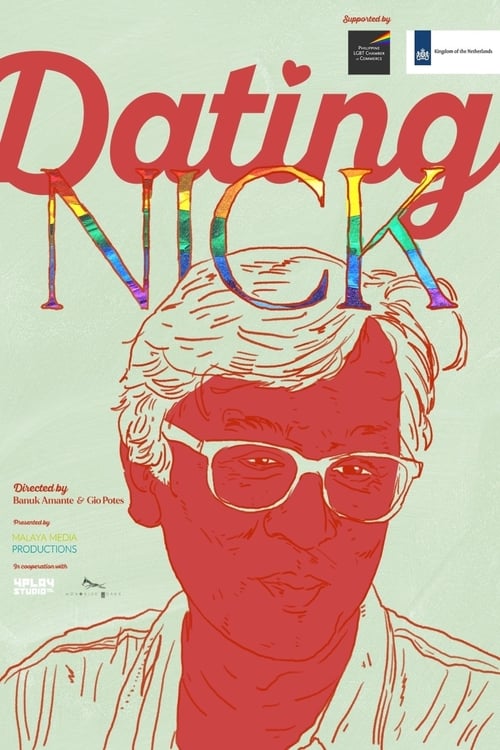
Nicolas Deocampo--a prominent Filipino filmmaker, academic, historian and activist--goes down memory lane in this intimate vignette and paints through his piercing poetry and gripping visual images—the wins of the LGBTQIA movement as he retells his own struggle in finding love and belonging.
Aside from being the brains of Filipino lesbian anthology Tibok, The Heartbeat of the Filipino Lesbian back in 1998, Anna Leah remains to be a strong force in the women’s and LGBT movement up to this day. She held several leaderships positions and has founded various organizations and platforms that empower women, the youth and LGBT. She is also a super mom to her kids and a cool grandma to her grandchildren.
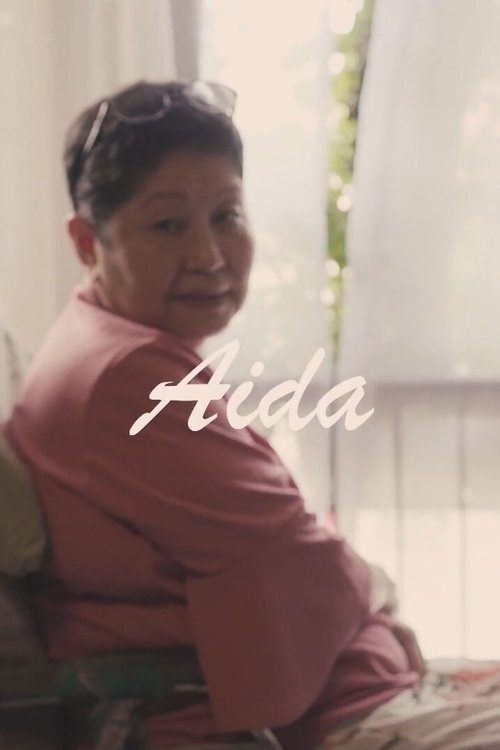
Aida Santos Maranan is a poet, writer, teacher, feminist and NGO worker. In 1983, she co-founded the Katipunan ng Kababaihan para sa Kalayaan (KALAYAAN), one of the first feminist groups in the country, and other women's groups and initiatives. Aida was Imprisoned during the martial law years and remains active in human rights activism.