No Cast found.
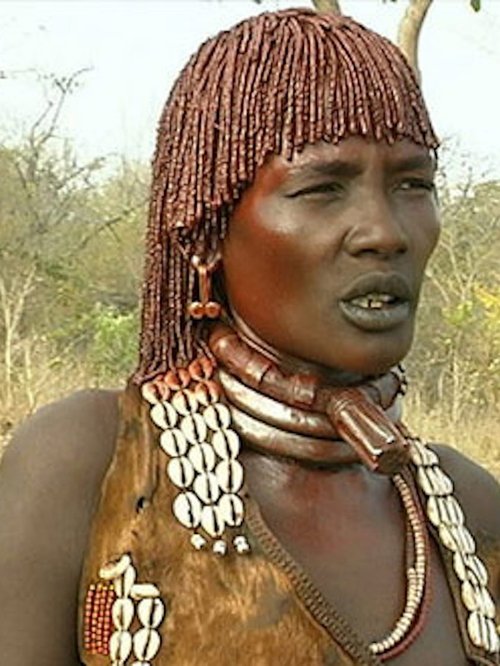
A celebration of the diversity of Ethiopia's culture and wildlife. It journeys from North to South - spanning mountains, rainforests and the hottest place on Earth. It documents Muslims mixing with Christians as they have for over a millennia and the 'honey people' of the forest, filmed here for the first time. Visually stunning and unsentimental, this is Ethiopia as you've never seen it before.
The inside story of the bitter clash between President Obama and Israeli Prime Minister Netanyahu. Amid violence in the Middle East, the film traces Netanyahu's rise to power and his high-stakes fight with the president over Iran's nuclear program.
Tehran, Iran, August 19, 1953. A group of Iranian conspirators who, with the approval of the deposed tyrant Mohammad Reza Pahlavi, have conspired with agents of the British MI6 and the US CIA, manage to put an end to the democratic government led by Mohammad Mosaddegh, a dramatic event that will begin the tragic era of coups d'état that, orchestrated by the CIA, will take place, over the following decades, in dozens of countries around the world.
Turkey's history has been shaped by two major political figures: Mustafa Kemal (1881-1934), known as Atatürk, the Father of the Turks, founder of the modern state, and the current president Recep Tayyıp Erdoğan, who apparently wants Turkey to regain the political and military pre-eminence it had as an empire under the Ottoman dynasty.
BBC's Simon Dring's film focuses on the EPLF, Eritrean People's Liberation Front, which is battling Ethiopian forces. The film includes interviews with Ali Sayed, EPLF head of foreign missions, and Mohammed Ramadan Nour, General Secretary.
An intimate look inside the immigrant community in Portland, Maine, as told by Nyamuon Nguany Machar who arrived as refugee in 1995 and David Zwalita Mota who came as an asylum seeker in 2019.
No overview available.
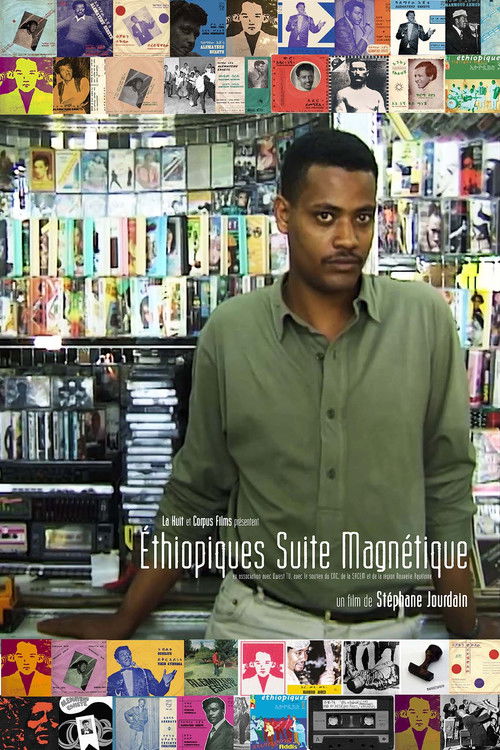
Dazzled by the surrealist movement, Francis Falceto decided at the age of 17 to live an extraordinary life. In the 1980s, co-created l'Oreille est Hardie and Le Confort Moderne in Poitiers, leaving his mark on French underground culture. A record he discovered by chance opened another important chapter in his life: Ethiopian music, of which he became a great champion. "Ethiopiques Magnetic Suite" is the portrait of a discreet and essential man, a plunge into the counterculture, an invitation to live his his life.
Documentary about the Aral sea. Part of a film series which explores new social conditions in regional-cities which are going through inescapable geopolitical changes.
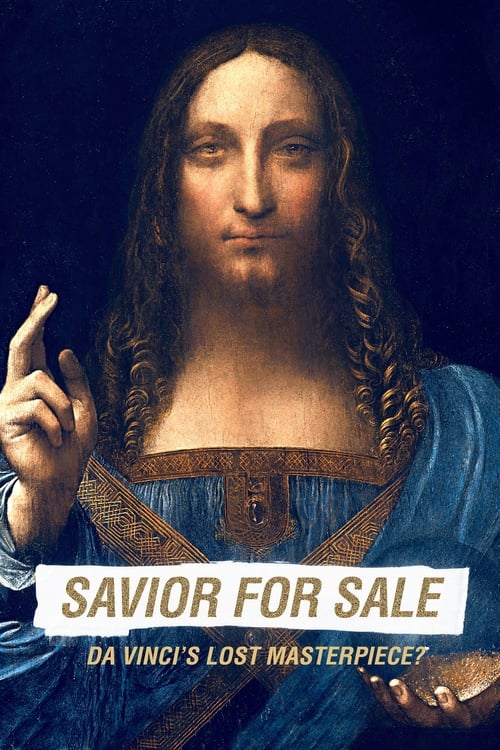
In November 15, 2017, the painting Salvator Mundi, attributed to Italian artist Leonardo da Vinci (1452-1519), was sold for an unprecedented $450 million. An examination of the dirty secrets of the art world and the surprising story of how a work of art is capable of upsetting both personal and geopolitical interests.
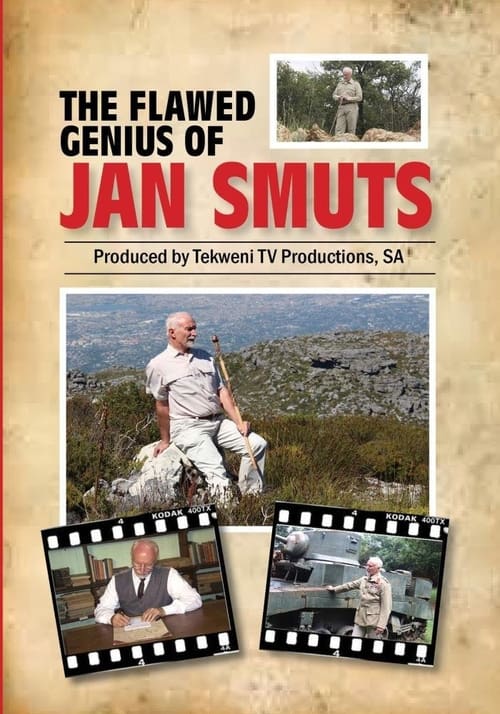
Jan Smuts is a foremost political figure in South African 20th Century History, and is recognised today by two of the world's leading historians as being at the very centre of the vision for a new world order that emerges from the League of Nations and the United Nations.. Yet, he is virtually persona non grata in his own country.... and largely ignored in school history books. This one hour drama-documentary, with its dramatised cameo scenes in which his look-alike grandson takes on the role of Jan Smuts, battle re-enactments, historical archival footage, comments from historians, political analysts, and South African political struggle heroes, looks back on his life and the circumstances that shaped it in search of some answers.
"A Walk to Beautiful" tells the story of five women in Ethiopia suffering from devastating childbirth injuries. Rejected by their husbands and ostracized by their communities, these women are left to spend the rest of their lives in loneliness and shame. The trials they endure and their attempts to rebuild their lives tell a universal story of hope, courage, and transformation.
The armies of Fascist Italy conquered Addis Ababa, capital of Abyssinia, in May 1936, thus culminating the African colonial adventure of the ruthless dictator Benito Mussolini, by then lord of Libya, Eritrea and Somalia; a bloody and tragic story told through the naive drawings of Pietro Dall'Igna, an Italian schoolboy born in 1925.
When a group of Eritrean refugees arrive in the small town of Härnösand there is a growing sentiment against them from the locals. 17-year old Sara Westin decides to found an anti-racist group to combat these feelings but when Sara and her best friend are murdered by Sara's Eritrean ex-boyfriend the feelings in the city reach a boiling point.
Haile Gerima and Ryszard Kapuscinski travel around Ethiopia talking to people about their current situations and what needs to be done for a prosperous country.
When two women with a video camera follow an HIV research team to Eritrea, Africa, they find a strange and magical country which transforms their documentary into an intimate investigation of their own capacities to love, suffer and forgive.
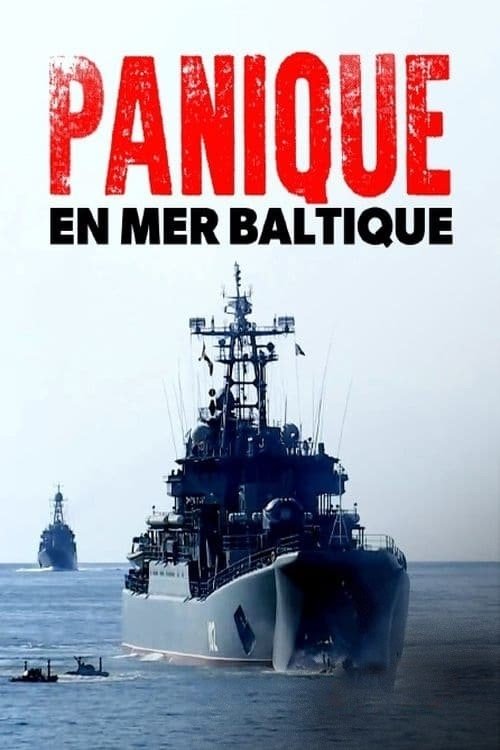
After the end of the Cold War, the Baltic was viewed almost as a quiet backwater. A nice place to visit to see charming Hanseatic cities and sandy beaches. But since the war in Ukraine the Baltic sea, bordered by eight European Union countries as well as Russia, has become a hot spot of world geopolitics. And tensions are high.
No Trailers found.