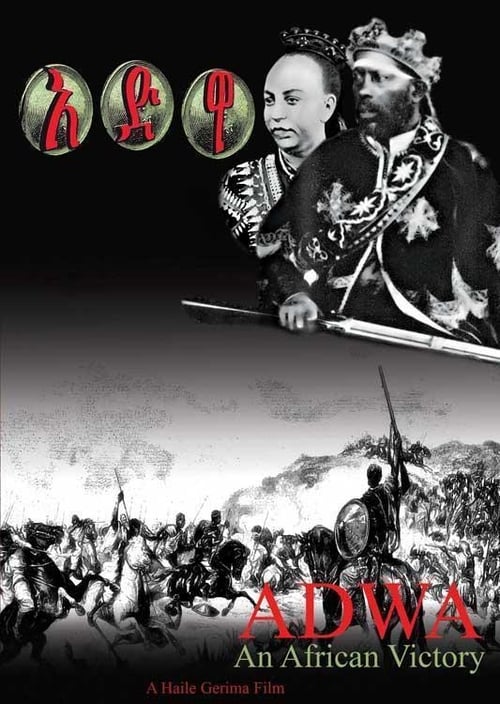
In 1896, Ethiopia, an African nation, largely armed with spears and knives, defeats a well-equipped and organized Italian military bent on colonization.
No Cast found.
No Trailers found.
No overview available.
This 1944 black and white silent film provides brief glimpses of the lifestyle among Kenya's white/European settlers during the Second World War.
The James Brown Story
At America's elite MIT, a Ghanaian alum follows four African students as they strive to graduate and become agents of change for their home countries Nigeria, Rwanda, Tanzania, and Zimbabwe. Over an intimate, nearly decade-long journey, all must decide how much of America to absorb, how much of Africa to hold on to, and how to reconcile teenage ideals with the truths they discover about the world and themselves.
With a forensic lens, Onyeka Igwe's A So-Called Archive interrogate the decomposing repositories of Empire. Blending footage shot over the past year in two separate colonial archive buildings - one in Lagos, Nigeria, and the other in Bristol, United Kingdom - this double portrait considers the 'sonic shadows' that colonial images continue to generate, despite the disintegration of the memory and their materials. It mixes the genres of the radio play, the corporate video tour and detective noir, with a haunting and critical approach to the horror of discovery.
Kandia "the gold voice of Manding", is the nickname given to Ibrahima Sory Kouyaté (1933 - 1977), which was the emblematic singer of independent Africa.
Montezuma is a 2009 BBC Television documentary film in which Dan Snow examines the reign of the Aztec Emperor Moctezuma II.
The plains of Africa have always been a hotbed of predator action, but lurking in its rivers is perhaps its most elusive killer: the Goliath tigerfish. Legends say they are man-eaters, that even crocodiles fear them. Locals call them "demon fish" but angling legend Andy Coetzee calls them something else: an obsession. He dives into the predator-infested Okavango Delta and the treacherous Congo River on a mission to finally land what is considered to be the hardest fish in the world to catch.
Guillermo Gómez Álvarez explores the identity politics of Puerto Rico via archival footage from various sources that clash with nine original songs from local independent musicians and a thematic analysis from a psychoanalyst and a historian. From the juxtaposition the absurd becomes coherent and the coherent becomes absurd as Puerto Rican identity is defined and rejected almost simultaneously.
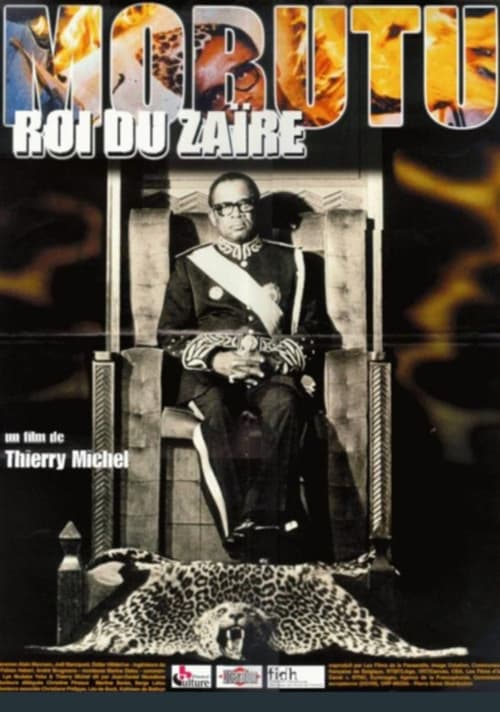
This film is the result of more than two years of work tracking down archive material and witnesses close to Mobutu in Africa, Europe and the U.S. More than 950 hours of footage have been seen by the world. Among the 104 hours selected as the basis for this film, are 30 hours of archives recently discovered in Kinshasa and never before released. Completing these exceptional documents, are more than 50 hours of interviews with those close to the former president and the events surrounding his reign, conducted by the director in Kinshasa, Brussels, Paris and Washington. Like a vast historical puzzle, this film pieces together the tragic history of a country, and its self-styled leader - the dictator, Mobutu Sese Seko, "King of Zaïre".
Documentary footage of a parade in Antwerp celebrating the annexation of Congo to Belgium.
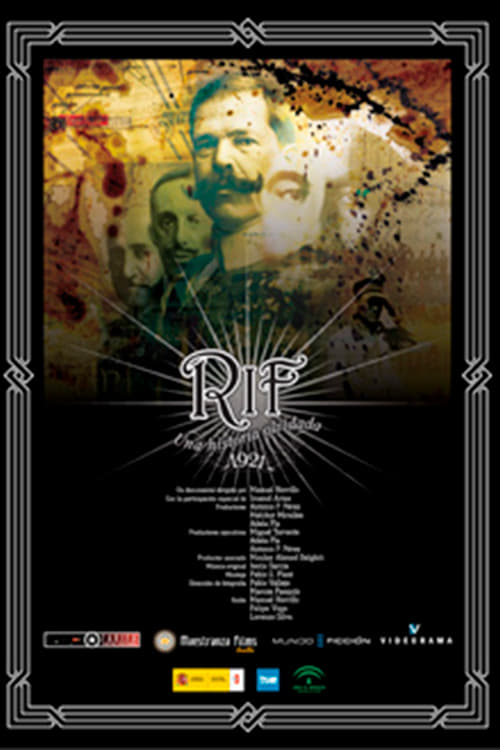
Manuel Horrillo has visited for 7 years the fields where the clashes between the Spanish troops and the rebels of the protectorate took place during the so-called Rif War, a forgotten war of the Spanish collective imaginary.
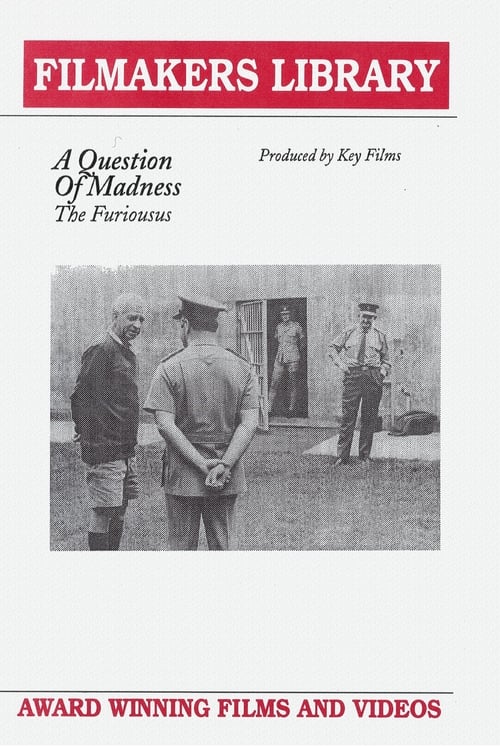
In Capetown, South Africa, in September 1966, Prime Minister Hendrik Verwoerd, the architect of apartheid, was stabbed to death in Parliament. The course of South African history was changed by the assassin, Dimitri Tsafendas, who was written off as mad and condemned to twenty-eight years of imprisonment. A Question of Madness tells the extraordinary human story of a man, born of a black mother, but classified white, who travelled the world in hopeless search of sanctuary - eventually returning to the land of apartheid to wreak vengeance on the one who symbolized the racism which had haunted his life.
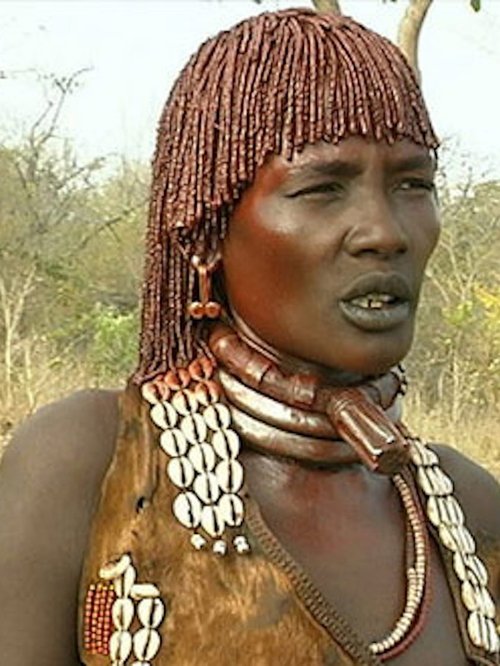
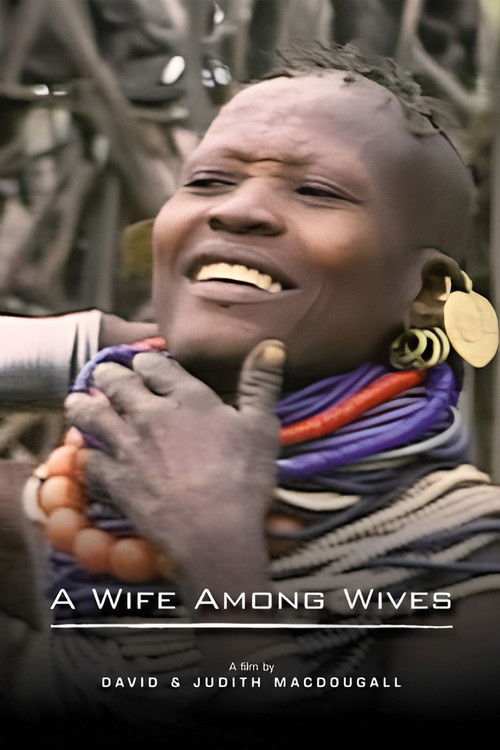
David and Judith MacDougall are exploring the marriage rituals and roles of Turkana women in this ethnographic documentary. The film's biggest part is taken up by talks between the Turkana people. As one of the first ethnographic documentaries "A Wife Among Wives" subtitles these talks so that the viewer can get a better and probably more personal understanding of the life of the Turkana.
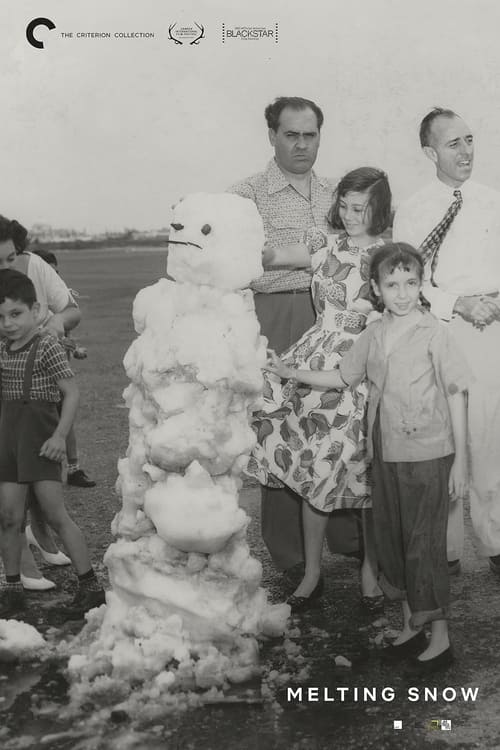
Two tons of snow—flown from New Hampshire to Puerto Rico in 1952 in order to “gift” Puerto Ricans a “white Christmas”—become a metaphor for the colonialist paternalism of America’s relationship to Puerto Rico.
It's war. War against an invisible enemy that is not as deadly as we are told. The world is changing rapidly. Disproportionate measures are taken worldwide that disrupt society as a whole. A dichotomy in society forced vaccinations and restrictions on freedom. Have we had the worst? Or is there something more disturbing to awaiting us.
The destiny of women is irrevocably linked to blood. Between tradition and modernity, the female body has been marketed, honored, and mutilated.
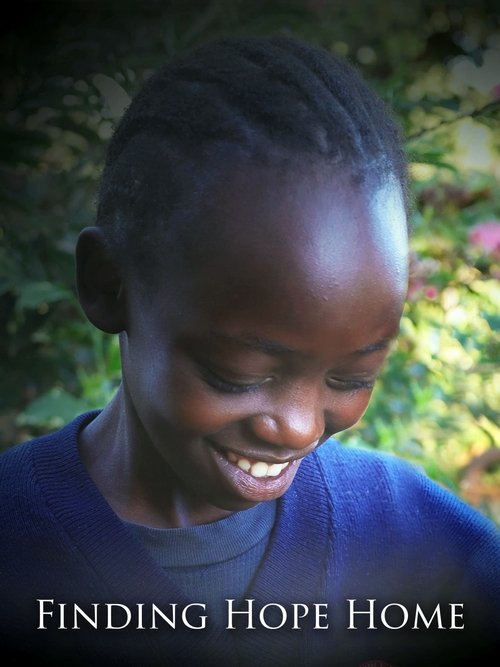
The story of Pastor Lucy and her husband Duncan Ndegwa, who began feeding and sheltering children from the streets of Nairobi, Kenya in 1996.
Across Africa, people are using soccer to lift themselves up, to create change in their communities and to pave the way for progress. "The Beautiful Game" follows several unforgettable Africans who are beating the odds on and off the pitch.