It's Not About Them. It's About Us.
The film offers a comprehensive examination of the exploitation of animals in modern society.
Trailer
Narrator (voice)
Guinea Pig Diaries is an unfiltered look into the lives of guinea pigs and the people who adore them, breed them, show them, and rescue them.
In this filmic comment on Fascist ideology - which uses footage from the recently discovered archives of Luca Comerio - invisible hands push captive animals to fight among themselves.
A collective project empowering people to speak up for the stories of farmed animals, with footage from 10+ countries, to raise awareness about the unnecessary suffering those animals go through every day, telling their intimate and truthful story.
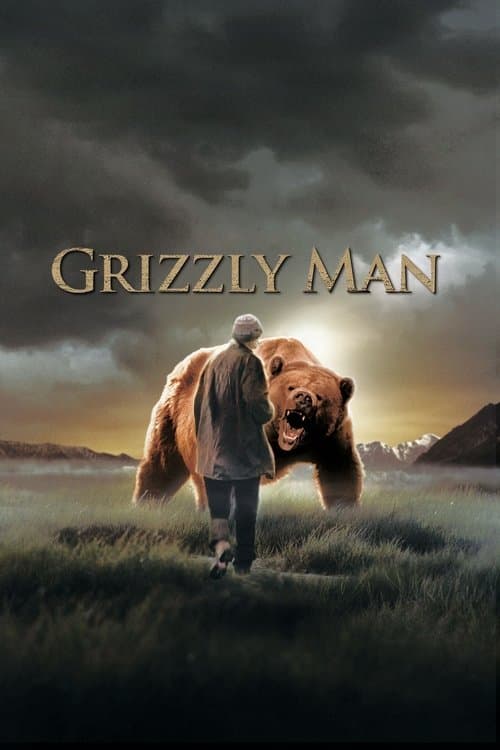
Follows the story of "Grizzly Man" Timothy Treadwell and what the thirteen summers in a National Park in Alaska were like in his attempt to protect the grizzly bears. The film is full of unique images and a look into the spirit of a man who sacrificed himself for nature.
Every year, thousands of Antarctica's emperor penguins make an astonishing journey to breed their young. They walk, marching day and night in single file 70 miles into the darkest, driest and coldest continent on Earth. This amazing, true-life tale is touched with humour and alive with thrills. Breathtaking photography captures the transcendent beauty and staggering drama of devoted parent penguins who, in the fierce polar winter, take turns guarding their egg and trekking to the ocean in search of food. Predators hunt them, storms lash them. But the safety of their adorable chicks makes it all worthwhile. So follow the leader... to adventure!!
This documentary film focuses on the animal life that survives in this harsh arctic climates at the edge of the ice - from the simple algae to narwhals, polar bears, sea birds, seals, whales and walruses.
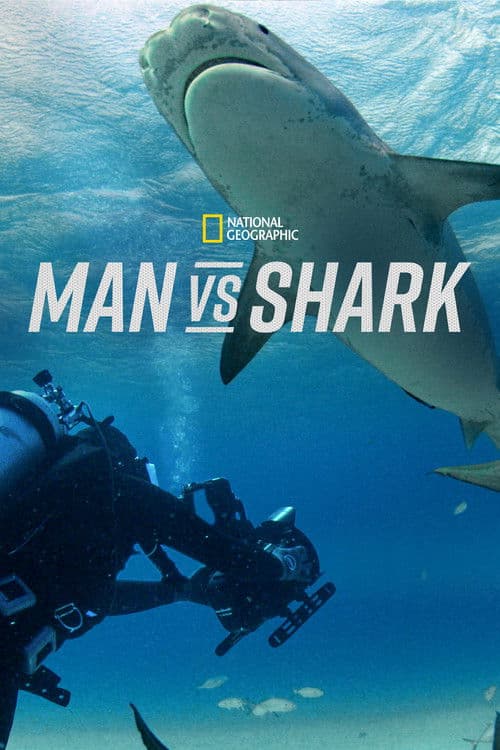
40 years after inventing armored suits that protect divers from attacks by smaller shark species of sharks, marine biologist, Jeremiah Sullivan, faces off against hungry hammerheads and deadly tiger sharks to measure their bite force, body strength and ability to chew through his advanced materials before creating new armor he’ll test by putting himself inside the devastating jaws of a 14-foot tiger shark.
Travel around the globe to some of the best zoos, which are striving to fill a new role that relates directly to environmental education.
In a country that prides itself on democracy, a group of activists, known for chalking messages and holding signs, faces a terrifying escalation: repression so severe that their right to speak freely becomes their last, desperate stand.
The undertaking of an enthusiastic group of scientists to transform an indoor cycle racing-track built for the 1968 Montréal Olympics into an ecological park. The Biodôme of Montréal contains 4 ecosystems of the 3 Americas, from the Tropical Forrest to the Polar World, from the Laurentian Forrest to the St-Lawrence Marine Environment.
Passionate about ocean life, a filmmaker sets out to document the harm that humans do to marine species — and uncovers an alarming global conspiracy.
Laika, a stray dog, was the first living being to be sent into space and thus to a certain death. A legend says that she returned to Earth as a ghost and still roams the streets of Moscow alongside her free-drifting descendants. While shooting this film, the directors little by little realised that they knew the street dogs only as part of our human world; they have never looked at humans as a part of the dogs’ world.
Ed is commissioned to make a documentary intending to change those habits of society that are harmful to animals. But completely alien to the animal protection movement, he will realize that to carry out the project, he must first convince himself.
Ashes and Snow, a film by Gregory Colbert, uses both still and movie cameras to explore extraordinary interactions between humans and animals. The 60-minute feature is a poetic narrative rather than a documentary. It aims to lift the natural and artificial barriers between humans and other species, dissolving the distance that exists between them.
A docu-comedy about three neo-hippies from Berlin who move to a farm in Poland to be closer to nature. They meditate, practice acroyoga and shower in the garden. The villagers consider them complete eccentrics.
This film takes us on an emotional journey from sacred ground above Byron Bay to Antarctica, Indonesia to Pakistan, and is sure to light a fire under the strongest climate change denier. THE POWER OF ACTIVISM focuses on six highly spirited female activists as they are put under the microscope to ascertain the financial impact of their environmental solutions… and the results are astonishing. From shark conservation to indigenous practices, intensive farming to plastic pollution; all their ‘causes' fall under the umbrella of "climate change", but they should also fall under the umbrella of "saving tax payers hundreds of millions of dollars!”
Our love affair with dolphins began with 'Flipper' and ended in a multi-million dollar industry of abuse. From the dazzling sea shows where dolphins are driven to suicide, to an annual dolphin slaughter in a small cove in Japan, 'Saving Flipper' reveals the nightmare behind the dolphin's indelible smile.
In a world where farming is mechanized and farm animals are fed with products coming from across the globe, a young shepherd is trying to keep his practice sustainable by using ancestral ways to raise his flock.
No overview available.
An epic story of adventure, starring some of the most magnificent and courageous creatures alive, awaits you in EARTH. Disneynature brings you a remarkable story of three animal families on a journey across our planet – polar bears, elephants and humpback whales.