No Cast found.
No Trailers found.
No overview available.
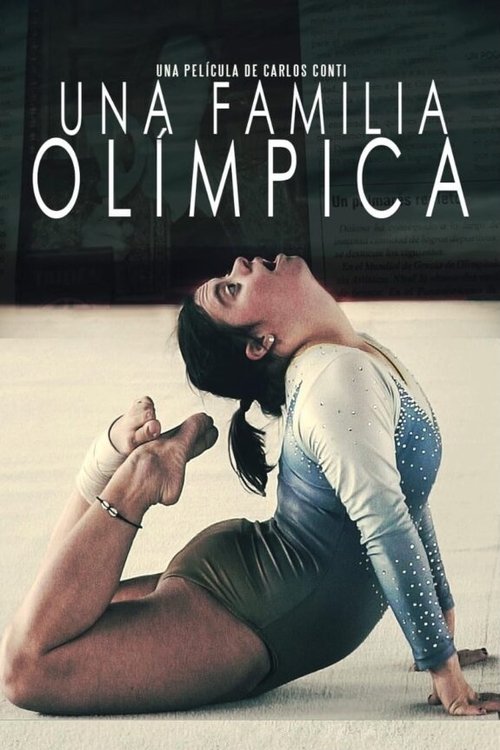
The story of Florida gymnast Daiana Casella, who, along with her family and teacher, overcame the obstacles that Down syndrome could put in her way. In addition to her training and preparation for future competitions, Daiana works as an artistic gymnastics teacher for a large number of children with whom she maintains a very special relationship. During the making of the film, Daiana is training for the Berlin 2023 Special Olympics, an event that will conclude her athletic career at the Olympic and world levels.
A day in the city of Berlin, which experienced an industrial boom in the 1920s, and still provides an insight into the living and working conditions at that time. Germany had just recovered a little from the worst consequences of the First World War, the great economic crisis was still a few years away and Hitler was not yet an issue at the time.
A Berlin street corner is slowly changing: an aging supermarket turns into a construction site and finally a new building. People restock shelves, demolish walls, take breaks and count money. Those who work here participate in the making and unmaking of the place. How does it shape the conditions of their labor? Between supermarket aisles, construction scaffolding and exposed concrete, different versions begin to overlap. Repetitions appear like echoes between worlds, both playful and eerie.
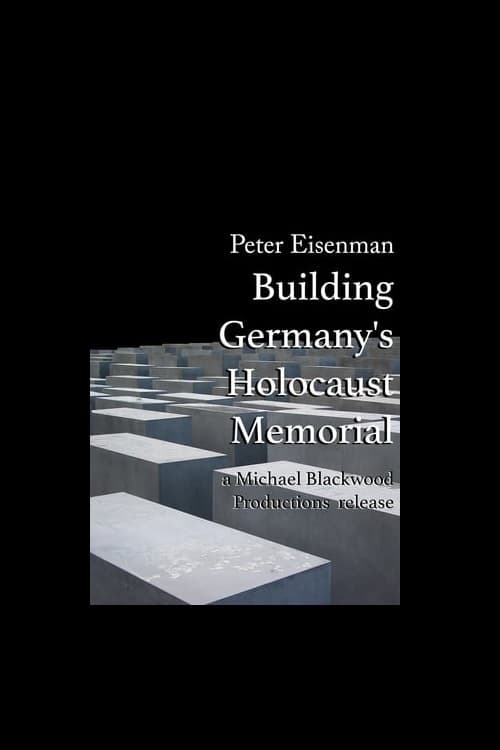
This documentary explores the creation of the Holocaust Memorial in Berlin as designed by architect Peter Eisenman. Reaction of the German public to the completed memorial is also shown.
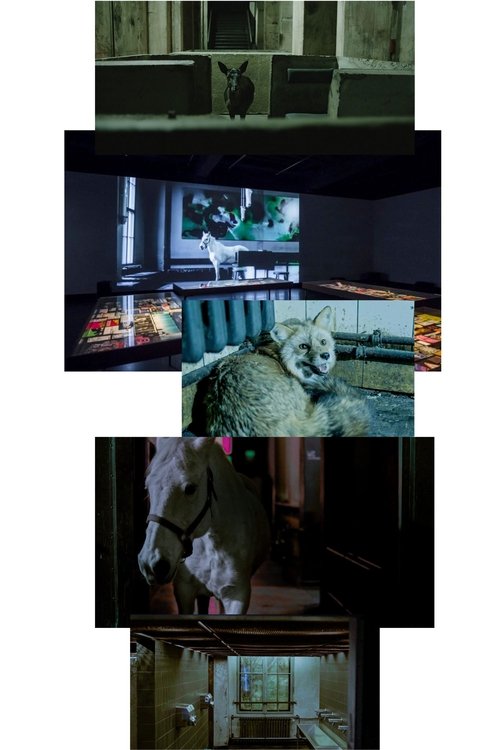
Something strange and unpredictable takes inthe mysteriously vacant rooms of Berlin’s infamous Techno club Berghain. A group of wild animals occupy the monumental spaces of the former power station. We explore the building together with the animals and experience its dimensions from a new, nonhuman perspective. The brutality of the industrial architecture is confronted with the beauty of these shy creatures.
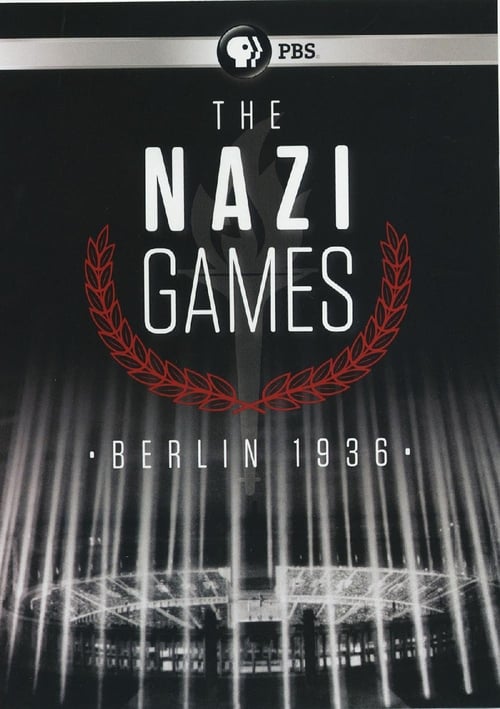
The film chronicles the story of how the Nazis and the IOC turned, to their mutual benefit, a small sports event into the modern Olympics. The grand themes and controversial issues from the 1936 Games have continued to this day: Monumentality, budget overruns, collusion with authoritarian regimes, corruption and sometimes even bribery.
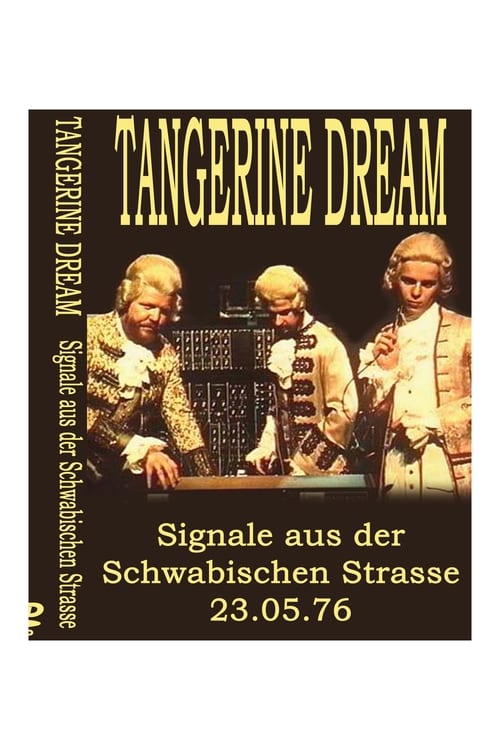
German TV film, also shown on Spanish TV in 1976, this is a film all about TD which includes informal interviews and concert/studio footage, most of which seems to have been done exclusively for the film. The interviews are in the German language. The street name in the title refers to where Edgar Froese used to live in Berlin (apparently Klaus Schulze lived on the same street at the time) and is now the site of the TDI offices.
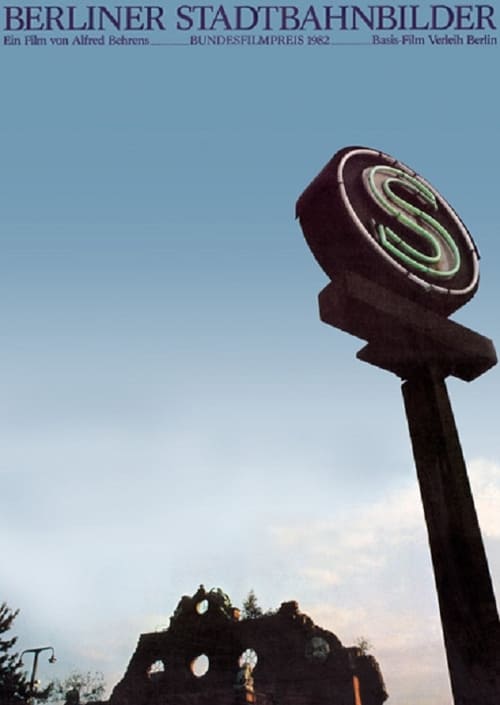
Documentation on the Berlin S-Bahn, which threatened to fall into oblivion as a result of the division of the city.
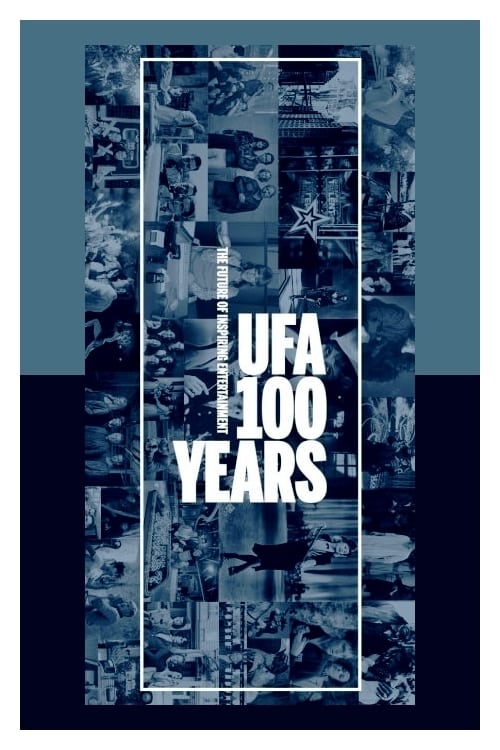
The intricate history of UFA, a film production company founded in 1917 that has survived the Weimar Republic, the Nazi regime, the Adenauer era and the many and tumultuous events of contemporary Germany, and has always been the epicenter of the German film industry.
This documentary shows how the Berliner workers lived in 1930. The director Slatan Dudow shows through images: a) the workers leaving the factory; b) the raise of the rents; c) the "unpleasant" guest, meaning the justice officer that brings the eviction notice; d) the fight of classes of the houses of capitalists and working classes; e) the parks of the working class; f) the houses of the working class, origin of the tuberculosis and the victims; g) the playground of the working class; h) the swimming pool for the working class, ironically called the "Baltic Sea" of the working class; i) the effects of humidity of basement where a family lives, with one member deaf; j) one working class family having dinner while the capitalist baths his dog; k) the eviction notice received from an unemployed family and their eviction.
The story of the legendary Berlin club and its founder, a woman whose life is inextricably interwoven with the bright and dark sides of a hedonistic lifestyle.
Commissioned by the Berliner Landesbildarchiv, this movie shows countless impressions of (West) Berlin everyday life, accentuated with self-ironic commentary.
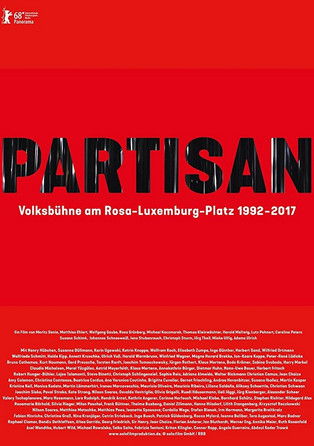
Volksbühne am Rosa-Luxemburg-Platz 1992-2017. The end of the GDR gave rise to new artistic freedoms in reunited Berlin. Shortly after the fall of the Wall, rebel director Frank Castorf was appointed artistic director of the Volksbühne. His way of working altered the public’s perception of this theater. The chronological history of the Castorf era between 1992 and 2017 is told here in excerpts from the productions and in a series of conversations conducted on the long sofa in the theater's foyer.
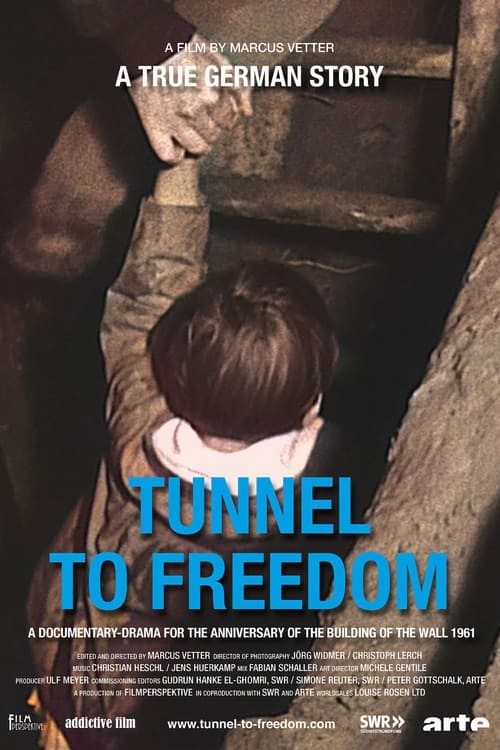
13 August 1961: the GDR closes the sector borders in Berlin. The city is divided overnight. Escape to the West becomes more dangerous every day. But on September 14, 1962, exactly one year, one month and one day after the Wall was built, a group of 29 people from the GDR managed to escape spectacularly through a 135-meter tunnel to the West. For more than 4 months, students from West Berlin, including 2 Italians, dug this tunnel. When the tunnel builders ran out of money after only a few meters of digging, they came up with the idea of marketing the escape tunnel. They sell the film rights to the story exclusively to NBC, an American television station.
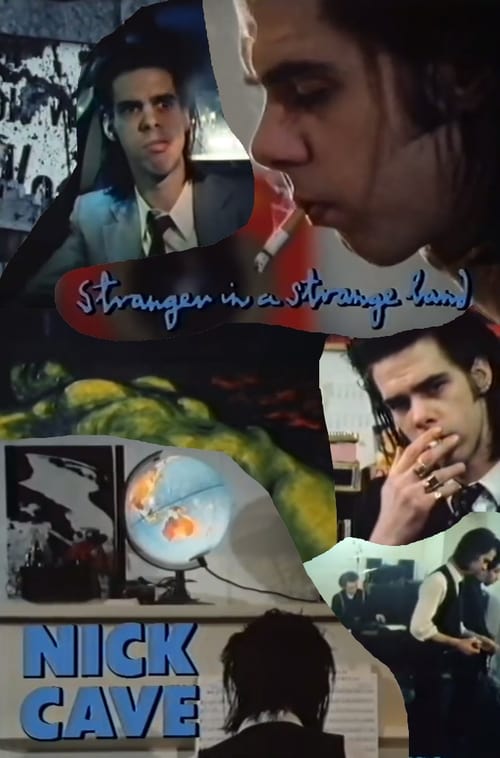
Documentary made for Dutch television about Nick Cave in Berlin in 1987.