Oil spills around Oak Cliff, Dallas.
No Trailers found.
Young men are faced with a medical commission for army recruits and asked to choose where they want to get to, at least theoretically.
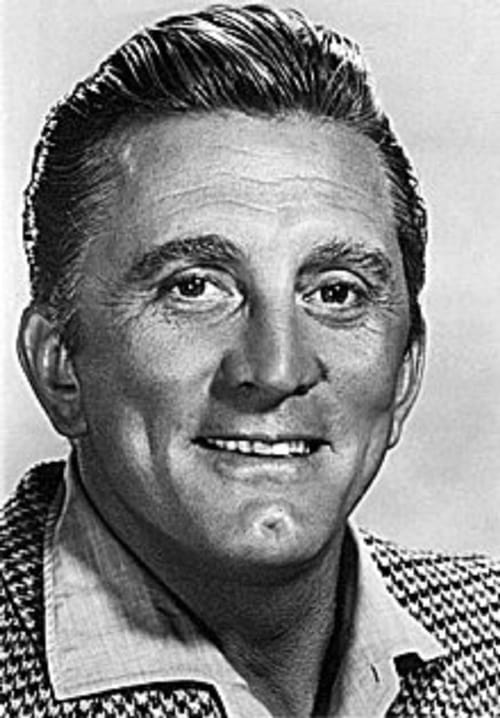
The 1966 visit of Hollywood movie star Kirk Douglas at the legendary Polish State Film School in Lódz.
A satirical look at the Soviet-block hairdressing contest which was held in Warsaw in 1971.
Filmmaker Alain Resnais documents the atrocities behind the walls of Hitler's concentration camps.
Beginning with Noam Chomsky's response to a college student who role-plays "Jane U.S.A."--someone who naively believes she lives in a democratic society in which she can create her own destiny--the viewer is presented with a cross-section of typically lively Chomsky encounters. Central to a functioning democracy is the necessity of free access to information, ideas and opinions. But what should be our democratic right turns out to be limited and shaped by the biases of insitutions and ideologies within the mass media. Chomsky shows how governments, corporations and other elites manufacture the consent of the public to serve their interests.
An exploration —manipulated and staged— of life in Las Hurdes, in the province of Cáceres, in Extremadura, Spain, as it was in 1932. Insalubrity, misery and lack of opportunities provoke the emigration of young people and the solitude of those who remain in the desolation of one of the poorest and least developed Spanish regions at that time.
This movie explores the history of electricity - from the first spark created by man's hand to today's industrial power plants. We meet scientists who changed the world, like Faraday, Franklin, and Tesla and we glimpse the future, as Solar Impulse becomes the first plane to complete a round-the-world flight powered only by the sun. With a mix of chalk animation, CGI, archival footage and spectacular aerials, the film also explores the challenges ahead: how to meet the growing energy needs of our industrialized world, while also protecting the health of our planet.
The T.N.P., the Théâtre National Populaire, an important experimental theater directed by Jean Vilar. Franju combines sequences from theatrical performances with documentary images, creating links and confrontations between theater and the real world.
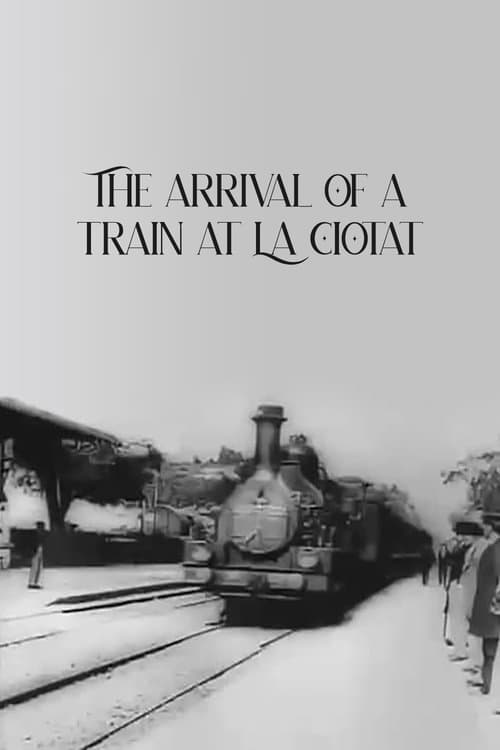
A group of people are standing along the platform of a railway station in La Ciotat, waiting for a train. One is seen coming, at some distance, and eventually stops at the platform. Doors of the railway-cars open and attendants help passengers off and on. Popular legend has it that, when this film was shown, the first-night audience fled the café in terror, fearing being run over by the "approaching" train. This legend has since been identified as promotional embellishment, though there is evidence to suggest that people were astounded at the capabilities of the Lumières' cinématographe.
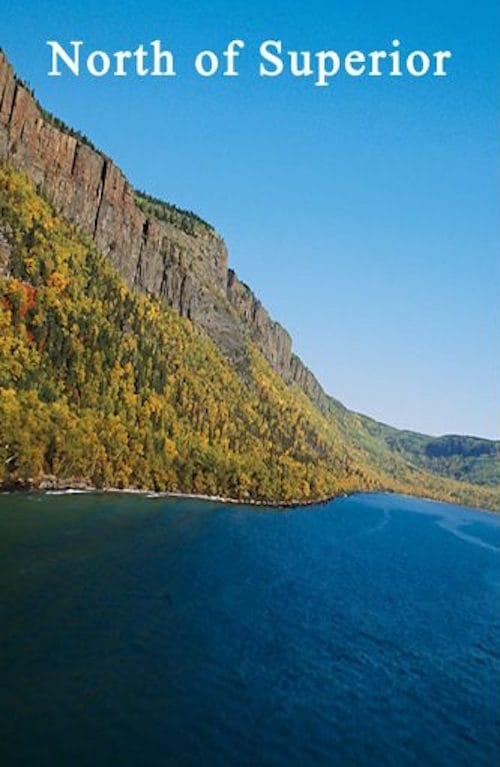
The second IMAX film made, commissioned by the Ontario Government, and produced by MultiScreen Corporation, later to become IMAX corporation. North of Superior is a Northern Ontario travelogue, and was the first short feature to be shown at the newly created Ontario government theme park, Ontario Place, in it's state of the art cinema, Cinesphere, the first permanent IMAX installation.
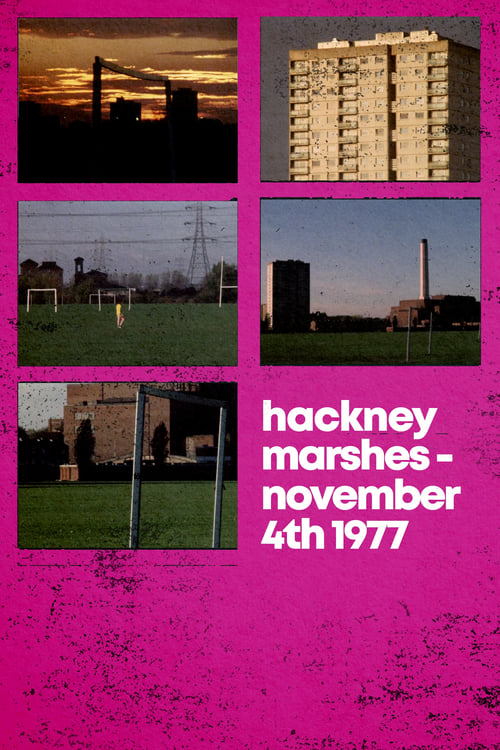
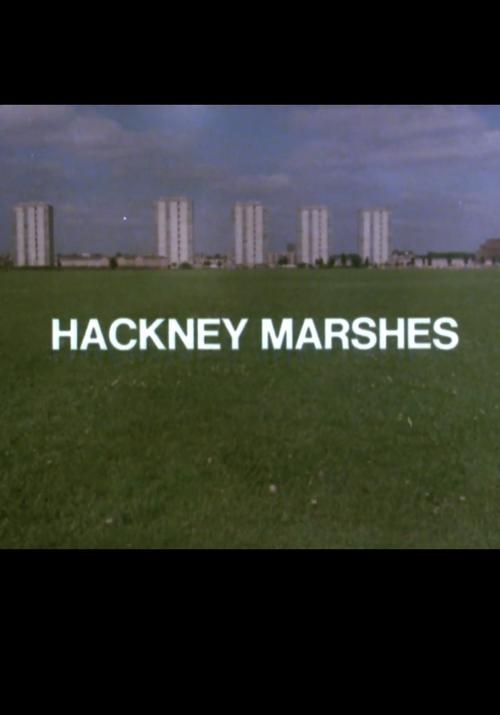
An improvisation recorded over the course of one day, starting at dawn and finishing after dusk. The film was edited in camera and shot from one camera position in the middle of one of the 112 football pitches that cover Hackney Marsh, a location chosen because of the similarities between the surrounding buildings and objects (identical blocks of flats, goalposts etc.). By cutting between precisely matched framings of similar objects, illusions of movement were produced, disrupting representational readings of the landscape. Unforeseen events occurring in the vicinity were also recorded, determining to some extent the subsequent filming. Through selection of shots and changes in cutting pace and speed of camera movement, the film fluctuates between record and abstraction.
Fusing documentary and fiction, the film depicts the lives of children trying to survive the aftermath of war in Kosovo by selling cigarettes on the street. Through monologues performed by the children against the eerie backdrops of Pristina, the film tells their gripping and sad story of memory, loss and fear.
Artist John Smith tells stories about tower block life, editing in bold, unconventional fashion, cutting into the material and highlighting the components and conventions of the film form - yet an intimate portrait of the block's inhabitants still emerges.
Starring Sigmund Freud is a video memento for Sigmund Freud's little-known film career. Based on an essay John Menick published in Frieze in 2011, the video collects the dozens of appearances that the character of Sigmund Freud has made on small and big screens. After the 1950s, when pill vials replaced analytic couches, the father of psychoanalysis found a second career impersonating himself in everything from a John Huston clunker to a Star Trek episode. The video suggests that maybe it is in front of the camera, alongside surgically enhanced starlets and CGI chimeras, that “Herr Doktor” will find his final resting place. This video was produced by the Kadist Foundation and commissioned by dOCUMENTA (13).
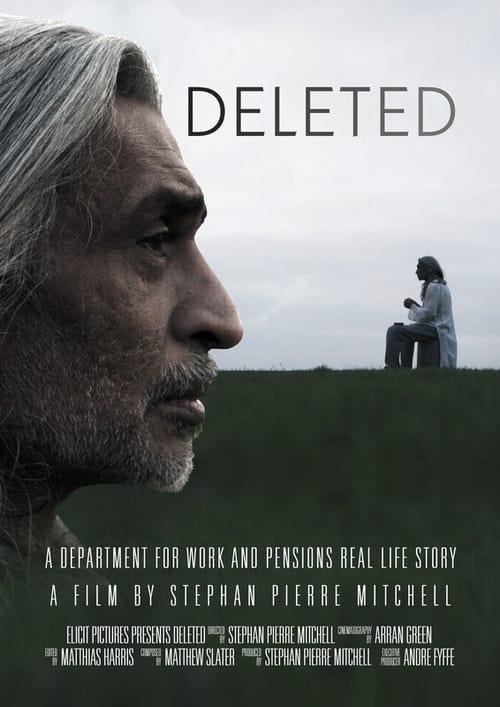
A short documentary following the last 5 hours of a 59-years-old man, Ahmed before becoming homeless due to the late payments and bureaucracy by the Department for Work and Pensions.
Documentary that portrays the life of a coal-mining town south of Havana, around 1955, prior to the triumph of the revolution.
Mannequins examines the suburb as a state-of-mind through the eyes of a 7th grade teenage girl.
No overview available.
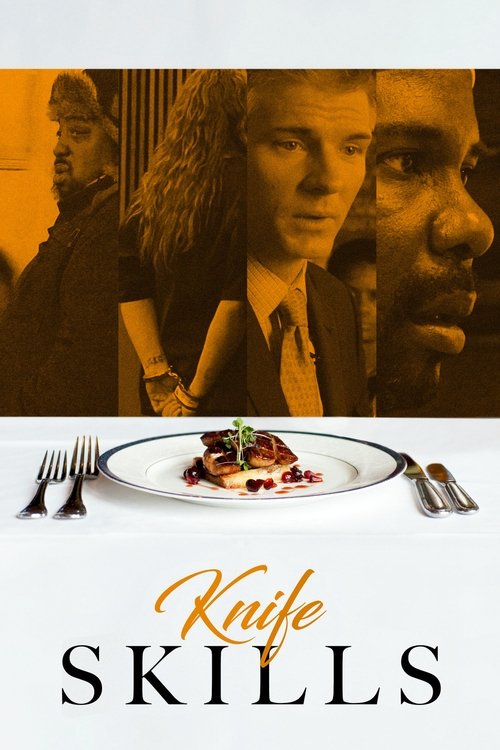
Edwin’s Restaurant is determined to become one of America’s top French restaurants, with a staff unlike any other in the country. Brandon Edwin Chrostowski prepares to open his Cleveland, Ohio fine dining establishment with a staff composed nearly entirely of recently released prisoners in search of an opportunity to get their lives back on track. They sign up for a classical French food boot camp to learn the ins and outs of fine wine, sauces, and more.
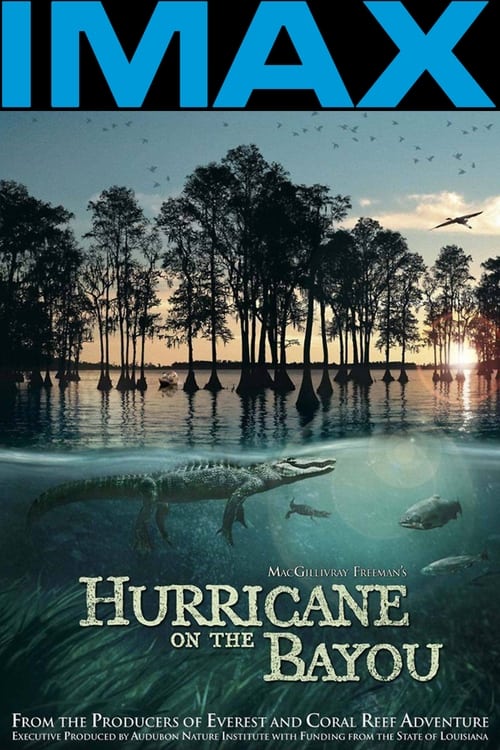
The film "Hurricane on the Bayou" is about the wetlands of Louisiana before and after Hurricane Katrina.
No Cast found.