Filmdocumentary about the Battle of the Scheldt.
No Cast found.
Filmmaker Alain Resnais documents the atrocities behind the walls of Hitler's concentration camps.
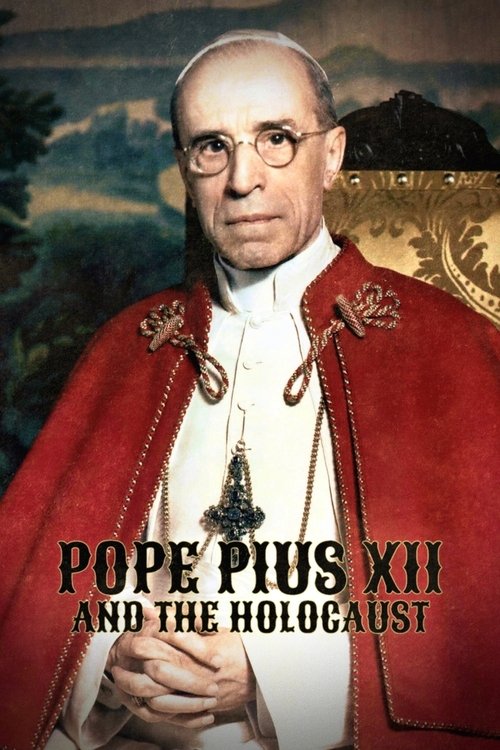
A portrait of Pope Pius XII (1876-1958), head of the Catholic Church from 1939 until his death, who, during World War II, and while European Jews were being exterminated by the Nazis, was accused of keeping a disconcerting and shameful silence.
The story of black and mixed race people in Nazi Germany who were sterilised, experimented upon, tortured and exterminated in the Nazi concentration camps. It also explores the history of German racism and examines the treatment of Black prisoners-of-war. The film uses interviews with survivors and their families as well as archival material to document the Black German Holocaust experience.
No overview available.
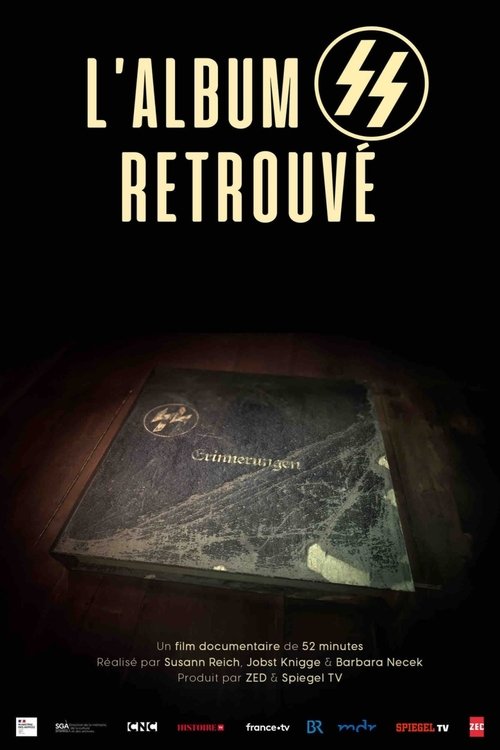
In 2016, an album containing 250 previously unseen photos of Nazi officials was discovered in the USA by Stephan Hördler, a prominent Holocaust historian, who immediately understood the album's inestimable value. The album brings together photographs of a "group of friends," all from the same region of Germany, all of whom became SS men. From 1928 to 1943, the photo album allows us to follow their journey. Hördler conducted the investigation, comparing the photos in the album with other, better-known ones, the faces of these men with those of concentration camp officials, and ultimately revealed that it was at Lichtencburg that these young men were trained, a "school" for future camp executioners, and the bonds of camaraderie and informal network that would allow them to help each other, even after the war.
This short film gives background on the Free French movement during World War II.
The untold story of a Royal "propagandist in pearls" whose wartime friendship with President Roosevelt became a vital catalyst to win back freedom for her tiny occupied country.
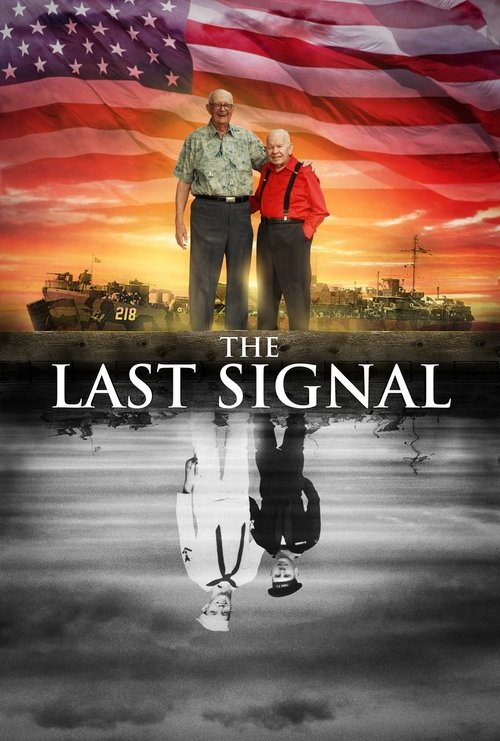
Two World War II Veterans reunite for the first time in 70 years after their inaugural voyage on Navy ship LST-218
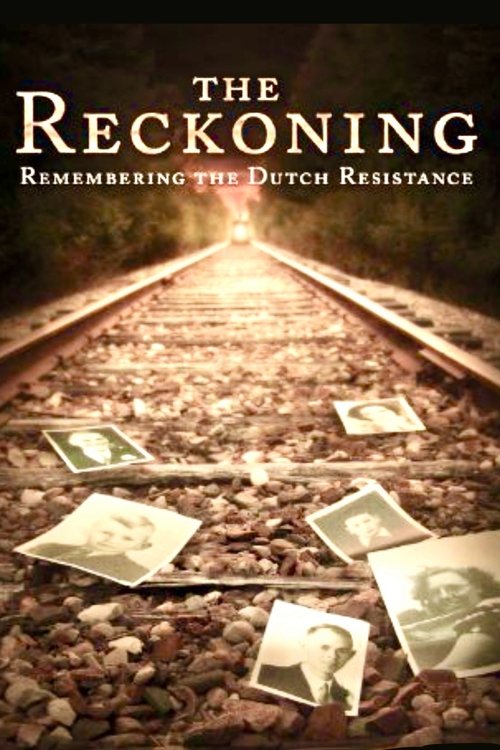
The documentary that captures the compelling story and eyewitness account of six survivors in war-torn Netherlands during World War II.
The background to, events of and consequences of the Battle of Mers-El-Kebir on 3 July 1940. In that battle, Royal Navy ships fired on the French Fleet in order to prevent it from falling into German hands. A French battleship was sunk and several other ships damaged. Nearly 1,300 French sailors were killed.
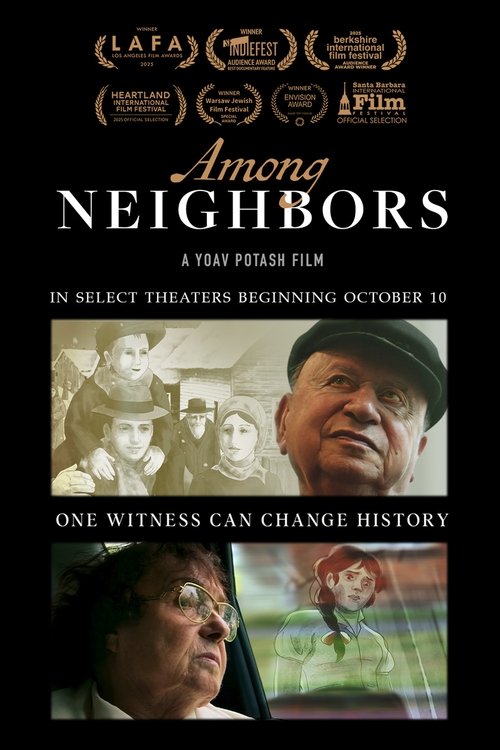
Combining magical realism and evocative hand-drawn animation with revelatory interviews and verité footage, "Among Neighbors" examines the story of a small, rural town where Jews and Polish Catholics lived side by side for centuries before World War II. The film brings the Polish response to the Holocaust to life through the last living eyewitnesses, revealing both love and betrayal as it zeroes in on one of the last living Holocaust survivors from the town, and an aging eyewitness who saw Jews murdered there — not by Nazis, but by her own Polish neighbors. Produced and directed by award-winning filmmaker Yoav Potash ("Crime After Crime," Sundance Film Festival).
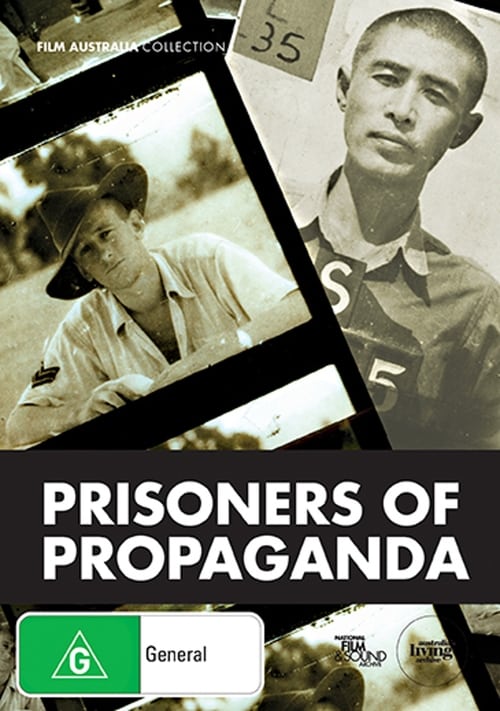
In 1943, the Imperial Japanese Secret Service made a film called Calling Australia! to show the "exemplary conditions" under which prisoners of war were kept, and to "soften up" the Australian public for the anticipated occupation of their country by Japanese forces. Prisoners of Propaganda tells why the film was made, and how it came to be forgotten.
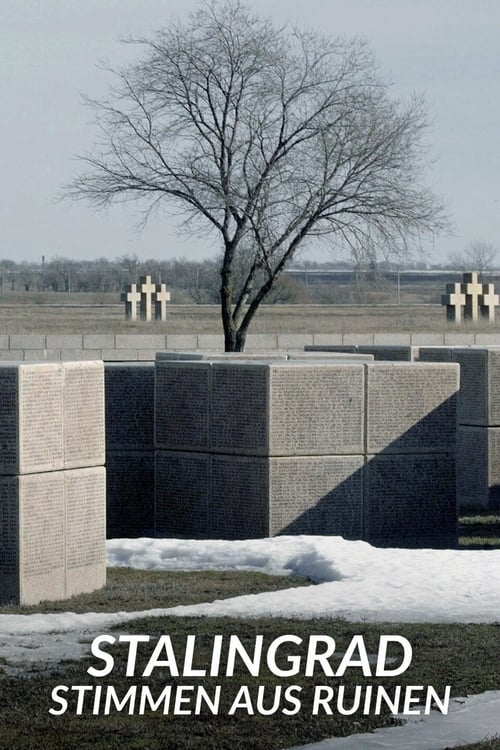
Featuring excerpts from diaries and letters written by local residents and soldiers from both sides, the documentary tells the story of the Battle of Stalingrad through the voices of those who lived it.
Evocation of the Oradour-sur-Glane Massacre on 10 June 1944, when 642 of its inhabitants were slaughtered by a Nazi Waffen SS company, based on a visit to Diors' Museum of the Three Wars" and archive photographs.
Using never-before-seen footage, Japan's War In Colour tells a previously untold story. It recounts the history of the Second World War from a Japanese perspective, combining original colour film with letters and diaries written by Japanese people. It tells the story of a nation at war from the diverse perspectives of those who lived through it: the leaders and the ordinary people, the oppressors and the victims, the guilty and the innocent. Until recently, it was believed that no colour film of Japan existed prior to 1945. But specialist research has now unearthed a remarkable colour record from as early as the 1930s. For eight years the Japanese fought what they believed was a Holy War that became a fight to the death. Japan's War In Colour shows how militarism took hold of the Japanese people; describes why Japan felt compelled to attack the West; explains what drove the Japanese to resist the Allies for so long; and, finally, reveals how they dealt with the shame of defeat.
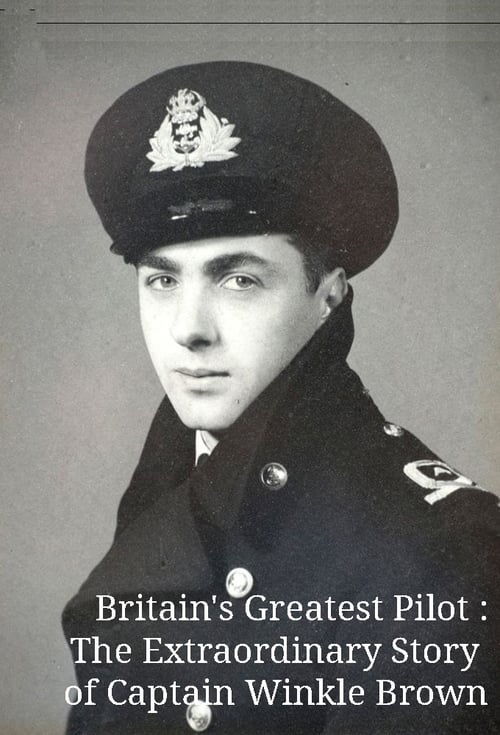
Captain Eric 'Winkle' Brown recounts his flying experiences, encounters with the Nazis and other adventures leading up to and during the Second World War. Illustrated with archive footage and Captain Brown's own photos.
World War II propaganda short which focuses on the dangers of inadvertent dispersal of military information.
The German battleship Tirpitz was a constant threat to Allied merchant ships from 1942. On November 12, 1944, the ship was sunk off the coast of Tromsø, where it had been lying damaged since being disabled off the coast of Alta in September 1943. Along with the Bismarck, the Tirpitz was Germany’s largest battleship, and its sinking was a significant blow to German prestige.
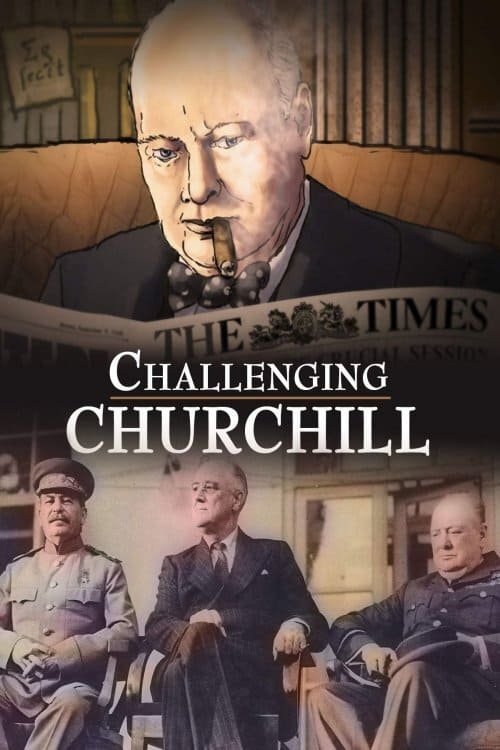
Churchill, a name typically associated with braveness and altruism. Recently found evidence from Soviet and British sources however brings up questions about Churchill's doings in the conferences of Tehran, Yalta and Potsdam. Why did he agree to give Stalin large parts of Poland? The story of two world leaders in times of war - it is also the story of Poland.
No Trailers found.