The effect of language use on homosexuals in the Netherlands.
No Trailers found.
No Cast found.
The film Together we cycle investigates the critical events that has led to the revival of the Dutch cycling culture. For most people, cycling in the Netherlands, seems a natural phenomenon. However, until the 1970s the development of mobility in the Netherlands followed trents across the globe. The bicycle had had its day, and the future belonged to the car. The only thing that had to be done was to adapt cities to the influx of cars. Then Dutch society took a different turn. Against all odds people kept on cycling. The question why this happened in the Netherlands, has not an easy answer. There are many factors, events and circumstances that worked together, both socially and policy-wise. In Together we cycle, key players tell the story of the bumpy road which led to the current state. Where cycling is an obvious choice for most citizens.
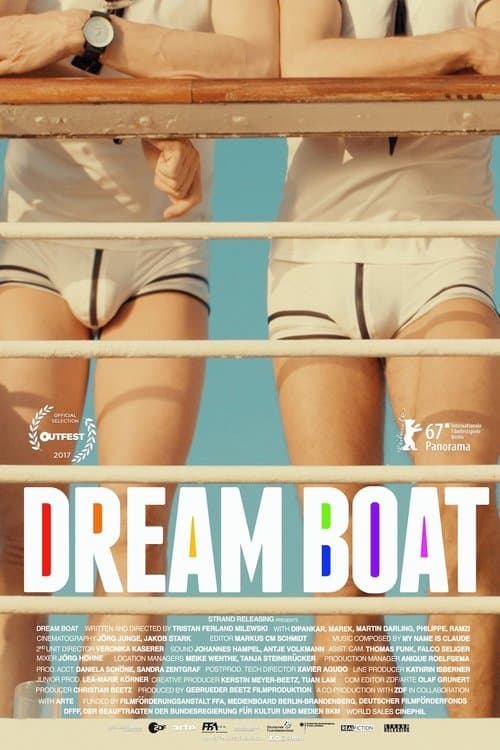
A cruise ship and 3,000 men – it is a universe without heteros and women that usually remains a mystery to the outside world. Once a year the Dream Boat sets sail for a cruise exclusively for gay men where most passengers are united by the wish to live life authentically as themselves in a protected place.
Short docudrama exploring the history of sex in the homosexual community from the 1970s to the present day, and how the internet has changed the way gay men meet forever.
The threat of dementia is affecting more and more people. As they slowly lose their memories and physical abilities, music proves to be a miraculous source of comfort, vitality, and hope. How is it, for example, that people with dementia often remember music longer than their own names?
No profession, no say, no freedom of expression. Life as a prince consort is not exactly pleasure taxing. No constitution ascribes any function to the husband of a queen. Nowhere does it say what he must or must not do. A life in the shadow of the crown. Can that go well?
Fernando is an actor and theater teacher who, at the age of 74, is impelled to be the protagonist of himself in an experience that blurs the boundaries between the documentary and the fictional. Faced with a delicate problem in his heart, he follows a life full of love for art, where education emerges as a powerful transforming element of reality.
Where does voguing come from, and what, exactly, is throwing shade? This landmark documentary provides a vibrant snapshot of the 1980s through the eyes of New York City's African American and Latinx Harlem drag-ball scene. Made over seven years, PARIS IS BURNING offers an intimate portrait of rival fashion "houses," from fierce contests for trophies to house mothers offering sustenance in a world rampant with homophobia, transphobia, racism, AIDS, and poverty. Featuring legendary voguers, drag queens, and trans women — including Willi Ninja, Pepper LaBeija, Dorian Corey, and Venus Xtravaganza.
Tom Daley visits the most homophobic countries in the Commonwealth to explore how gay athletes are facing extreme persecution. What can the Commonwealth Games do to help?
For months, the FBI have been investigating Russian interference in the American presidential elections. ZEMBLA is investigating another explosive dossier concerning Trump’s involvement with the Russians: Trump’s business and personal ties to oligarchs from the former Soviet Union. Powerful billionaires suspected of money laundering and fraud, and of having contacts in Moscow and with the mafia. What do these relationships say about Trump and why does he deny them? How compromising are these dubious business relationships for the 45th president of the United States? And are there connections with the Netherlands? ZEMBLA meets with one of Trump’s controversial cronies and speaks with a former CIA agent, fraud investigators, attorneys, and an American senator among others.
Filmmaker Jonathan Caouette's documentary on growing up with his schizophrenic mother -- a mixture of snapshots, Super-8, answering machine messages, video diaries, early short films, and more -- culled from 19 years of his life.
It's war. War against an invisible enemy that is not as deadly as we are told. The world is changing rapidly. Disproportionate measures are taken worldwide that disrupt society as a whole. A dichotomy in society forced vaccinations and restrictions on freedom. Have we had the worst? Or is there something more disturbing to awaiting us.
It is an unknown chapter of the German post-war history: On April 23rd, 1949, the kingdom of the Netherlands occupied German soil as a pledge for demanded war reparations. Part of the annexed territories was also the small municipality of Elten. While the people of Elten were initially afraid of the occupation, the time “with Holland” actually became a miracle of prosperity and economy about which many people from Elten still rave today. The occupation period ended with the largest organized smuggling in the history of the federal republic of Germany. The Documentary shows this in never before released 8 mm footage!
The parents are at their wits’ end, so a temporary supervision order is the last hope for a group of teenagers in Punks. Now, on a remote farm in France, they’re going to have to get their lives back on track, with the help of a counselor. If they want any chance of a happy life, they need to engage in some frank and painful conversations. Mitchel has to find a way to get along with his father, but maybe too much has already happened since his mother died. Jahlano is already at the next stage: he’s no longer allowed to live with his mother, and needs to get over the disappointment. Mike, meanwhile, is struggling with his image as a boy who’s “got a screw loose.” Filmed in constant close-up by director Maasja Ooms, the teenagers try to tame their demons with music and therapy, but problems from the past keep resurfacing. In this intimate and sincere portrait, these troubled kids show us their most vulnerable sides.
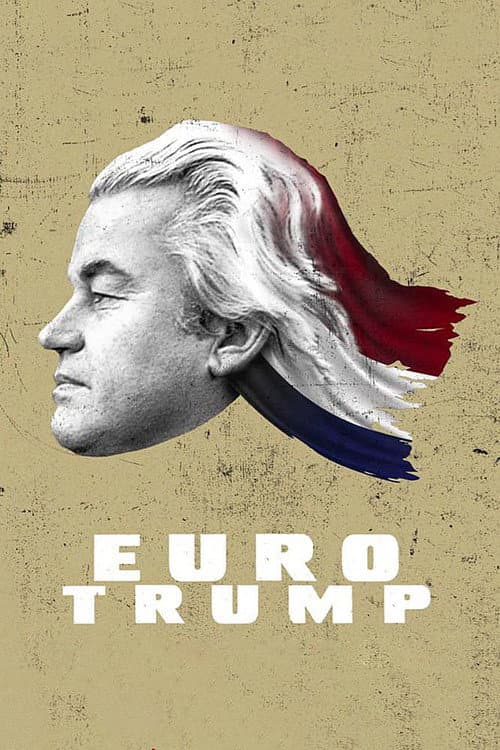
A documentary focused on right wing populist Geert Wilders, called The Dutch Donald Trump, as he runs for Prime Minister of the Netherlands.
This exploitation classic purports to expose the secrets of the 1960s lesbian underworld.
Tom of Finland is one of the gay world's few authentic icons. His drawings have had an enormous influence on gay identity. Tom's ultimate leather men are known and seen everywhere. They are symbols of gay pride and friendship. The documentary includes some titillating 'enactments' inspired by Tom's art work.
Friday, November 7, 2025, marks the fiftieth anniversary of the devastating explosion at the chemical company DSM in the Limburg town of Beek. Kefah Allush takes viewers back to this momentous day. The disaster is depicted through eyewitness accounts, personal memories, and impressive visualizations.
As noted on back-cover: "The 27th of November 1993 the Jaarbeurs Utrecht was the location of the biggest and most spectacular house event in European history. 20.000 Ravers, 160 K Sound, 500.000 Watts of Lights, 12 DJ's, 5 Live Acts and the famous Thunderdome Octopus. Witness the unbelievable "Wall Of Sound", hypnotizing lights, lasers, video effects and of course the Thundertruck."
A documentary on gay, lesbian, and transgender Muslims across the Muslim and Western worlds.
The documentary that answers the question: is having month-long double paid vacations, no fear of homelessness, and universal health care the nightmare we've been warned about? The answer may surprise you.