The Karikpo masquerade - a traditional dance of the Ogoni tribe - is transposed onto the remnants of a faded oil industry programme in the Niger delta.
No Trailers found.
No overview available.
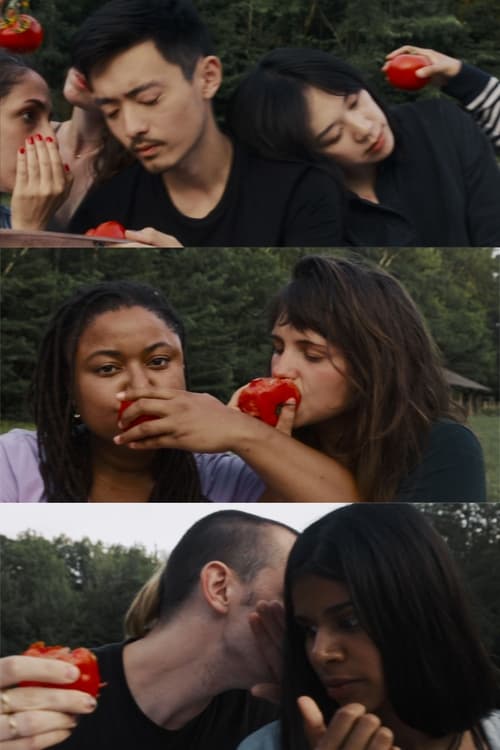
Across the installation's multiple channels, the camera circles a group of artists as they sit together in a field eating, licking, and squeezing ripe tomatoes. Throughout the ever-changing scene, kisses, whispers, and caresses are shared with a casual, gentle intimacy that reflects interconnectivity and abundance. These queer and desirous exchanges constitute a portrait of collectivity wherein individuals come together as distinct parts of a whole.
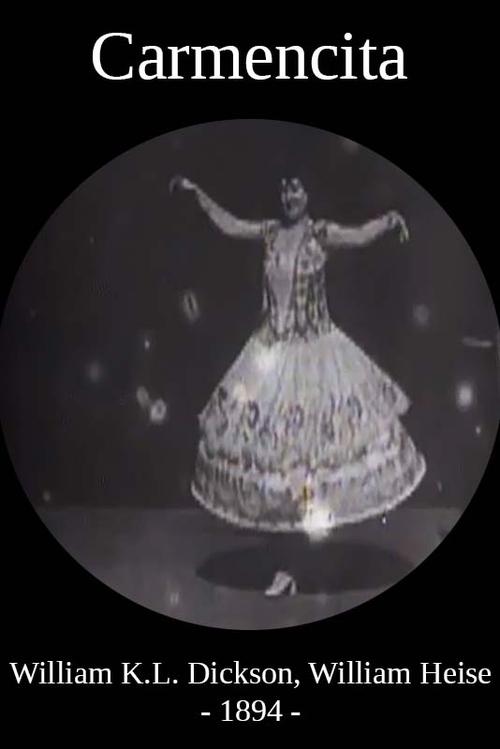
The first woman to appear in front of an Edison motion picture camera and possibly the first woman to appear in a motion picture within the United States. In the film, Carmencita is recorded going through a routine she had been performing at Koster & Bial's in New York since February 1890.
An introspective documentary which chronicles pop music queen Britney Spears' return to the spotlight after her much-publicized professional and personal struggles. Honest, raw and revealing, the one-hour special shares some of Spears' most intimate moments in the span of 60 days, and gives fans an inside look at Britney in the recording studio and on set filming the music videos for one of music's most triumphant comebacks.
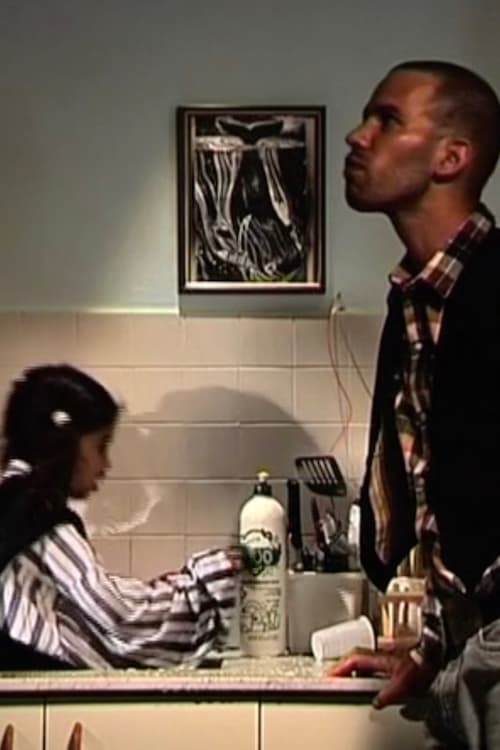
Guy Ben-Ner, one of Israel's foremost video artists, gained international recognition with a series of low-tech films, starring his family in absurdist settings carved out of their intimate spaces and their everyday surroundings. Many of his videos are inspired by screenplays for films, folktales and novels. Analyzing these literary and cinematographic passages allows him to exploit the conventions of film narrative: how to tell a story, captivate an audience through a tale, sustain a degree of tension and entertainment, and so on. At the same time, he corrupts the magic of fiction by openly showing us the entrails of everything he records, without worrying about revealing the tricks of the trade. A large part of his filmic oeuvre features a conglomeration of cinematic and literary references which the artist quotes, adapts or interprets. Ben-Ner self-referentially links the great themes and their literary, cinematic and artistic realization.
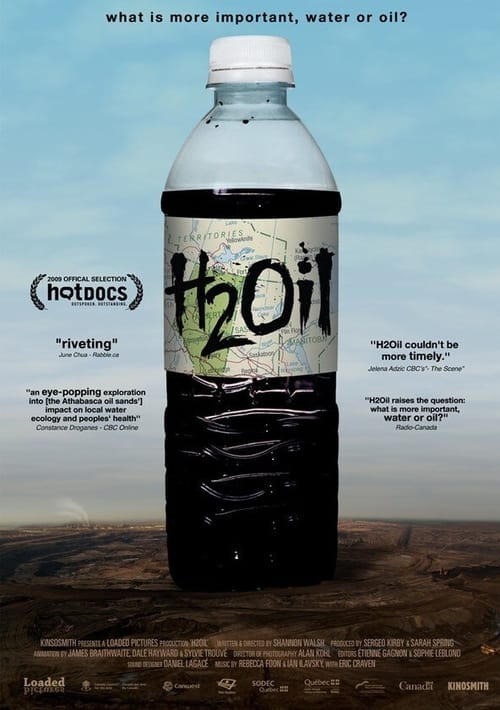
Moving between a local microcosm and the global oil crisis, H2Oil weaves together a collection of compelling stories of people who are at the front lines of the biggest industrial project in human history: Canada's tar sands. H2Oil is a feature-length documentary that traces the wavering balance between the urgent need to protect and preserve fresh water resources and the mad clamoring to fill the global demand for oil. It is a film that asks: what is more important, water or oil? Will the quest for profit overshadow efforts to protect public health and the environment in Canada's richest province?
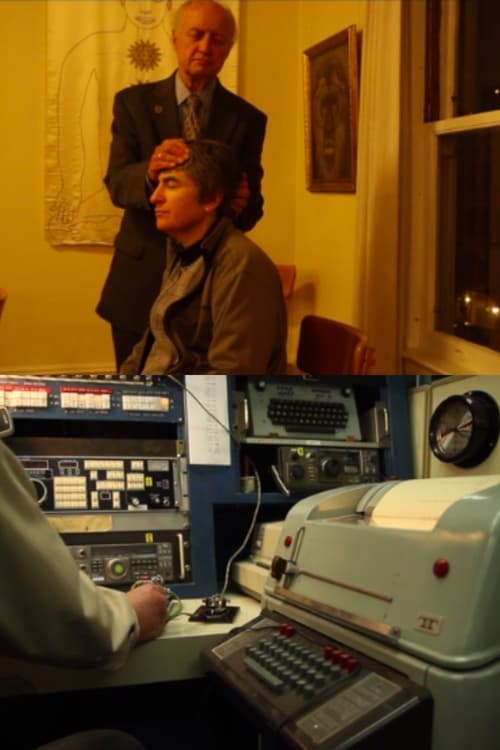
"Come In" explores how Morse history is entangled with the history of the Spiritualist church. The Spiritualist Church was founded by the Fox sisters in 1850. They claimed that they were mediums who could communicate with the dead and they justified this ability by citing the new ability, through Morse, to speak with someone far away almost instantaneously. After fifty years of practicing Spiritualism, the sisters declared the religion a hoax, and many years later Morse code officially lost its role in the commercial realm. As Spiritualists continue to send messages to the dead in spite of the sisters’ statements, and Morse operators transmit messages into the ether with hope, Johnson asks: How do communication networks and technologies affect our calls and responses and make visible our desire for reciprocity?
Stories about young Ukrainian dancers and their hasty flight to the Netherlands. You see their new life as refugees. The former conservatory in The Hague is a shelter for them where they collect their lives and find refuge in their profession: dance. The formation of a new ballet company, The United Ukrainian Ballet, is an important foothold in winning back their lives. They find comfort in each other and close friendships develop. In addition, there is the great love for ballet, for the dancers the best way to express themselves.
The hilarious and bizarre story of Frank Sidebottom, the cult British comedian in a papier mâché head, and the secretive life of Chris Sievey, the artist trapped inside.
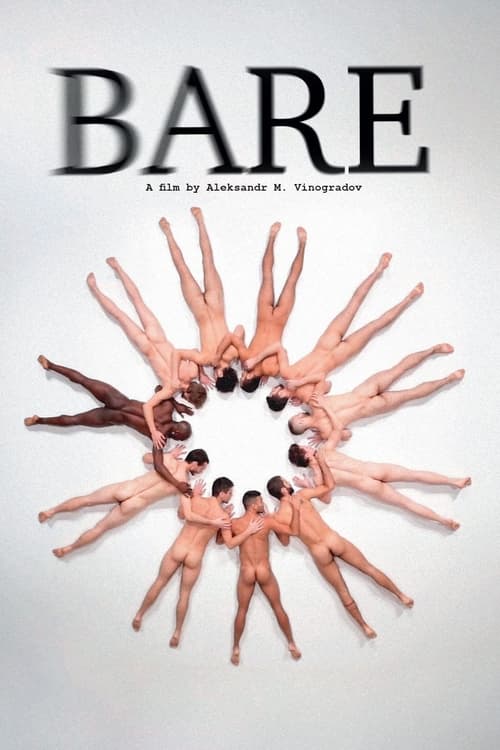
The tendency in the world is right-wing, neo-liberal, and people are more controlled. We have less liberty even if we think we have more. The last territory where we can be ourselves and where we can have full freedom is our own body. The documentary "BARE" focuses on male nudity in the modern dance. The story follows a well-known Belgian choreographer Thierry Smits through a process of building his new creation with a group of male dancers performing bare naked.
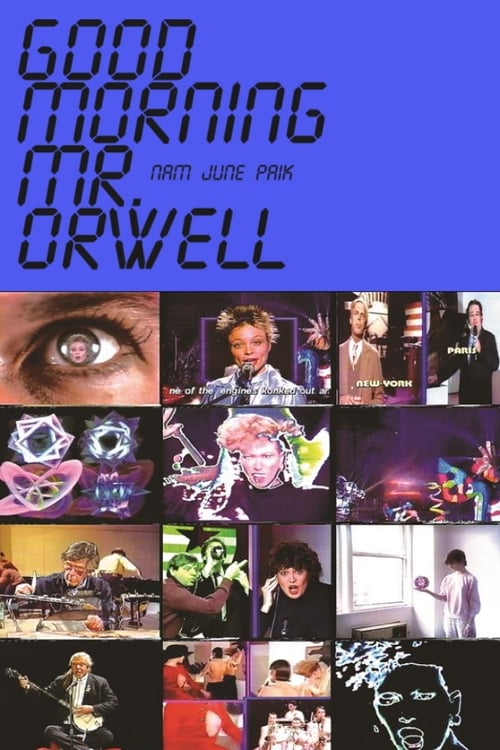
In his book "1984", George Orwell saw the television of the future as a control instrument in the hands of Big Brother. Right at the start of the much-anticipated Orwellian year, Paik and Co. were keen to demonstrate satellite TV's ability to serve positive ends-- Namely, the intercontinental exchange of culture, combining both highbrow and entertainment elements. A live broadcast shared between WNET TV in New York and the Centre Pompidou in Paris, linked up with broadcasters in Germany and South Korea, reached a worldwide audience of over 10 or even 25 million (including the later repeat transmissions).
The outrageous life of the American dancer of the 1920s, Isadora Duncan, whom Ken Russell described as "part genius and part charlatan".
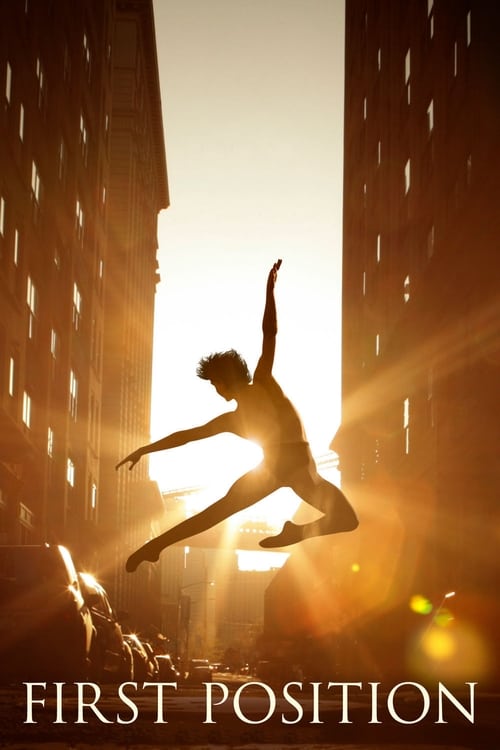
A documentary that follows six young dancers from around the world as they prepare for the Youth America Grand Prix, one of the most prestigious ballet competitions in the world.
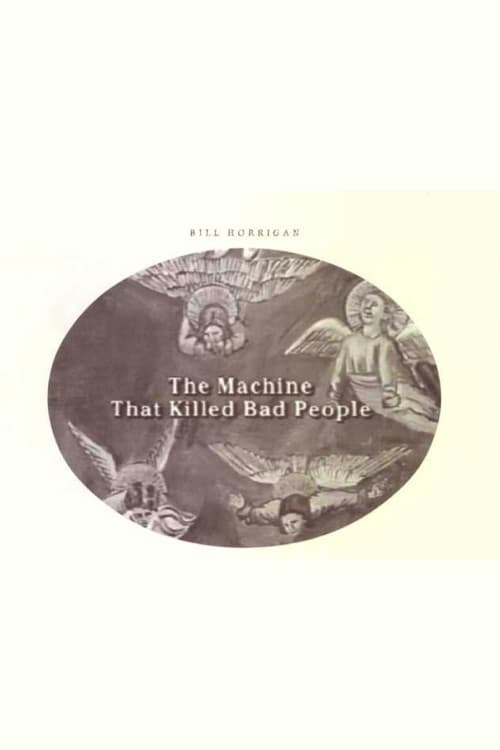
The Machine That Killed Bad People is about the cultural and political history of the Philippines leading up to the overthrow of President Ferdinand Marcos in 1986. It also addresses the role of electronic media in the struggle for power, and more broadly, American intervention in the Third World. Using a structure that emulates the way television news programs construct meaning through fragmentation, the tape interweaves clips of Filipino activists and reporters, a fictional television anchorwoman and correspondent, commentary by independent filmmaker Trinh T. Minh-ha, Fagin's off-camera voice and script, and anonymous excerpts from commercial television.
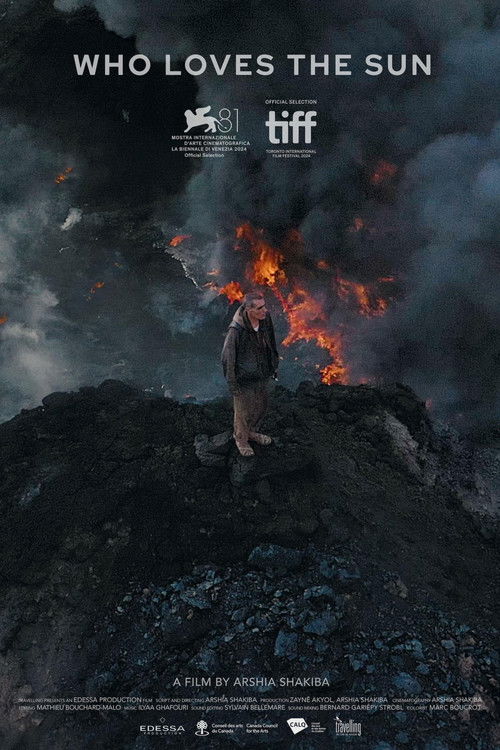
Delves into the world of makeshift oil refineries and the stark realities of life in war-torn northern Syria,. Mahmood is a prominent figure in these operations, navigating complex working conditions and local dynamics.
This documentary will explore the Afro-Caribbean dance, ‘whining’ alongside the practice of twerking to analyze respectability politics, pressures to accommodate whiteness, and gendered criticism of sexual expression within the Black diaspora. Using archival footage of West African dance, expert opinion from dancing and gender studies professors, and the active participation of partygoers in a dance experiment, Watkins will paint the picture of the defiance, autonomy, and ancestral veneration intrinsic to these traditional movement styles.
This second episode of the Covidland series, The Mask, uncovers the real science behind face coverings and exploreds the physical and mental health impacts of facemasks.
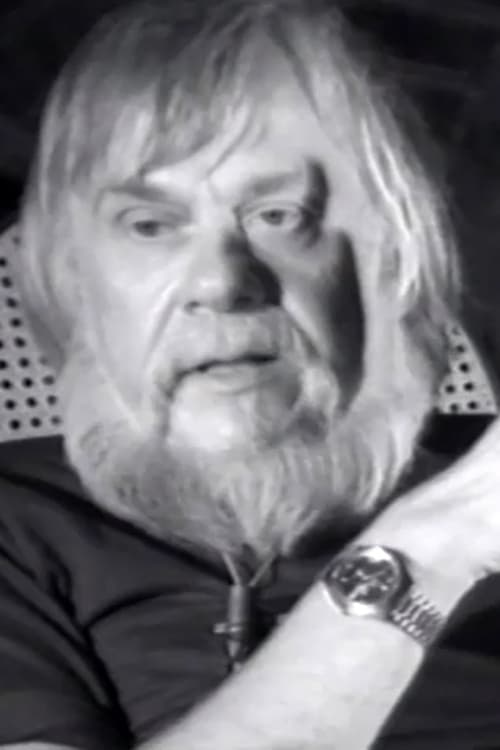
From his photo-text canvases in the 1960s to his video works in the 1970s to his installations in the 1980s, John Baldessari’s (b.1931) varied work has been seminal in the field of conceptual art. Integrating semiology and mass media imagery, he employed such strategies as appropriation, deconstruction, decontextualization, sequentiality, and text/image juxtaposition. With an ironic wit, Baldessari's work considers the gathering, sorting, and reorganizing of information. “Something that is part of my personality is seeing the world slightly askew. It’s a perceptual stance. The real world is absurd sometimes, so I don’t make a conscious attempt, but because I come at it in a certain way, it seems really strange,” Baldessari says in this interview with Nancy Bowen. A historical interview originally recorded in 1979 and re-edited in 2003 with support from the Lyn Blumenthal Memorial Fund.
The quixotic journey of Nam June Paik, one of the most famous Asian artists of the 20th century, who revolutionized the use of technology as an artistic canvas and prophesied both the fascist tendencies and intercultural understanding that would arise from the interconnected metaverse of today's world.
No Cast found.