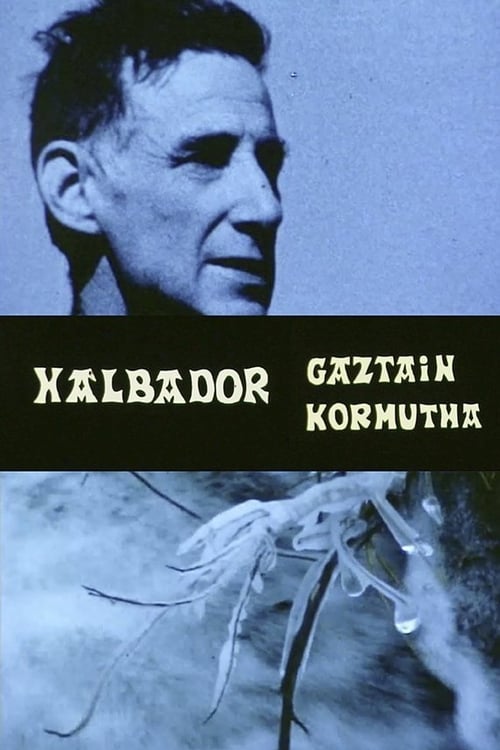
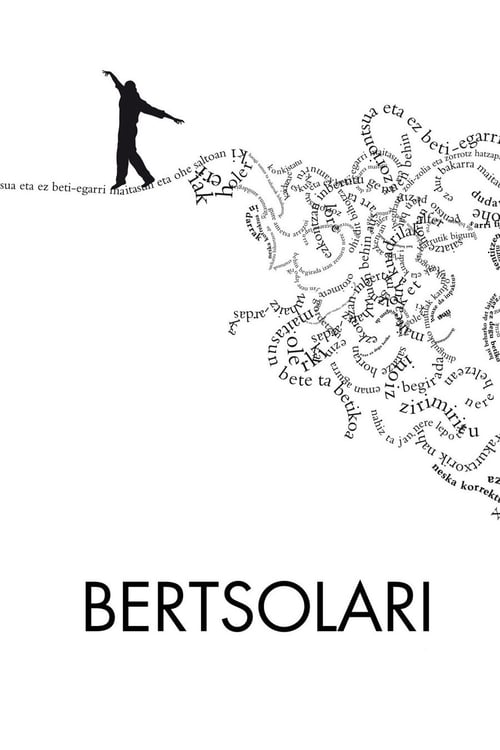
Documentary on the life of the Basque shepherd and oral improviser (or 'bertsolari') Fernando Aire (1920-1976), known as 'Xalbador'.
No Trailers found.
No Cast found.
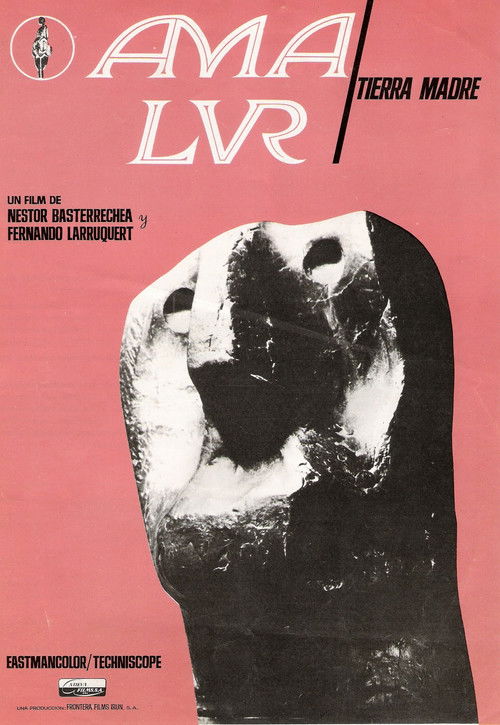
'Ama Lur' is a documentary, directed by Nestor Basterretxea and Fernando Larruquert, that premiered in San Sebastián in 1968, and it is considered the foundation of Basque cinema.
A documentary view of the Basque ball-game in which a small hard leather ball is hit against a wall. The film gives an impression of the game itself and of those who play it, not only the star performers (and the myths that surround them), but also those who just play in the streets and alleyways. The film sees the game it its cultural context and conveys the emotions and stories that are peculiar to the Basque country.
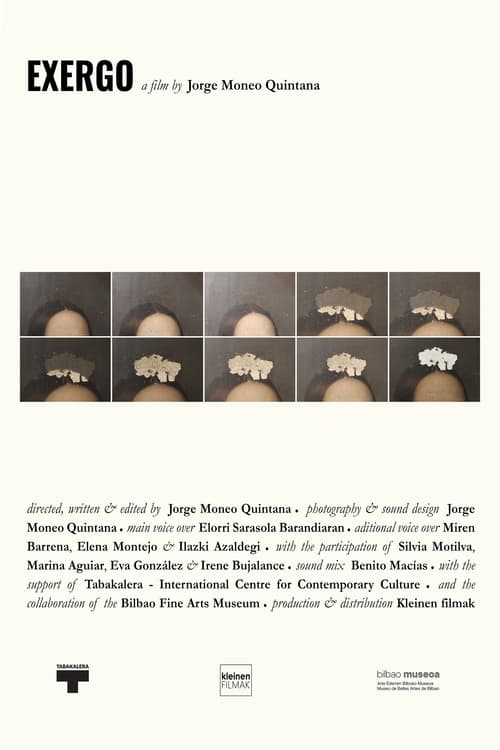
Departing from peripheral details of some paintings of the Bilbao Fine Arts Museum, a female narrator unravels several stories related to the economic, social and psychological conditions of past and current artists.
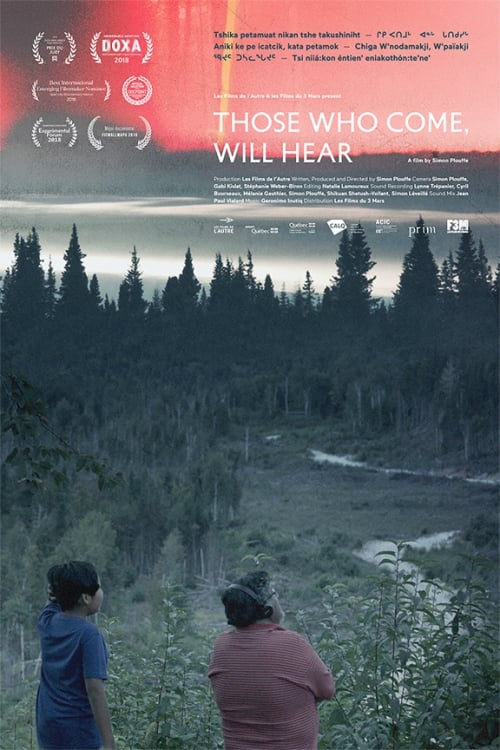
The documentary proposes a unique meeting with the speakers of several indigenous and inuit languages of Quebec – all threatened with extinction. The film starts with the discovery of these unsung tongues through listening to the daily life of those who still speak them today. Buttressed by an exploration and creation of archives, the film allows us to better understand the musicality of these languages and reveals the cultural and human importance of these venerable oral traditions by nourishing a collective reflection on the consequences of their disappearance.
Documentary on the relationship between the Basque language and its immediate cultural universe.
Short film on the art in the Basque Country.
The personal stories lived by the Uncle, the Father and the Son, respectively, form a tragic experience that is drawn along a line in time. This line is comparable to a crease in the pages of the family album, but also to a crack in the walls of the paternal house. It resembles the open wound created when drilling into a mountain, but also a scar in the collective imaginary of a society, where the idea of salvation finds its tragic destiny in the political struggle. What is at the end of that line? Will old war songs be enough to circumvent that destiny?
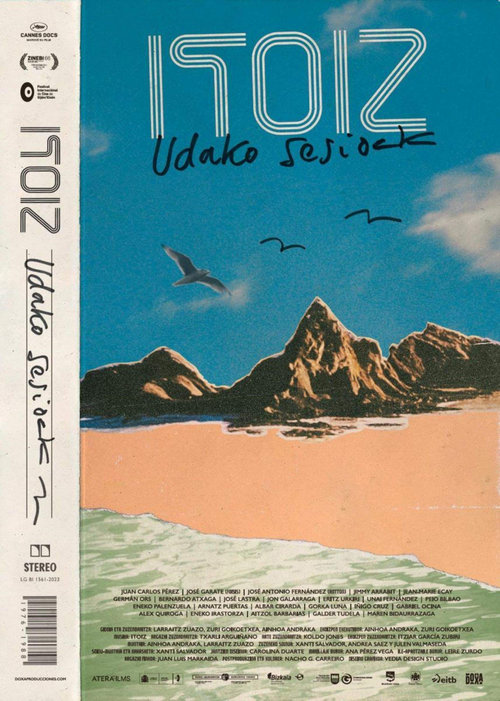
The discovery of a series of unreleased tapes leads Juan Carlos Pérez, leader of the iconic group Itoiz, to reflect on the dissolution of the band at its peak, after a clear change of style towards pop that he still denies today. Juan Carlos will thus begin a cathartic journey to the essence of the group, reliving the beginnings of the band as a progressive rock group in Mutriku in the 70's, which will serve him to reconcile with the past.
In this short documentary film about Basque pelota, in addition to showing the different modalities (basket ball, handball, paddle, ratchet...), well-known pelota players of the time take part.
Documentary on the rural world and the city in the Basque Country.
Documentary dedicated to the new Basque music.
The troubles of learning Basque in adults.
A memory to the victims and a tribute to the survivors of one of the most tragic episodes of the Spanish Civil War: the bombings suffered by the population of Gernika.
Debate on the launch of Basque television (ETB, Euskal Telebista).
Study on the situation of Basque language compared to Spanish.
Analysis of the problems facing the rural world of Araba, a region of the Basque Country.
The 'bertsolari' is a kind of minstrel sings and improvises verses in Basque. This oral tradition has evolved with the times and connecting with younger generations, getting to meet at the end of the last championship to 14 thousand people. An austere aesthetic art of surprising in this age of spectacle and special effects.
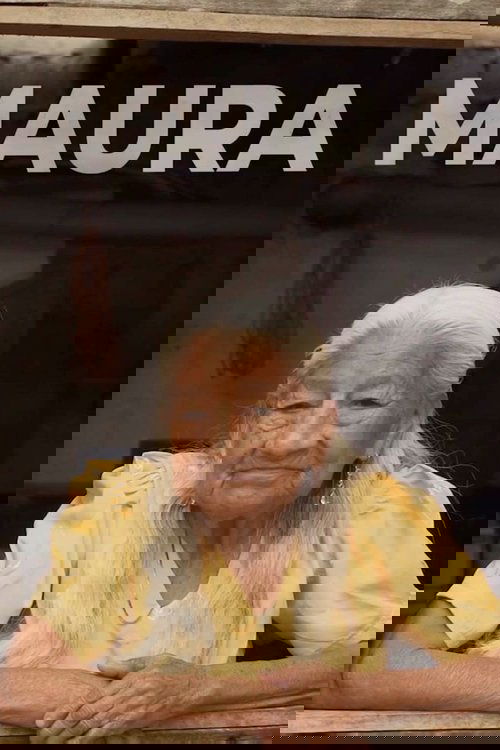
84-year-old Maura is the guardian of a very particular tradition in danger of extinction. She is a singer of amorfinos, verses full of humor that will disappear forever with her departure.
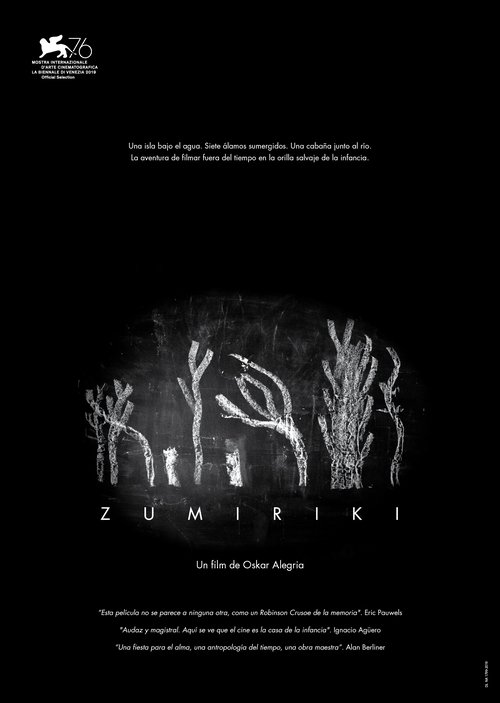
Is it possible to travel twice to the same memory? The filmmaker built a cabin on an isolated riverbank, just opposite his childhood island, which had disappeared under the water after the construction of a dam. The goal was to go back to that place, which had become invisible. Only the trees of the island where he’d played stood firm in the middle of the water, like the masts of a broken toy boat, so the air was the only space left, the only vestige of the past to be conquered. This film is a diary of a castaway in memories: four months of a Walden experience in a lost paradise with two hens, a small vegetable garden and a clock that stopped forever at 11.36 and 23 seconds.
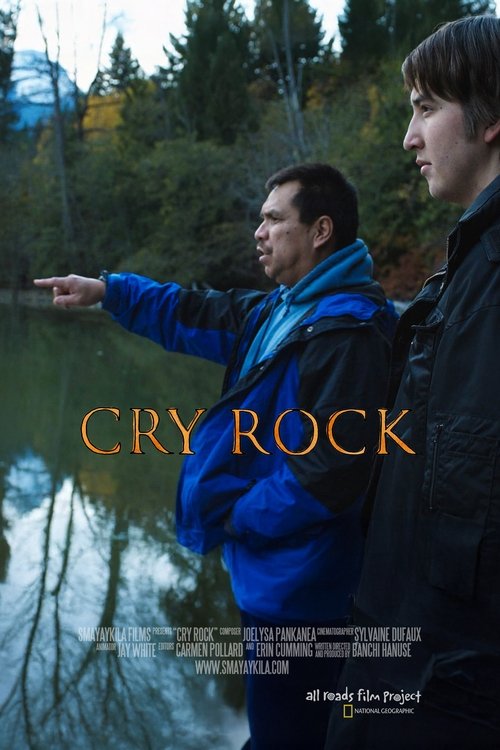
In the Bella Coola Valley, a haunting legend endures through generations as a filmmaker reckons with whether the stories of her ancestors can survive being held or if they were never meant to be captured.