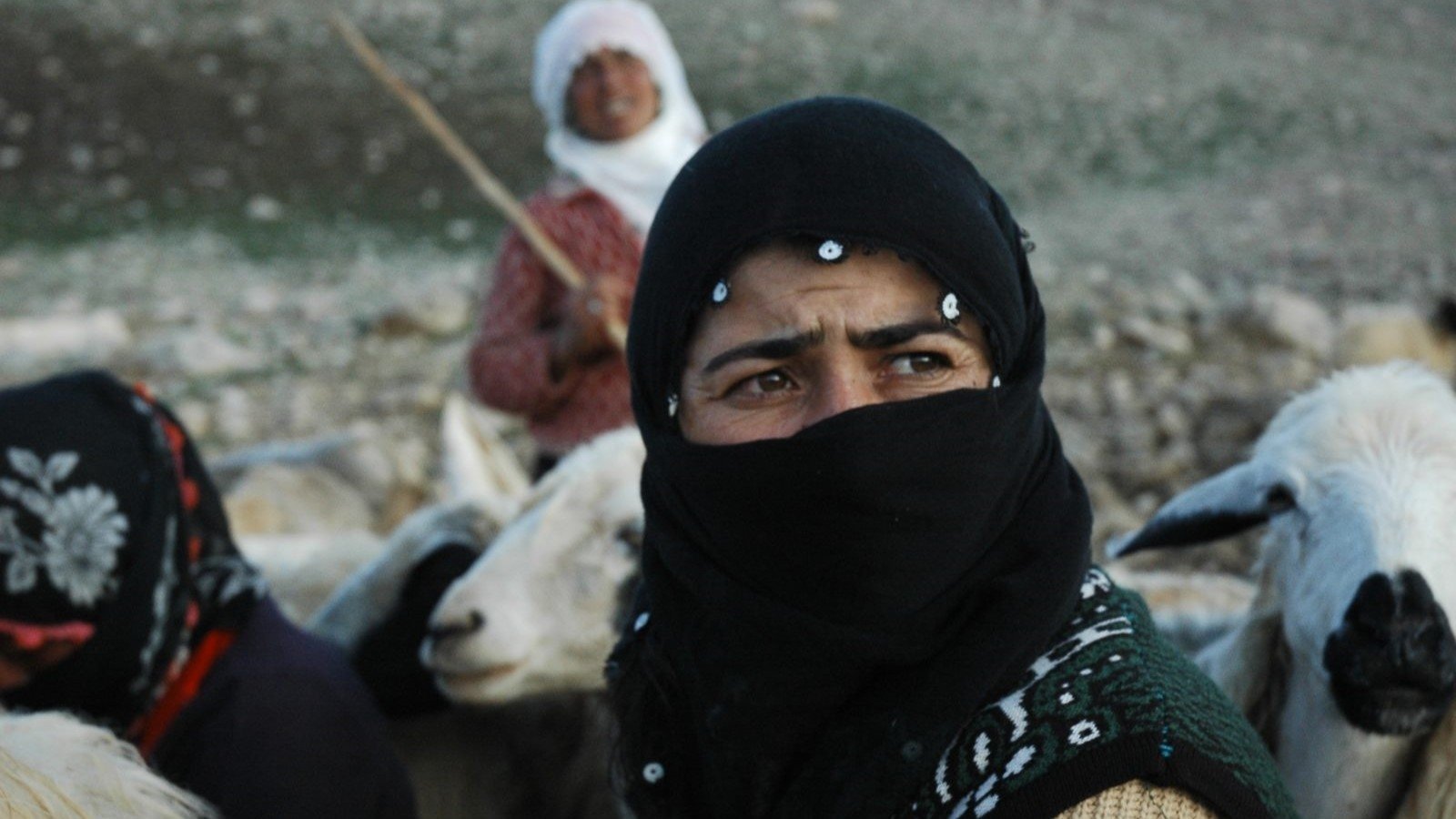
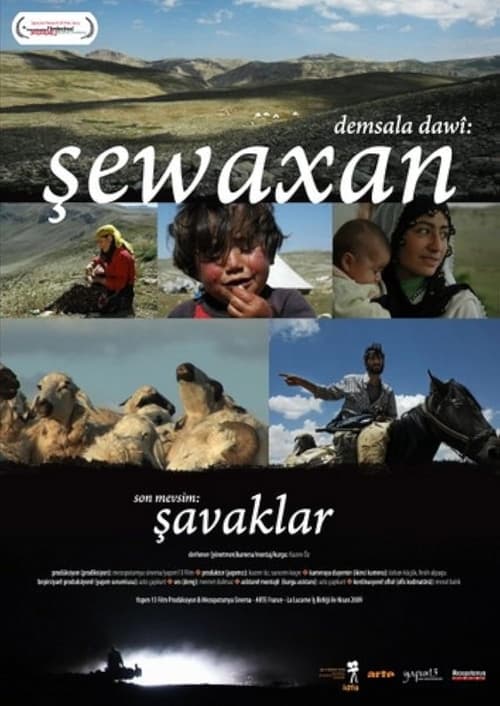
"The Last Season: Shawaks" revolves around an extended Shawak family whose life is marked by seasonal migration.
No Trailers found.
Self
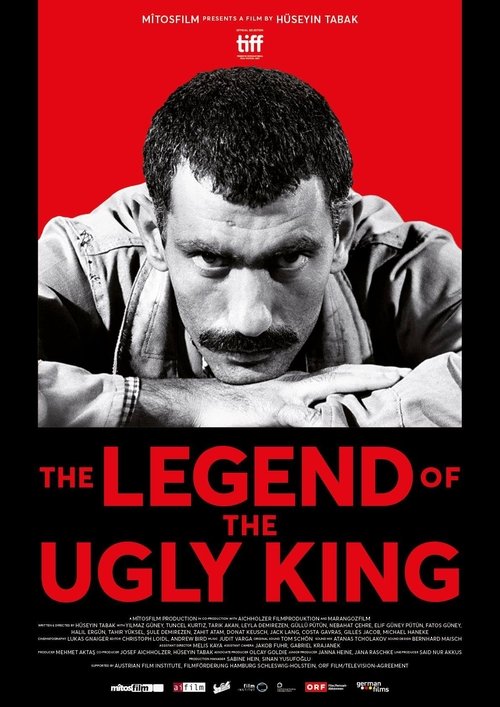
Director Hüseyin Tabak explores the legacy of Yilmaz Güney — political dissident, convicted murderer, and visionary Kurdish filmmaker — who directed the 1982 Palme d'Or–winning Yol from inside prison and died in exile just two years later.
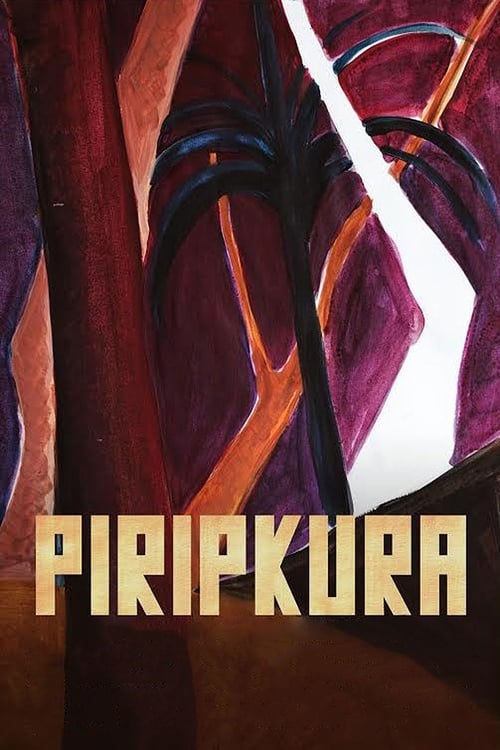
The last two surviving members of the Piripkura people, a nomadic tribe in the Mato Grosso region of Brazil, struggle to maintain their indigenous way of life amidst the region's massive deforestation. Living deep in the rainforest, Pakyî and Tamandua live off the land relying on a machete, an ax, and a torch lit in 1998.
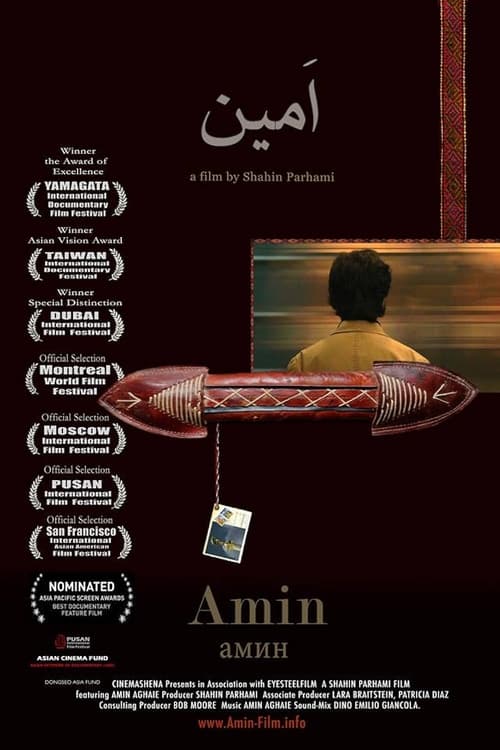
AMIN portrays Qashqai musician Amin Aghaie, a young modern nomad and his family who despite facing steep financial, cultural and political obstacles are dedicated to their art and culture. Amin travels to remote towns and villages to record the music of the surviving masters whose numbers decline each year. His nomadic family are selling their meager belongings to help support their son's education in performance and ethnomusicology at Tchaikovsky's Conservatory in Kyiv, Ukraine, but it is not enough. Amin, desperate to finish his academic education, sells his violins one at a time just to pay for his tuition.
Imagine one of the most remote wildernesses in the world. Granddaughter Masha and Vladimir, the protagonists of this story from Central Siberia try the impossible to keep their nomadic traditions alive.
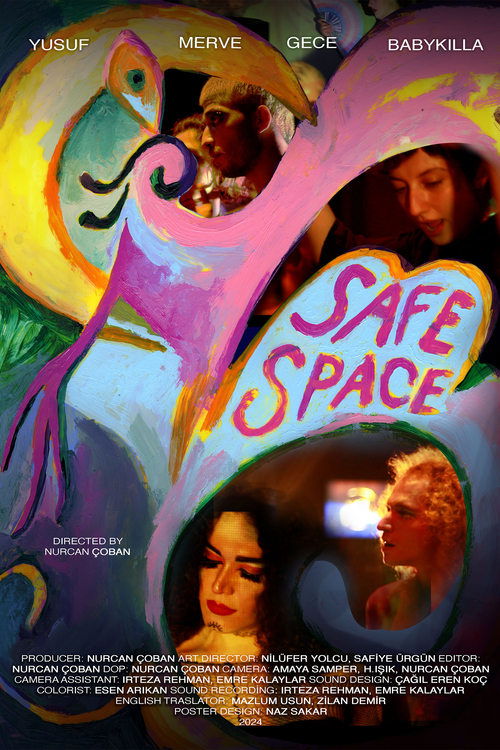
This documentary discusses how LGBTIQA+ people experience the streets and nightlife of Istanbul in terms of a safe space through the unique, yet common experiences of queers from different backgrounds, and focuses especially on nightlife and the issue of safe space there, which is a very critical area for queers to exist as they are.
After Kai saves a woman's life, he turns into an overnight hero and viral sensation — until disturbing truths about his erratic behavior come to light. This shocking documentary chronicles a happy-go-lucky nomad's ascent to viral stardom and the resulting steep downward spiral.
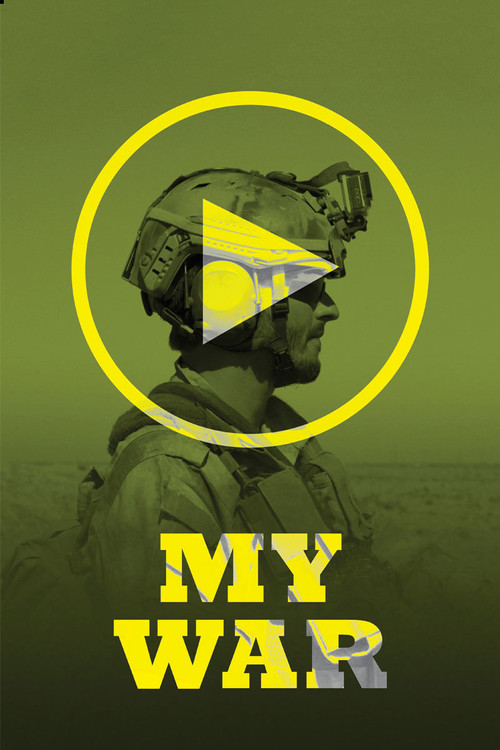
A disturbing portrait of four Western volunteers who risk their lives to fight ISIS alongside Kurdish forces. The feature documentary 'My War' probes the complex motives behind the need to take up arms on someone else’s behalf.
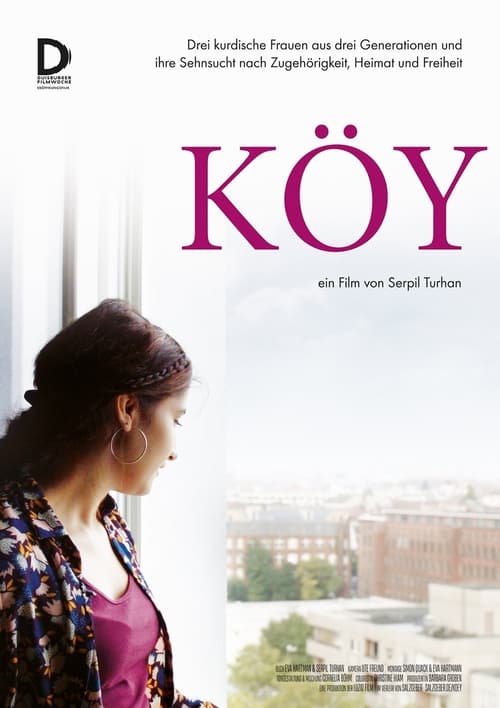
KÖY (Turkish for village) is about the longing for home, for belonging and the freedom of the self. Three women from three generations are united by their Kurdish roots.
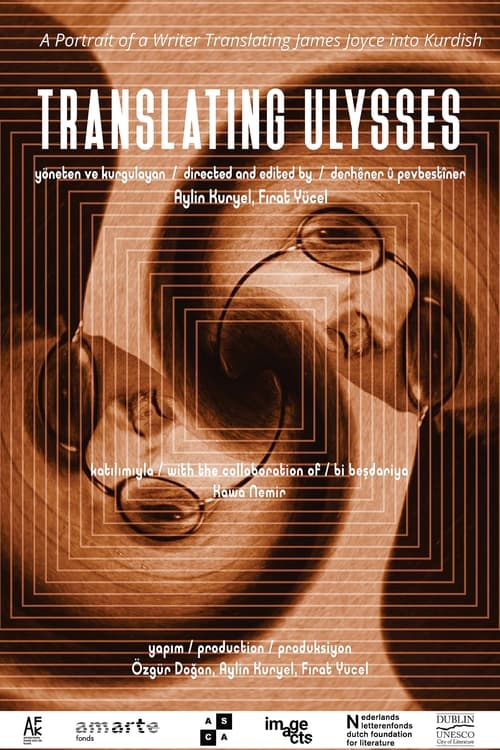
Kawa Nemir is like a walking dictionary of the Kurdish language. He flees Turkey and takes refuge at Anne Frank's former house in Amsterdam. Will he be able to finish the translation of Ulysses and publish it?
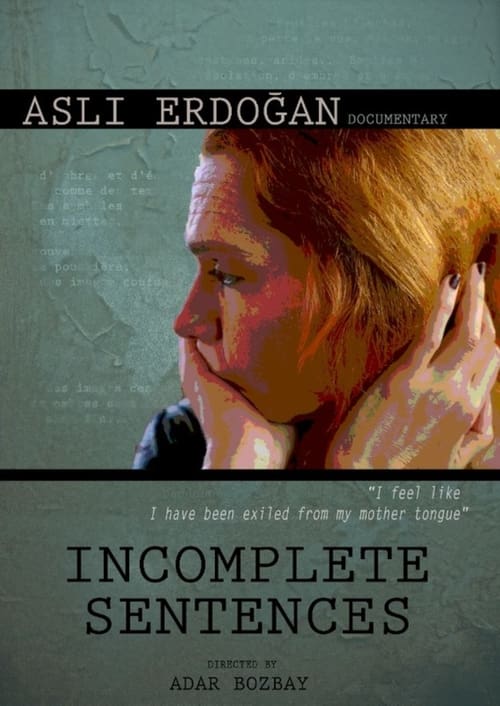
Aslı Erdoğan, world-renowned author and activist, has fallen into silence after she fled to Germany. Incomplete Sentences is a feature documentary on her literature and life, leading to exile in Frankfurt, after the Turkish regime’s oppression results in her unlawful imprisonment. Now, she struggles in exile while everybody is waiting for her to write again. Right after getting out of prison Aslı starts telling her story to the director, wandering in the streets of Istanbul she recites parts from her books and explains the stories behind. When Aslı goes to Germany to receive the Erich Maria Remarque Award she cannot return; thus her exile, which she likens to a semi-open prison, begins. As her health deteriorates and keeps her from writing, the tragedy in her books becomes her own reality.
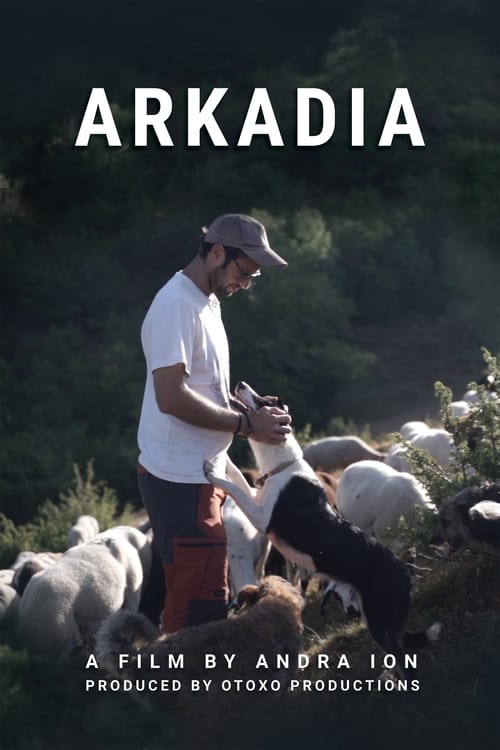
In a world where farming is mechanized and farm animals are fed with products coming from across the globe, a young shepherd is trying to keep his practice sustainable by using ancestral ways to raise his flock.
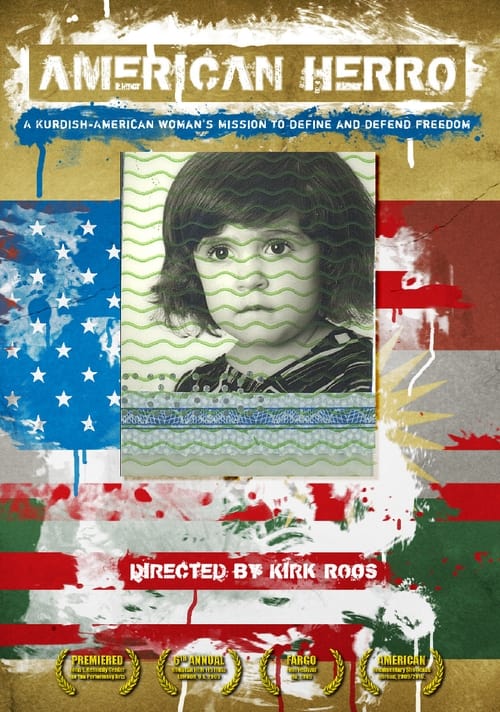
American Herro is the remarkable story of a young Kurdish girl who comes to America as a refugee from Iraq and lives out the American dream. 30-years later, traveling the globe working for Condoleeza Rice, U.S. Diplomat Herro Mustafa invites her first American friend, filmmaker Kirk Roos, to visit Iraq and retrace her steps to freedom.
In recent years, the number of people living in a bus or camper has increased significantly. But for this growing group, there are fewer and fewer places where you can legally park. The Kardinge car park in Groningen, a popular refuge for people staying in their campers, is also under pressure. Does the Netherlands actually have room for nomads and what drives people to want to live off the beaten track? Filmmaker Tom Tieman temporarily goes into hiding at the Kardinge car park and meets the current residents. Read more
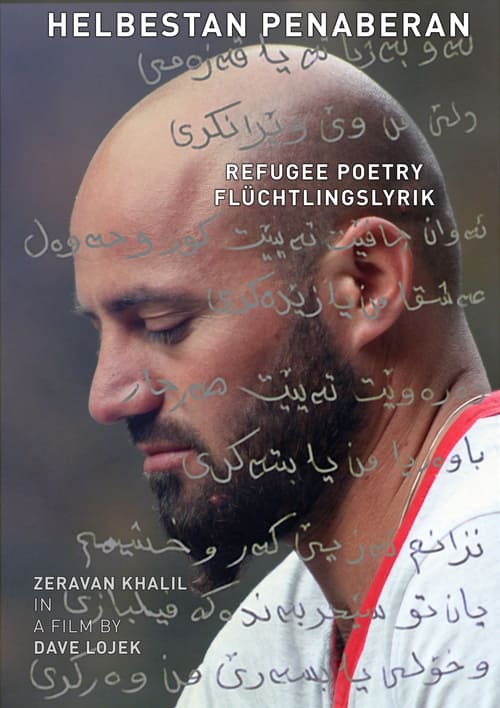
The Kurdish Iraqi poet and actor Zeravan Khalil travels with his dog through an Alpine gorge after fleeing from IS war and genocide. As he remembers the abomination, he writes a poem with the title “You drive me mad” in Kurmanji Kurdish. In his home country, Yazidic Kurds are forbidden to work in his profession. Then he eats his apple and wanders through Europe’s middle with more hope.
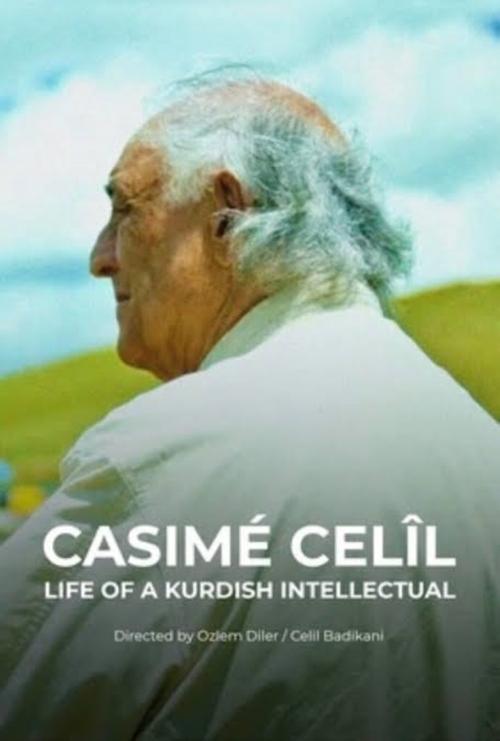
Casimê Celîl was born into a Yezidi Kurdish family in 1908, in a village called Kızılkule, located in Digor, Kars. The village and family life, which he longed to remember throughout his life, ends with the massacre they endured in 1918. During his long road to Erivan, Armenia, he lost all his family members. Left all alone, Casim was placed into an orphanage and was forced to change his name. To remember who he was and where he came from, every morning he repeated the mantra “Navê min Casim e, Ez kurê Celîlim, Ez ji gundê Qizilquleyê Dîgorê me, Ez Kurdim, Kurdê Êzîdî me”, which translates to: “My name is Casim, I am the son of Celîl, I come from the village of Kızılkule in Digor, I am a Kurd, and I am Yezidi”. He clings to every piece of his culture he can find, reads, and saves whatever Kurdish literature or art he comes across. As the year’s pass, Casim finds himself with an impressive collection of Kurdish culture and history.
Three women, three wars, one dream. Lanja is a journalist in Iraq fearlessly fighting against honor violence. Maia in Abkhazia battles archaic customs like 'bride kidnapping'. Nelly runs a women's shelter in the slums of Monrovia, Liberia. A universal story of women's courage and survival in the aftermath of war.
Here, where even monsters are political, the topography has its own memory. It has the mythological blues. Meanwhile, old gods are upset with us, and I am upset with my father.
The Meaning of Vanlife is an adventurous, revealing look into the Vanlife community through the eyes of nomads who have chosen to live a life of freedom on the road. A movement that exemplifies a deeper societal trend towards minimalism and authentic community building.
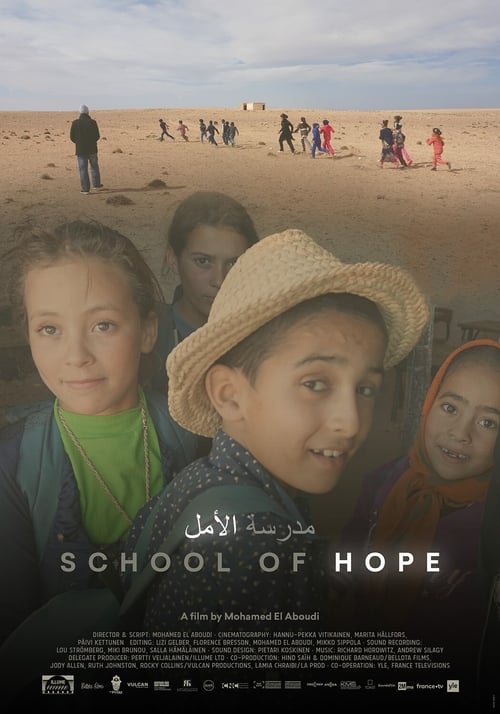
In the vast expanse of desert East of Atlas Mountains in Morocco, seasonal rain and snow once supported livestock, but now the drought seems to never end. Hardly a blade of grass can be seen, and families travel miles on foot to get water from a muddy hole in the ground. Yet the children willingly ride donkeys and bicycles or walk for miles across rocks to a "school of hope" built of clay. Following both the students and the teachers in the Oulad Boukais Tribe's community school for over three years, SCHOOL OF HOPE shows students Mohamed, Miloud, Fatima, and their classmates, responding with childish glee to the school's altruistic young teacher, Mohamed. Each child faces individual obstacles - supporting their aging parents; avoiding restrictions from relatives based on traditional gender roles - while their young teacher makes do in a house with no electricity or water.
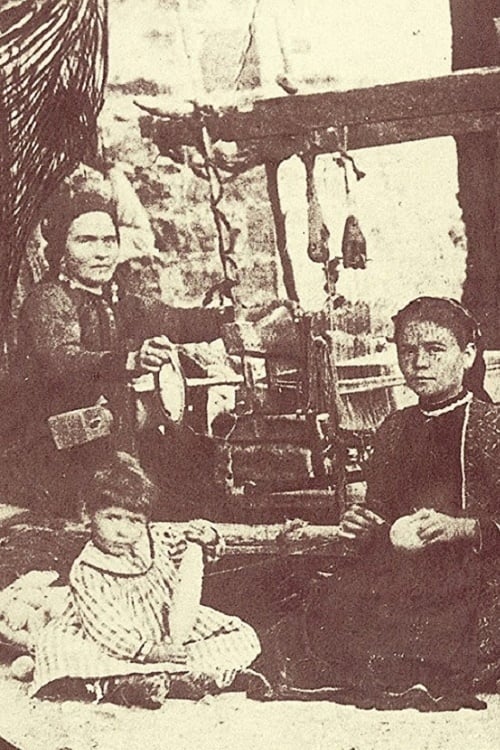
Early Balkan footage.