A look at the destruction that follows the breaking of long-neglected dikes and the measures being taken to prevent future problems.
No Cast found.
How safe is the future of the world’s food? This documentary explores a growing crisis in world agriculture. Plant breeding has created today’s crops, which are high yielding but vulnerable to disease and insects. To keep crops healthy, breeders tap all the genetic diversity of the world’s food plants. But that rich resource is quickly being wiped out. (NFB)
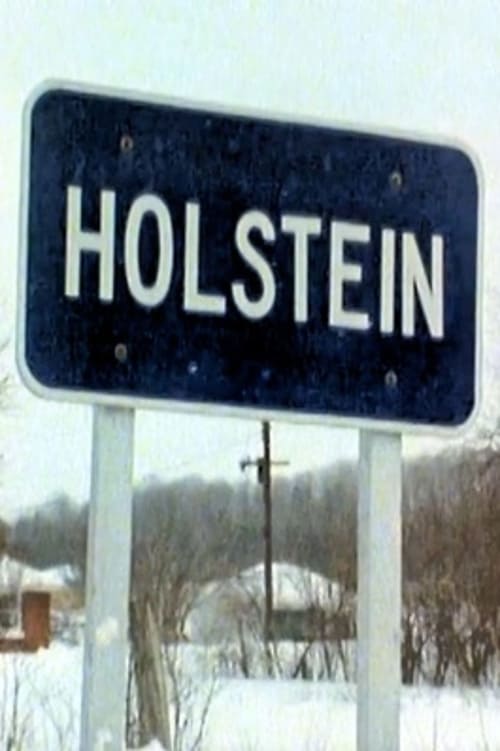
A portrait of a small Ontario town, this film introduces its audience to the people of Holstein by filming them in the old-fashioned general store, the blacksmith's shop and the town granary. Old-time residents reminisce, while old-fashioned sleighs travel down the main road bordered by beautiful old frame houses.
Traces the historical evolution of these structures that make-up “the cloud”, the physical repositories for the exponentially growing amount of human activity and communication taking form as digital data.
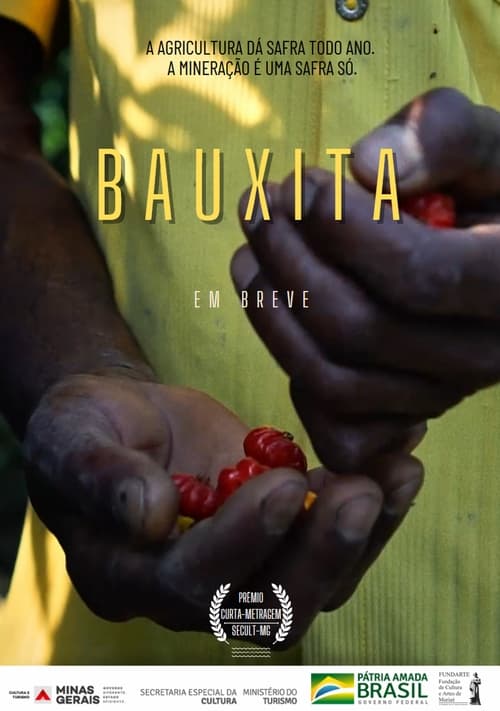
Brazil is one of the most dangerous countries for environmentalists. The rural community of Belisário holds the country's second largest bauxite reserve, right below one of the most bio-diverse areas in the world: the Atlantic Forest. The small community was shaken when the beloved Gilberto, a Franciscan Friar, received a death threat followed by the lines: "you've been talking against mining way too much". PT: O Brasil é um dos países mais perigosos do mundo para defensores do meio ambiente. Em Minas Gerais, a comunidade rural de Belisário abriga a segunda maior reserva de bauxita do país, em uma das áreas de maior biodiversidade do mundo: a Mata Atlântica. A tranquilidade do pequeno vilarejo foi abalada quando Frei Gilberto, um franciscano que dedica sua vida à preservação da natureza, recebeu uma ameaça de morte com o seguinte aviso: "você tem falado demais contra a mineração".
Merging sweeping wine country footage with insightful interviews, filmmaker Lori Miller showcases the dynamic natural wine movement that is transforming a growing number of Northern California vineyards.
The drought in the American West is predicted to be the worst in 1,000 years. Join five Academy Award-winning filmmakers as they explore the environmental crisis of our time and how to fix it before it's too late.
As the global economics of dairy farming has winnowed out most small and medium-sized dairies, the surviving farmers confront pressures to intensify production, even as they find that getting bigger presents new problems.
The roller-coaster ride of the upstart transportation company, embodying the highs and lows of Silicon Valley.
Within the coming decades we will be able to create AIs with greater than human intelligence, bio-engineer our species and re-design matter through nanotechnology. How will these technologies change what it means to be human? Director Doug Wolens speaks with leading futurists, computer scientists, artificial intelligence experts, and philosophers who turn over the question like a Rubik’s Cube. Ultimately, if we become more machine-like, and machines more like us, will we sacrifice our humanity to gain something greater? Or will we engineer our own demise? THE SINGULARITY is a comprehensive and insightful documentary film that examines technology’s accelerating rate, and deftly addresses the resulting moral questions.
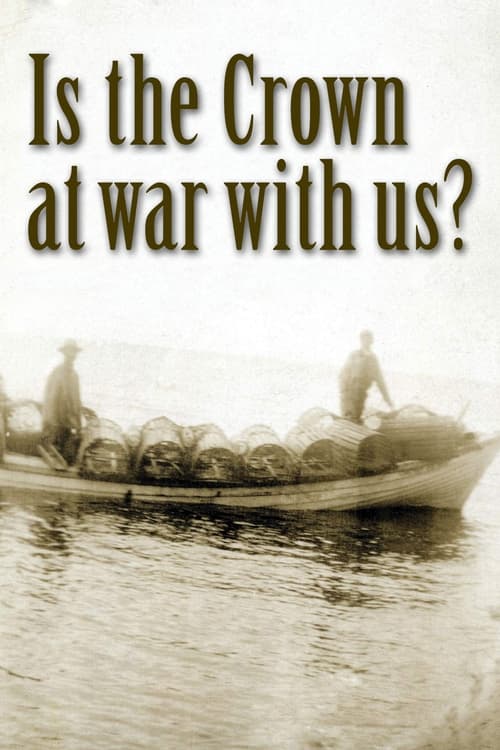
In the summer of 2000, federal fishery officers appeared to wage war on the Mi'gmaq fishermen of Burnt Church, New Brunswick. Why would officials of the Canadian government attack citizens for exercising rights that had been affirmed by the highest court in the land? Alanis Obomsawin casts her nets into history to provide a context for the events on Miramichi Bay.
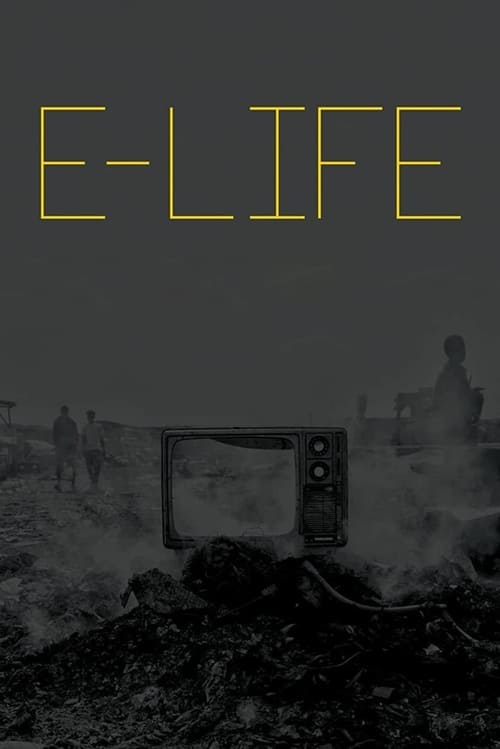
Computers, smart phones, and tablets are now a part of our daily lives. They have revolutionised the way we work, the way we communicate and the way we view the world. But what happens to our old phone when we upgrade? Where does our broken computer go after we throw it out? 'e-Life' explores what happens to our electrical goods when we throw them away and exposes some unpleasant (and perhaps unknown) truths about the detrimental affects e-waste has on people's health, the environment and the economy. From consumers in the UK to the recyclers in the dumps of Ghana, the documentary will follow the journey of our e-waste. We will examine current manufacturing and disposal processes and also assess the burden the boom in electronic goods is placing on global resources. 'e-Life' will be an objective portrayal of the problem of e-waste that documents the issue through carefully crafted cinematography.
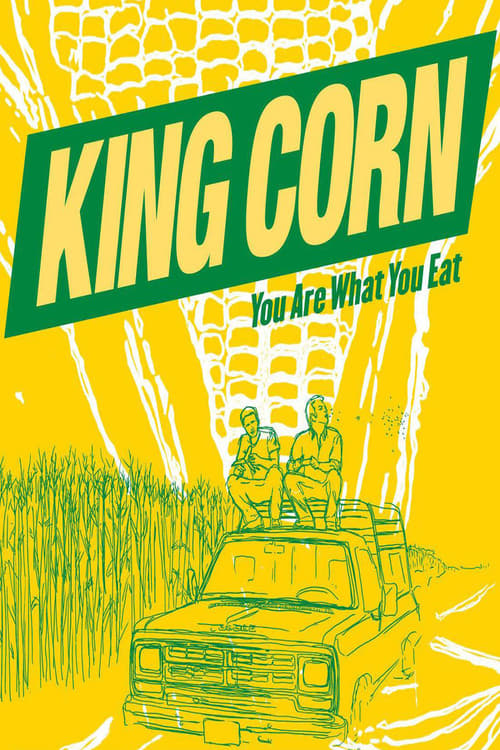
King Corn is a fun and crusading journey into the digestive tract of our fast food nation where one ultra-industrial, pesticide-laden, heavily-subsidized commodity dominates the food pyramid from top to bottom – corn. Fueled by curiosity and a dash of naiveté, two college buddies return to their ancestral home of Greene, Iowa to figure out how a modest kernel conquered America. With the help of some real farmers, oodles of fertilizer and government aide, and some genetically modified seeds, the friends manage to grow one acre of corn. Along the way, they unlock the hilarious absurdities and scary but hidden truths about America’s modern food system in this engrossing and eye-opening documentary.
Is there a mental health crisis in agriculture in Colorado? Farming and ranching has become increasingly difficult over the years. An industry that is typically viewed as romantic, hardworking, and "salt-of-the earth" is actually a job full of tremendous stress outside of anyone's control. Combine that with the enormous generational pressure to continue the family farm, and you have a large group of people that are suffering silently. How do we take care of those that are taking care of us?
No overview available.
Documentary which follows the construction of a trailblazing 36,000-tonne steel structure to entomb the ruins of the nuclear power plant destroyed in the 1986 Chernobyl disaster.
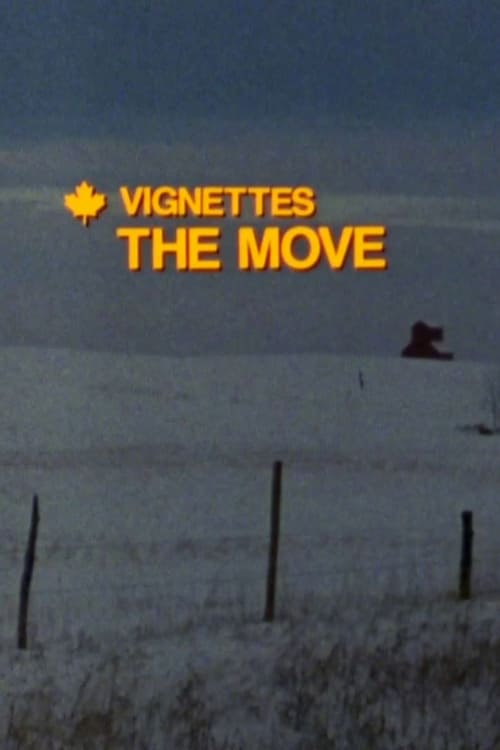
In this short documentary from the Canada Vignettes series, a Saskatchewan grain elevator is moved across the snow-covered prairie to a new home after nearly a half-century of use. The film follows the lifting and transporting of the 9-storey, 200-ton structure, and examines the feelings of the people as they witness the final passing of their town's one and only grain elevator.
The agriculture reforming process, after the 1974 revolution, is seen through an analysis of the social structures and class struggles of the Portuguese society.
In barely a century, French peasants have seen their world profoundly turned upside down. While they once made up the vast majority of the country, today they are only a tiny minority and are faced with an immense challenge: to continue to feed France. From the figure of the simple tenant farmer described by Emile Guillaumin at the beginning of the 20th century to the heavy toll paid by peasants during the Great War, from the beginnings of mechanization in the inter-war period to the ambivalent figure of the peasant under the Occupation, From the unbridled race to industrialization in post-war France to the realization that it is now necessary to rethink the agricultural model and invent the agriculture of tomorrow, the film looks back at the long march of French peasants.
William Shatner presents a light-hearted look at how the "Star Trek" TV series have influenced and inspired today's technologies, including: cell phones, medical imaging, computers and software, SETI, MP3 players and iPods, virtual reality, and spaceship propulsion.
Filmed 2 years before his death, this documentary portrays New Brunswick folk artist Joseph Sleep (1913-1978) in his later life. He was born at sea and worked with and around boats, fish, carnivals, and animals most of his life. While convalescing during an extended period in the Halifax infirmary in 1973, he was encouraged to paint. What began is therapy and a pastime developed into a way of representing a lifetime of images and experience
No Trailers found.