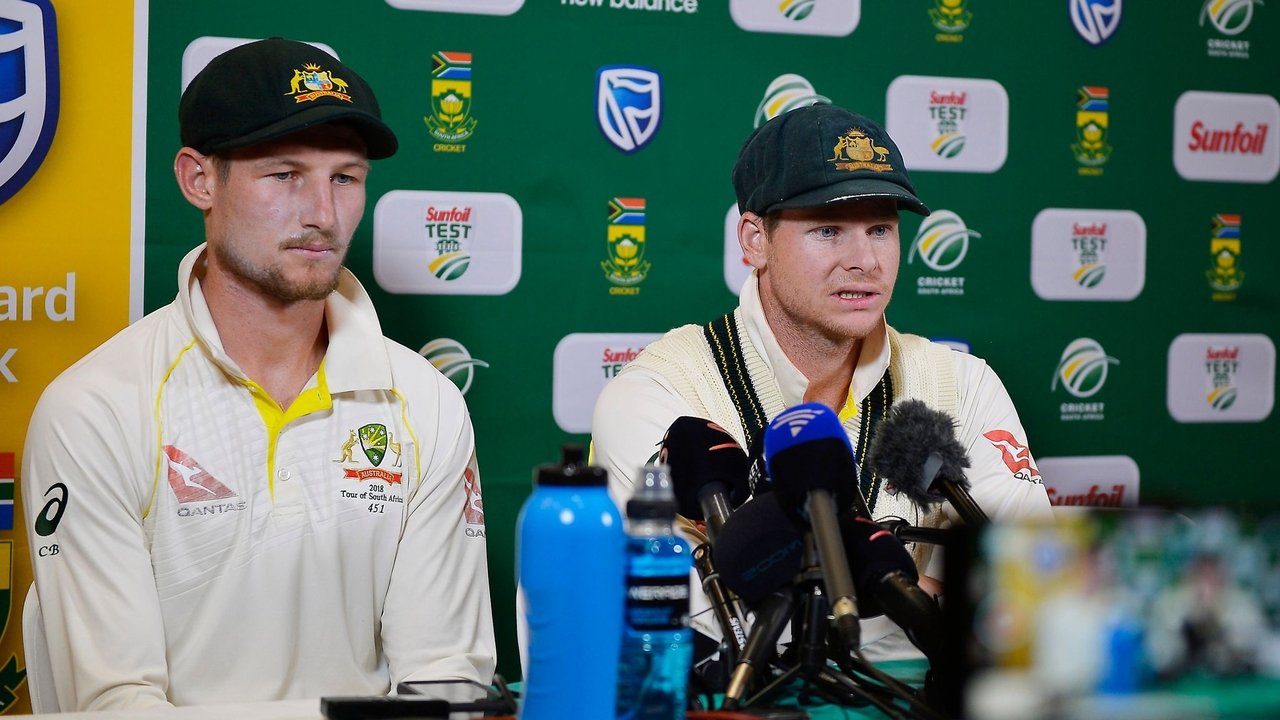
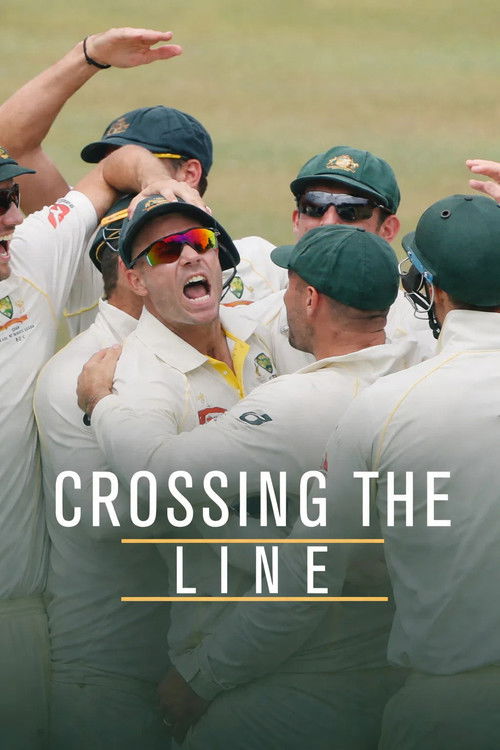
This is the story of the highly controversial 2018 Test series between Australia and South Africa involving the infamous ball-tampering scandal, Sandpapergate.
No Trailers found.
Self - Narrator
Self
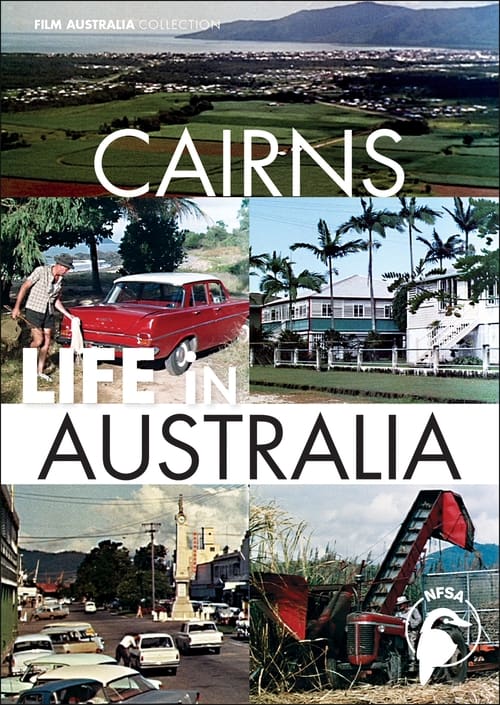
A small city in the tropical north of Queensland, Cairns boasts a life that is leisurely and comfortable. The tempo quickens, however, at cane-cutting time when the sugar is harvested, and in winter when tourists come north to escape the cold. The Life In Australia series portrays Australian cities and rural centres as happy, lively places where good homes, abundant jobs, schools, hospitals and amenities provide the foundation for a relaxed lifestyle where sport, shopping, religion and even art combine to create a homogenous and prosperous society.
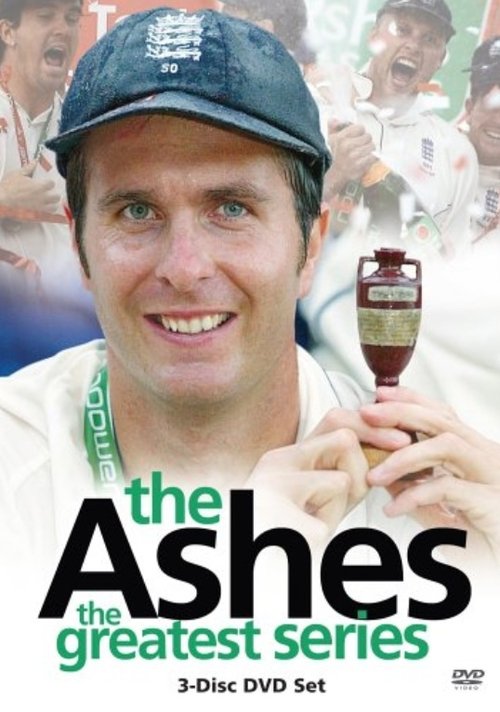
It's about the legendary 2005 Ashes series, which is arguably the greatest test series ever played, and made 'Freddy' Flintoff an England superstar forever
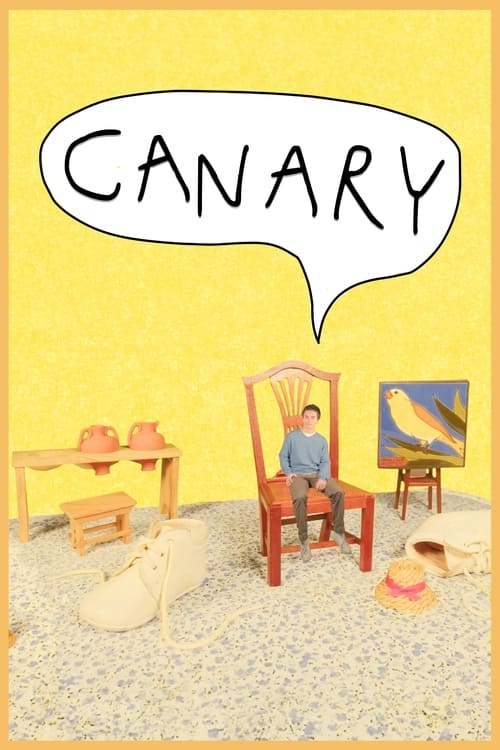
A colourful look into the life of Canary Islands Immigrant Montse, her journey in Australia, and the story of connecting with your culture as a means of connecting with yourself.
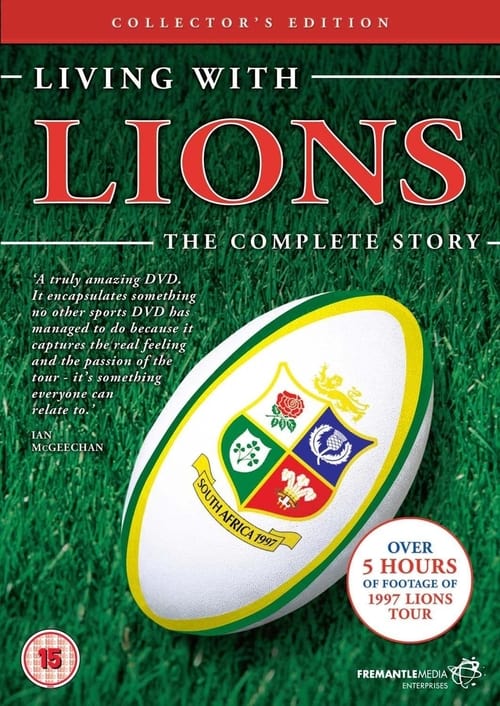
Exclusive two-disc film documenting the British and Irish Lions tour to South Africa in the summer of 1997. The unprecedented behind-the-scenes access to the team shows the preparations, the training, the fun, the team selection, the 'earthy' language, the bonding, the awesome task of playing and some shocking footage of injuries. Despite securing the series with wins in the first two tests, the Lions remained motivated by the prospect of a 3-0 whitewash, a feat never achieved against the Springboks throughout the century.
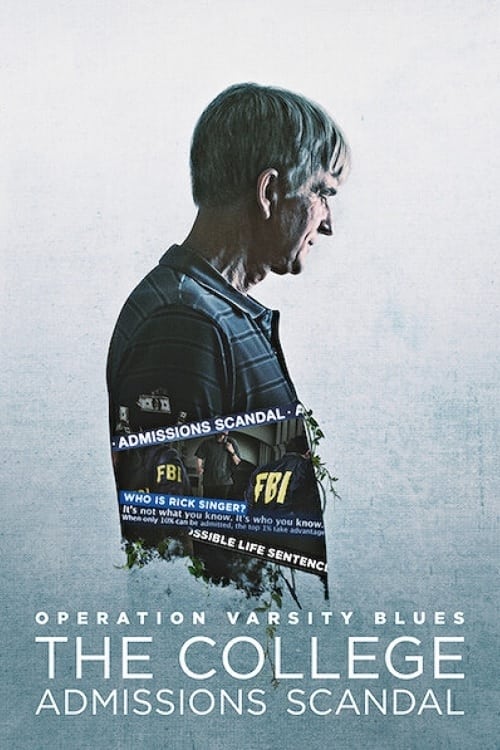
An examination that goes beyond the celebrity-driven headlines and dives into the methods used by Rick Singer, the man at the center of the shocking 2019 college admissions scandal, to persuade his wealthy clients to cheat an educational system already designed to benefit the privileged.
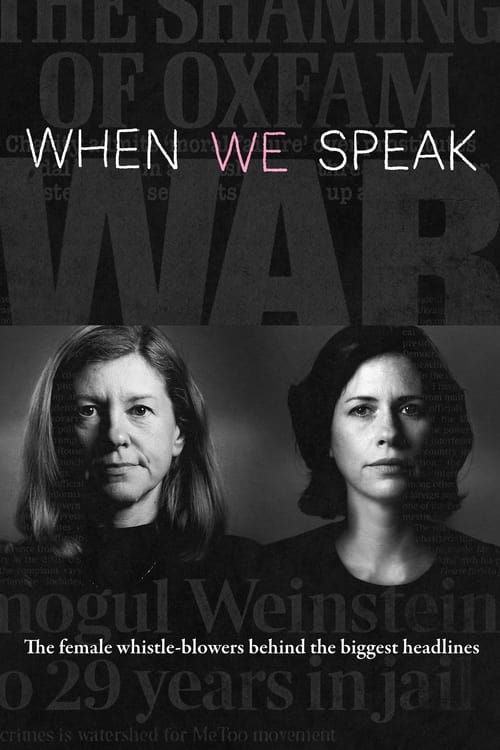
Three incredible stories of women who risked everything to tell the truth. Their stories became worldwide scandals and took a personal toll on each of their lives
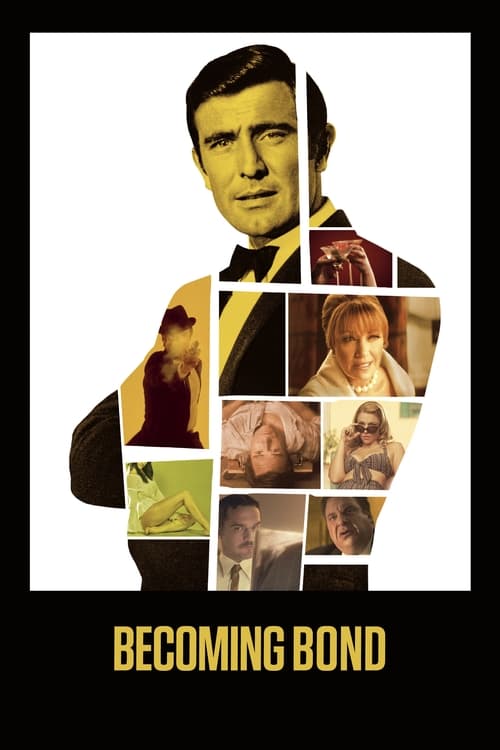
The stranger-than-fiction true story of George Lazenby, a poor Australian car mechanic who, through an unbelievable set of circumstances, landed the role of James Bond despite having never acted a day in his life.
In the pinnacle of their Stack Is The New Black national tour, Short Stack play the Sydney Opera House in a sold out mega-show.
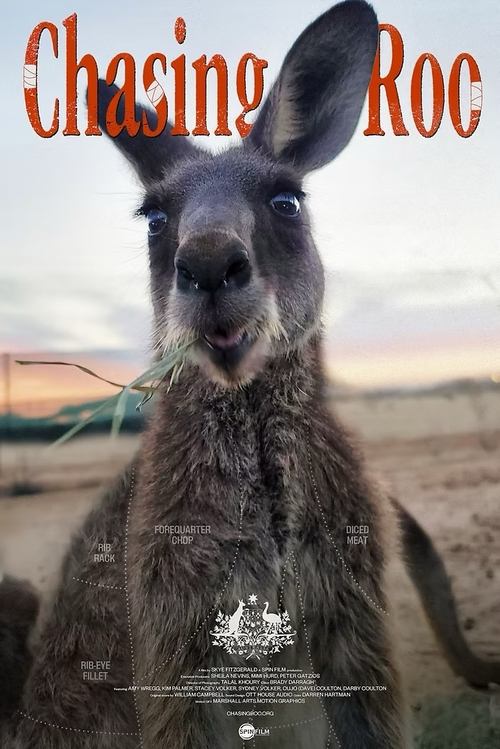
A portrait of wildlife rescue experts devoting their lives to saving kangaroos in tension with professional hunters seeking to harvest them.
C1RCA Footwear presents it's full length video with team members Adrian Lopez, Jon Allie, Colt Cannon, Peter Ramondetta, and others.
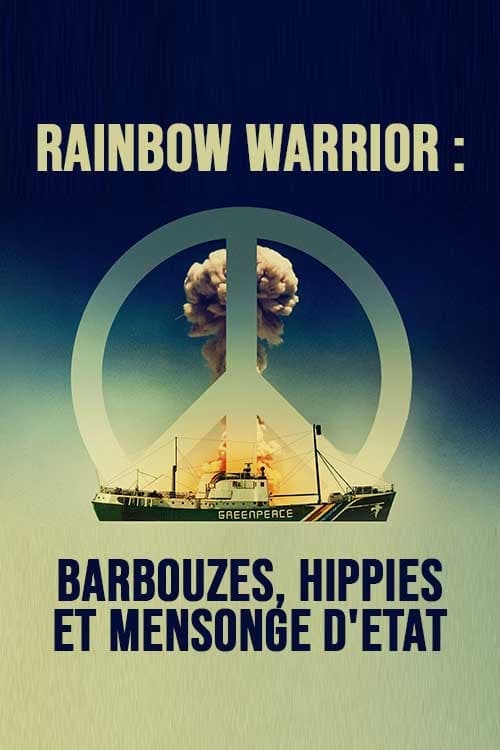
The Rainbow Warrior was a Greenpeace ship that was bombed by operatives of the French government, in New Zealand in 1985, while heading to a protest against nuclear testing, tragically taking the life of photographer Fernando Pereira. Edward McGurn’s enlightening and exciting documentary uncovers a tangled tale of nuclear weapons, geopolitical coverups, and attempts to take action against impending environmental collapse. Was Pereira’s death an accident or part of a larger political plot?
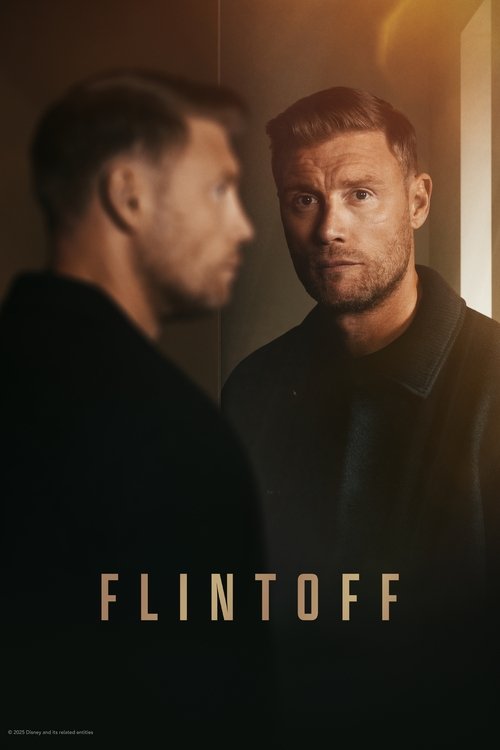
Looks back at Andrew 'Freddie' Flintoff’s incredible life and cricketing career that saw him win two Ashes series with England and become a national sporting hero, whilst charting his life today and return to cricket following his life-altering car crash in 2022.
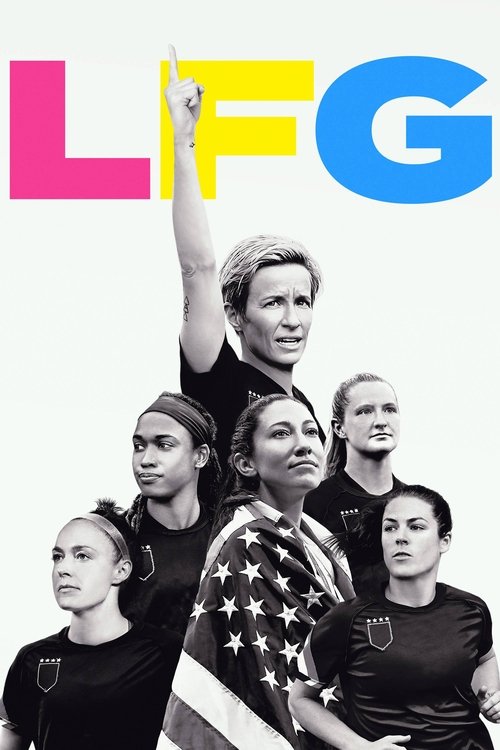
Three months before the 2019 World Cup, the U.S. Women’s National Soccer Team filed a gender discrimination lawsuit against the United States Soccer Federation. At the center of this no-holds-barred account are the players themselves–Megan Rapinoe, Jessica McDonald, Becky Sauerbrunn, Kelley O'Hara and others–who share their stories of courage and resiliency as they take on the biggest fight for women's rights since Title IX.
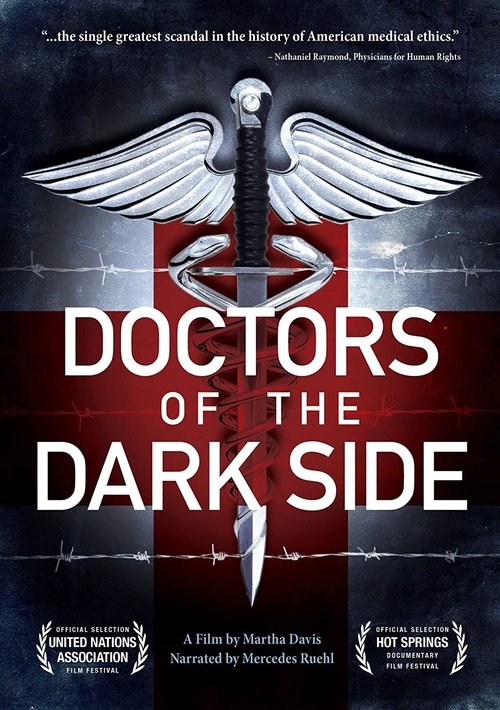
Doctors of the Dark Side is the first feature length documentary about the pivotal role of physicians and psychologists in detainee torture. The stories of four detainees and the doctors involved in their abuse demonstrate how US Army and CIA doctors implemented the Enhanced Interrogation Techniques and covered up signs of torture at Guantanamo and Abu Ghraib. Interviews with medical, legal and intelligence experts and evidence from declassified government memos document what has been called the greatest scandal in American medical ethics. Based on four years of research by Producer/Director Martha Davis, written by Oscar winning Mark Jonathan Harris, and filmed in HD by Emmy winning DP Lisa Rinzler, the film shows how the torture of detainees could not continue without the assistance of the doctors.
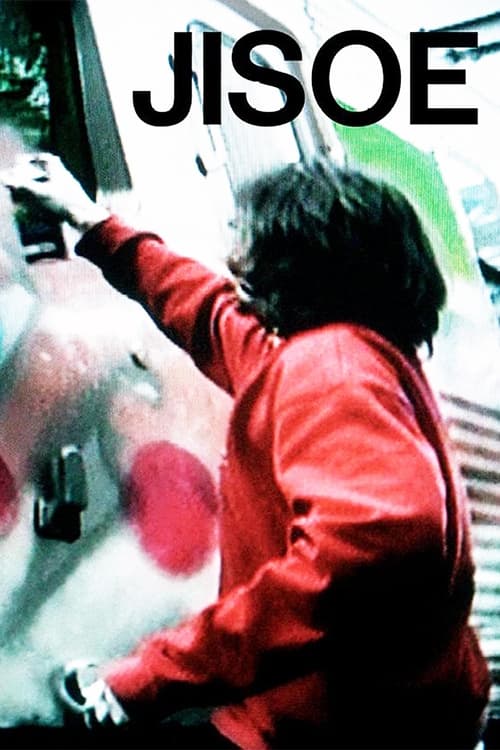
A year in the life of troubled Australian graffiti artist Justin Hughes.
In this short documentary, we take a look at the history and future of roller derby in the Netherlands, while also touching on subjects such as image and the rise of men’s teams in this traditionally female sport. We tried to capture the Roller Derby culture with grungy 16mm film overlays and an eclectic mix of colors, switching from black and white, back to color. This, combined with the use of stock footage, the Whip It trailer and choice of music really help to sell the vibe and sensibilities of roller derby.
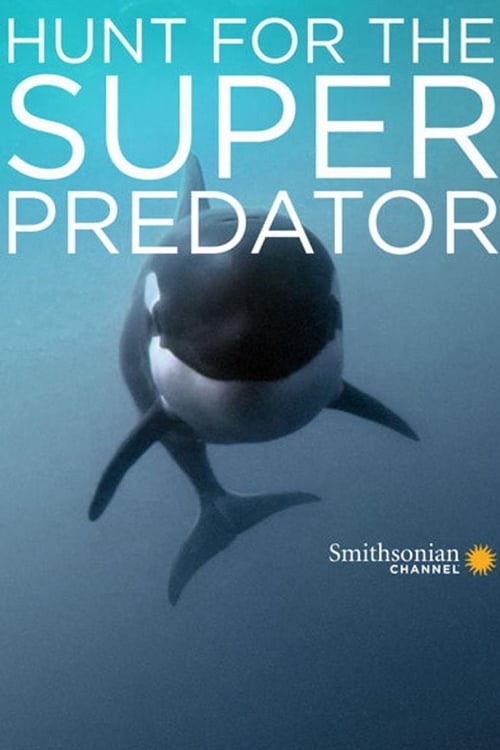
There's a mysterious predator lurking in the depths of Australia's wild Southern Ocean, a beast that savagely devoured a great white shark in front of cinematographer David Riggs 11 years ago. Riggs's obsession to find the killer leads him to an aquatic battle zone that's remained hidden until now. Here, killer whales, colossal squid and great white sharks face off in an underwater coliseum where only the fiercest creatures of the marine world survive.
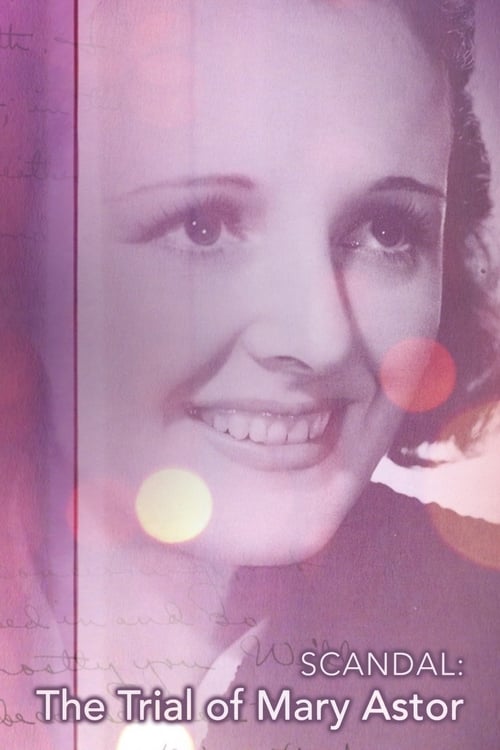
This documentary recounts the difficult choice actress Mary Astor had to make after learning her personal, very intimate, diaries had been stolen. The film tells the story of Astor's 1936 child custody case.
RODEO ROAD explores the unique cowboy culture of Australia's remote north west in the pursuit of the rodeo dream - eight seconds of bull riding glory. Each year cowboys from across the Kimberley load up their saddles, chaps and wranglers and go rough-riding. Some are born and bred in the saddle, while others are young ringers from over east who come to muster through the dry season. Come rodeo time they are chasing the dream, gripped by the rodeo fever of the wild north west.
An anthology of award winning short films, this feature show cases an international cast and crew, shooting all over New South Wales, telling all kinds of stories.