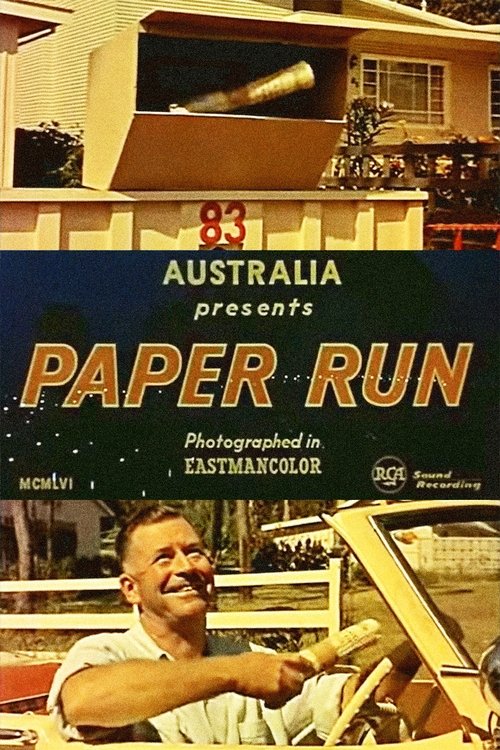
A panorama of scenic beauty unfolds as the newspaper delivery man works his run along Sydney's northern beaches of Newport and the Palm Beach area.
No Trailers found.
No Cast found.
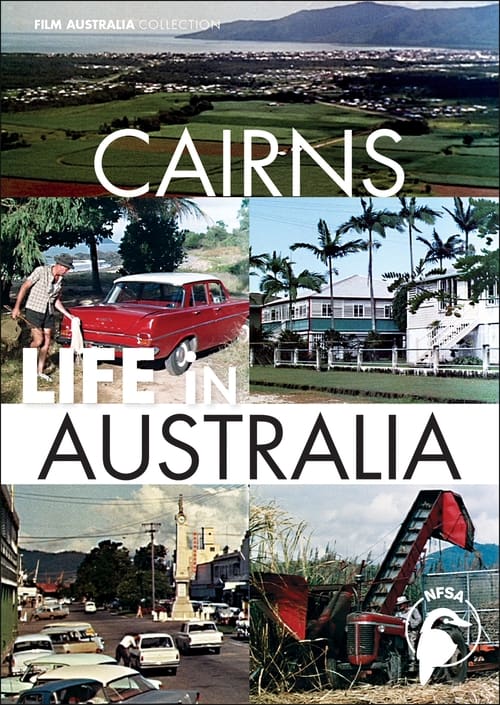
A small city in the tropical north of Queensland, Cairns boasts a life that is leisurely and comfortable. The tempo quickens, however, at cane-cutting time when the sugar is harvested, and in winter when tourists come north to escape the cold. The Life In Australia series portrays Australian cities and rural centres as happy, lively places where good homes, abundant jobs, schools, hospitals and amenities provide the foundation for a relaxed lifestyle where sport, shopping, religion and even art combine to create a homogenous and prosperous society.
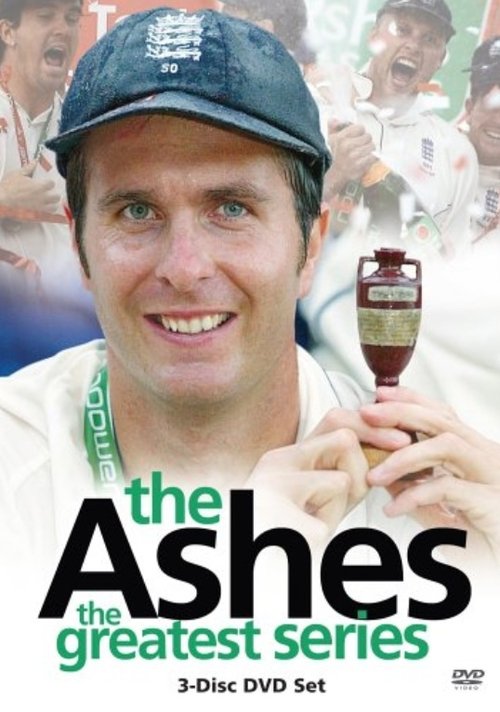
It's about the legendary 2005 Ashes series, which is arguably the greatest test series ever played, and made 'Freddy' Flintoff an England superstar forever
No overview available.
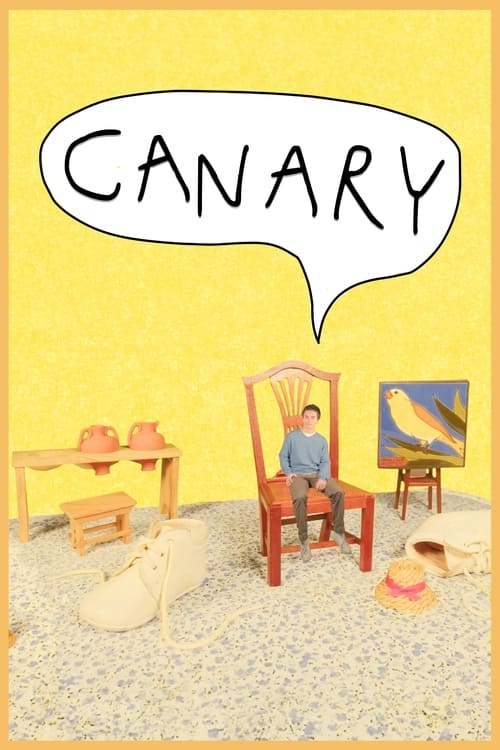
A colourful look into the life of Canary Islands Immigrant Montse, her journey in Australia, and the story of connecting with your culture as a means of connecting with yourself.
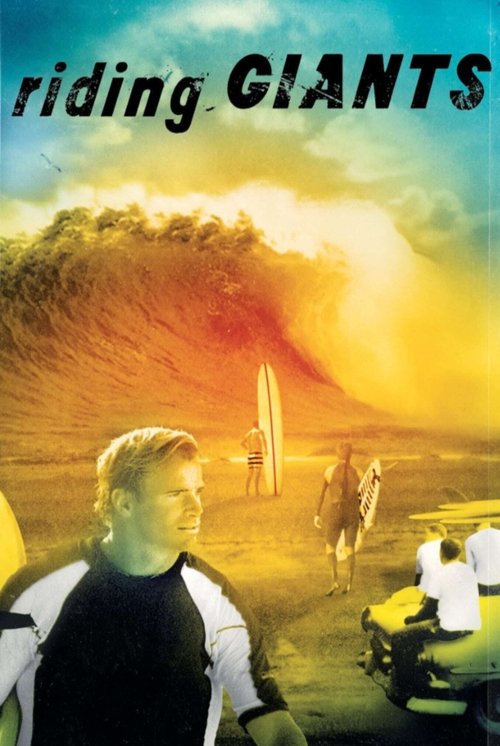
Riding Giants is story about big wave surfers who have become heroes and legends in their sport. Directed by the skateboard guru Stacy Peralta.
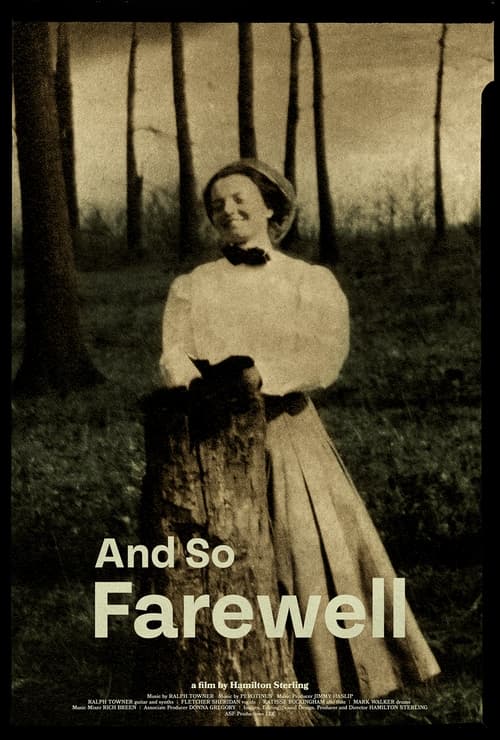
An immigrant, working-class family lives through the horrors of the 20th century and raises a son who honors them. This memoir film is told entirely with image, music, and sound by filmmaker and sound designer Hamilton Sterling, guitarist and composer Ralph Towner, and Grammy winning music producer Jimmy Haslip. Available Now on: watch.eventive.org
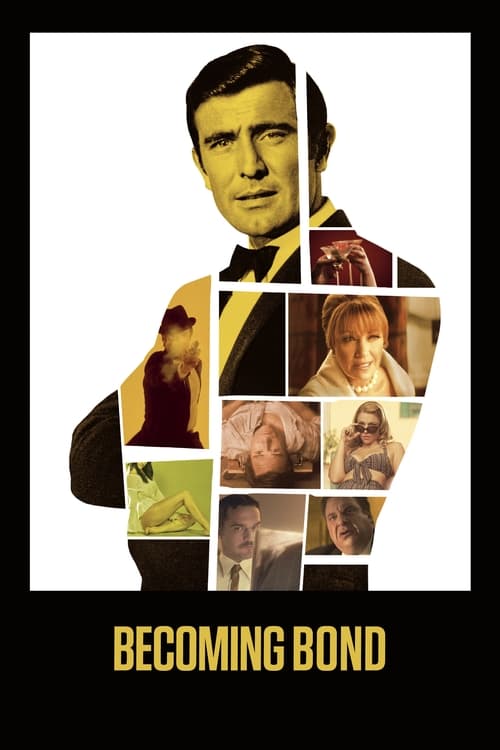
The stranger-than-fiction true story of George Lazenby, a poor Australian car mechanic who, through an unbelievable set of circumstances, landed the role of James Bond despite having never acted a day in his life.
In the pinnacle of their Stack Is The New Black national tour, Short Stack play the Sydney Opera House in a sold out mega-show.
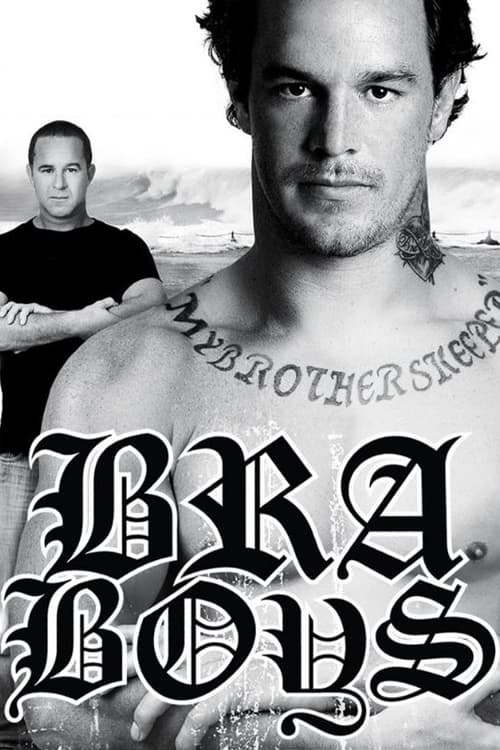
A film about the cultural evolution of the Sydney beach side suburb of Maroubra and the social struggle faced by it's youth - the notorious surf gang known as the Bra Boys.
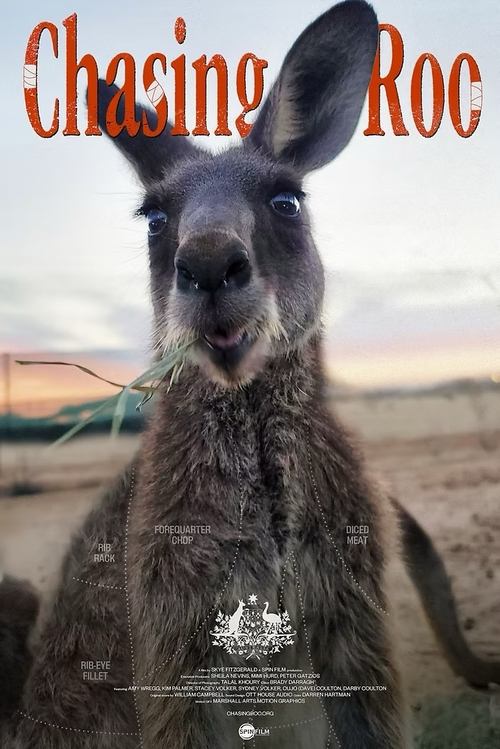
A portrait of wildlife rescue experts devoting their lives to saving kangaroos in tension with professional hunters seeking to harvest them.
The nostalgic retrospective of the time from a very candid perspective, over five chapters.
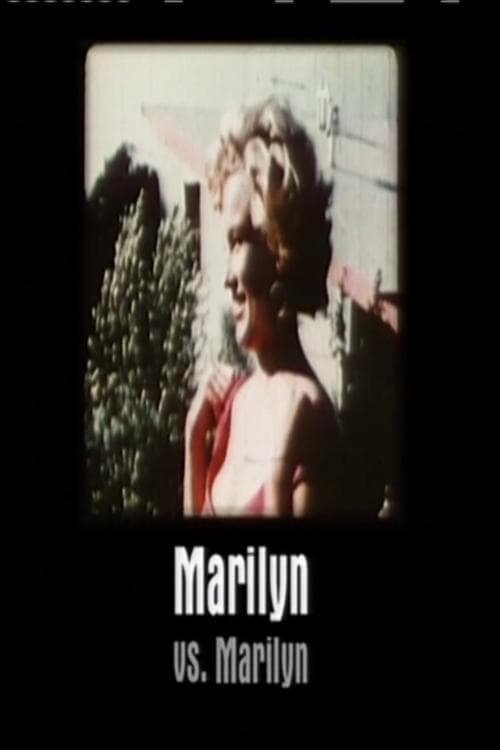
“Marilyn vs. Marilyn” tells the story of a little-known period of Marilyn’s life – the years she spent in New York, trying to became a ‘serious”’ actress, taking lessons with Lee Strasberg and setting up a production company with her photographer and trusted friend, Milton Green. Based on hitherto unpublished – and magical - photos from the Greene archives, the film focuses on the photographic image of a woman who remains one of the greatest legends in the history of cinema… and an enduring enigma.
A roller-coaster ride through the history of American exploitation films, ranging from Roger Corman's sci-fi and horror monster movies, 1960s beach movies, H.G. Lewis' gore-fests, William Castle's schlocky theatrical gimmicks, to 1970s blaxploitation, pre-"Deep Throat" sex tease films, Russ Meyer's bosom-heavy masterpieces, etc, etc. Over 25 interviews of the greatest purveyors of weird films of all kind from 1940 to 1975. Illustrated with dozens of films clips, trailers, extra footage, etc. This documentary as a shorter companion piece focusing on exploitation king David F. Friedman.
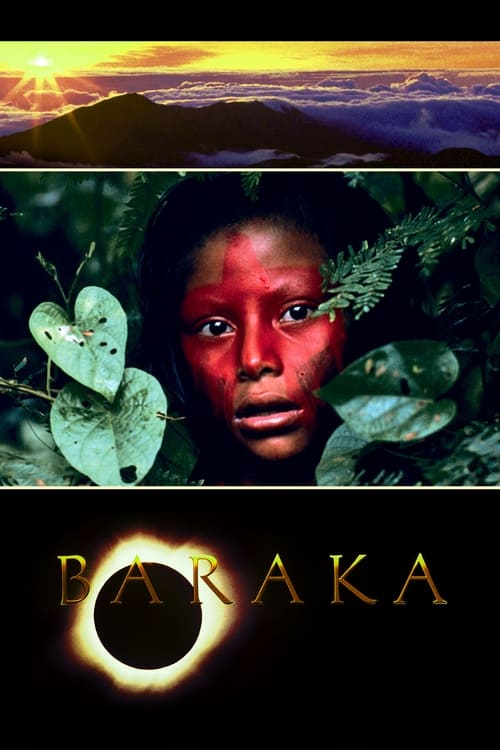
A paralysingly beautiful documentary with a global vision—an odyssey through landscape and time—that attempts to capture the essence of life.
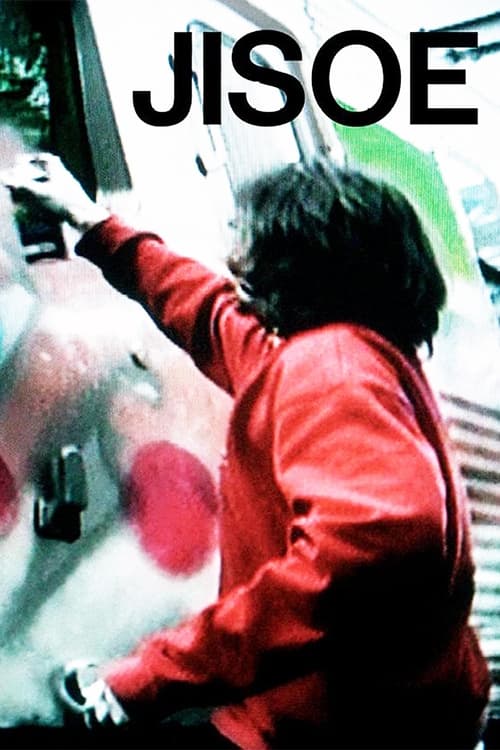
A year in the life of troubled Australian graffiti artist Justin Hughes.
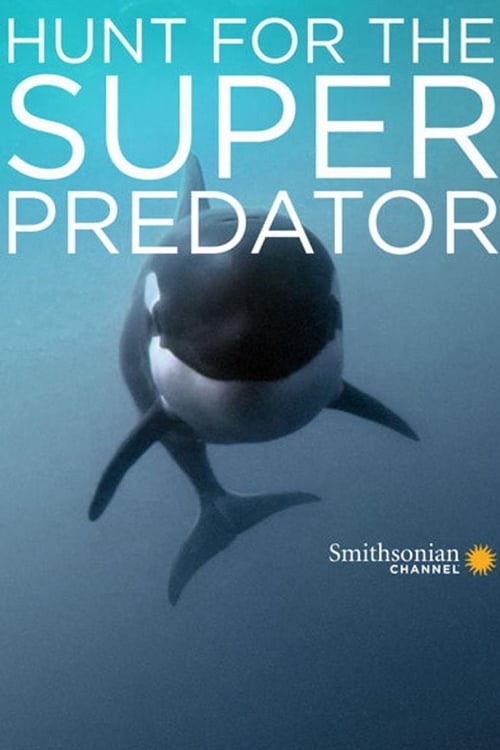
There's a mysterious predator lurking in the depths of Australia's wild Southern Ocean, a beast that savagely devoured a great white shark in front of cinematographer David Riggs 11 years ago. Riggs's obsession to find the killer leads him to an aquatic battle zone that's remained hidden until now. Here, killer whales, colossal squid and great white sharks face off in an underwater coliseum where only the fiercest creatures of the marine world survive.
RODEO ROAD explores the unique cowboy culture of Australia's remote north west in the pursuit of the rodeo dream - eight seconds of bull riding glory. Each year cowboys from across the Kimberley load up their saddles, chaps and wranglers and go rough-riding. Some are born and bred in the saddle, while others are young ringers from over east who come to muster through the dry season. Come rodeo time they are chasing the dream, gripped by the rodeo fever of the wild north west.
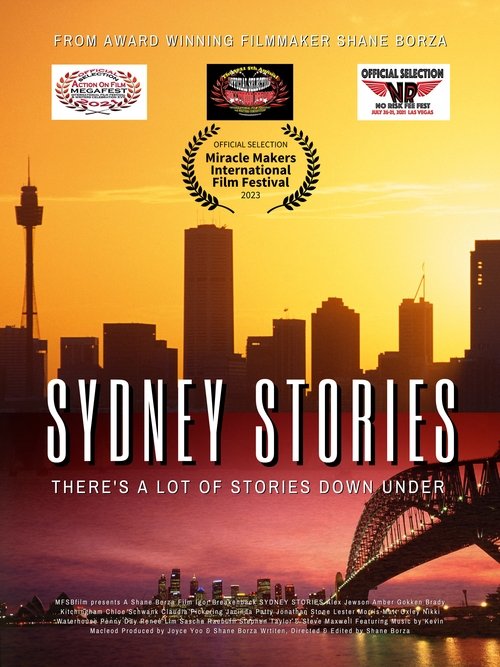
An anthology of award winning short films, this feature show cases an international cast and crew, shooting all over New South Wales, telling all kinds of stories.
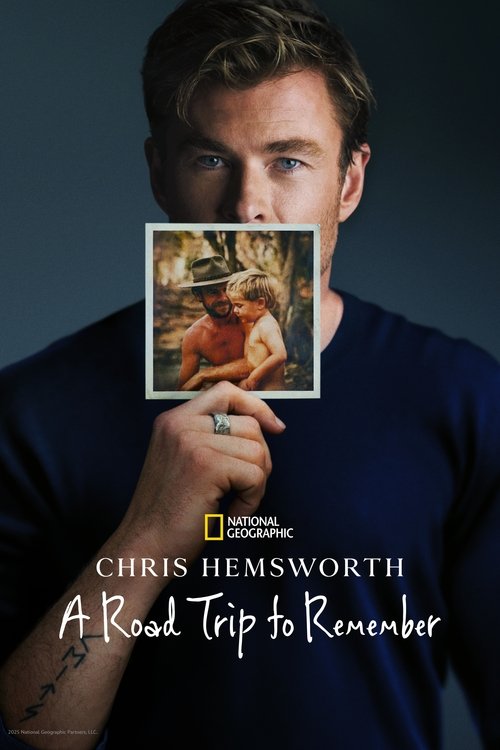
In his most personal documentary yet, Chris Hemsworth turns the camera on his own family after his dad’s recent Alzheimer’s diagnosis. They embark on a road trip into their past, exploring the science of social connection and how it can support memory function. They revisit meaningful places and faces, capturing it all as a home movie, and reviving treasured recollections.
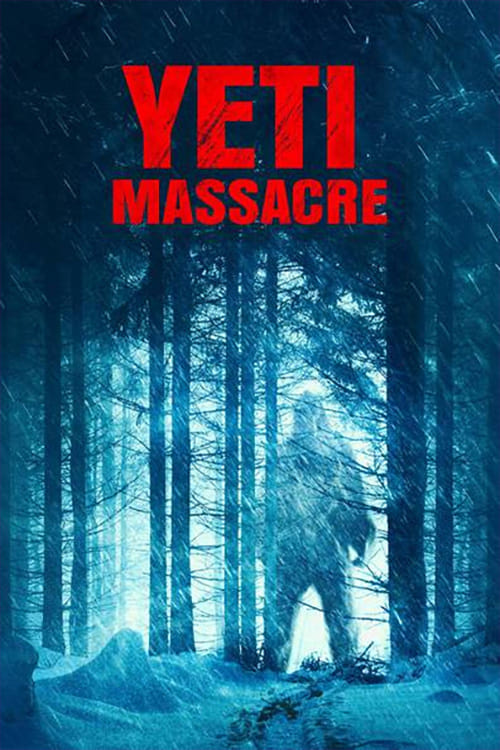
In the winter of 1959, the mutilated bodies of nine hikers were found in the Ural Mountains of Russia. Were they slaughtered in cold blood by a yeti? If so, what drove this legendary beast to kill? Shocking evidence sheds terrifying new light on the Dyatlov Pass incident.