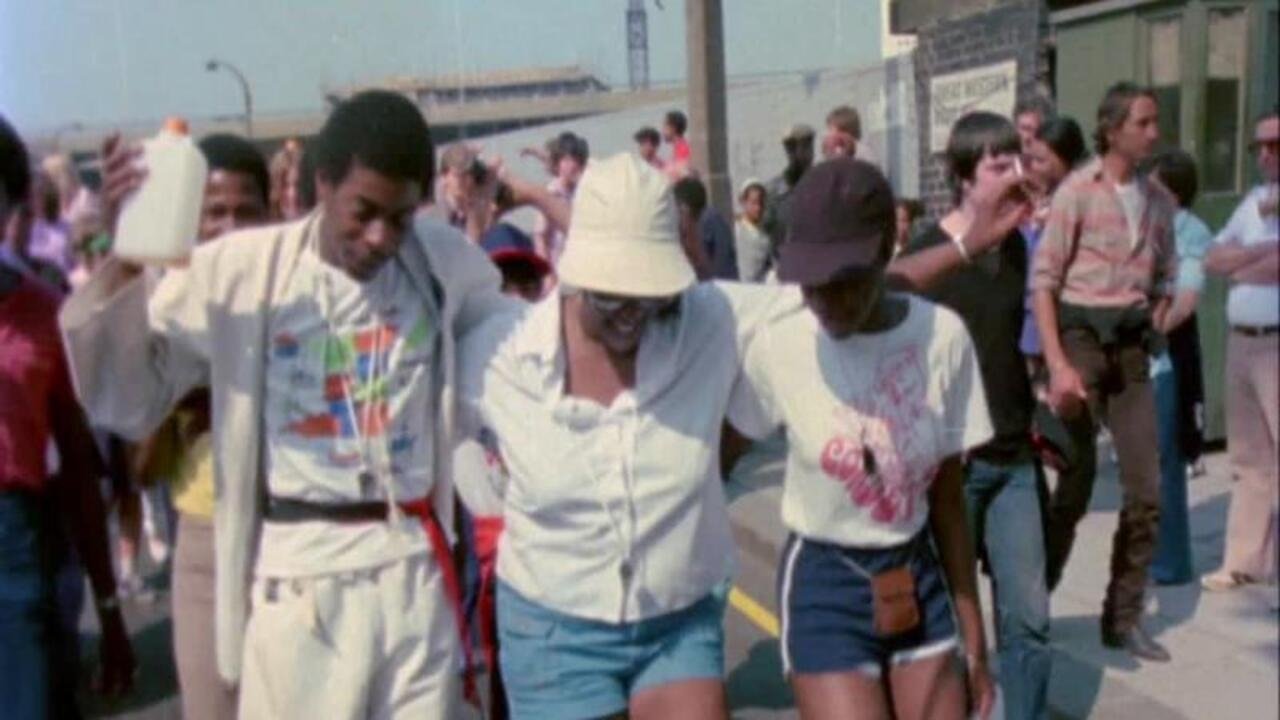
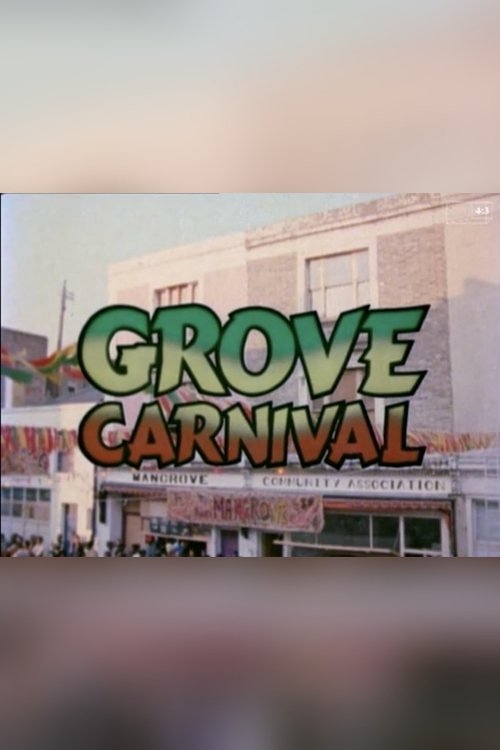
A kaleidoscopic celebration of the 1980 Notting Hill Carnival. Arts Council of Great Britain.
After spending 19 months in the Adrian, MI Correctional Facility, GG Allin was paroled in March 1991. Back in NYC, the Murder Junkies were ready to carry out GG's Rock & Roll Mission. In the Fall, GG Allin & The Murder Junkies set out on their first US Tour. This film ncludes 3 complete shows: San Diego 9/27/91, Chicago 10/10/91, and Atlanta 11/20/91.
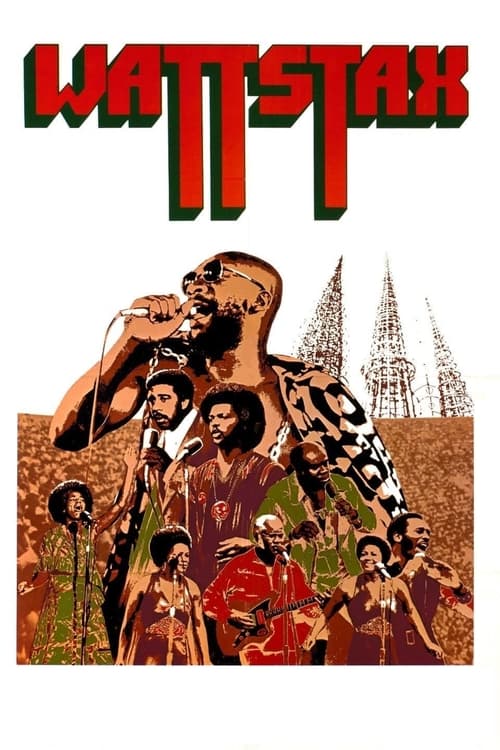
A documentary film about the Afro-American Woodstock concert held in Los Angeles seven years after the Watts riots. Director Mel Stuart mixes footage from the concert with footage of the living conditions in the current-day Watts neighborhood.
No overview available.
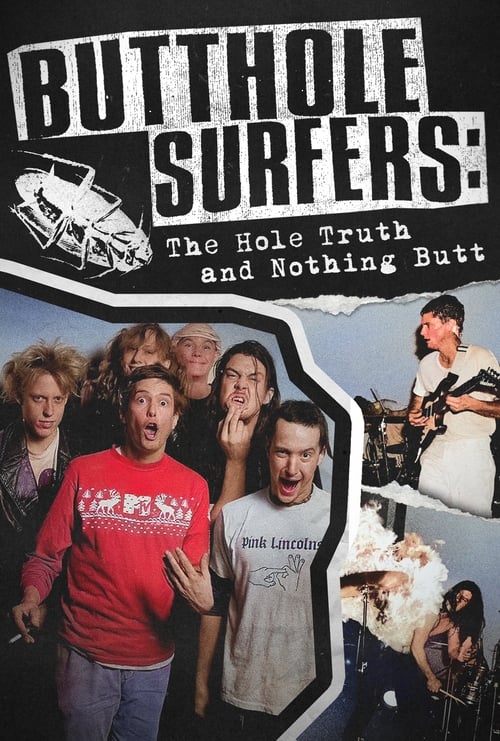
Follows the story of the groundbreaking Texas-based art-punk band founded by frontman Gibby Haynes and guitarist Paul Leary.
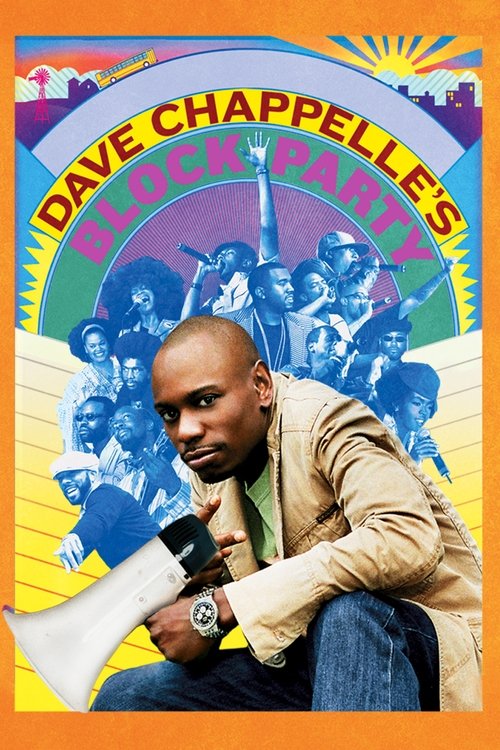
The American comedian/actor delivers a story about the alternative Hip Hop scene. A small town Ohio mans moves to Brooklyn, New York, to throw an unprecedented block party.
Are there trans people in the punk movement? How does punk resists in a brazilian state as conservative as Goiás? Is it open to different gender expressions?
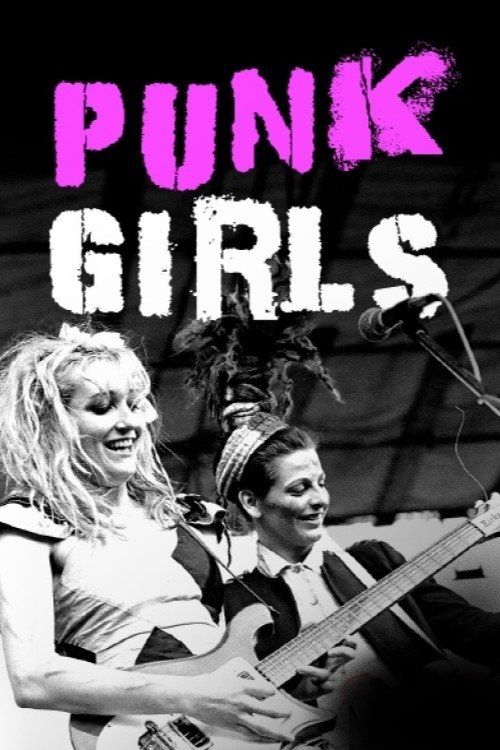
London 1976: Between economic crises and the Silver Jubilee, something is brewing in the squats and basement clubs of West London: Punk. A promise, a new beginning. Punk meant self-empowerment, especially for the women in the scene. For the first time, women picked up guitar, bass and drums, formed bands and wrote their own songs.
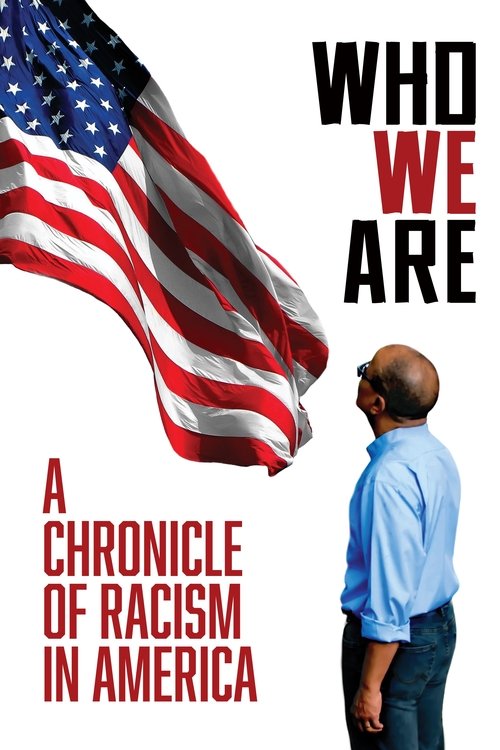
Jeffery Robinson's talk on the history of U.S. anti-Black racism, with archival footage and interviews.
Boogie Man is a comprehensive look at political strategist, racist, and former Republican National Convention Committee chairman, Lee Atwater, who reinvigorated the Republican Party’s Southern Strategy to increase political support among white voters in the South by appealing to racism against African Americans. He mentored Karl Rove and George W. Bush and played a key role in the elections of Reagan and George H.W. Bush.
White Flag : Flipside, Not Alright, Communication Breakdown G.B.H. : Gimme Fire, Wild Thing, I Am The Hunted 7 Seconds : This Is My Life, out of Touch, Skins brains guts Tesco Vee : worshiping /s - 7 seconds with a cat and a guessing game with: SSD doing Shangri-las, White Flag doing Pink Floyd & GBH doing the Buzzcocks. Battalion of Saints : I Wanna Make You Scream Minor Threat : Stand Up And Be Counted, Stepping Stone Rodney Mullen skating Minor Threat: betray & Jeff Nelson Brian baker (skating) it Follows Big Boys : Brickwall Stretch Marks : Professional Punks Urinals/100 Flowers : California Falling, Surfing With The Shaw, With: Keith Morris and D Boon Black Flag : Scream in Mike Muir's garage Kraut : Kill For Cash Minutemen : Split Red, Life As A Rehearsal, Ack Ack Ack Ack Angst : This Guns For You, Neil Armstrong Dickies : If Stuart Could Talk, Manny, Moe, and Jack, You Drive Me Ape, Gigantor ENDCLIPS: The Avengers, The Eyes, 45 Grave, SIN 34
1 Social Distortion– Under My Thumb 2 Social Distortion– 1945 3 Social Distortion– Playpen 4 The Vandals– Anarchy Burger 5 The Vandals– Hocus Pocus 6 Sin 34– Trip To San Francisco 7 Black Flag – Rise Above 8 Black Flag – Louie Louie 9 RF7– Vampire Lady 10 MDC – Police Riot At Mendiolas 11 Descendents – Hey Hey 12 Descendents – Bikeage 13 Descendents – Jean Is Dead 14 D.I.– Ballroom Blitz 15 D.I.– Richard Hung Himself 16 True Sounds Of Liberty*– Code Blue 17 Circle Jerks– Just Like You 18 Circle Jerks– Put A Little Love In Your Heart 19 Hüsker Dü– Everything Falls Apart 20 Youth Brigade– Sink With California 21 Blak Flaag– Ride The Bus
The summer of the Jubilee in 1977 was mentally dominated by another national anthem - "God Save the Queen" by The Sex Pistols. That same summer was also the summer of punk. Janet Street Porter Reviews The Year Of Punk, Featuring Early Classic Footage Of The Sex Pistols, The Clash, Siouxsie And Others.
A kinetic glimpse of the rock band Fugazi tearing it up in Wisconsin during the Summer of 2001. The original 16mm footage had gone missing for several years, but was eventually found, scanned, and edited together in 2010.
A concert film documenting a performance from the Houston artist Orpheus Von Doom.
CARNY is an intimate, gritty and poetic adventure following the lives of 'carnys' - traveling fairground workers whose experiences are outside the normalcy of most North Americans.
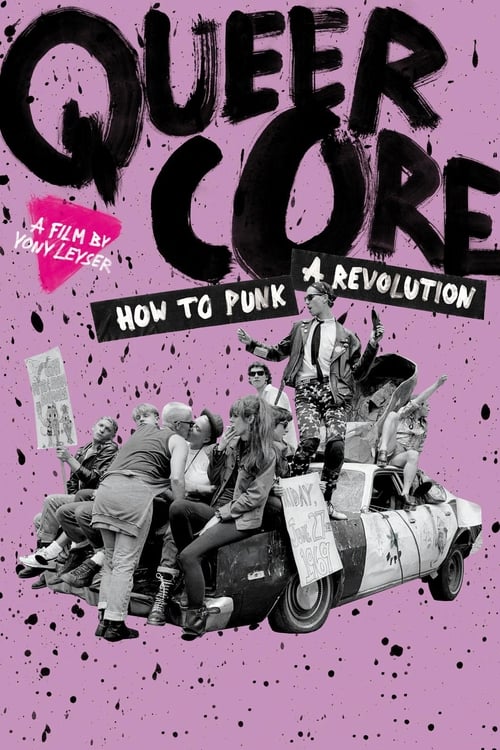
A documentary on Queercore, the cultural and social movement that began as an offshoot of punk and was distinguished by its discontent with society's disapproval of the gay, bisexual, lesbian and transgender communities.
AquaBurn is an award-winning documentary film by director Bill Breithaupt showcasing "The Floating World" theme of the 2002 Burning Man Festival. AquaBurn features many of the incredible Burning Man art installations, the imagination and originality that went into their creation, and the artists who conceived them. Unlike conventional documentaries on the Burning Man Festival, AquaBurn captures the true feeling and excitement of the event itself, transporting the viewer to a hot, dusty wonderland without ever leaving home.
No Trailers found.
No Cast found.