No Trailers found.
No Cast found.
A thought provoking documentary feature film providing a comprehensive exploration of the evolution of signals intelligence over the past century. Whether you're intrigued by the secretive world of intelligence agencies or concerned about the implications of digital surveillance, this film will leave you with a deeper understanding of the role signals intelligence plays in society.
No overview available.
In Iraq 2003 Corporal Martin Webster filmed fellow soldiers beating Iraqi youths during rioting in Al Amara. Two years later, a British newspaper obtained his footage. The story that ran led to outrage across the world.
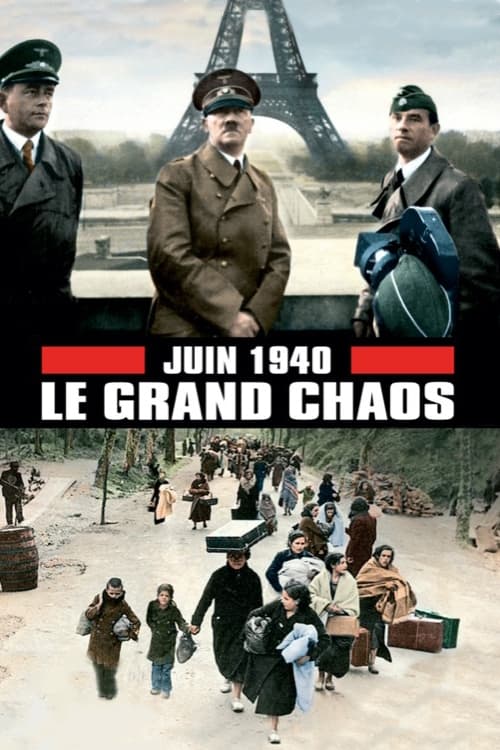
From May 10, 1940, France is living one of the worst tragedies of it history. In a few weeks, the country folds, and then collapsed in facing the attack of the Nazi Germany. On June 1940, each day is a tragedy. For the first time, thanks to historic revelations, and to numerous never seen before images and documents and reenacted situations of the time, this film recounts the incredible stories of those men and women trapped in the torment of this great chaos.
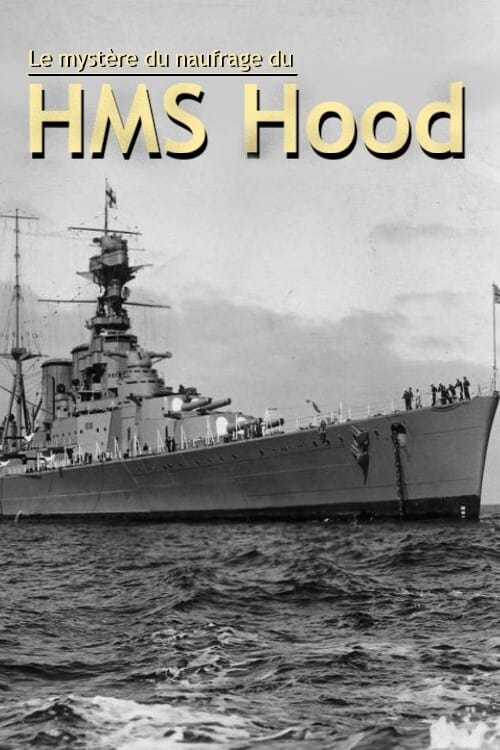
The 'mighty' Hood was the pride of the British Navy for more than 20 years, revered around the world as the largest and most powerful warship afloat. But when it was sunk by the German battleship Bismarck off the coast of Greenland on 24 May 1941, its end was shockingly swift.
The second Gulf War from 1990 to 1991 represents in the collective Arab memory a turning point in regards to the Arab nationalism’s self-perception as well as a moment of deep historical and existential insecurity. Five Arab directors discuss the events from their personal perspective.
Skip Liberty enlisted in the Army in 1968. During his tour in Vietnam he shot 3,100 feet of Super 8 film, over 3 hours worth. Upon returning to the states the film was placed in storage, Skip had never seen the footage he shot. Until now.
In honour of the 15th Anniversary of 9/11, National Geographic Channel is looking back at the very best reporting we have done since this world-changing tragedy first happened using extended excerpts from past specials that relate directly to events leading up to and following the attacks on New York City and Washington DC.
Shortly after the Gulf War, oil fires were raging all through Kuwait. In the week before this sea of fire would be extinguished, Werner Herzog filmed this apocalyptic landscape with its murky skies, scorched earth and capricious flames.
When BA Flight 149 unwittingly landed in a warzone, its passengers and crew were taken hostage. Did the UK government allow it? And who were the mercenaries on board?
Chronicles of a male homosexual drug addict in 1980's in voice-over with long take scenes from Rome, television snippets of news of Gulf War and commercials.
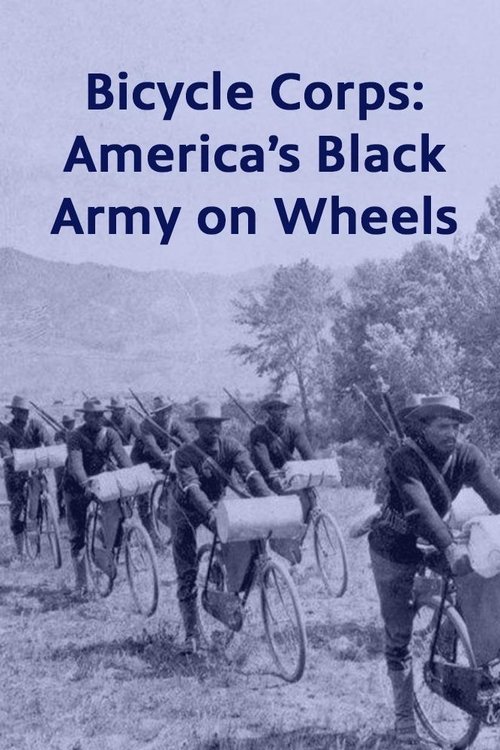
The story of the 25th Infantry Bicycle Corps and their 2000-mile bicycle journey from Montana to St. Louis in 1897.
A single female voice sings of waiting in her garden for her ‘dark-eyed sailor’ to return from war, bearing the other half of their token, a gimmel ring. Three veterans pass on the road as she waits, and she asks them: “When you were fighting in distant lands, did you think of the home you left?” In reply the veterans relate their recollections. The garden images in the accompanying film represent ‘home’, but also stand for a more general possibility of redemption, of the potential of the past to return at any time, disguised and changed, to renew the present: “Each moment of time is a garden gate,” the song goes, “Through it my love may walk.”
The first American space station Skylab is found in pieces scattered in Western Australia. Putting these pieces back together and re-tracing the Skylab program back to its very conception reveals the cornerstone of human space exploration.
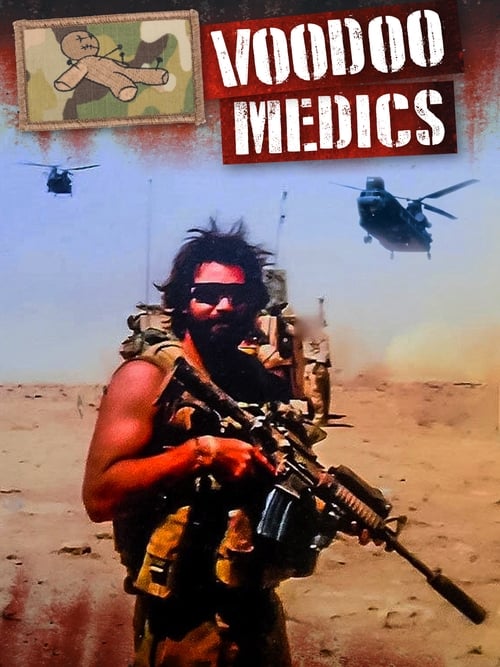
About trauma, resilience and post-traumatic growth in the medics who served with Australia's special forces in Afghanistan. From losing mates in the battlefield to treating horrifically injured Afghan kids in remote surgical theatres.
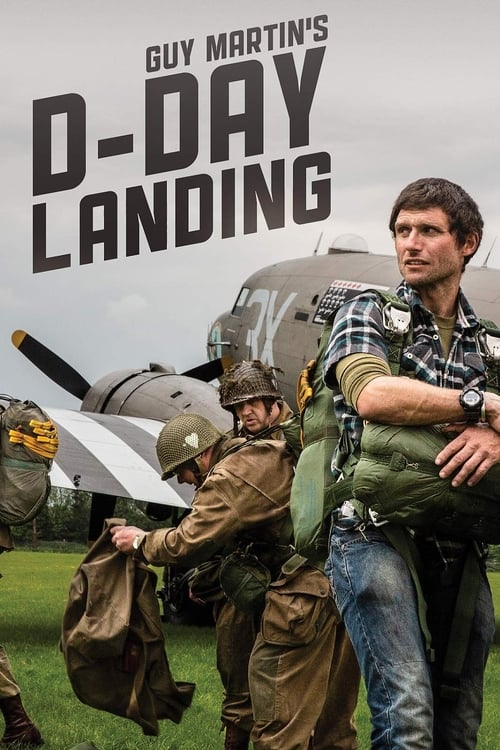
Guy Martin undertakes a challenge to restore a plane from the Second World War, and recreate a parachute jump into Normandy, as thousands of Allied soldiers did during D-Day.
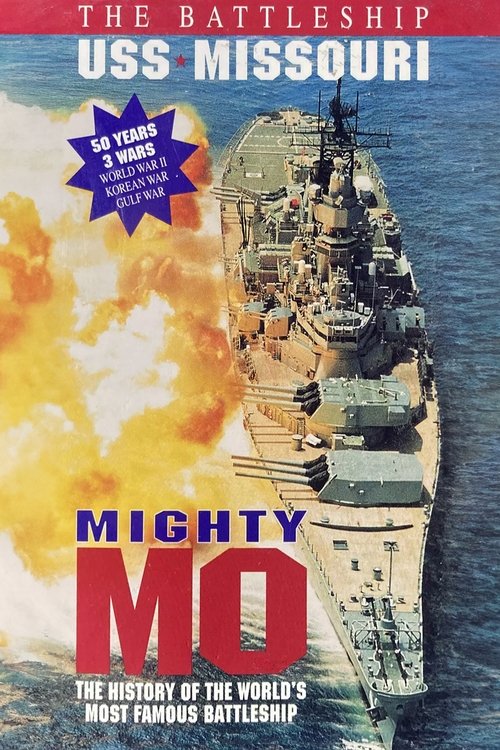
Explore the history of the world's most famous battleship, the USS Missouri, with this revealing documentary that chronicles the ship's distinguished career that spanned more than 50 years of service. Narrated by decorated Navy officer Wes Carey, this portrait combines archival film footage, photographs and personal accounts to paint a vivid picture of the celebrated ship, affectionately known as "Mighty Mo."
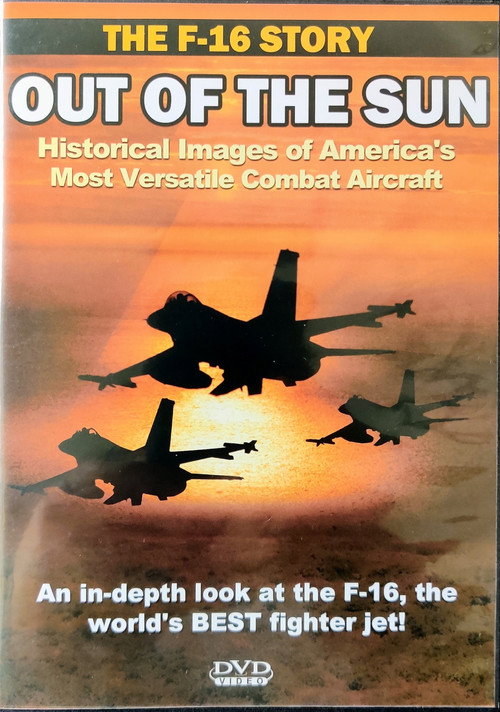
This short film takes viewers on a whirlwind tour of the history of air combat, from World War I through the Vietnam War. It was produced by General Dynamics sometime prior to 1990 and re-released by Lockheed Martin in the mid-nineties. As a promotional short for the F-16 Fighting Falcon, the film reviews the development of aerial combat to place the F-16 in historical context. Informational narration is supplemented with snippets from interviews of top fighter aces. The aces focus on the characteristics that make great fighter pilots and great fighter aircraft. The interviewees include World War I ace W.C. "Bill" Lambert; World War II aces Douglas Bader, Stanford Tuck, Adolf Galland, Erich Hartmann, Gabby Gabreski, Tex Hill, and Svein Heglund; Korean War ace Ralph Parr; and Vietnam War ace Steve Ritchie. The film includes historical footage and stills, along with opening and closing segments briefly featuring the F-16 Fighting Falcon.
The Civil War Confederate commerce raider C.S.S. Alabama sailed over 75,000 miles and captured more than 60 Union merchant ships. For two years the "ghost ship" wreaked havoc--until the U.S.S. Kearsage caught up with her in a French port where she had pulled in for repairs. Out-manned and out-gunned, the Alabama sank to the bottom of the English Channel. We join marine archaeologist Gordon Watts and a team of U.S. and French divers as they attempt to excavate the wreck and recover artifacts.