A ten part documentary on the female condition in Italy and in Europe in the 70s.
No Cast found.
No Trailers found.
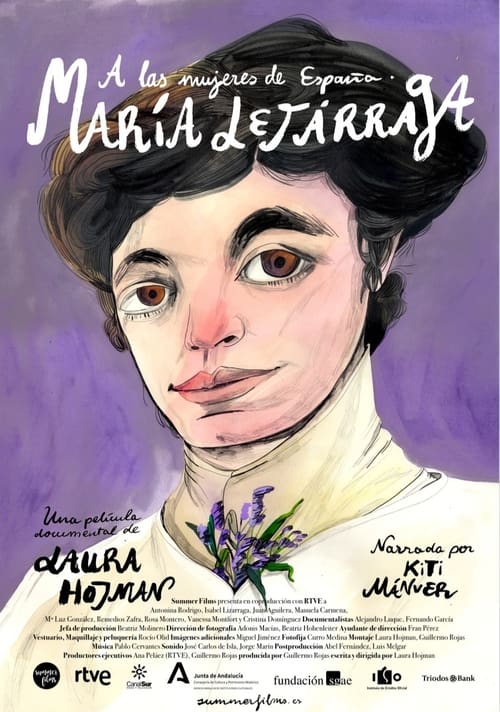
A fictionalised documentary that tells the story of María Lejárraga, writer and pioneer of feminism in Spain during the 1920s, whose work was produced under the name of her husband, the theatre impresario Gergorio Marinez Sierra. Lejárraga was the most prolific Spanish female playwright of all time. She is the author of works such as "Cancion de cuna", as well as a member of parliament for the Second Republic and founder of pioneering projects for women's rights and freedoms.
The Amalfi Coast is not only one of the most scenic regions in Europe. In the last century, it became a fashionable meeting place for stars, artists, the rich and famous, and the towns of Amalfi, Ravello and Positano became the stage for dazzling stories. Off the coast, the island of Capri beckons as an Eldorado for forbidden desires and lust for life.
Despite the 1960s free-love and alternative culture, many women found that their lives and expectations had barely altered. But by the 1970s, the Women's Liberation Movement was causing seismic shifts in the march of the world's events, and women's creativity and political consciousness was soon to transform everything - including the face of publishing and literature. In 1973 a group of women got together and formed Virago Press; an imprint, they said, for 52 per cent of the population. These women were determined to make change - and they would start by giving women a voice, by giving them back their history and reclaiming women's literature.
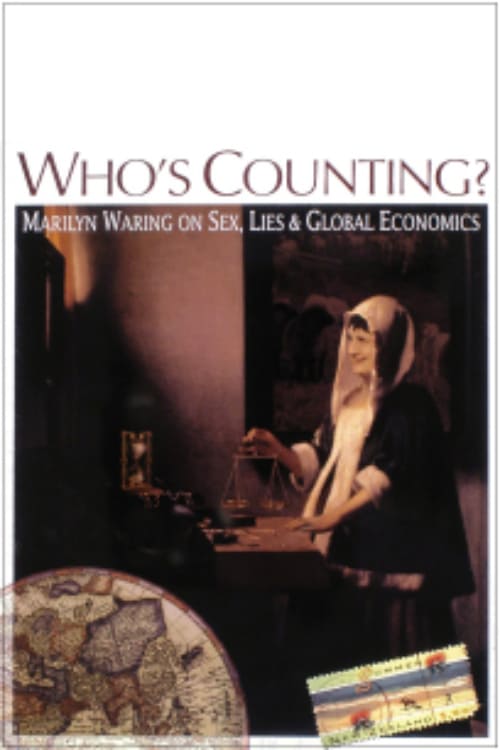
This documentary profiles economist and writer Marilyn Waring. In extensive interviews, Waring details her feminist approach to finances and challenges commonly accepted truths about the global economy. The filmmakers detail Waring's early rise to political prominence and her successful protests against nuclear arms. Waring also speaks candidly about wartime economies, suggesting that government policies tend to marginalize the fiscal contributions of women.
After the World War I, Mussolini's perspective on life is severely altered; once a willful socialist reformer, now obsessed with the idea of power, he founds the National Fascist Party in 1921 and assumes political power in 1922, becoming the Duce, dictator of Italy. His success encourages Hitler to take power in Germany in 1933, opening the dark road to World War II. (Originally released as a two-part miniseries. Includes colorized archival footage.)
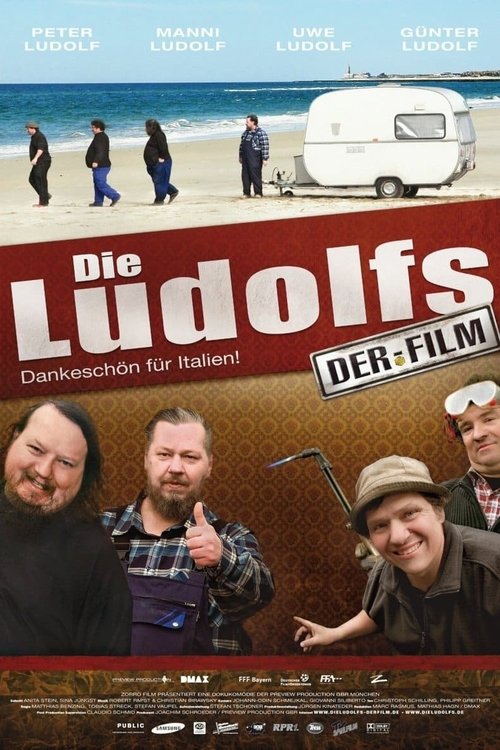
The four brothers Peter, Uwe, Manni and Günter live together in the German town of Dernbach and run what is probably the most chaotic car recycling business in Germany. Nothing is the same here as in other junkyards. Over four million spare parts lie in huge piles in the brothers' warehouse. Nevertheless, they manage to find just the right spare part time and time again and get a car back into shape.
“Touch one, touch us all” is a slogan of the women who took over the streets in Brazil and organized themselves in social networks to face male chauvinist and conservatism. Through testimonies of women who have been subjected to violence, the documentary reveals that, despite legal achievements, the woman still remains vulnerable. Amongst other deponents are Maria da Penha, Joanna Maranhão, Luíza Brunet, and Clara Averbuck.
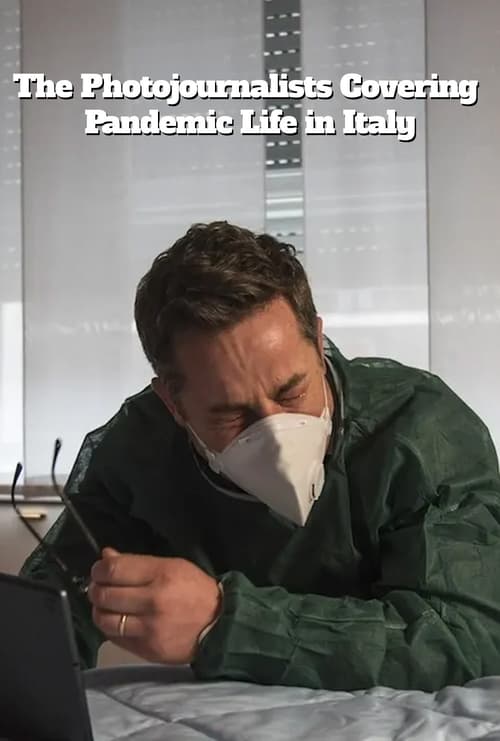
This short documentary looks at the efforts of four Italian photojournalists covering the crisis, illuminating more of the juxtapositions created by life in the pandemic.
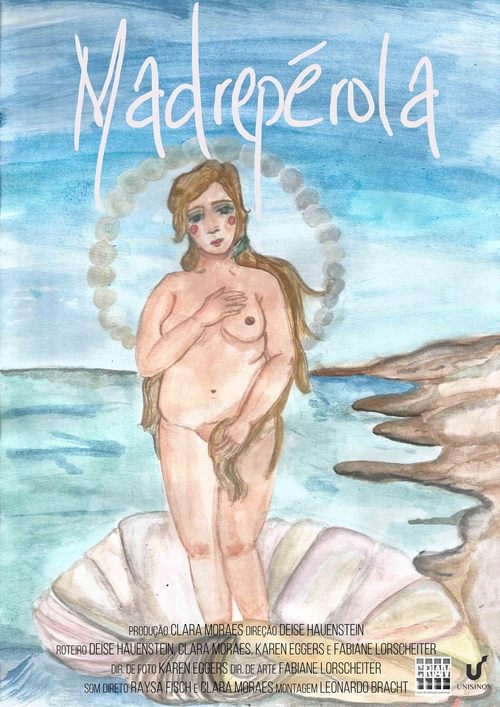
In a tide oblivious to diversity, pearl oysters live under attack for not fitting into the standards and sizes. This is the story of how their pearls are born.
Personal stories taken from a survey on how women's lives are affected by a culture obsessed with body image and thinness.
Juno Award-winning musician Kinnie Starr is on a quest to find out why only 5% of music producers are women even though many of the most bankable pop stars are female. What does it take for a woman to make it in music?
A staged film where over 100 cyclists cycle towards the camera.
In this short documentary, we take a look at the history and future of roller derby in the Netherlands, while also touching on subjects such as image and the rise of men’s teams in this traditionally female sport. We tried to capture the Roller Derby culture with grungy 16mm film overlays and an eclectic mix of colors, switching from black and white, back to color. This, combined with the use of stock footage, the Whip It trailer and choice of music really help to sell the vibe and sensibilities of roller derby.
No overview available.
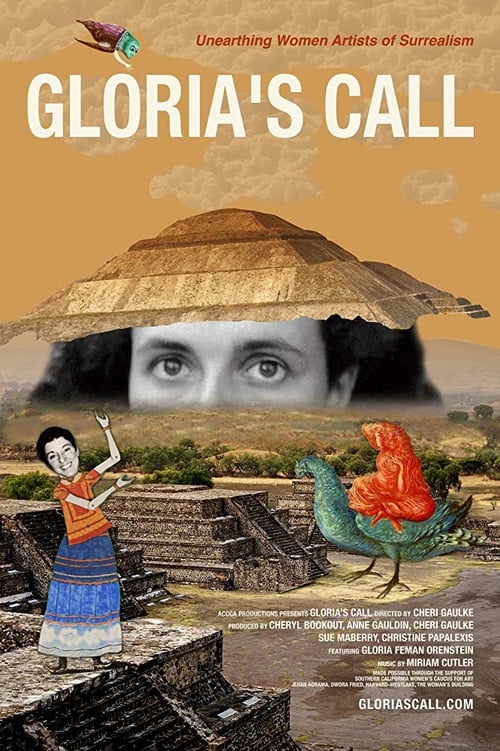
In 1971, graduate student Gloria Orenstein received a call from Surrealist artist Leonora Carrington that sparked a lifelong journey into art, ecofeminism and shamanism. This short film uses art, animation and storytelling to celebrate this wild adventure. Now more than 40 years later, award-winning Dr. Gloria Feman Orenstein is a feminist art critic and pioneer scholar of women in Surrealism and ecofeminism in the arts. Her delightful tale brings alive an often unseen history of women in the arts.
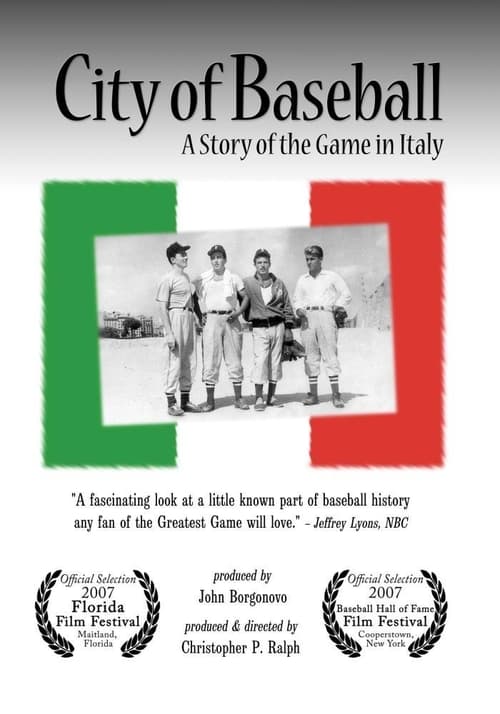
"City of Baseball" is a documentary that explores both the past and the present of the Italian baseball league in the seaside resort of Nettuno near Rome. Through league pioneers, current players, fans, and local historians, "City of Baseball" captures the story of how the 1944 Allied invasion of Nettuno brought the American pastime to a town which embraced the sport with a passion that continues today.
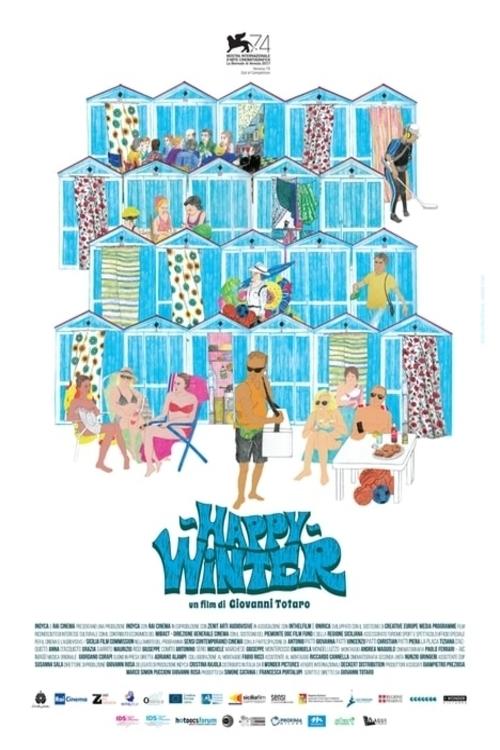
Every summer on Palermo's Mondello beach, over 1,000 cabins are built in preparation of the Ferragosto holiday. Centered around a family who goes into debt, three women holding onto the feeling of youth, and a politician seeking votes -- a vanity fair of beachgoers hiding behind the memory of a social status that the economic crisis of recent years has compromised.
The film follows Vincent Schiavelli as he returns to Polizzi Generosa, the very town in Sicily his grandparents emigrated from in 1901.
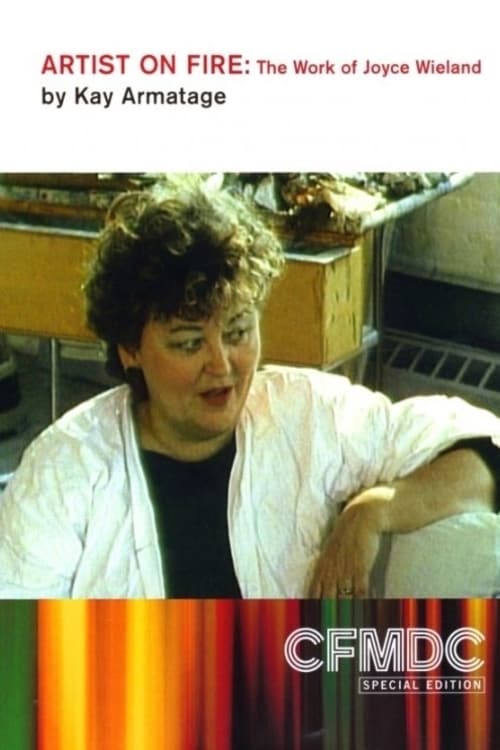
Considered one of Canada's most important women artists of the second half of the 20th century, Joyce Wieland's art embodies the essence of her homeland, feminism, and ecology. Artist on Fire: Joyce Wieland captures the vibrant spirit of this painter, collagist, quilt maker, and filmmaker. In the early '70s, Wieland was involved in filmmaking, producing movies with a political message. In her 30-year career, she worked in a variety of mediums, including cloth, pastels, colored pencil, oils, bronze, and watercolor. Her works and her influence are examined in this detailed video portrait.
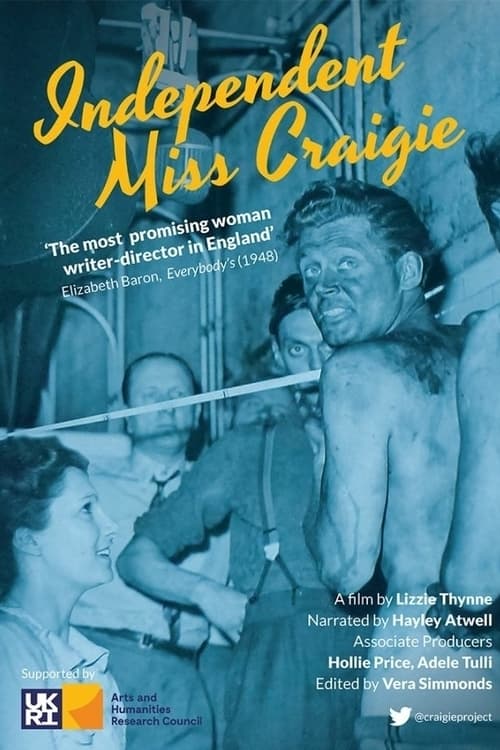
Some time after her death, film director Jill Craigie (1911- 99), re-opens an old suitcase, prompting memories of the extraordinary life and loves of this forceful, charismatic woman, whose work has been long neglected. Craigie was one of the first women to direct documentaries. Working outside the British Documentary Movement in the 1940s and early 1950s, her films such as To Be Woman (1951), on equal pay, and Out of Chaos (1944), the first film about artists at work, featuring Henry Moore and Paul Nash, tackled new subjects for the cinema through a unique blend of drama, polemic and humour. Independent Miss Craigie uses the director’s unseen papers, and her films, to reveal her energetic struggles to get her radical projects made and distributed, including her last one, on the Yugoslav conflict, made when she was 83, with her husband, former Labour leader, Michael Foot.