A reflection on the dictatorship of Augusto Pinochet captured in its economic and social causalities. Originally shot for a TV youth program but canceled before broadcast.
No Cast found.
No overview available.
A documentary portrait of legendary Perfect Ten gymnast Nadia Comaneci after becoming an icon in the 1976 Olympics, during her Romanian period, and her challenging years under the dictatorship of Nicolae Ceausescu.
A short documentary about the making of "The Great Dictator."
Filmmaker Barbet Schroeder shows the Ugandan dictator meeting his Cabinet, reviewing his troops, explaining his ideology.
Four lucid grandmothers tell their story forgotten by history: the militancy and resistance of the young women of the leftist youth against the dictatorship of Marcos Pérez Jiménez.
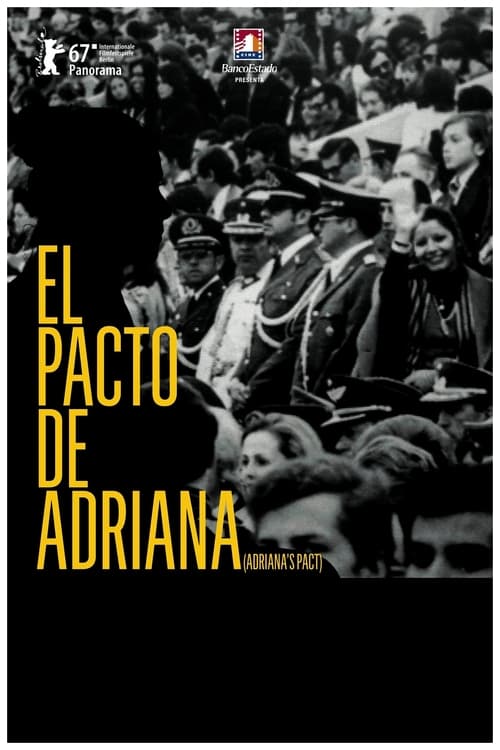
Lissette's favorite aunt Adriana, who lives in Australia, is arrested in 2007 while visiting her family in Chile and accused of having worked for dictator Pinochet's notorious secret police, the DINA, and of having participated in the commission of state crimes. When Adriana denies these accusations, Lissette begins to investigate her story in order to film a documentary about her.
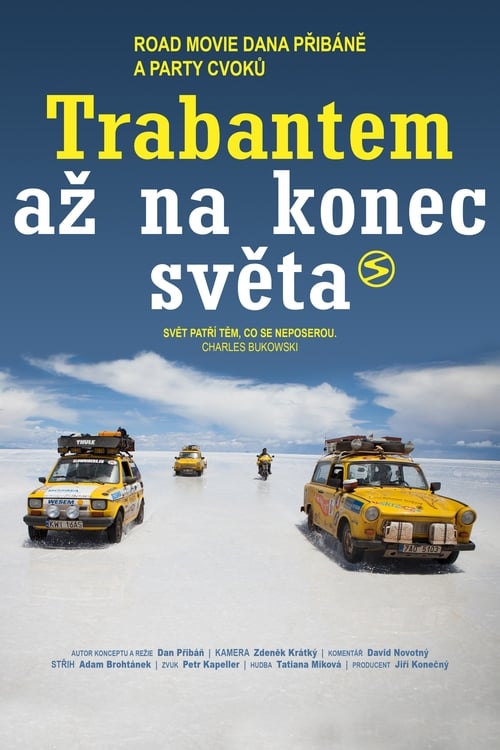
The third installment in Dan Přibáň's series of travel documentaries describes the author's journey with his friends across South America in vehicles that are often notorious but cult in their own way. The charming dynamics of the group on screen are further enhanced by the high-quality craftsmanship.
A stop-motion documentary that describes the artificial mummification (black and red mummies) of the Chinchorro culture, a pre-hispanic society of fishermen and hunter-gatherers who practiced funeral rites with sophisticated techniques for body preservation 7,000 years ago, originating on the Camarones coast of Chile.
A Chilean stomach and social discomfort.
A journey through Kim Jong Un’s past and present to understand the man and the myth who holds North Korea’s uncertain future in his hands.
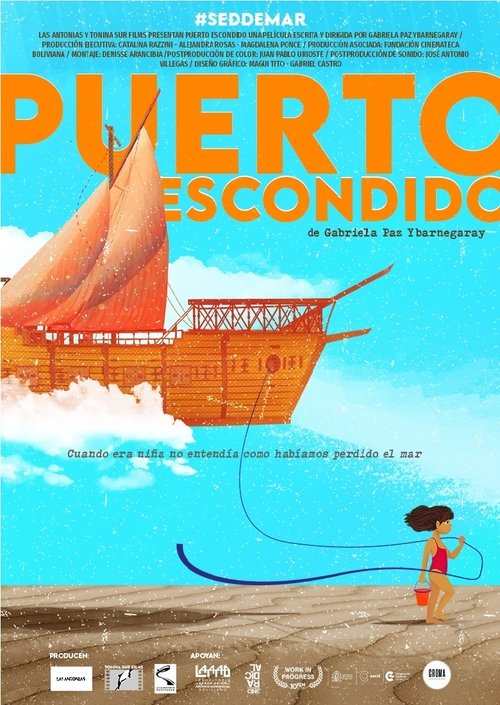
In 1879, Bolivia lost its access to the sea in a war. When I was a child I did not understand how we had lost it; he thought the Chileans had taken him away in buckets. It is a diary towards interior landscapes, myths, characters and contradictions in a country that relives this loss every day.
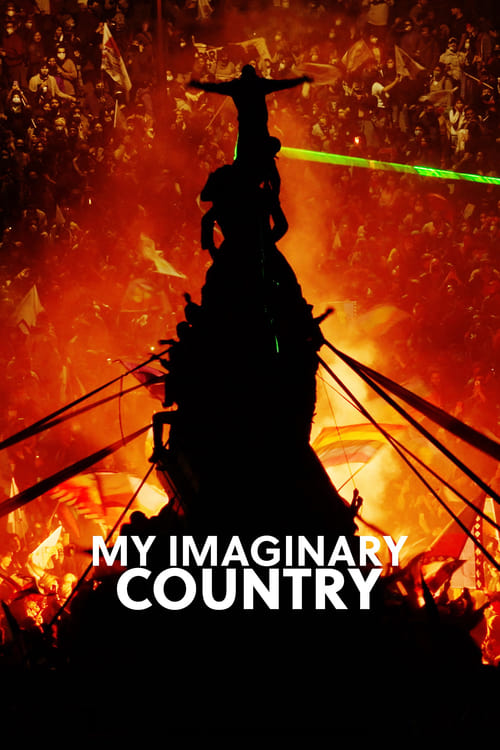
This documentary explores the protests that exploded onto the streets of Chile’s capital of Santiago in 2019 as the population demanded more democracy and social equality around education, healthcare and job opportunities.
Travel to the ice mountains of Chile to discover the secrets of the puma (aka panther, mountain lion and cougar) the area's largest predator. Discover how this elusive cat survives and follow the dramatic fate of a puma and her cubs.
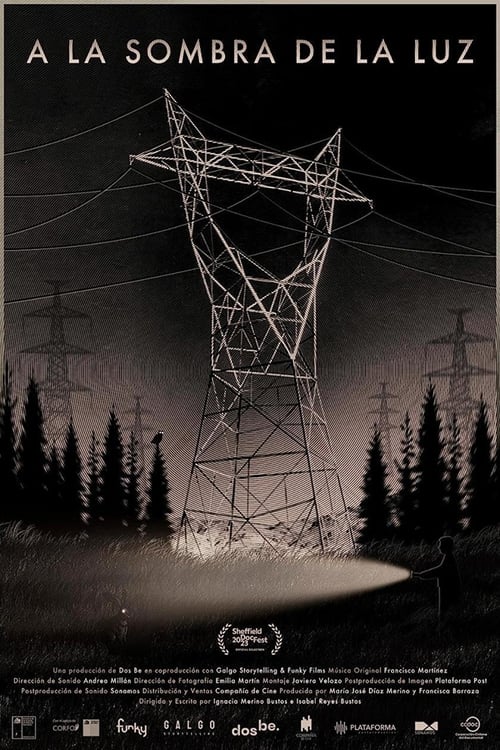
Life in the isolated town of Charrúa is dominated by the presence of a large power plant that distributes energy to most of Chile. A little boy hunts rabbits, residents demand better electrical coverage at a town meeting, a woman waters the plants outside her house and a local radio station relays the day's happenings. At night, wildlife is captured on camera, along with strange bursts of light that momentarily illuminate a countryside criss-crossed with pylons and cables. And ever present is the insidious hum of electricity.
In this documentary film a team of researchers examine the social contexts that influenced the emergence and permanence of heavy metal music in Chile, Argentina, Mexico and Peru. Colonialism, dictatorships, terrorism and neoliberal exploitation serve as points of reference for how heavy metal in the region has been directly linked to each country's social and political context.
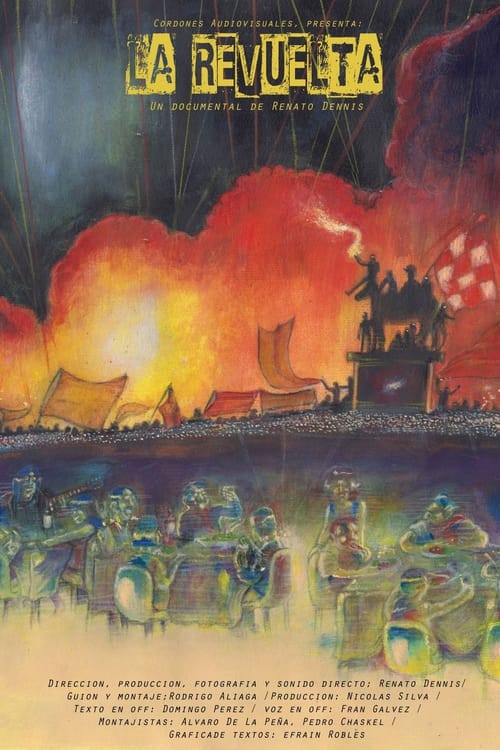
La Revuelta accounts for the tension experienced by those who, as of October 2019, came out to express their social discontent. The work has as its main stage, renamed by the people, as "Plaza de la Dignidad". It is a choral story, woven with the reflections of the protesters under the protection of the contextualization of a story in off that is unraveling the causes and effects of the outbreak. Thus, more than three years after the social demonstration, La Revuelta, is presented as a critical and contestative reflection, around the popular protest maintained by a people that took 30 years to awaken.
Agüero is able to look at the scene in all it's complexity around architectonical brutality that Santiago de Chile underwent around the year 2000.
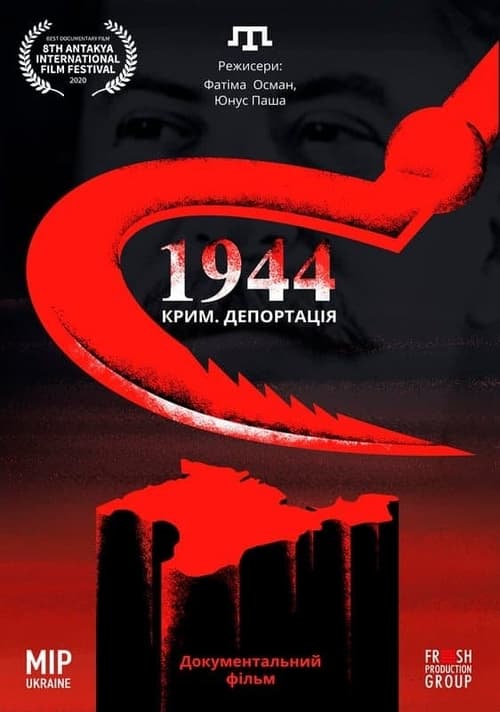
In 1944 Crimean Tatars has suffered a long road in exile. It was accompanied by famine, illness and loss. In the first years of exile, almost half of deported Crimean Tatars died. But those, who survived, dreamed of only one thing - to return to Crimea. The documentary 1944 tells about the tragedy of all Crimean Tatars through several separate life stories. They are cherished by each Crimean Tatar family and must be remembered by all generations to come.
No Trailers found.