No Trailers found.
UNIVERSUM cameraman Wolfgang Thaler and Bert Hoelldobler, a leading authority on ants, bring us face-to-face with the mysterious world of these social insects.
We all have hobbies regarding the world of insects, they are very annoying with their buzzing, their pecking and even their horrifying appearance, but without these invertebrates man would have problems.
During the 2020 pandemic summer, El Colegio de la Desextinción infiltrated into the holidays of four Divine Caste’s descendants. This elite built its wealth on slavery in the sisal plantations of Yucatán, Mexico, at the end of the 19th and beginning of the 20th century. Every year these families move to their opulent summer houses at Chicxulub Puerto, built at the same place where the asteroid that killed the dinosaurs hit. In these apocalyptic beaches, seducers of asteroids and conquistadors, we proposed the young heirs to write and star in a film about Chicxulub’s crater, in which they staged their entrepreneur fantasies.This documentary is the result of the political unconsciousness of this peninsular ethnic group.
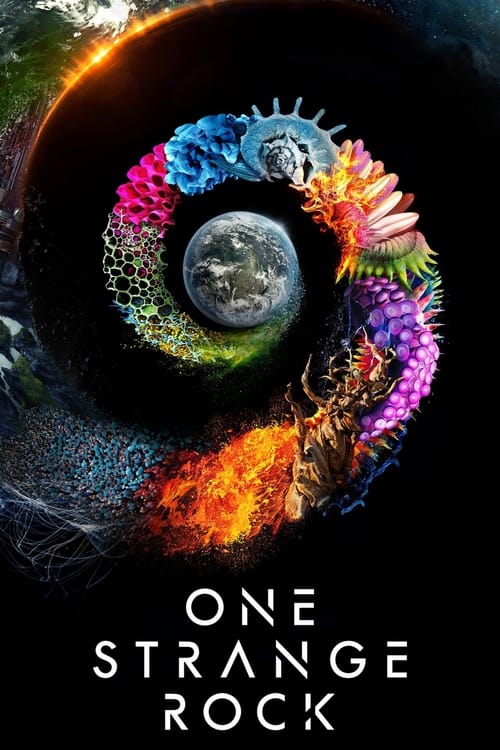
A mind-bending, thrilling journey exploring the fragility and wonder of planet Earth, one of the most peculiar, unique places in the entire universe, brought to life by the only people to have left it behind – the world’s most well known and leading astronauts. This edit combined episodes one and ten to create a new movie.
A story about survival, belief in the physical memory of things, as if still-life was always part of the scientific possibility or of the nightmare of extinction.
Short documentary about true bugs and humans. Short film is also a compassion practice and small journey from human perspective to other playful ways to see.
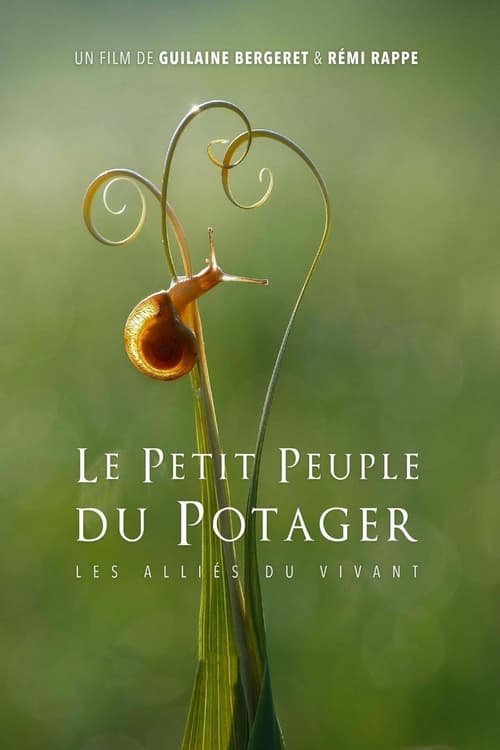
This is the story of a vegetable garden, from the first seeds to the harvest. But this garden is different, because here the gardener has decided to banish pesticides and other chemicals, and to be helped only by discreet workers, the insects. As we dive into the heart of this plant kingdom, we discover thousands of tiny lives that organize themselves as in a micro-society: decomposing insects, recyclers, pollinators, the workers of the garden work to maintain a fragile balance within the vegetable garden. As the plants grow and begin to produce their first vegetables, the incredible interactions between insects and plants help protect the future harvest. But it is also their personal stories that punctuate the life of the garden. Between parades, mutual aid and attempted putsch, the story of the vegetable garden thus takes the form of a true nature tale.
No overview available.
Documentary about human impact on the world.
David Attenborough brings to life, in unprecedented detail, the last days of the dinosaurs. Palaeontologist Robert DePalma has made an incredible discovery in a prehistoric graveyard: fossilised creatures, astonishingly well preserved, that could help change our understanding of the last days of the dinosaurs. Evidence from his site records the day when an asteroid bigger than Mount Everest devastated our planet and caused the extinction of the dinosaurs. Based on brand new evidence, witness the catastrophic events of that day play out minute by minute.
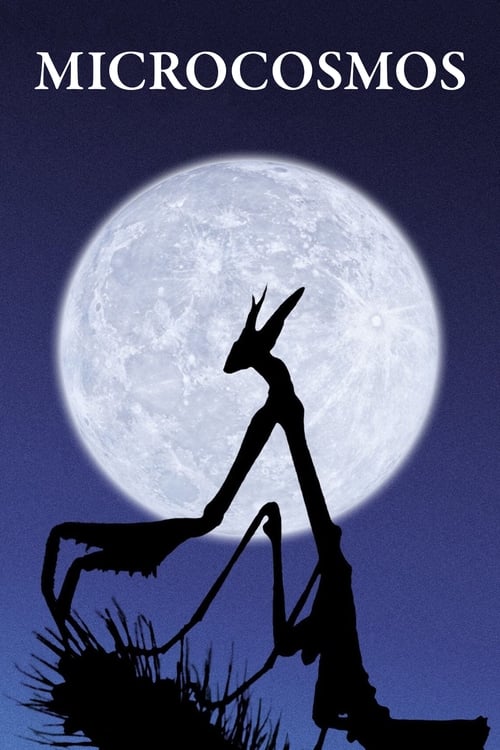
A documentary of insect life in meadows and ponds, using incredible close-ups, slow motion, and time-lapse photography. It includes bees collecting nectar, ladybugs eating mites, snails mating, spiders wrapping their catch, a scarab beetle relentlessly pushing its ball of dung uphill, endless lines of caterpillars, an underwater spider creating an air bubble to live in, and a mosquito hatching.
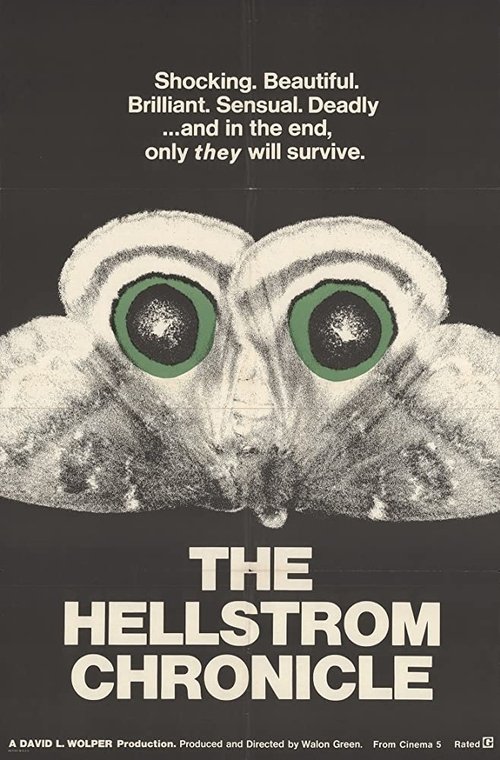
A scientist explains how the savagery and efficiency of the insect world could result in their taking over the world.
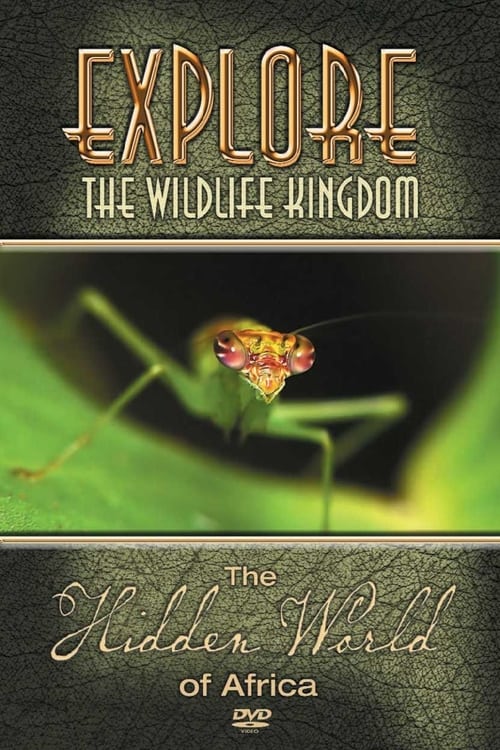
Barely visible to the human eye, a truly fascinating universe lives in the bush and savannas of Africa. Here, creatures small, smaller and nearly invisible share a world with gigantic animals. Usually overlooked, often feared and despised, theirs may be a small world, but it's an important one.
"Incredible," "beautiful" and "exotic" are only a few of the words (besides "eek!") that describe Bugz. Everything from bugs you'd recognize to bugs you've never seen before (thank goodness!) creeping, jumping, fluttering, squirming and scurrying across your TV screen.
We're entering the Earth's sixth era of extinction -- and it's the first time humans are to blame. CNN introduces you to the key species and people who are trying to prevent them from vanishing.
A Documentary on the Creation of OVO, by Cirque du Soleil
Untangling the web of cultural and historical ties underlying Japan's deep fascination with insects.
We call them o-rang-u-tans, which literally means "forest persons" in the Malay and Indonesian languages. They are the only great apes native to Asia. Of all the apes, they are the closest to man in genetic makeup. And they face extinction. Two years in the making, the film is an intimate portrayal of the world of orangutans, the threats to their survival and the people committed to help them thrive. The film focuses on a recent discovery that orangutans do not rely on animal instinct for survival, but instead have a culture that they have preserved from generation to generation.
This experimental nature documentary by Minna Rainio and Mark Roberts depicts climate change and the wave of extinction from the point of view of our near future. Actually, it depicts the age we live in now, or rather its fateful consequences.
Speaker