No Cast found.
No Trailers found.
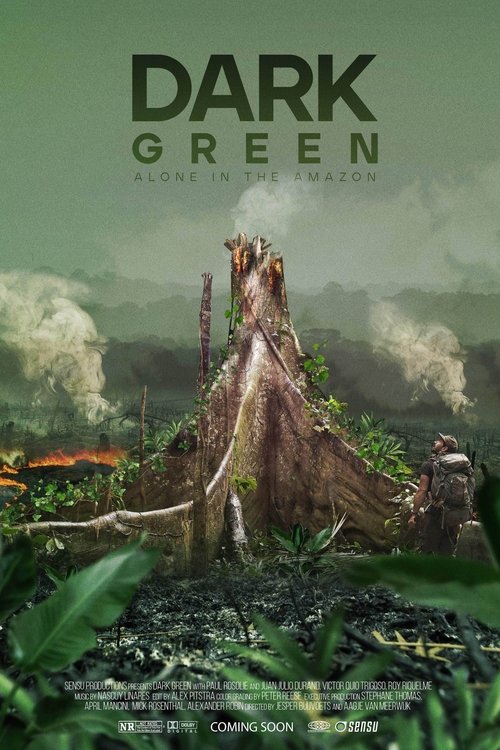
In Dark Green we follow conservationist and storyteller Paul Rosolie deep into the jungle of the Amazon, risking his life to learn more on this last remaining wilderness on earth.
The deep waters of the Southern and Pacific Oceans still hold many mysteries. Two international teams of scientists set out to explore the icy depths of Antarctica and the abysses of the Mariana Trench. Filmed for the first time, creatures seemingly from another galaxy cohabit with champions of survival in extreme conditions.
No overview available.
A look at the state of the global environment including visionary and practical solutions for restoring the planet's ecosystems. Featuring ongoing dialogues of experts from all over the world, including former Soviet Prime Minister Mikhail Gorbachev, renowned scientist Stephen Hawking, former head of the CIA R. James Woolse
The Atlantic Flyway, the easternmost migration path in North America, is among the most vital ecological phenomenons in the world. Join explorer Tomas Koeck as he examines several unlikely relationships along this massive migratory chain.
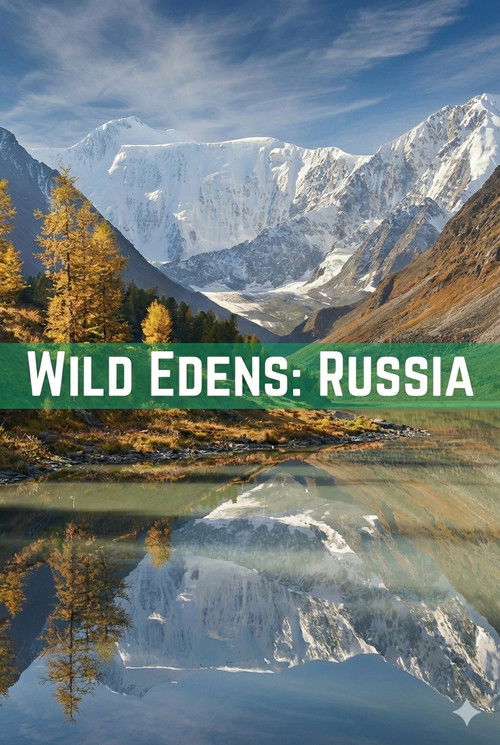
The documentary features some of the least explored parts of Russia: Altai, Amur, Kamchatka, Yamal, and the Arctic. In each region, the crew uncovered how species have adapted to Russia's challenging terrain: from polar bears, hunting on melting ice caps, and musk oxen coping with punishing Arctic conditions, to the toad-headed agama lizards doing their best to survive in the scorched desert near the Caspian Sea. These precious habitats and the animals that call them home are under direct threat from climate change as a result of global warming occurring around the world. The film captures the incredible diversity of this immense wilderness, demonstrate the shooting process of the film, and lead you to think what might be done to mitigate such potential destruction.
No animal in the Amazon is more feared and more respected than the 'spirit of the river' - The Anaconda
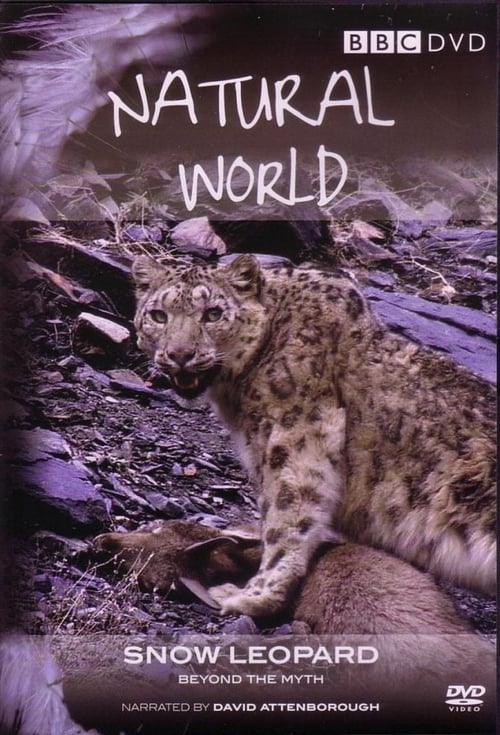
BBC The Natural World. In 2004, a team from the Planet Earth series captured the first ever film of a wild snow leopard in the mountains of Pakistan. For Nisar Malik, who led the expedition, these images sparked a passion that compelled him to return. With cameraman Mark Smith, he spent two years documenting the snow leopard's daily life, finally lifting the veil on the most elusive of all cats.
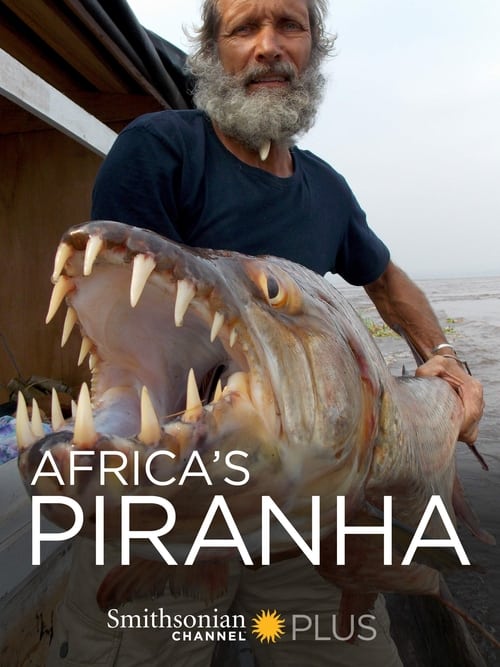
The plains of Africa have always been a hotbed of predator action, but lurking in its rivers is perhaps its most elusive killer: the Goliath tigerfish. Legends say they are man-eaters, that even crocodiles fear them. Locals call them "demon fish" but angling legend Andy Coetzee calls them something else: an obsession. He dives into the predator-infested Okavango Delta and the treacherous Congo River on a mission to finally land what is considered to be the hardest fish in the world to catch.
Brazil is one of the most dangerous countries for environmentalists. The rural community of Belisário holds the country's second largest bauxite reserve, right below one of the most bio-diverse areas in the world: the Atlantic Forest. The small community was shaken when the beloved Gilberto, a Franciscan Friar, received a death threat followed by the lines: "you've been talking against mining way too much". PT: O Brasil é um dos países mais perigosos do mundo para defensores do meio ambiente. Em Minas Gerais, a comunidade rural de Belisário abriga a segunda maior reserva de bauxita do país, em uma das áreas de maior biodiversidade do mundo: a Mata Atlântica. A tranquilidade do pequeno vilarejo foi abalada quando Frei Gilberto, um franciscano que dedica sua vida à preservação da natureza, recebeu uma ameaça de morte com o seguinte aviso: "você tem falado demais contra a mineração".
40 years after inventing armored suits that protect divers from attacks by smaller shark species of sharks, marine biologist, Jeremiah Sullivan, faces off against hungry hammerheads and deadly tiger sharks to measure their bite force, body strength and ability to chew through his advanced materials before creating new armor he’ll test by putting himself inside the devastating jaws of a 14-foot tiger shark.
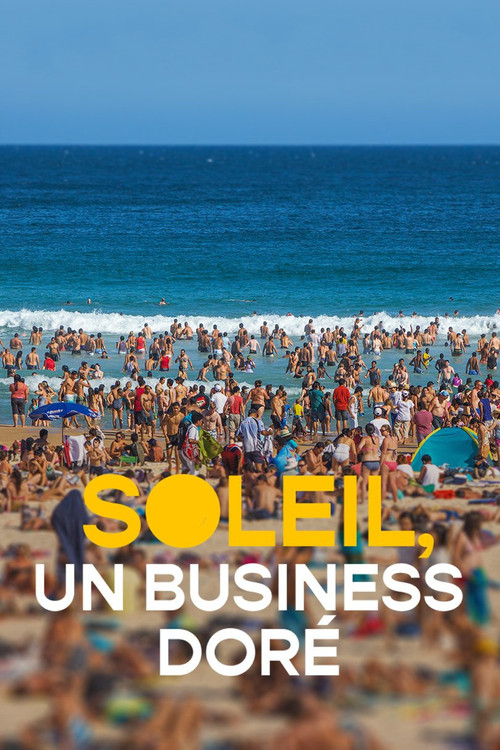
Since the late 1970s, the dangers of the sun to health have been widely recognized. As a result, the global turnover in the sunscreen industry is estimated to exceed 9 billion euros. However, when considering the sometimes contradictory medical advice, the guilt over the ecological disaster caused by the runoff of sunscreen products into the ocean, and scandals surrounding expensive creams that are ineffective or even harmful to health, a deeper examination of this very obscure sector seems essential.
Ben Fogle spends a week living inside the Chernobyl Exclusion Zone, gaining privileged access to the doomed Control Room 4 where the disaster first began to unfold.
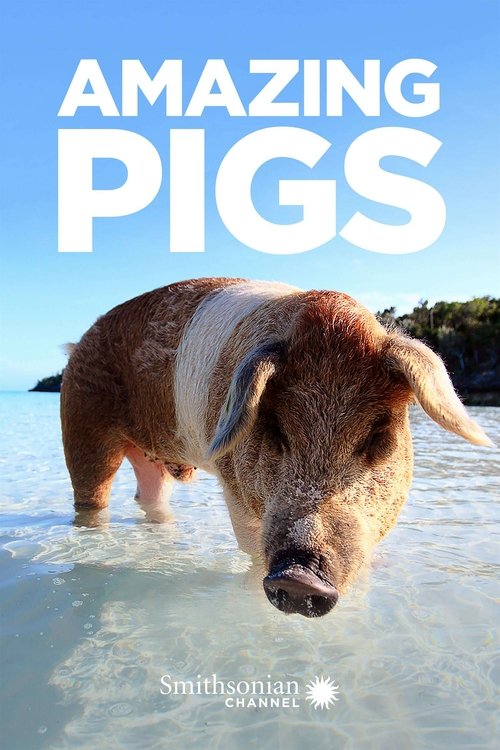
Forget what you think you know about pigs. These remarkable animals have talents we're only beginning to understand. See how pigs have conquered nearly every habitat on Earth, thanks to their remarkable senses, intelligence, and adaptability. From the islands of Indonesia to the beaches of the Bahamas to the frozen tundra of Siberia, meet eight-inch pygmy hogs, cheetah-avoiding warthogs, domesticated pigs with super senses, and more.
This documentary film focuses on the animal life that survives in this harsh arctic climates at the edge of the ice - from the simple algae to narwhals, polar bears, sea birds, seals, whales and walruses.
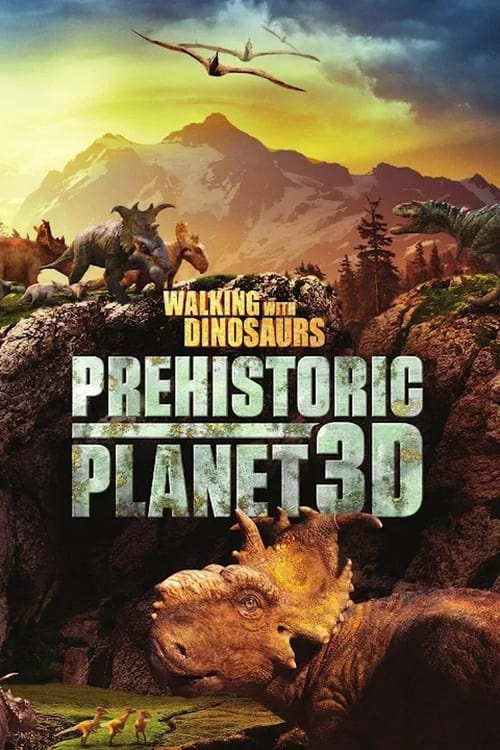
In this journey through the seasons, you’ll experience a year in the life of hundreds of plant-eating dinosaurs. From the moment they hatch, these prehistoric giants face natural disasters and ferocious predators while hunting, feeding, playing, and undertaking epic migrations. Based on scientific data, the digital dinosaurs come to life against the backdrop of modern Alaska.