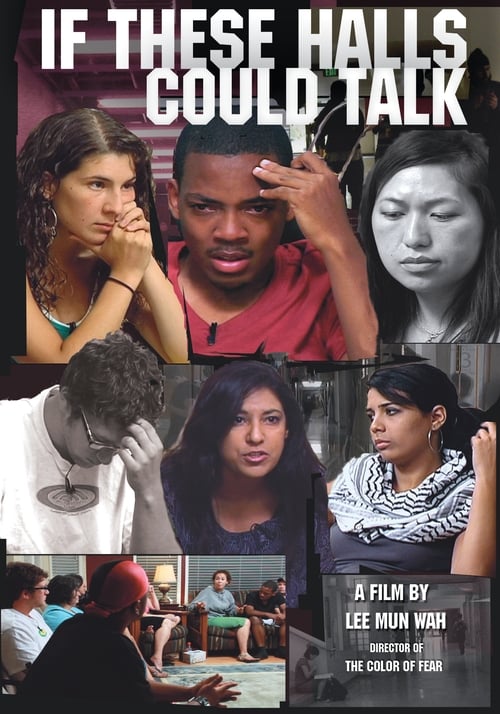
Eleven college students from different backgrounds participate in a retreat to discuss their experiences of race and racial prejudice. The circle is facilitated by Lee Mun Wah.
No Trailers found.
No Cast found.
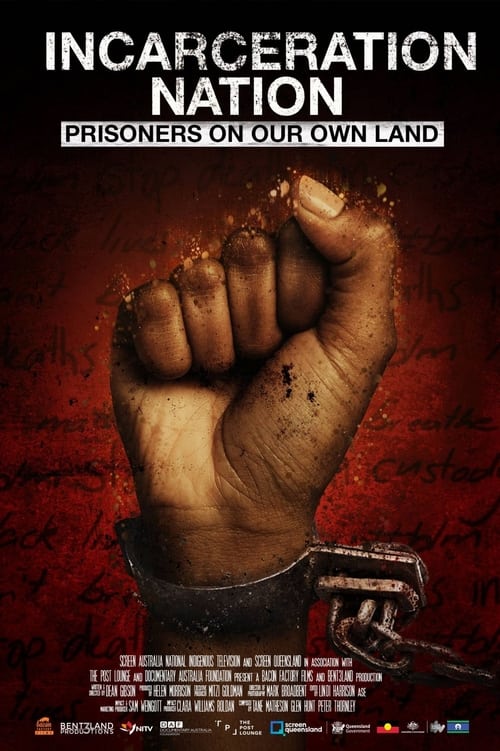
An examination of the connection between relentless government intervention since colonisation to the trauma and disadvantage experiences by Indigenous Australians - the two key drivers of incarceration.
No overview available.
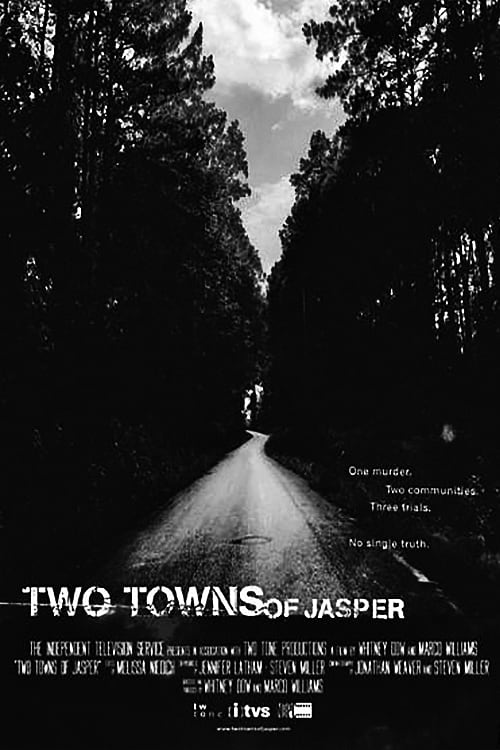
Using two separate filmmaking teams (an all-white crew filming white residents and an all-black camera crew filming black residents), TWO TOWNS OF JASPER captures very different racial views by townsfolk in Jasper, Texas, the location for a racially motivated murder of an African American man in 1998.
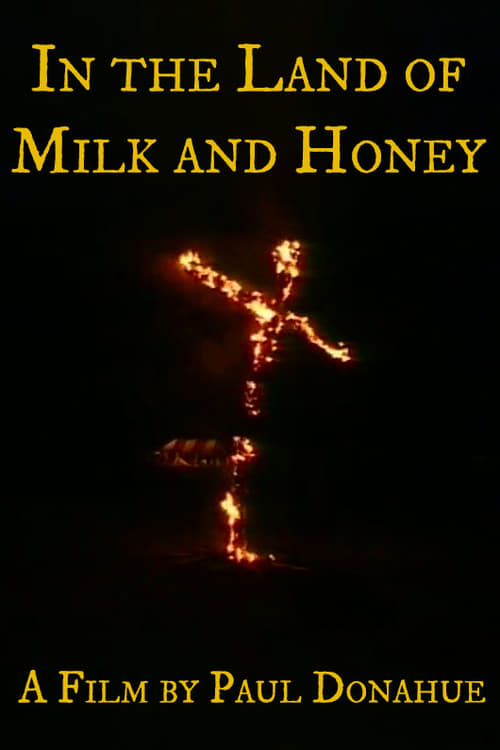
Examines Pulaski, Tennessee, the town where the Ku Klux Klan was founded right after the Civil War, and where today its memory still runs very deep. Combining interviews with local residents, attendees at a Klan rally and counter demonstrators; historical photos; contemporary footage; scenes of a museum exhibit of the last-known original Klan robe; and a cross burning ceremony by the Klan; the video reveals Pulaski's historical and ongoing relationship to this controversial organization. We learn how Pulaski's citizens remember and reconcile the history of the Klan, how they continue to be divided about the organization's meaning and role, and how such history remains contested for Americans.
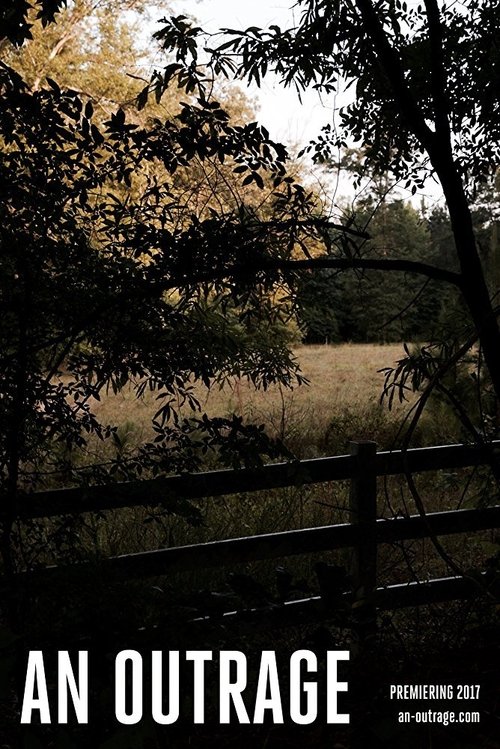
AN OUTRAGE is a documentary film about lynching in the American South. Filmed on-location at lynching sites in six states and bolstered by the memories and perspectives of descendants, community activists, and scholars, this unusual historical documentary seeks to educate even as it serves as a hub for action to remember and reflect upon a long-hidden past.
A documentary juxtaposing the events of the 20th century with the commentary of stand-up comedians.
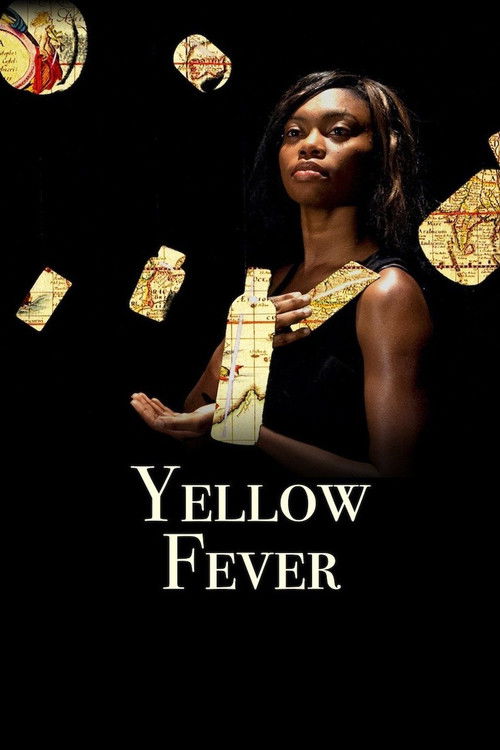
What does beauty look like? In this award-winning short, Kenyan filmmaker Ng’endo Mukii combines animation, performance, and experimental techniques to create a visually arresting and psychologically penetrating exploration of the insidious impact of Western beauty standards and media-created ideals on African women’s perceptions of themselves. From hair-straightening to skin-lightening, YELLOW FEVER unpacks the cultural and historical forces that have long made Black women uncomfortable, literally, in their own skin.
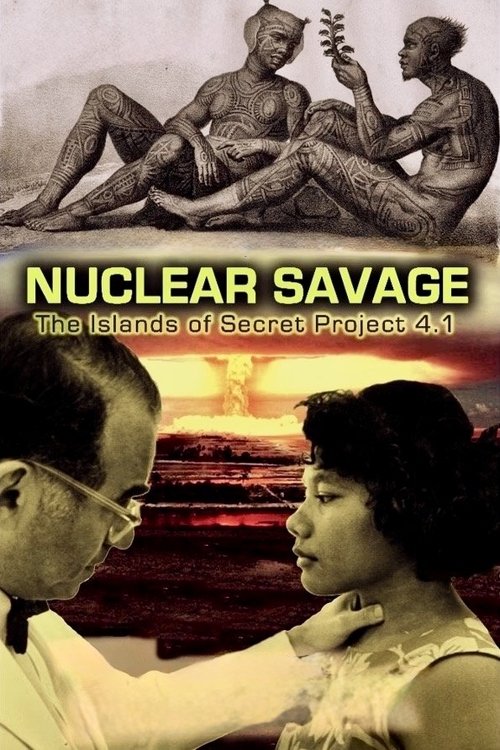
A shocking political exposé, and an intimate ethnographic portrait of Pacific Islanders struggling for survival, dignity, and justice after decades of top-secret human radiation experiments conducted on them by the U.S. government.
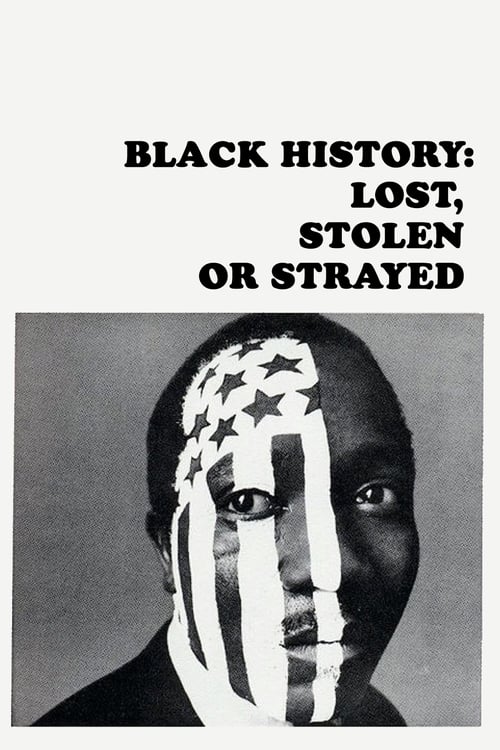
A documentary that reviews the numerous contributions of African-Americans to the development of the United States. From the perspective of the turbulent late 1960s, the fact that their positive roles had not generally been taught as part of American history, coupled with the pervasiveness of derogatory stereotypes, was evidence of how Black people had long been victims of negative attitudes and ignorance.
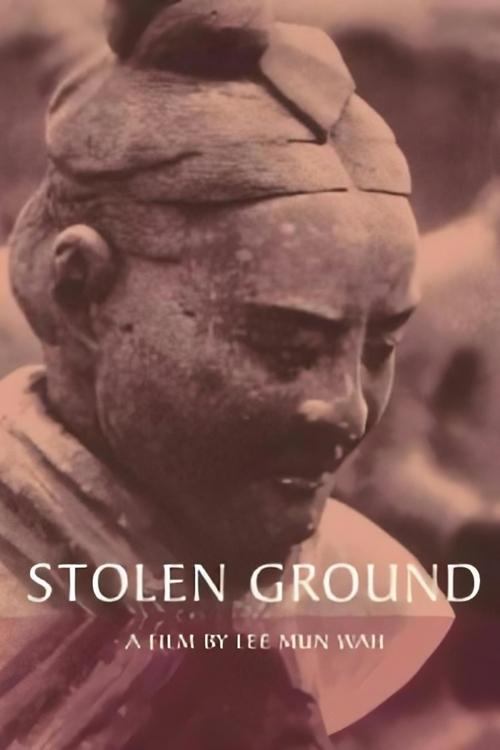
In US society, people of East Asian heritage are often perceived through an obscuring lens of ethnic and cultural stereotypes. In STOLEN GROUND, six Asian-American men talk about their experience of the highly racialized United States, and consider how racism has affected their lives and those of their family members.
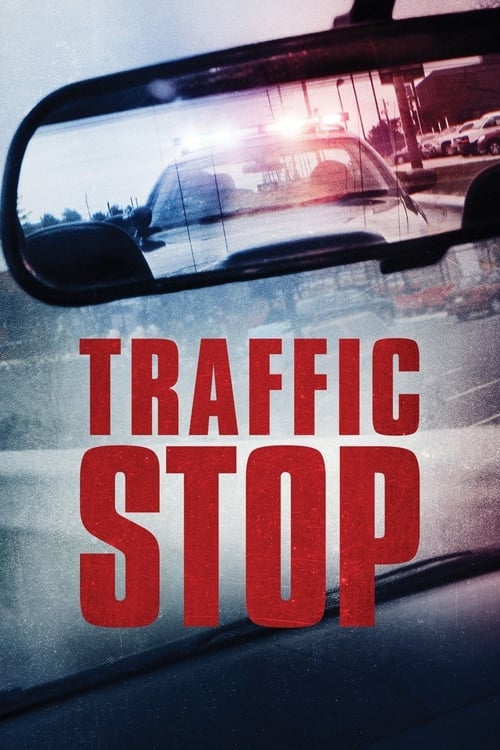
Breaion King, a 26 year-old African-American school teacher from Austin, Texas - is pulled over for a routine traffic stop that escalates into a violent arrest. Dashcam clips intercut with verite scenes tell a story of racism in law enforcement through the eyes of one of its victims.
Summer 2017, a string of brutal police killings of young African American men has sent shockwaves throughout the country. A Black community in the American South tries to cope with the lingering effects of the past and navigate their place in a country that is not on their side. Meanwhile, the Black Panthers prepare a large-scale protest against police brutality.
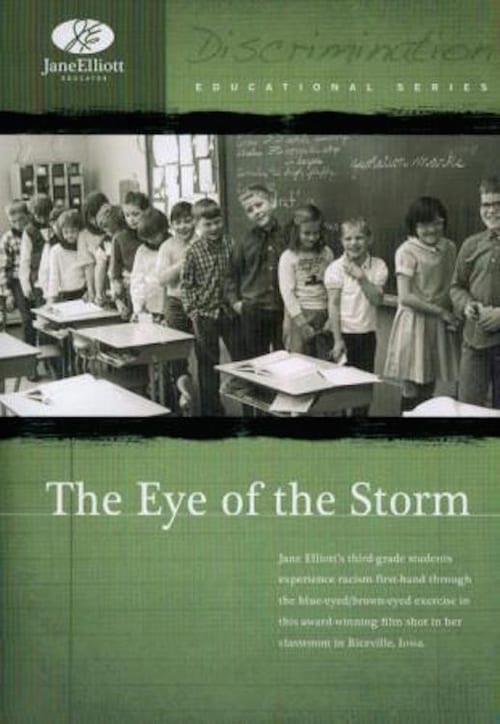
The very first documentary about Jane Elliott's educational experiment about discrimination, which was originally produced for ABC News, in which she conducts an unforgettable lesson with her third-grade class in Riceville, Iowa.
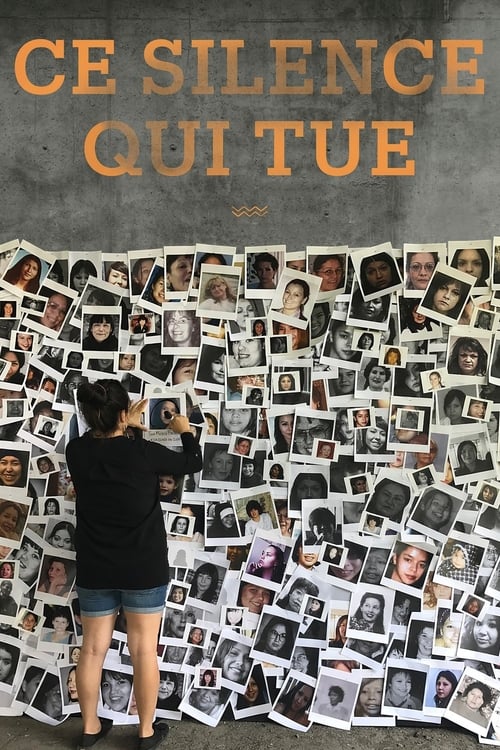
An examination of the issue of missing and murdered Indigenous women, the film explores the reasons why Indigenous women are uniquely vulnerable to violence by juxtaposing the stories of some missing or murdered women with the personal testimonies of women who are doing activism on the issue and women who have personally survived incidents of violence.
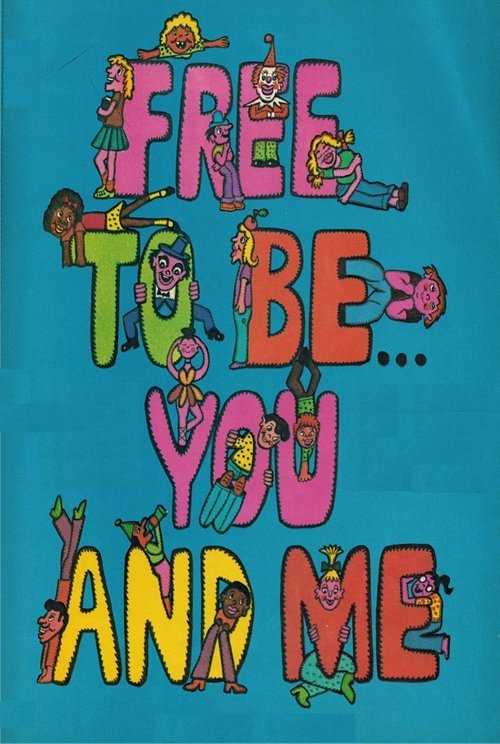
Free to Be…You and Me, a project of the Ms. Foundation for Women, is a record album, and illustrated book first released in November 1972, featuring songs and stories from many current celebrities of the day (credited as "Marlo Thomas and Friends") such as Alan Alda, Rosey Grier, Cicely Tyson, Carol Channing, Michael Jackson, and Diana Ross, among others. An ABC Afterschool Special using poetry, songs, and sketches, followed two years later in March 1974. The basic concept is to encourage a post-60's gender neutrality, while saluting values such as individuality, tolerance, and happiness with one's identity. A major thematic message is that anyone, whether a boy or a girl, can achieve anything.
In this unprecedented primetime program, 50 volunteers take part in experiments without knowing that the aim of the program is to understand the unconscious mechanisms that can lead us to discriminatory behavior. Because if they knew, it would bias the results of the experiments.
A deep look at the class warfare and the contradictions that African-Americans face within their own community when many of them are ostracized because they are “not black enough.” An analysis of the reasons behind these absurd acts of hatred.
To mark his 21st anniversary in broadcasting, the commentator Darcus Howe picks up on his chosen topic for another piece of work; racism. However, when Howe came to England "racism" was something that all ethnic groups faced from white people and it bonded the community together. Now Howe travels to the Midlands and several other areas of England to find that racism is rife within the ethnic community. He interviews those within the West Indian, Indian, Pakistani and Somalis communities to find that they are split with hatred and racism views of one another bringing the communities to the boil.
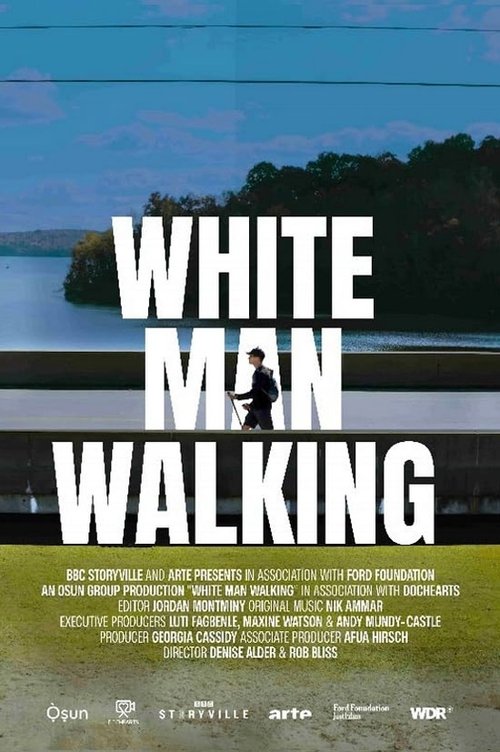
In July 2020, Rob Bliss, a young, white filmmaker, posted a video of what happened when he held up a ‘Black Lives Matter’ sign in Harrison, Arkansas, 'the most racist town in America'. It went viral, attracting 12 million views. What Bliss did next was remarkable. Over 1500 miles, two months and 25 miles a day, he set out to walk through the American South, wearing a Black Lives Matter t-shirt, and a sign that invited people to ‘come walk with me’. His goal was simple: to take the conversation Floyd’s murder had sparked about racism in American society into the places where it was most needed, yet most silent.