No Trailers found.
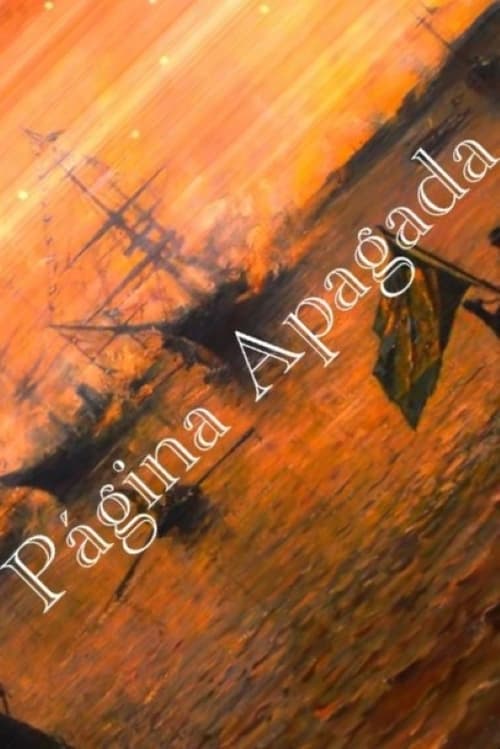
Questions about celebrating 200 years of independence from Brazil with 300 years of slavery.
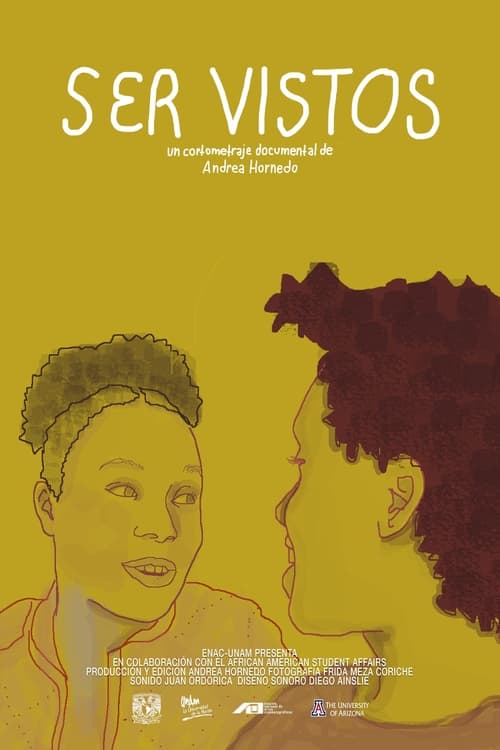
A group of African American students at the University of Arizona reveals the importance of political spaces within Universities in times of intolerance.
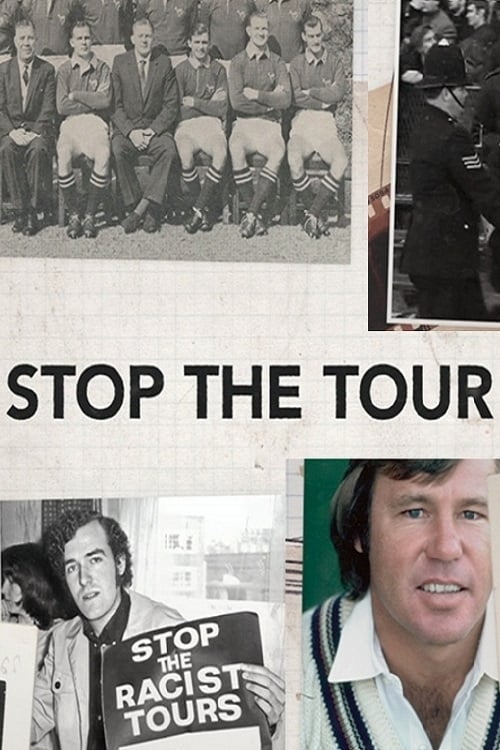
Stop The Tour discovers the extraordinary story of how sport helped bring an end to Apartheid which paved the way towards the multi racial 2019 Springbok champions.
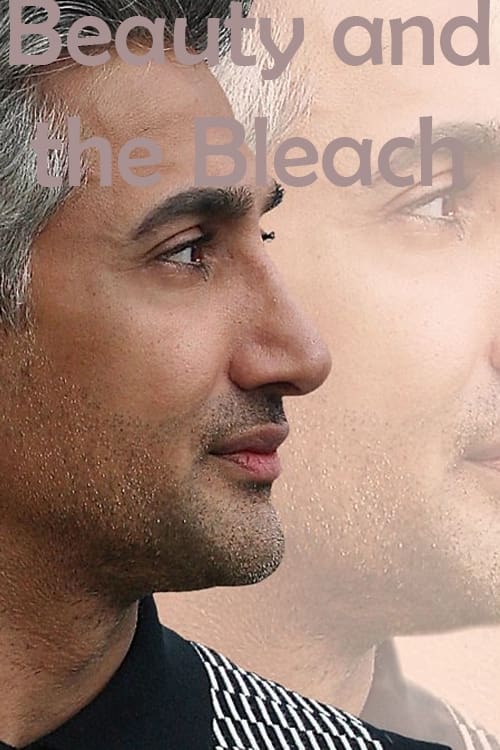
When he was only 9-years-old Tan France tried to lighten his own skin with bleaching cream. He faces up to his own experiences in an attempt to explore perceptions of beauty, skin tone and colourism.
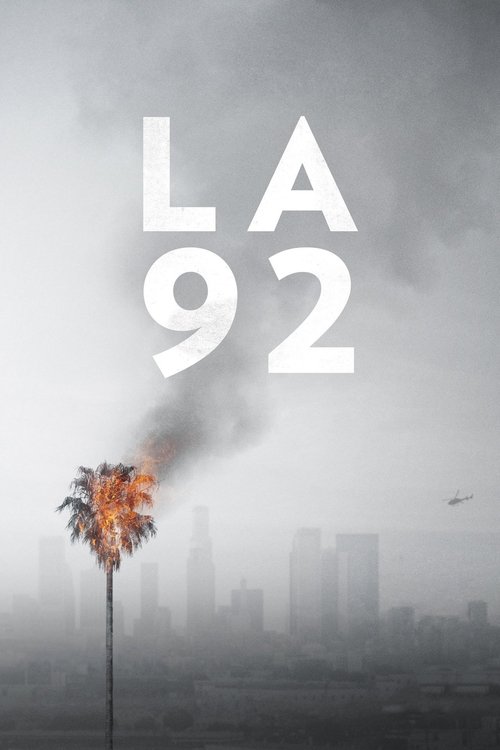
Twenty-five years after the verdict in the Rodney King trial sparked several days of protests, violence and looting in Los Angeles, LA 92 immerses viewers in that tumultuous period through stunning and rarely seen archival footage.
An American story. Traces the career of Joe Louis (1914-1981) within the context of American racial consciousness: his difficulty getting big fights early in his career, the pride of African-Americans in his prowess, the shift of White sentiment toward Louis as Hitler came to power, Louis's patriotism during World War II, and the hounding of Louis by the IRS for the following 15 years. In his last years, he's a casino greeter, a drug user, and the occasional object of scorn for young Turks like Muhammad Ali. Appreciative comment comes from boxing scholars, Louis's son Joe Jr., friends, and icons like Maya Angelou, Dick Gregory, and Bill Cosby.
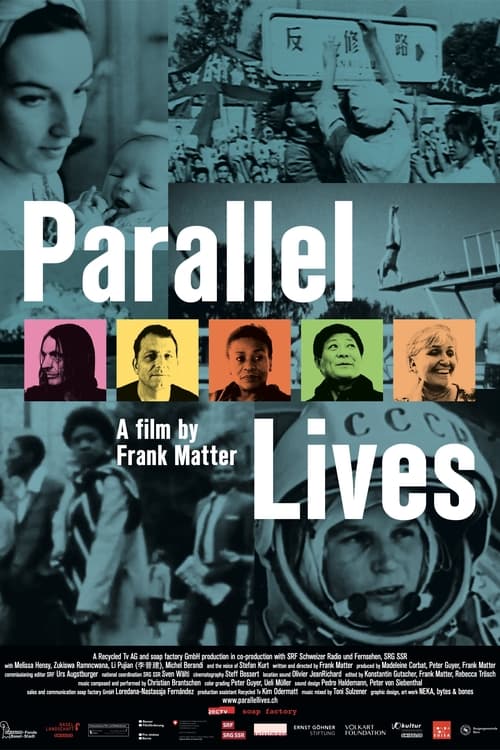
Born June 8, 1964, Frank Matter films four "twins", born the same day as him, but in other latitudes. Interweaving their life stories with rich archival material, the filmmaker links these Parallel Lives with elements from his own biography, to compose a fascinating fresco where intimate trajectories are part of the advent of the global village.
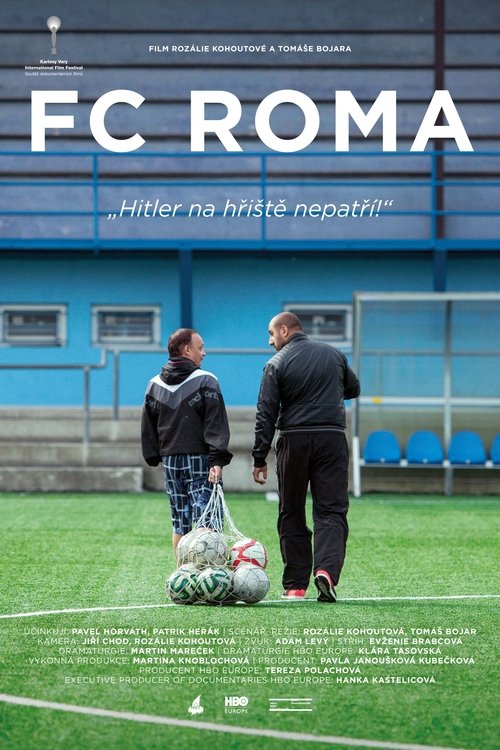
A team of Romany football players try to overcome prejudice in this Czech documentary.
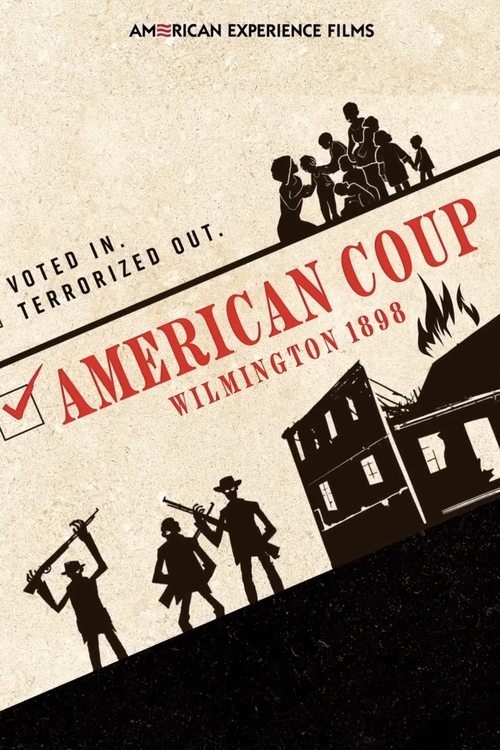
The little-known story of a deadly race massacre and carefully orchestrated insurrection in North Carolina’s largest city in 1898 — the only coup d’état in the history of the US. Stoking fears of 'Negro Rule', self-described white supremacists used intimidation and violence to destroy Black political and economic power and overthrow Wilmington’s democratically-elected, multi-racial government. Black residents were murdered and thousands were banished. The story of what happened in Wilmington was suppressed for decades until descendants and scholars began to investigate. Today, many of those descendants — Black and white — seek the truth about this intentionally buried history.
This riveting documentary investigates allegations of systemic racism and child sexual abuse in the New Hanover School District.
African American filmmaker David A. Wilson decided to look into his family's history during the slave era. The result is this documentary, which provides a unique perspective on the long shadow cast by slavery in America. Wilson travels to North Carolina to visit the plantation where his ancestors once toiled and to meet its current owner -- a white man named David Wilson, whose slave-owning ancestors originally occupied the property.
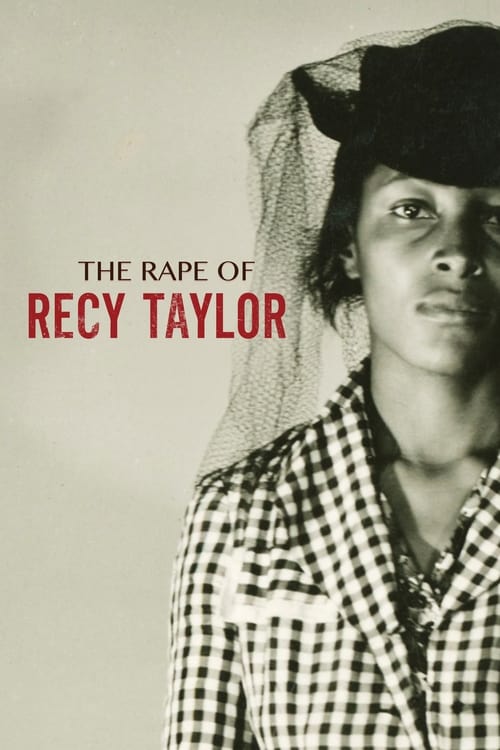
Recy Taylor, a 24-year-old black mother and sharecropper, was gang raped by six white boys in 1944 Alabama. Common in Jim Crow South, few women spoke up in fear for their lives. Not Recy Taylor, who bravely identified her rapists. The NAACP sent its chief rape investigator Rosa Parks, who rallied support and triggered an unprecedented outcry for justice. The film exposes a legacy of physical abuse of black women and reveals Rosa Parks’ intimate role in Recy Taylor’s story.
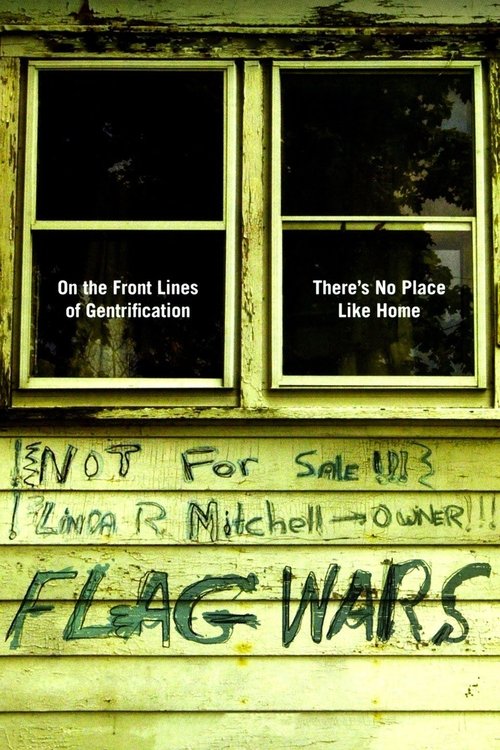
Filmed over four years, this documentary focuses on the impacts of gentrification as gay white professionals move into a largely black working-class neighborhood in Columbus, Ohio.
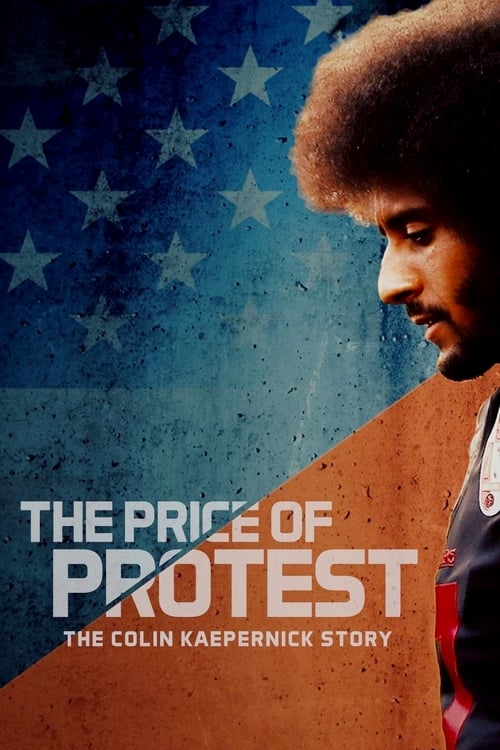
United States, September 1st, 2016. American football player Colin Kaepernick kneels during the national anthem, protesting police brutality against black people. Part of the population regards the gesture as an unacceptable affront to the flag. Later, he loses his place on his team. Today, however, he is considered by many as a true hero.
A documentary juxtaposing the events of the 20th century with the commentary of stand-up comedians.
Pop star Leigh-Anne Pinnock confronts her experience as the only black member of Little Mix, and as a black woman in the music industry. She embarks on her own very personal journey to understand how she can use her platform and privilege to combat the profound racism she sees in society around her.
This documentary celebrates the Black cultural renaissance that existed in the Greenwood district of Tulsa, OK, and investigates the 100-year-old race massacre that left an indelible, though hidden stain on American history.
Documentary film about the nationalist movement in Sweden
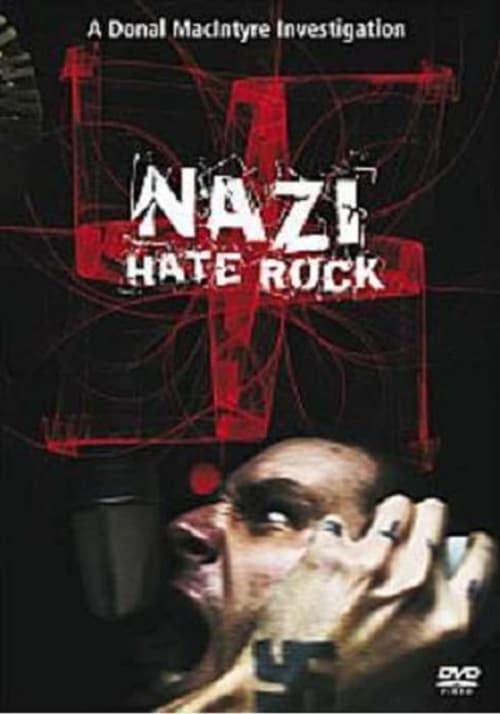
Donal MacIntyre investigates the secretive world of white power music and how the money made helps fund far right political organizations in many countries, including the British National Party in the UK. In this documentary, the crew gained access to the men and women behind one of the most disturbing musical movements. It reveals how British neo-Nazis and skinheads plan to launch 'Project School-Yard' in Britain after a similar scheme was tried out in the United States. In the UK, the team follows one of the most infamous British white-power bands, Whitelaw, as they prepare for one of the biggest gigs of their career. The band are filmed on stage, with riot police surrounding the venue, performing as the forces of law and order move in to shut down their hate-filled act. The film also contains shocking images of hate rock concerts in the USA where, thanks to the first amendment protecting freedom of speech, anything goes.
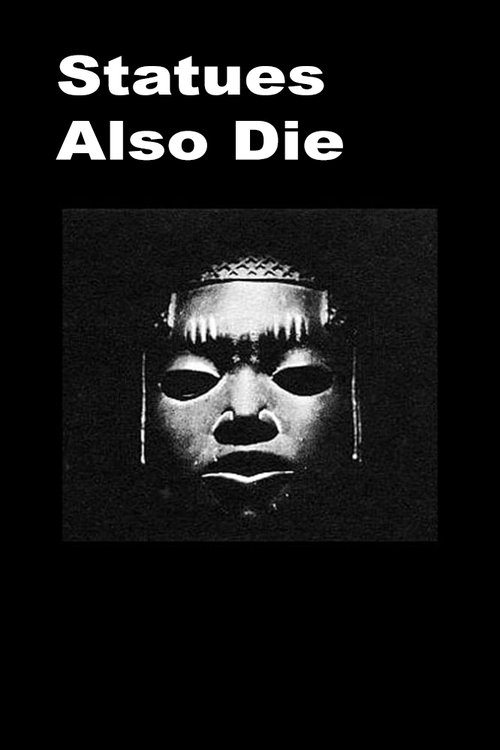
Commissioned by the journal Présence Africaine, this short documentary examines how African art is devalued and alienated through colonial and museum contexts. Beginning with the question of why African works are confined to ethnographic displays while Greek or Egyptian art is celebrated, the film became a landmark of anti-colonial cinema and was banned in France for eight years.
Narrator