No Cast found.
No Trailers found.
No overview available.
This is the story of an ordinary man transformed by history. A simple baker from Besançon who became a political symbol of resistance. That of a France that knows how much it needs others to grow. Of working classes rejecting the siren calls of populism. He says: "I was nothing and I became a monster" to express the vertigo of his transformation. And so the baker entered politics, visited the United States in the footsteps of Martin Luther King, brought aid to the Ukrainians, and ran for legislative elections. Fearless. Fighting with all his heart. It is this inspiring, touching, and funny human epic that Pedro da Fonseca's camera followed closely, capturing his doubts, his hesitations, and his emotions.
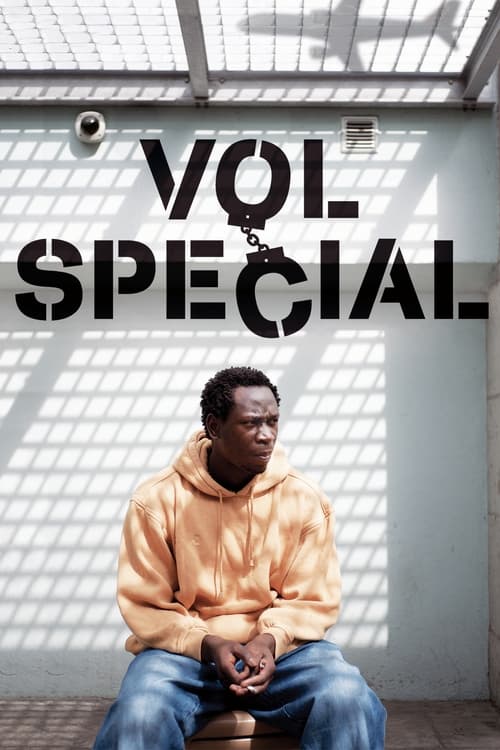
Switzerland still carries out special flights, where passengers, dressed in diapers and helmets, are chained to their seats for 40 hours at worst. They are accompanied by police officers and immigration officials. The passengers are flown to their native countries, where they haven't set foot in in up to twenty years, and where their lives might be in danger. Children, wives and work are left behind in Switzerland. Near Geneva, in Frambois prison, live 25 illegal immigrants waiting for deportation. They are offered an opportunity to say goodbye to their families and return to their native countries on a regular flight, escorted by plain-clothes police officers. If they refuse this offer, the special flight is arranged fast and unexpectedly. The stories behind the locked cells are truly heartbreaking.
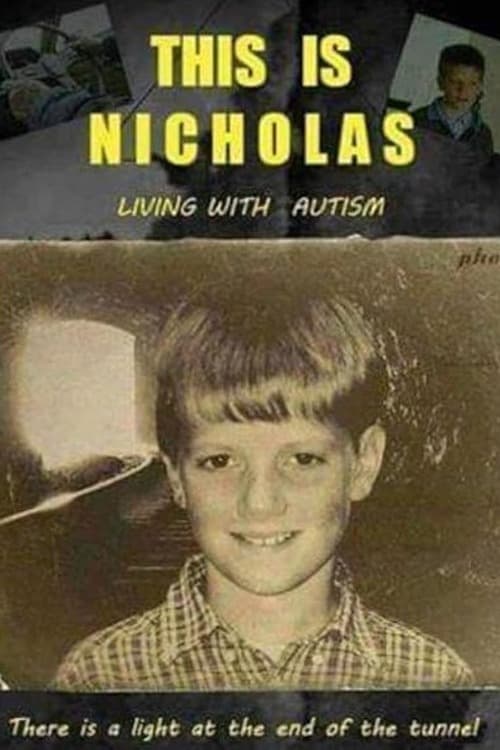
A mother determines to see her son faced with autism and depression overcome challenges, along with support from family, the community and teachers.
This documentary follows a group of women on a typical workday as they prepare meals for a dockyard in Rostock. The viewer never learns their names - there are no interviews. The women are presented simply as workers: cooking, cleaning, hauling, and serving dishes amid clanking pots and hot steam.
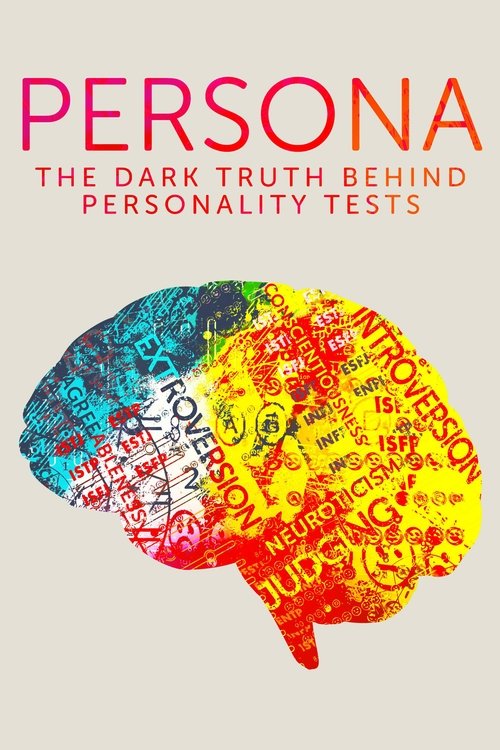
A documentary exploring the history and growing dangers surrounding the seemingly innocuous Myers–Briggs personality test.
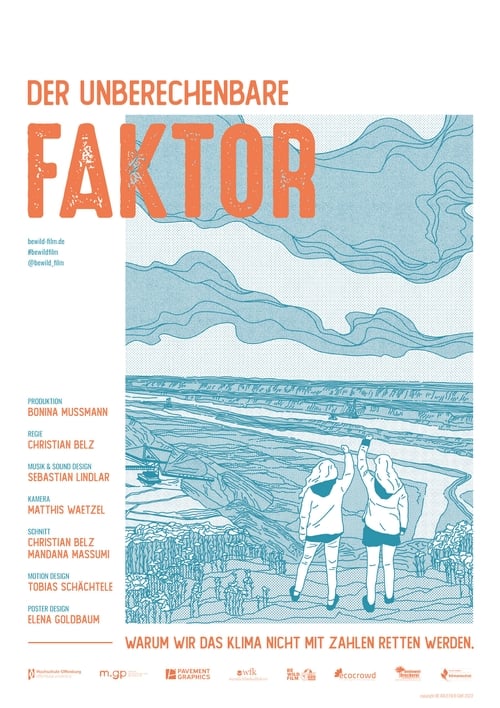
In today's climate debate, there is only one factor that cannot be calculated in climate models - humans. How can we nevertheless understand our role in the climate system and manage the crisis? Climate change is a complex global problem. Increasingly extreme weather events, rising sea levels, and more difficult living conditions - including for us humans - are already the order of the day. Global society has never faced such a complex challenge. For young people in particular, the frightening climate scenarios will be a reality in the future. For the global south, it is already today. To overcome this crisis, different perspectives are needed. "THE UNPREDICTABLE FACTOR" goes back to the origins of the German environmental movement, accompanies today's activists in the Rhineland in their fight against the coal industry and gives a voice to scientists from climate research, ethnology and psychology.
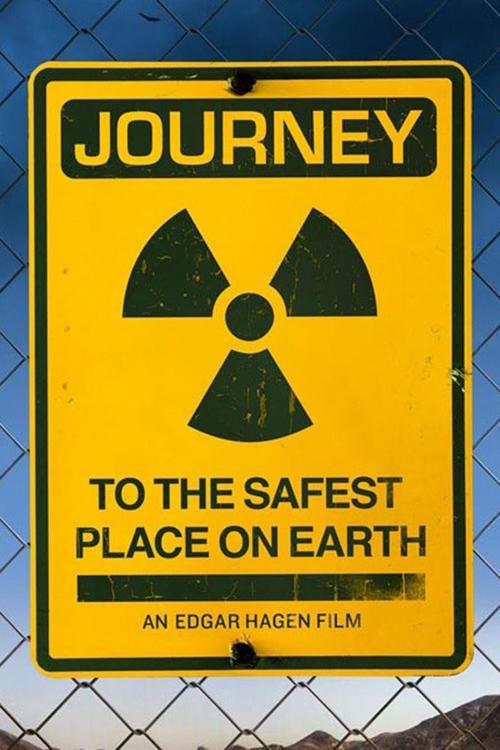
Over 350,000 tons of highly radioactive waste and spent fuel rods are in temporary storage on site at nuclear power complexes and at intermediate storage sites all over the world. More than 10,000 additional tons join them every year. It is the most dangerous waste man has ever produced. Waste that requires storage in a safe final repository for hundreds of thousands of years. Out of reach of humanity and other living creatures. The question is, where? Together with Swiss-British nuclear physicist Charles McCombie, who has been searching for a safe final storage site for highly radioactive nuclear waste for thirty-five years, director Edgar Hagen investigates the limitations and contradictions involved in this project of global significance. Supporters and opponents of nuclear energy struggle for solutions whilst dogmatic worldviews are assailed by doubt
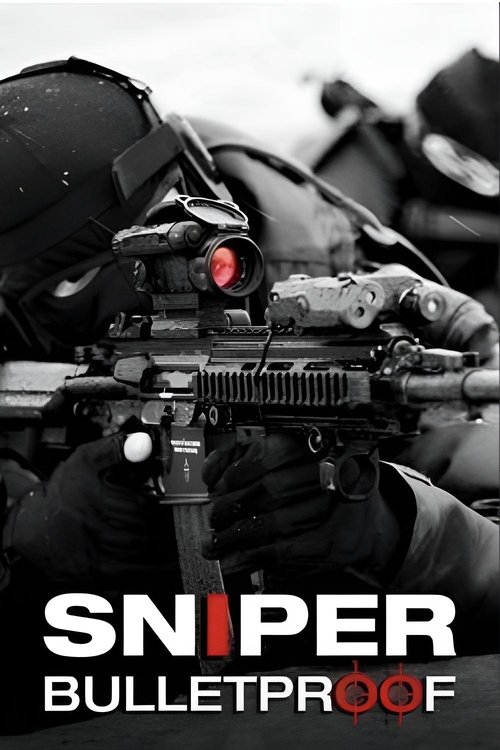
Sniper: Bulletproof deconstructs and analyzes the little-known sniper events that have occurred when no other course of action was possible. The people who planned the takedowns, or pulled the trigger, share their techniques and bring to light the many factors that had to be considered in each mission: terrain, wind speed, temperature, elevation changes... all are critical to taking out targets considered bulletproof. A sniper has one chance, one breath, to rise to the occasion and save the day... if they miss, there may never be another opportunity. As these never told before stories unfold, the viewer also learns about the high-tech gear each sniper carries on their classified missions.
Documentary about thrift shops in Berne, Switzerland and how they want people to recycle and re-use instead of throw away.
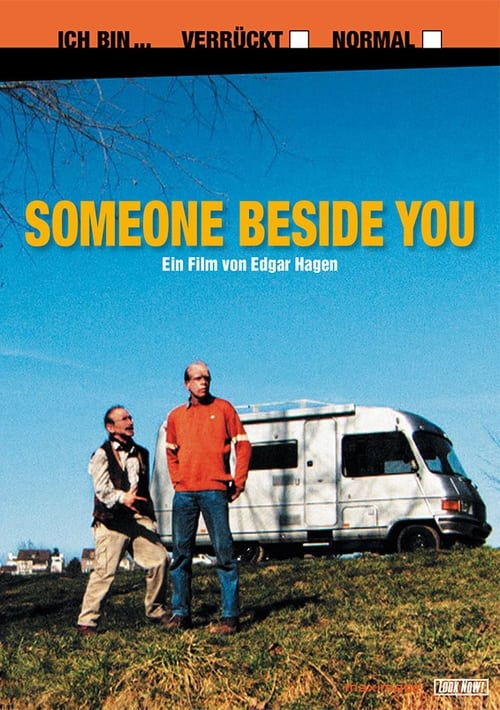
Along with several courageous psychiatrists and their clients, the author sets out to film a documentary road movie that takes him to Switzerland, Europe, and the U.S. On their travels in mobile homes, they explore the depths of the human psyche in search of answers to the question: What is the human mind and how does it behave in psychotic extreme situations?
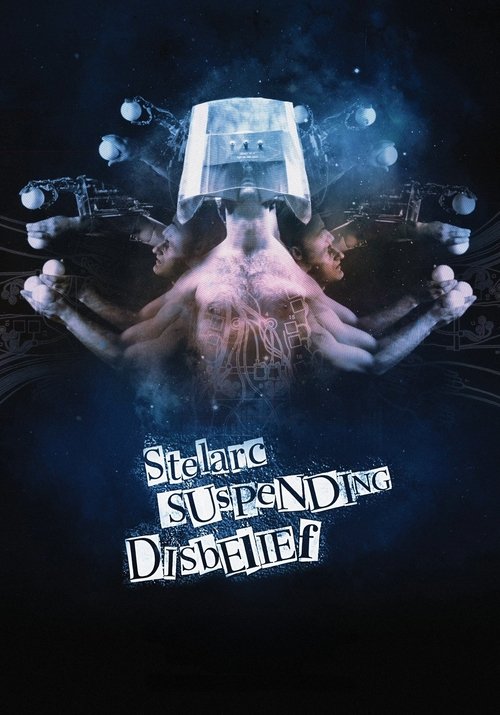
Melbourne-based Stelarc burst into prominence in the early 1970s with confronting, and outrageous public art performances. Following his mantra that ‘the body is obsolete’ he set about testing the limits of his own body in a series of death-defying stunts. Stelarc has always fought to escape the force of gravity. A third arm, an extra ear, a cheeky prosthetic head and an ambidextrous hand all play parts in this lively biopic as Stelarc wrangles the intersection between humanity and technology.
A documentary film about a student filmmaker struggling with depression, expressed in the medium she loves the most.
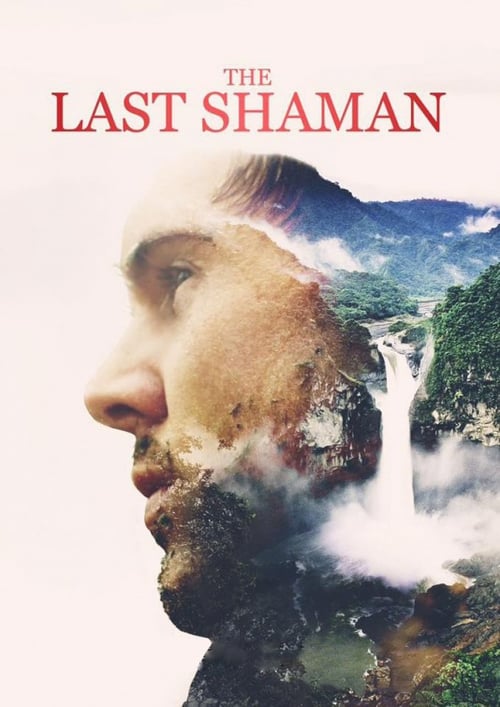
James, giving himself 12 months before he has "a license to kill himself," sets off to the Amazon rainforest with hopes of finding a shaman who can save his life.
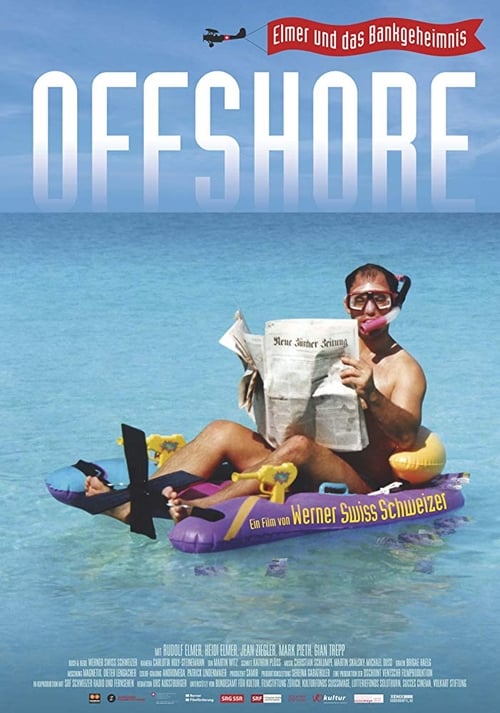
While managers of Swiss banks in the USA ruefully apologize for their tax evasions practices and customer data is disclosed to the American authorities, Rudolf Elmer, former auditor at bank Julius Bär, is indicted for violating the Swiss banking secrecy law on the Cayman Islands. Rudolf Elmer: from insider to critic.
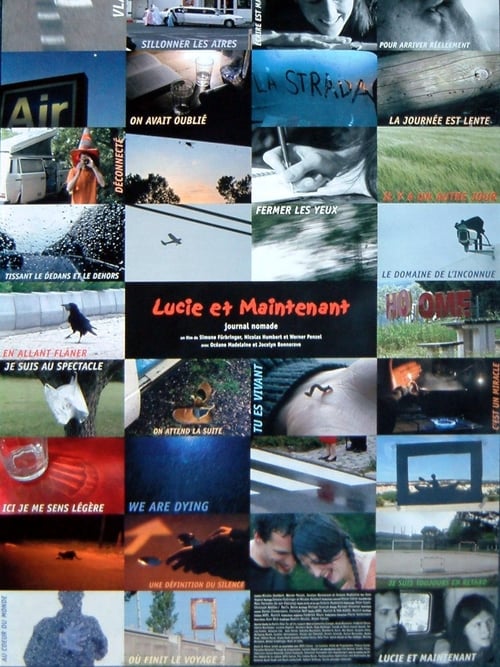
In May of 1982 Julio Cortázar, the Argentinean writer and his companion in life, Carol Dunlop set out in their VW bus on a journey along the highway from Paris to Marseille that, for each of them, was to be their final one. Twenty-five years later, Océane Madelaine and Jocelyn Bonnerave set out to undertake the journey again.