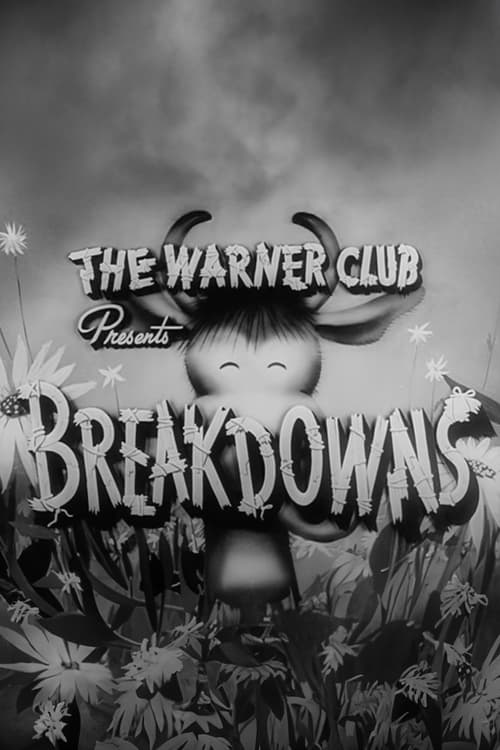
Flubs and bloopers that occurred on the set of some of the major Warner Bros. pictures of 1944.
Self
No Trailers found.
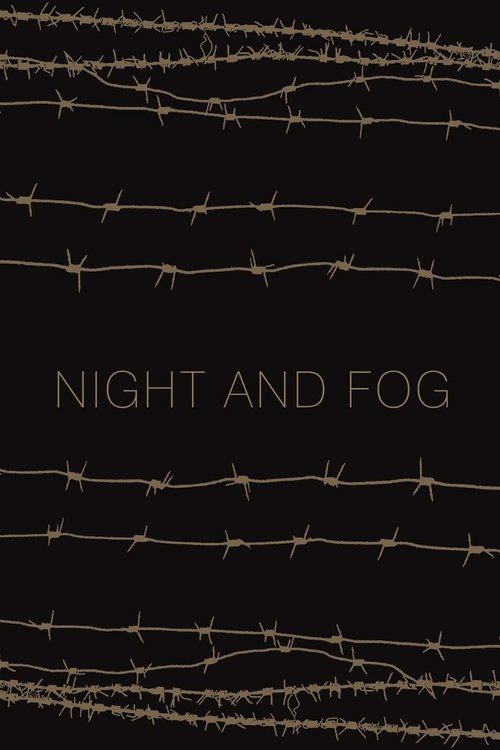
Filmmaker Alain Resnais documents the atrocities behind the walls of Hitler's concentration camps.
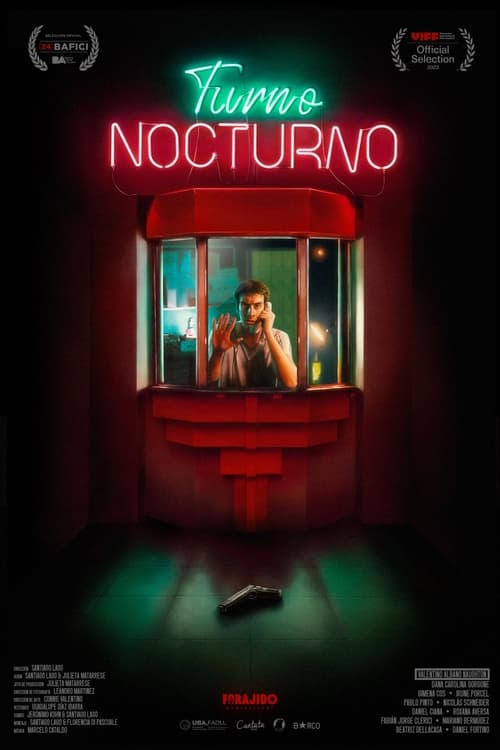
The night shift clerk at a sex hotel, suffering from narcolepsy, is faced with a night when things are unusually busy and housekeeping finds a gun in room 6.
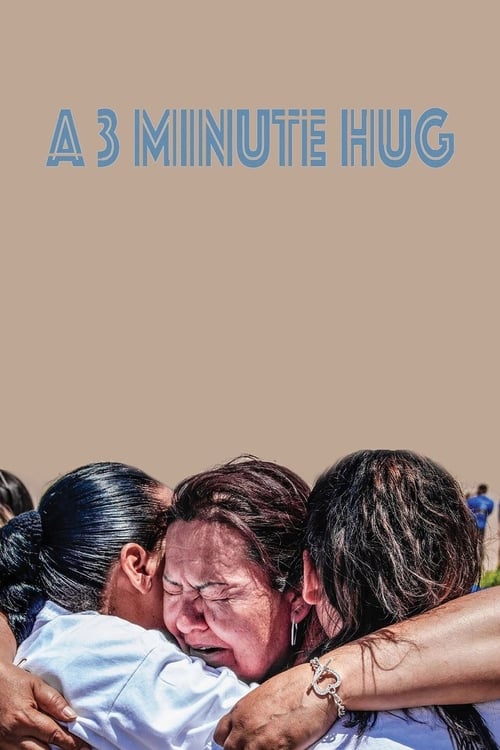
As daylight breaks between the border cities of El Paso, Texas, and Juarez, Mexico, undocumented migrants and their relatives, divided by a wall, prepare to participate in an activist event. For three minutes, they’ll embrace in no man’s land for the briefest and sweetest of reunions.
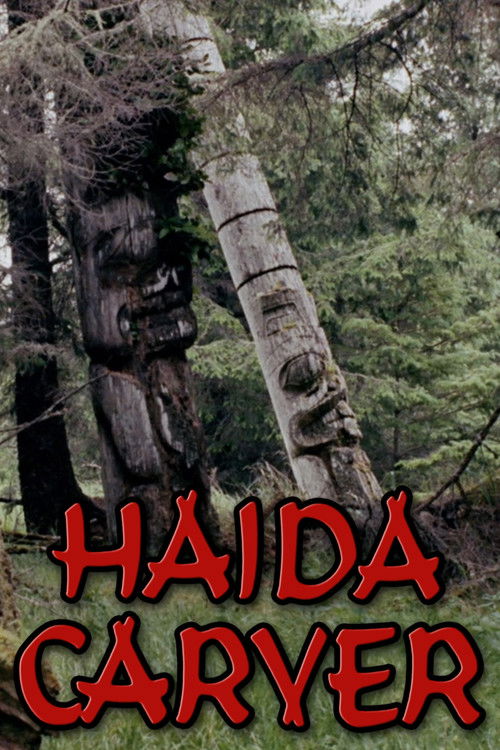
On Canada's Pacific coast this film finds a young Haida artist, Robert Davidson, shaping miniature totems from argillite, a jet-like stone. The film follows the artist to the island where he finds the stone, and then shows how he carves it in the manner of his grandfather, who taught him the craft.
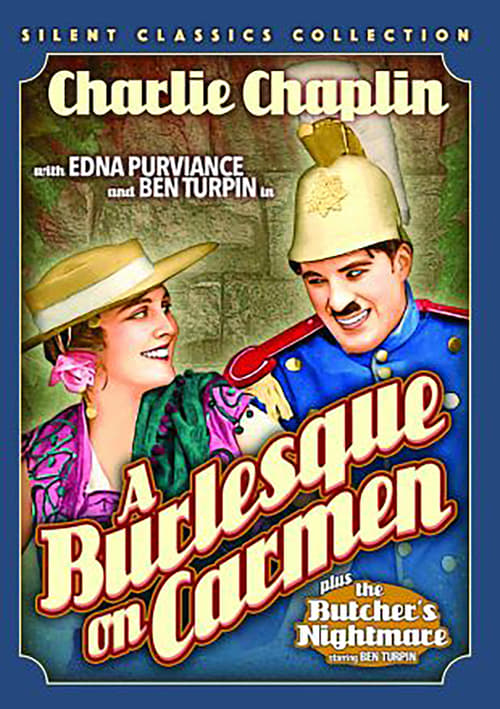
Peter Sellers makes funny voice narration over the Chaplin film A Burlesque on Carmen (1915).
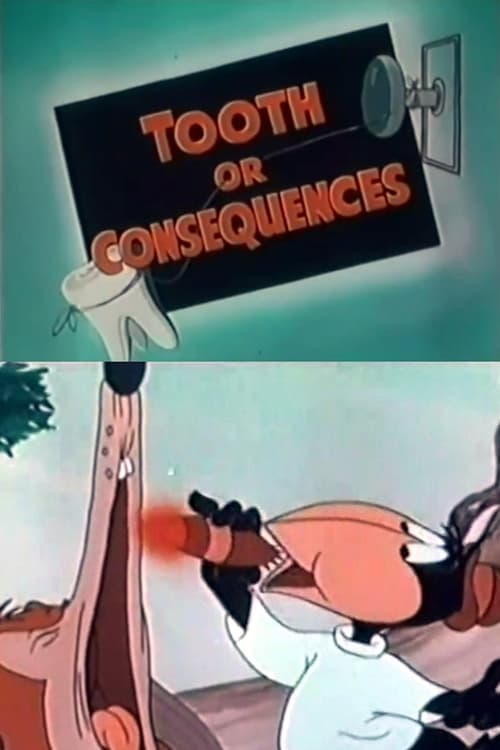
The Fox, once again, is plagued with a toothache, and once again is in search for a dentist to relieve his agony, and he, once again, finds Mr. Crow, pretending to be a dentist. This leads to no end of painful consequences for Mr. Fox.
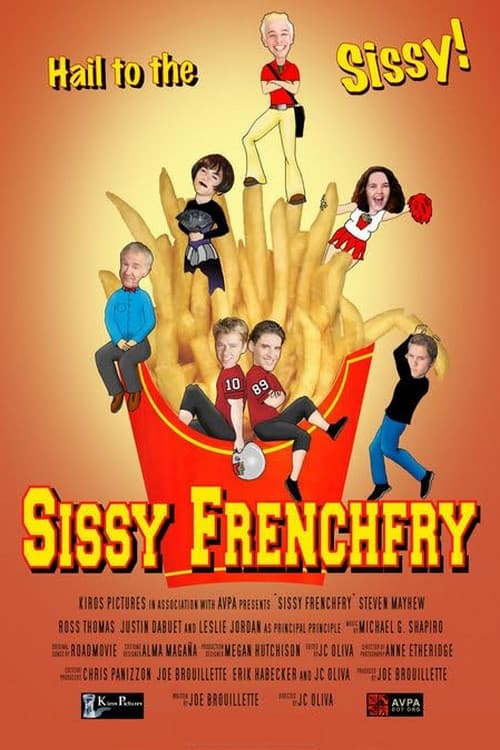
The annual Student Body President election at wildly eclectic and diverse West Beach High pits the quirky, much-beloved incumbent Sissy Frenchfry against handsome, charismatic -- and socially intolerant -- transfer student Bodey McDodey, who enacts a devious plan to restore the "status quo."
The film sheds light on the topic of the high divorce rate among young people in the form of journalistic statements and scenes as well as analytically reflected statements and statements of experience by sociologist Dr. Ursula Hempel, divorced and single mother of two adolescent children, and her cousin, a puppeteer who is also divorced.
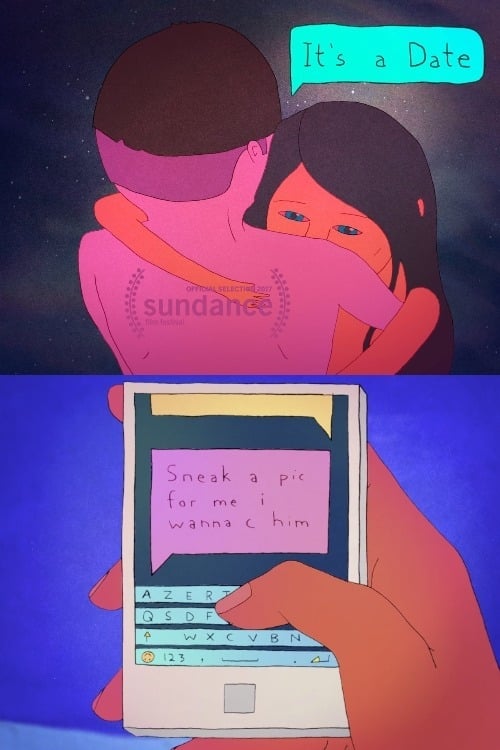
It’s a Date is a culmination of his preoccupations, a weird but humanistic look at a couple on a first date. It seems to be going well until the man decides to really open up and get (sur)real.
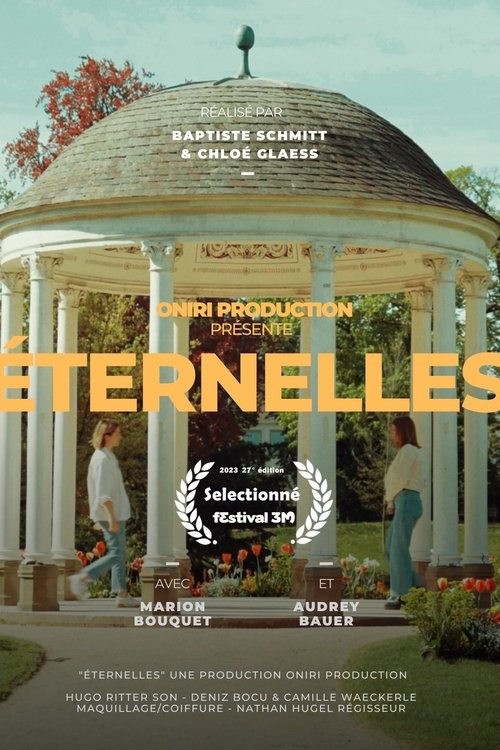
Two sisters, Emma and Alice, meet again after a long absence. Strangely, they resemble each other more than they think.
No overview available.
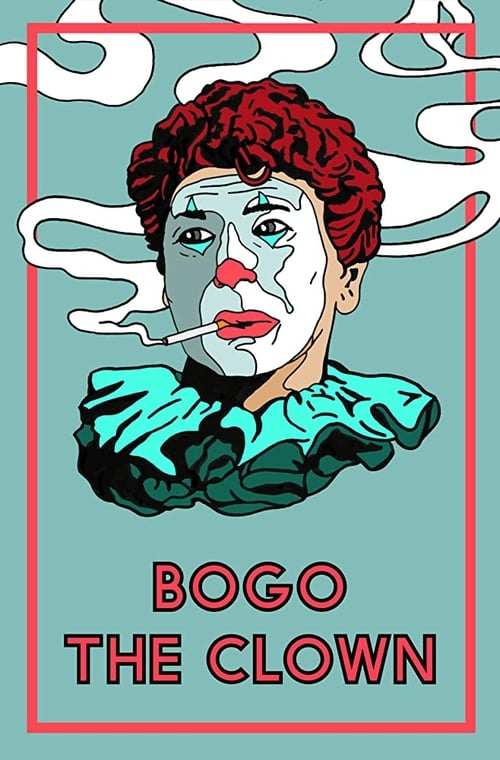
Bogo, a self-deprecating stand-up comedian, struggles to find happiness in a life where his only value seems to be making other people laugh.
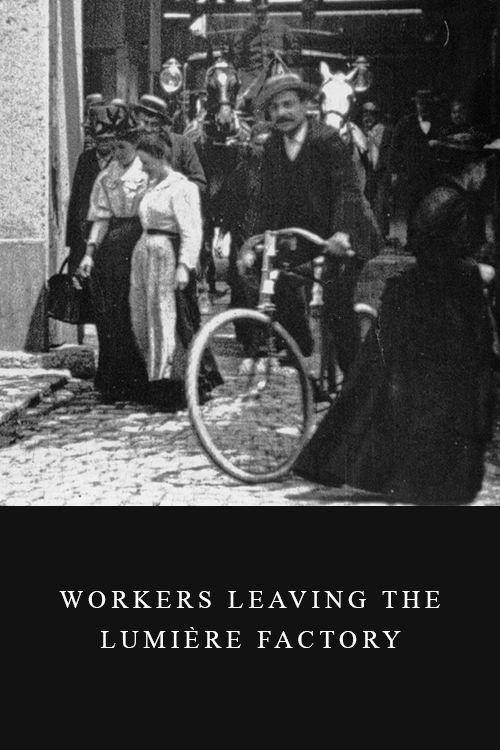
Working men and women leave through the main gate of the Lumière factory in Lyon, France. Filmed on 22 March 1895, it is often referred to as the first real motion picture ever made, although Louis Le Prince's 1888 Roundhay Garden Scene pre-dated it by seven years. Three separate versions of this film exist, which differ from one another in numerous ways. The first version features a carriage drawn by one horse, while in the second version the carriage is drawn by two horses, and there is no carriage at all in the third version. The clothing style is also different between the three versions, demonstrating the different seasons in which each was filmed. This film was made in the 35 mm format with an aspect ratio of 1.33:1, and at a speed of 16 frames per second. At that rate, the 17 meters of film length provided a duration of 46 seconds, holding a total of 800 frames.
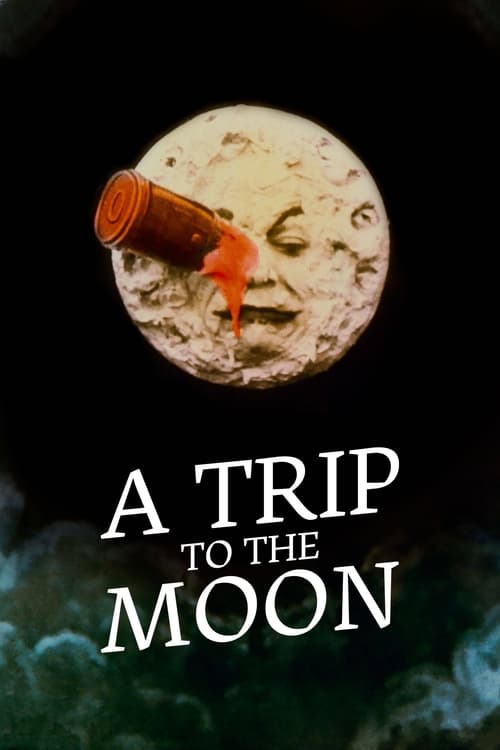
Professor Barbenfouillis and five of his colleagues from the Academy of Astronomy travel to the Moon aboard a rocket propelled by a giant cannon. Once on the lunar surface, the bold explorers face the many perils hidden in the caves of the mysterious planet.
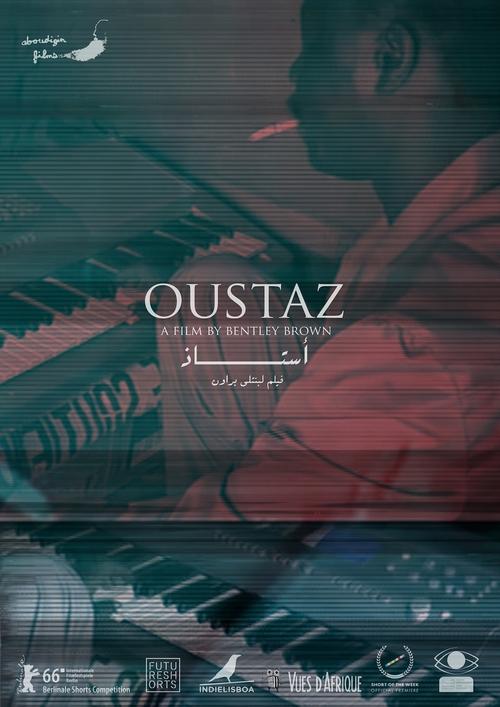
After the death of his Arabic teacher, an American-born filmmaker in the northern African country of Chad revisits home videos to explore the moment they started making movies together.
Joshua Gen Solondz assmbles footage shot around the world over the past decade and manipulates it into a blurred compendium that privileges darkness and abstraction over the picturesque to an intense, strobing degree.
A synaesthetic portrait made between French Polynesia and Brittany, Color-blind follows the restless ghost of Gauguin in excavating the colonial legacy of a post-postcolonial present.
A hotel room and a few sweets, their wrappers stacked like gold leaf... An interview with Chantal Akerman and ongoing coverage of the 2015 terrorist attacks in Paris, and what emerges is a genuine tragedy, as simple as Racine's.