Noivo, Rudolfo Valentino
No Trailers found.
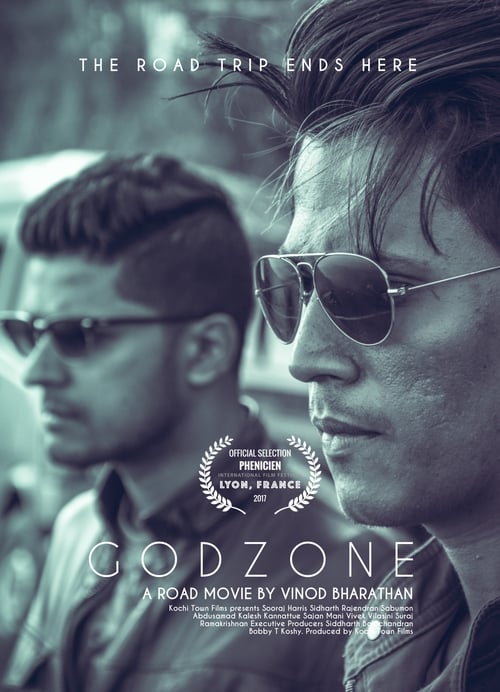
Two friends try to re-unite by going on a road-trip to the forests and mountains. Their attempt to reconcile does not go easy due to the secrets they hold, and a shocking revelation ends their journey.
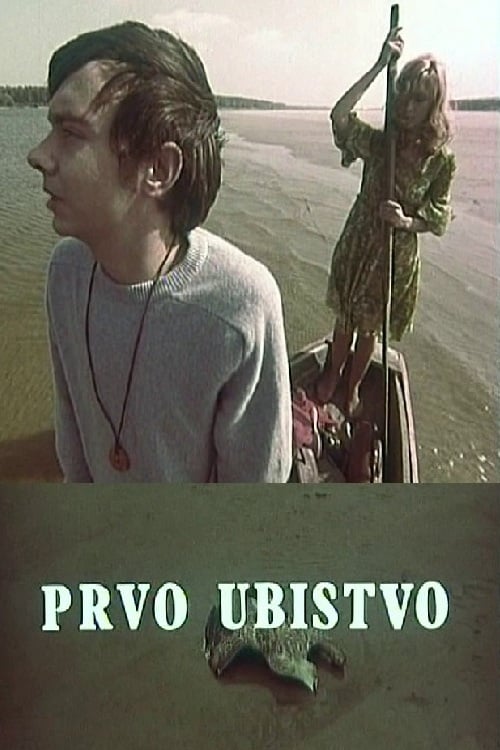
A serial killer stalks a woman he befriended after her car broke down.
A journey to an unknown star, a children's theatre play, an untalented writer and the fear of becoming the worst version of oneself. A mixture of live-action footage and animated scenes. A stream of (un)conscious stereotypes.
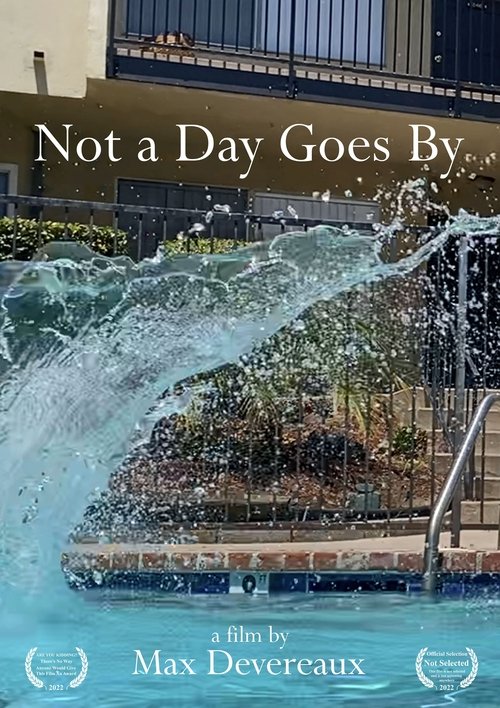
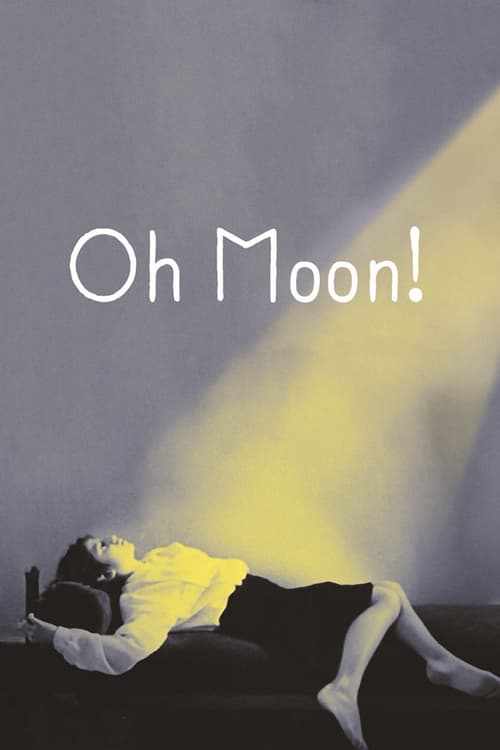
Shot in a series of long-takes over several days, the film follows a flower shop attendant (played by Devereaux, then actually employed at a small flower shop by the beach) in fragmented detail. The order of scenes resists chronology: moments recur, shift, or vanish, creating not the passage of a single day but the jumble of many, refracted into a meditation on routine and its quiet abstractions.
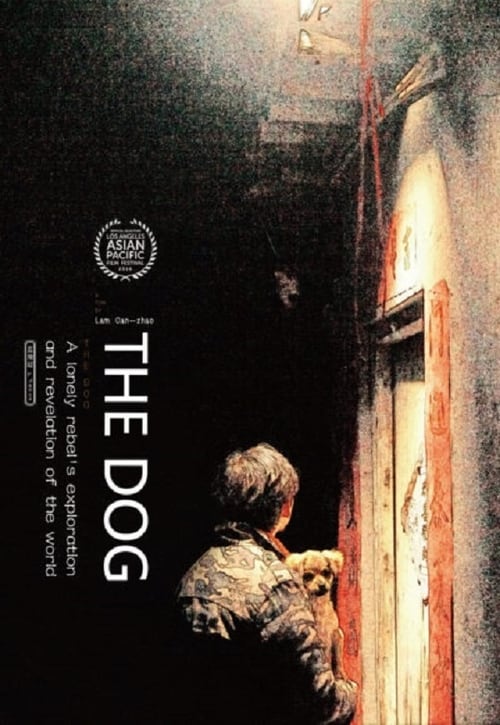
Director Lam Can-Zhao leads a small film crew as they shoot a film about a stray dog in the streets of Guangzhou, leading viewers into an unpredictable, peculiar and incredible journey.
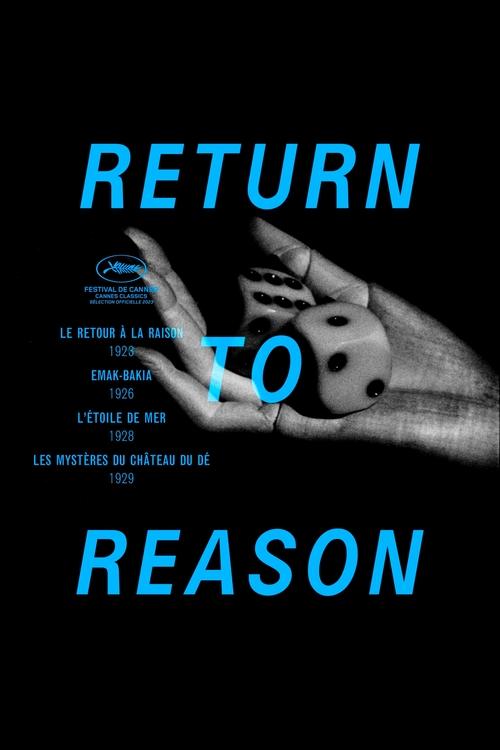
An immersion into the surreal and dreamlike world of painter, photographer and filmmaker Man Ray (1890-1976), one of the most prolific American visual artists, through four of his short films, brought to life by the atmospheric music of SQÜRL.
Eleven-year-old Yekta lives in a crumbling island mansion with her strict aunts and ailing grandfather, yearning for her absent mother. As dreams and surreal visions shape her solitude, she sets out in search of a mythical seagull with a child’s head.
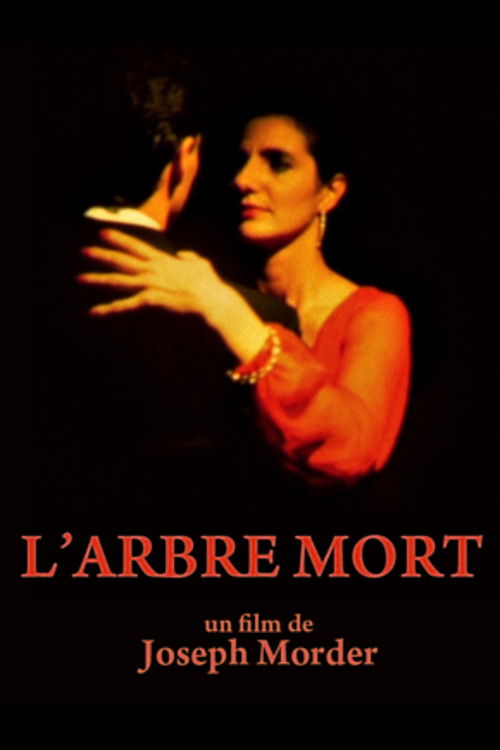
The veneer of the story is a tale of chance love: two French expatriates strike up a chance romance when they meet on a ship headed back to South America.
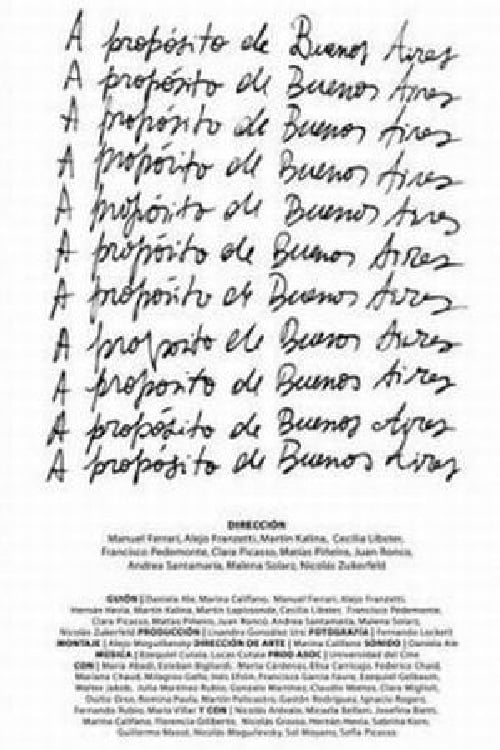
Eleven young film-makers got together to collaborate in this atypical project. Atypical not only because of its technical specs, but because of its narrative structure. There are several scenes with only the city in common, and more as a conceptual presence at that than as a precise geography. None of those scenes contains a single "story": Each one of them is part of a larger situation that we cannot see, as though the beginning and end of each "story" had to be filled in by the audience.
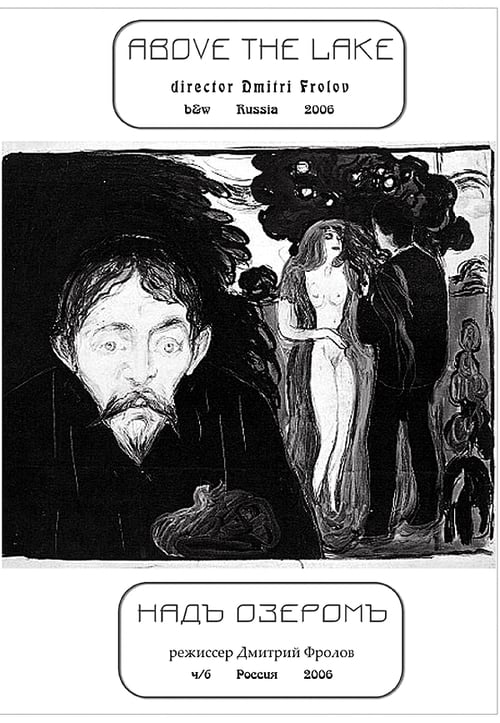
Avant-garde homage to pre-revolution Russian silent movies, and to the poet Aleksandr Blok.
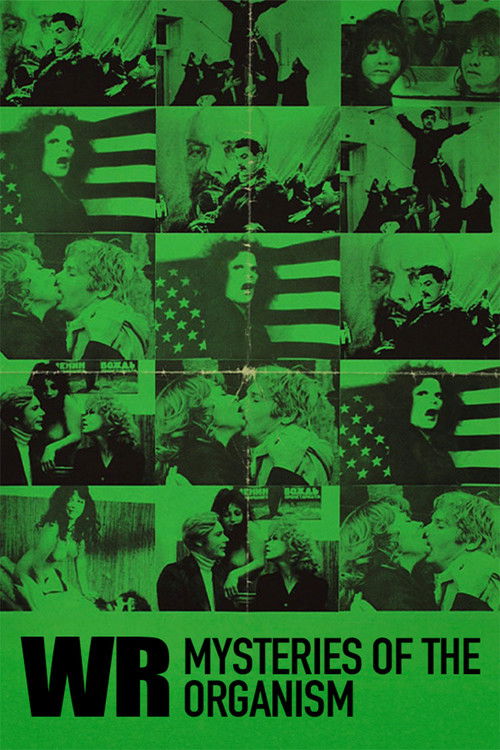
What does the energy harnessed through orgasm have to do with the state of communist Yugoslavia circa 1971? Only counterculture filmmaker extraordinaire Dušan Makavejev has the answers (or the questions). His surreal documentary-fiction collision begins as an investigation into the life and work of controversial psychologist and philosopher Wilhelm Reich and then explodes into a free-form narrative of a beautiful young Slavic girl’s sexual liberation.
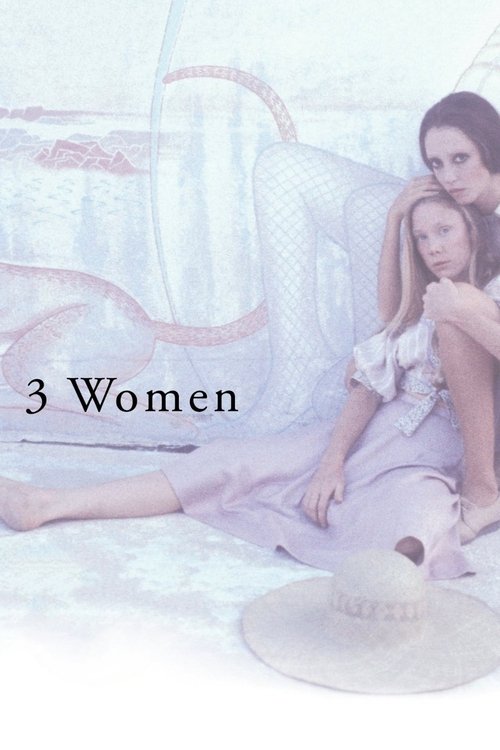
Two co-workers, one a vain woman and the other an awkward teenager, share an increasingly bizarre relationship after becoming roommates.
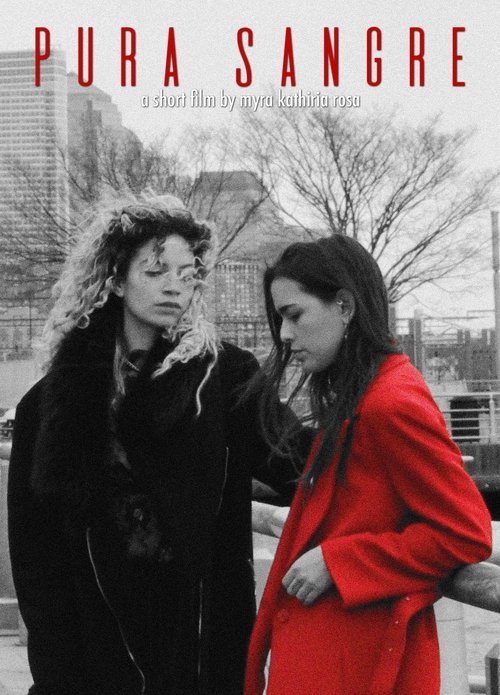
Frankie and Lucky, two young artists navigating love and identity in New York City, cross paths again after years of separation. Their reunion in a bookstore triggers a flood of memories, reopening wounds from their past relationship. As Frankie revisits the apartment they once shared, she reflects on their tumultuous past—Lucky's struggle with trust, Frankie's desire for autonomy, and the emotional weight of unspoken truths.
Based on the novel "Šta bi učinio Zobec?" (What Would Zobec Do?) by Svetozar Vlajković. It's a short movie about a young man who is afraid of being turned down by a girl.
Each day after work, Carlos, a language school teacher, frequents the heady surroundings of his local cruising ground. One evening he encounters a teenage boy from his class named Toni, and the two engage in a brief sexual tryst. As the relationship between teacher and student begins to develop, some dark truths emerge about the young man and his mysterious group of friends.
Structured in nine tableaux each a study of a simple action or situation involving a lone, naked figure, the blind Eros, searching for fulfilment, for self. The objects he touches - books, paintings - can be seen as icons of the creative spirit; there is also a motor cycle and film equipment. In succeeding scenes he appears to try on identities offered by institutional doctrines of religion and social traditions of (overt) masculinity. Much of the film was constructed in-camera with a small amount of editing afterwards. An innovation was the use of in-camera fade-outs as phrase markers, not as terminal points, within a single set-up or shot.
Based on Plato's dialogue Charmides.
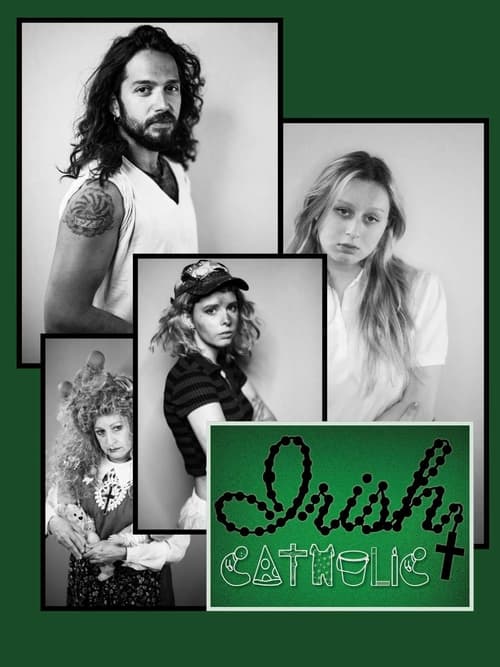
Meet Shavon O'Brien: Her family doesn't understand her, her church ignores her, even Jesus forgets about her. With only the spirit of Sinead O'Connor to guide her, Shavon battles institutional child abuse, narcissistic group think, a talking stomach and a singing poop bucket! Shavon goes from Catholic to Crusty Punk in this very, very, very, dark musical comedy!
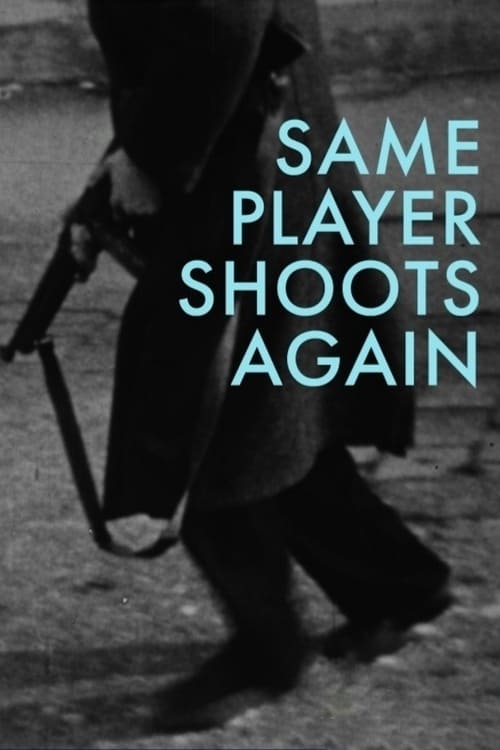
Sequence of five shots, each one with a particular color treatment, in which a man carrying a machine gun runs. He moves fast in the beginning but, as the end comes closer, he starts to walk in zigzag. Is he hurt?
In this fragile yet frightening poetic fantasy set against a dark industrial landscape, a woman sits knitting on the porch of her home when a man appears and takes the knitting from her.