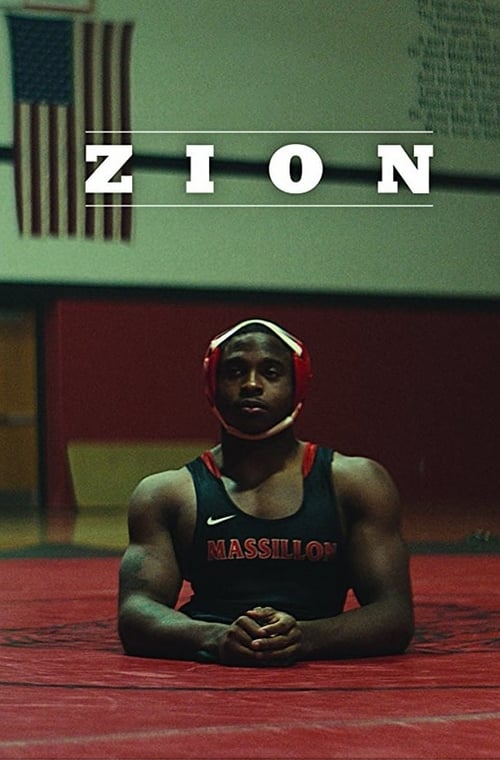
A portrait of Zion Clark, a young wrestler who was born without legs and grew up in foster care.
Trailer
Young men are faced with a medical commission for army recruits and asked to choose where they want to get to, at least theoretically.
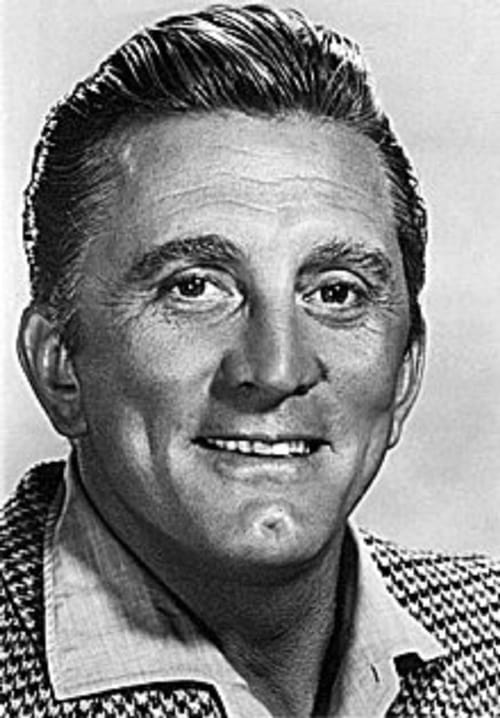
The 1966 visit of Hollywood movie star Kirk Douglas at the legendary Polish State Film School in Lódz.
A satirical look at the Soviet-block hairdressing contest which was held in Warsaw in 1971.
Filmmaker Alain Resnais documents the atrocities behind the walls of Hitler's concentration camps.
This year marks the 50th anniversary of ABBA’s iconic Eurovision victory, a milestone that calls for a celebratory cinematic tribute fitting for the ultimate pop band. ‘ABBA: Against the Odds’ unveils the epic journey of ABBA’s rise to global fame. Starting with the moment they won Eurovision, it tells the story of how they overcame critical backlash, societal attitudes and marital break-up to deliver their ground-breaking music and prove themselves as a live act.
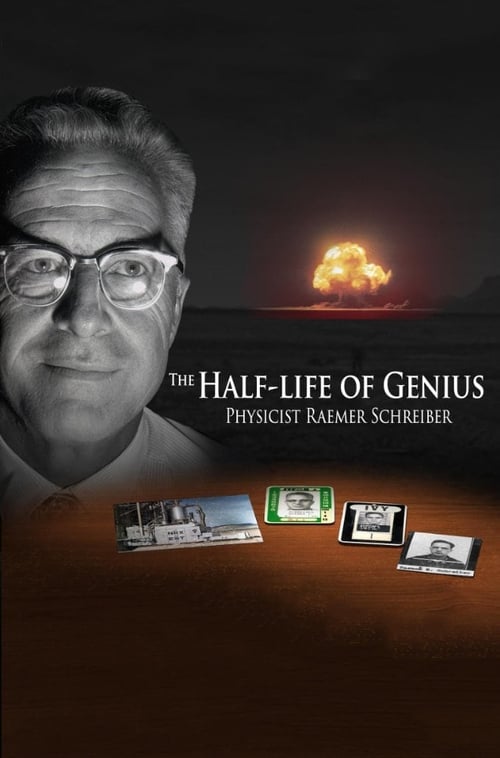
Our two-hour film highlights the life and career of Dr. Schreiber with respect and clarity. Raemer, his wife Marge, and young daughter Paula would move to the high-desert of New Mexico where he and other brilliant minds would change the world forever.
Beginning with Noam Chomsky's response to a college student who role-plays "Jane U.S.A."--someone who naively believes she lives in a democratic society in which she can create her own destiny--the viewer is presented with a cross-section of typically lively Chomsky encounters. Central to a functioning democracy is the necessity of free access to information, ideas and opinions. But what should be our democratic right turns out to be limited and shaped by the biases of insitutions and ideologies within the mass media. Chomsky shows how governments, corporations and other elites manufacture the consent of the public to serve their interests.
An exploration —manipulated and staged— of life in Las Hurdes, in the province of Cáceres, in Extremadura, Spain, as it was in 1932. Insalubrity, misery and lack of opportunities provoke the emigration of young people and the solitude of those who remain in the desolation of one of the poorest and least developed Spanish regions at that time.
This movie explores the history of electricity - from the first spark created by man's hand to today's industrial power plants. We meet scientists who changed the world, like Faraday, Franklin, and Tesla and we glimpse the future, as Solar Impulse becomes the first plane to complete a round-the-world flight powered only by the sun. With a mix of chalk animation, CGI, archival footage and spectacular aerials, the film also explores the challenges ahead: how to meet the growing energy needs of our industrialized world, while also protecting the health of our planet.
A documentary of the German national soccer team’s 2006 World Cup experience that changed the face of modern Germany.
The T.N.P., the Théâtre National Populaire, an important experimental theater directed by Jean Vilar. Franju combines sequences from theatrical performances with documentary images, creating links and confrontations between theater and the real world.
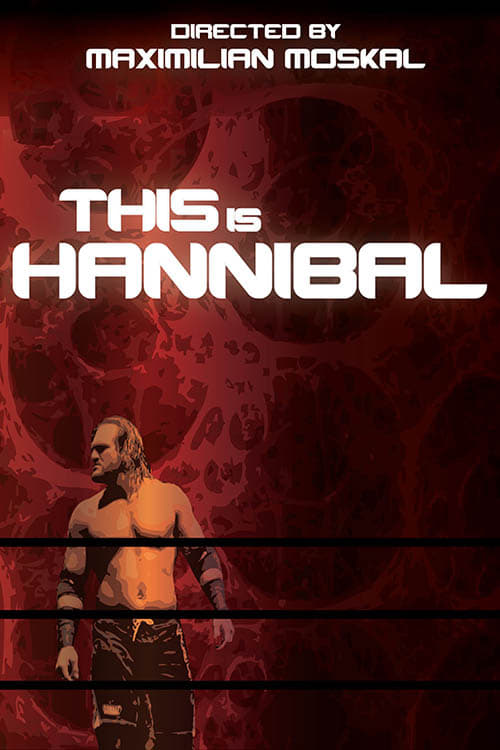
Devon Nicholson dreamed of becoming a World Wrestling Entertainment wrestler since he was a child. After years of sacrifice Devon finally achieves his dream and earns a WWE contract. Little does he know his whole world is about to change with one visit to the doctor.
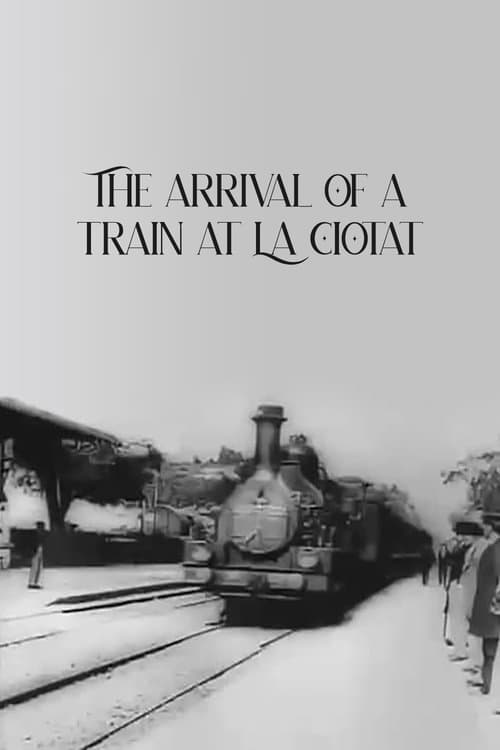
A group of people are standing along the platform of a railway station in La Ciotat, waiting for a train. One is seen coming, at some distance, and eventually stops at the platform. Doors of the railway-cars open and attendants help passengers off and on. Popular legend has it that, when this film was shown, the first-night audience fled the café in terror, fearing being run over by the "approaching" train. This legend has since been identified as promotional embellishment, though there is evidence to suggest that people were astounded at the capabilities of the Lumières' cinématographe.
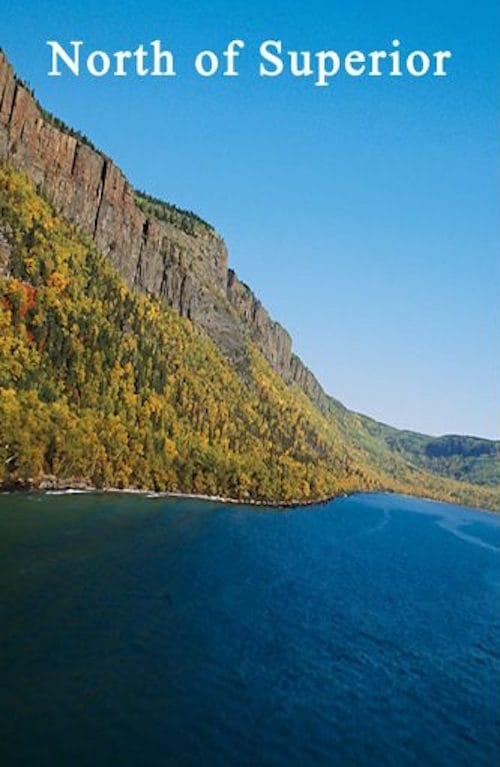
The second IMAX film made, commissioned by the Ontario Government, and produced by MultiScreen Corporation, later to become IMAX corporation. North of Superior is a Northern Ontario travelogue, and was the first short feature to be shown at the newly created Ontario government theme park, Ontario Place, in it's state of the art cinema, Cinesphere, the first permanent IMAX installation.
Nine very private encounters with different people of the post-war generation and their memories of childhood and youth. Among others, the guitarist and singer Peter "Caesar" Gläser and the actress Christine Harbort. Roland Steiner asked his contemporaries about - "What we remember ...". All interviewees are as old as the state they live in. Nine CVs from the GDR are described. They have different professions, from skilled worker and scientist, nurse and saleswoman, actress or rock musician, even a minstrel is included. They remember what shaped them: Family, school, birthdays and hot summers, the happy moments and their own failures.
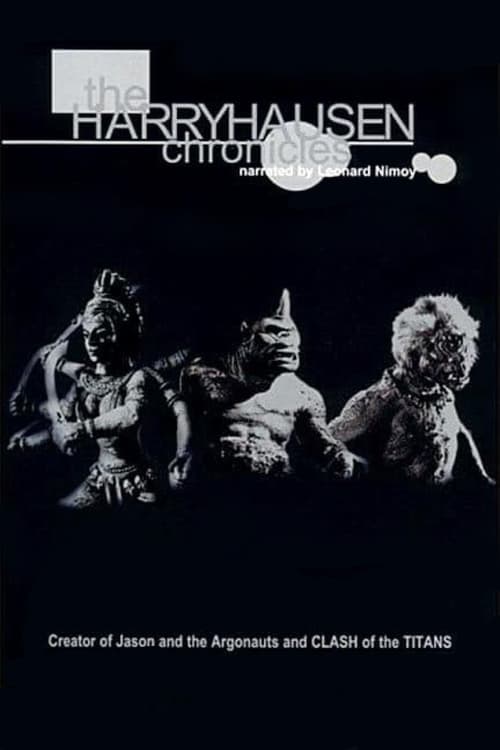
As an actor, director and producer, Ray Harryhausen has been a vibrant figure in Hollywood, working on everything from family films to mind-bending sci-fi. But his true genius lay in the creation of special effects for movies such as Mighty Joe Young and It Came from Outer Space. Narrated by Leonard Nimoy and featuring appearances by George Lucas and Ray Bradbury, this film documents Harryhausen's remarkable life's work.
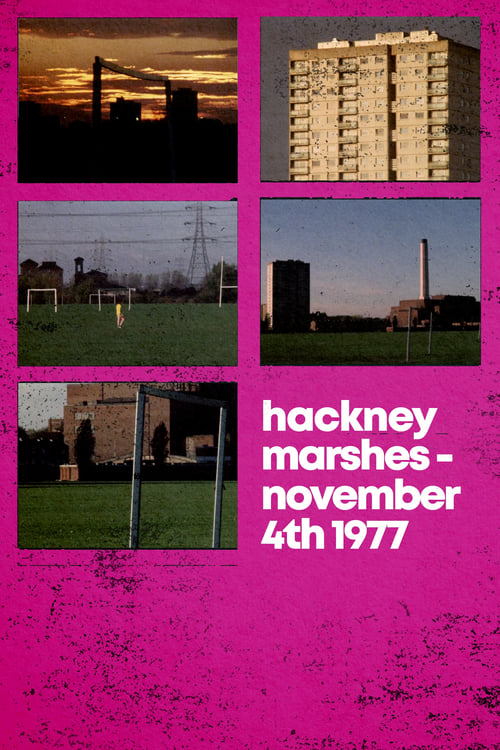
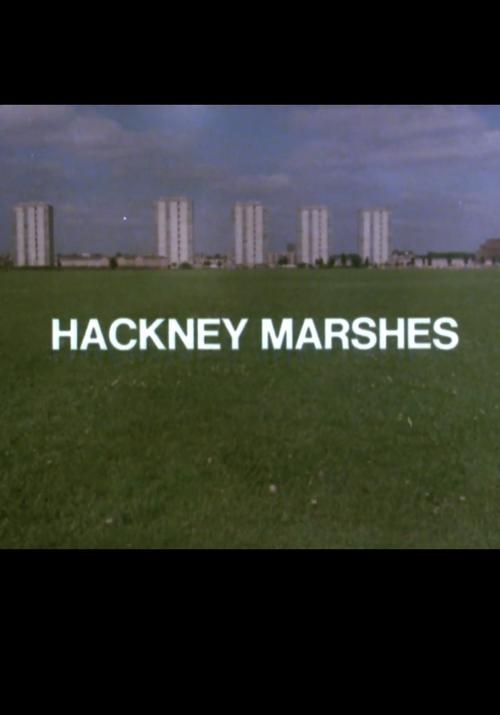
An improvisation recorded over the course of one day, starting at dawn and finishing after dusk. The film was edited in camera and shot from one camera position in the middle of one of the 112 football pitches that cover Hackney Marsh, a location chosen because of the similarities between the surrounding buildings and objects (identical blocks of flats, goalposts etc.). By cutting between precisely matched framings of similar objects, illusions of movement were produced, disrupting representational readings of the landscape. Unforeseen events occurring in the vicinity were also recorded, determining to some extent the subsequent filming. Through selection of shots and changes in cutting pace and speed of camera movement, the film fluctuates between record and abstraction.
Fusing documentary and fiction, the film depicts the lives of children trying to survive the aftermath of war in Kosovo by selling cigarettes on the street. Through monologues performed by the children against the eerie backdrops of Pristina, the film tells their gripping and sad story of memory, loss and fear.
Artist John Smith tells stories about tower block life, editing in bold, unconventional fashion, cutting into the material and highlighting the components and conventions of the film form - yet an intimate portrait of the block's inhabitants still emerges.
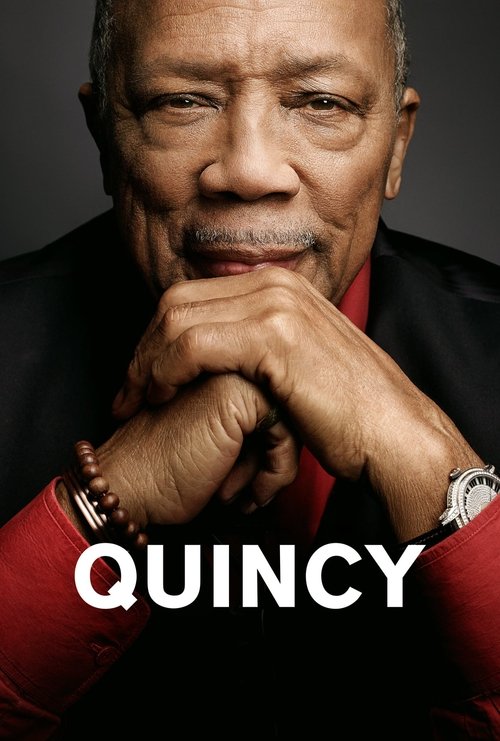
An intimate look into the life of icon Quincy Jones. A unique force in music and popular culture for 70 years, Jones has transcended racial and cultural boundaries; his story is inextricably woven into the fabric of America. Jones came to prominence in the 1950s as a jazz arranger and conductor before working on pop music and film scores. He moved easily between musical genres, producing major pop hits of the early 1960s and serving as an arranger and conductor for several collaborations in the same time period.
Self