No Cast found.
No Trailers found.
No overview available.
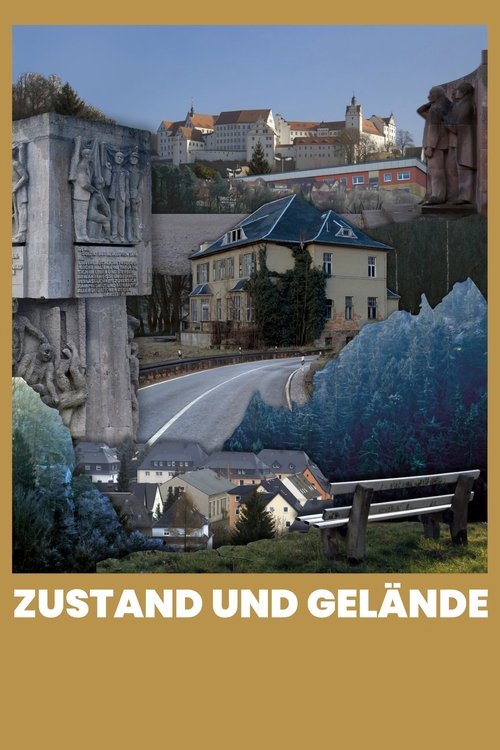
Exploring the mechanisms of the Nazi seizure of power and focusing on forgotten sites in Saxony and Thuringia, the film investigates early "wild" concentration camps established after 1933 for the suppression of political opponents.
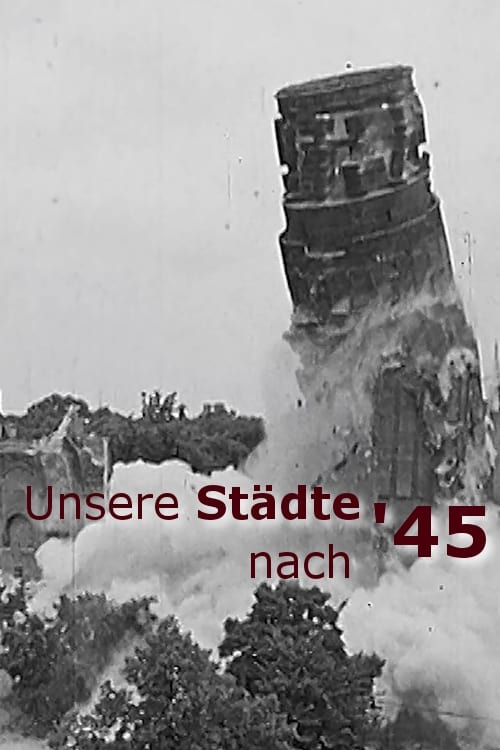
A documentation about the reconstruction and destruction of german cities after the 2nd World War.
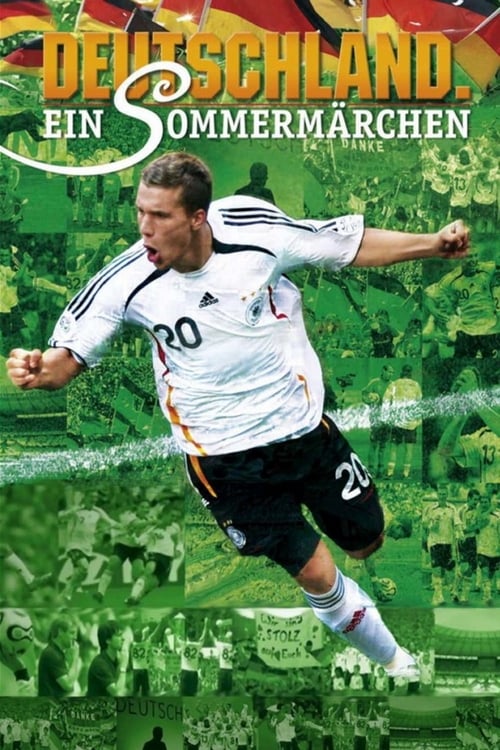
A documentary of the German national soccer team’s 2006 World Cup experience that changed the face of modern Germany.
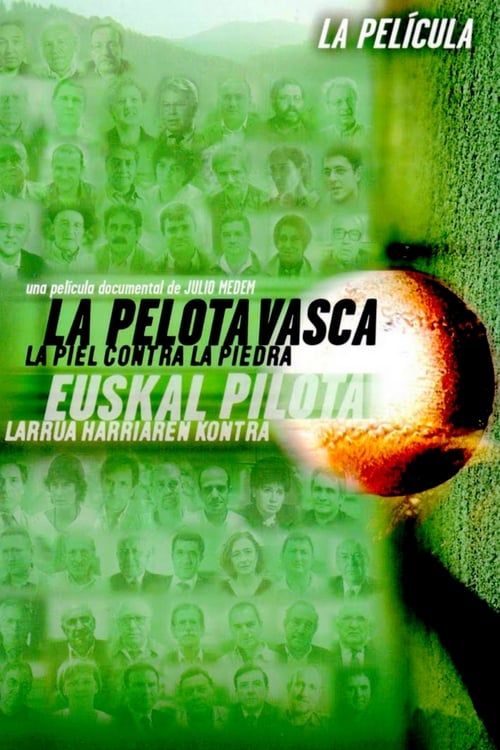
An attempt to create a bridge between the different political positions that coexist, sometimes violently, in the Basque Country, in northern Spain.
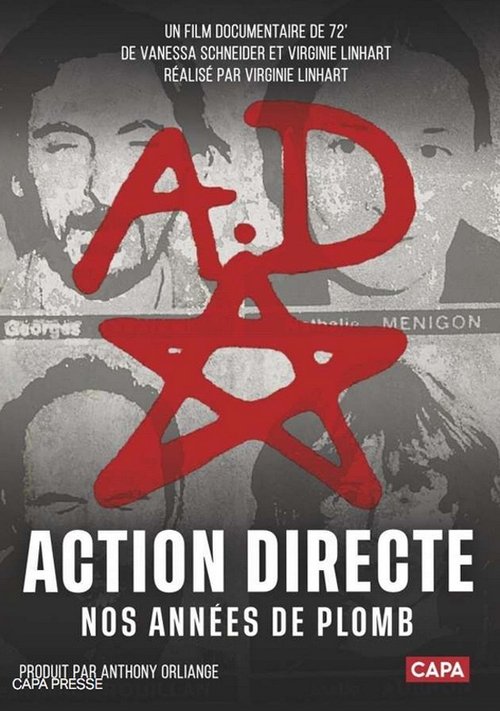
Between 1979 and 1987, a far-left group wreaked havoc across France. Robberies, bombings, assassinations. They struck hard and disappeared in a cloud of explosives, leaflets scattered in the wind, and relentless ideological demands. Their name? Action Directe. More than 80 attacks, 26 wounded, and 12 dead in less than ten years. Stunned French citizens discovered posters plastered everywhere showing portraits of these young women and men who looked like everyone else and whom nothing seemed to be able to stop. A long and intense manhunt began, culminating in the arrest of the group's leadership.
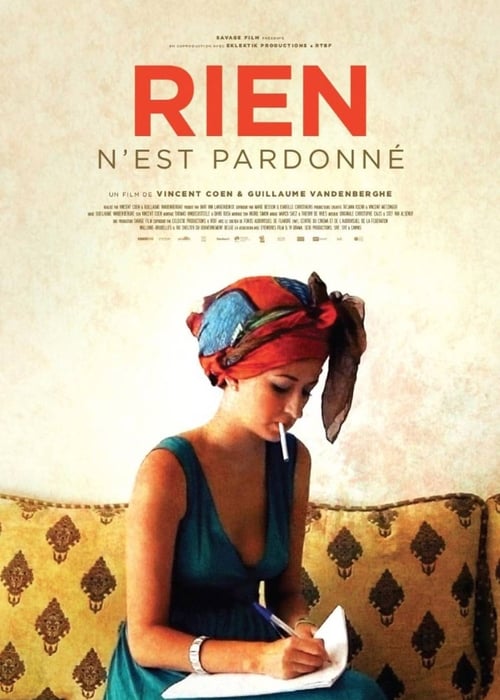
The story of Zineb El Rhazoui, a young Moroccan woman who, in the wake of the Charlie Hebdo attack, finds her life radically transformed : from a censored journalist in Morocco she becomes the most protected woman of France.
The army of the GDR, called NVA had not survived the reunification of Germany, it was completely absorbed by the Bundeswehr and scrapped subsequently. But what apparently went on so smoothly as a peaceful unification of hostile brothers quietly left deep scars in the East German landscape.
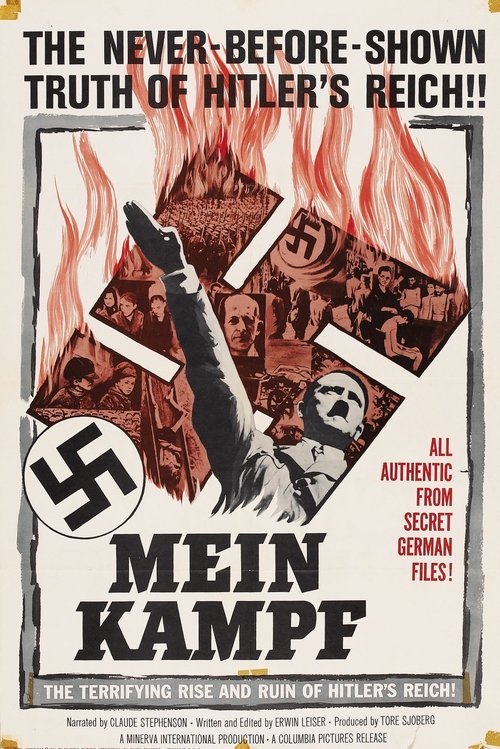
Using exclusively archival footage, Erwin Leiser traces the rise and collapse of the Third Reich, from Adolf Hitler’s early years to the devastation of Europe and his suicide in 1945. The film draws heavily on material produced and preserved by the Nazi propaganda apparatus to confront the mechanisms, imagery, and consequences of totalitarian power.
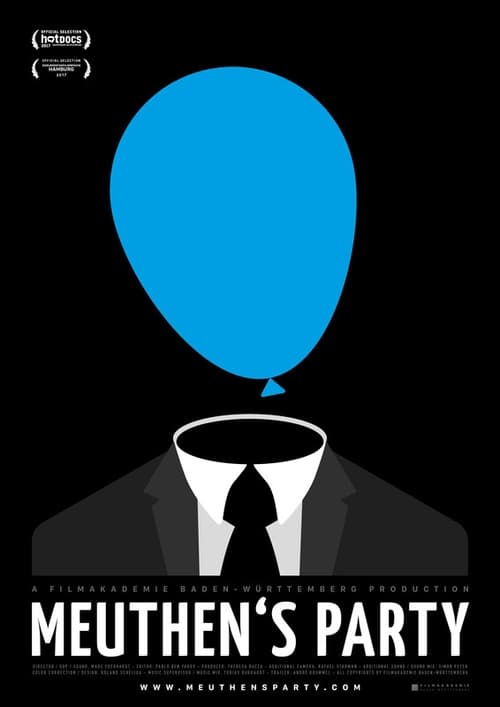
MEUTHEN'S PARTY unmasks the rise of the provincial politician Dr. Jörg Meuthen who doesn't shy away from spreading racist sentiments with a smile on his face.
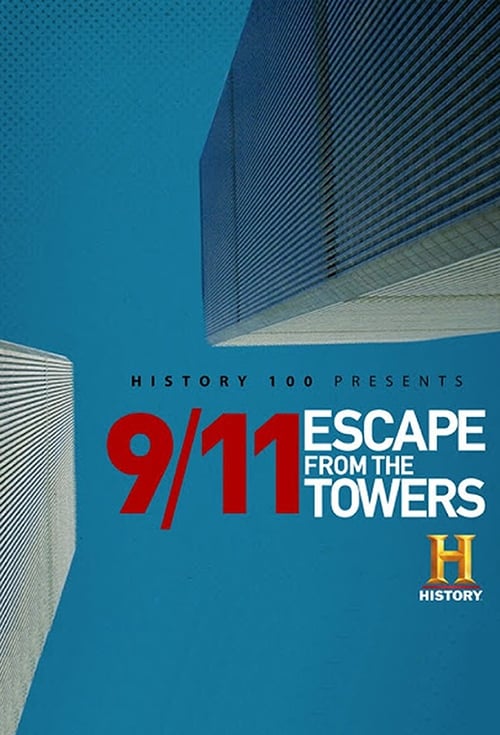
Each World Trade Center tower consisted of 110 floors. Each floor has a story. In this two-hour special, survivors from two of those floors, many speaking publicly for the first time, tell their stories. Focusing on one floor in the North Tower and one in the South, this film will provide a never-before-achieved intimacy with what it was really like to be inside the Twin Towers on 9/11.
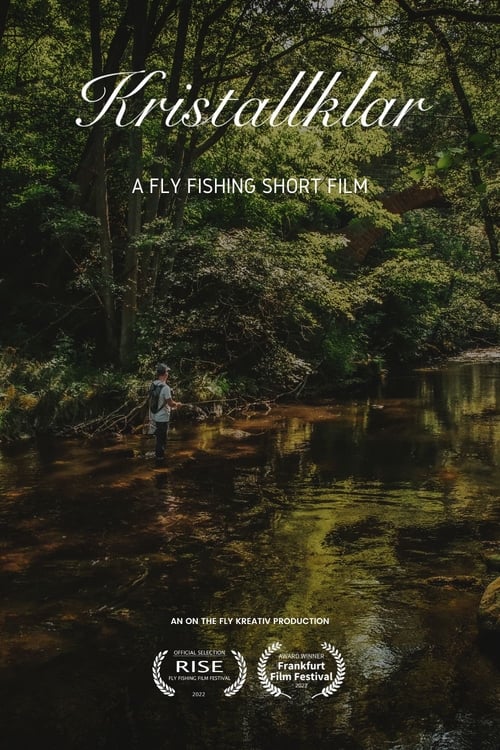
Kristallklar tells the tale of a hidden river holding wild brown trout near the border of Luxembourg and Germany. Find out about this magical river from the perspective of Kirill, who recently acquired the lease to the fishing rights of the river and a small tributary thereof. It captures the essence of a fly fishing adventure on the river embarked on by the incredibly passionate Kirill and two companions: Nic, a fly fishing scientist and Simon, the filmmaker. The film tries to capture the feeling of the magnificent surroundings and being at peace on the river. It also delves into topics of conservation of nature and the plans to re-stock the river with native crayfish which vanished from the river. A lot of love went into this film the hope is that it inspires those around the world to find a love for the outdoors and to preserve it for many years to come and just to get out there and fly fish.
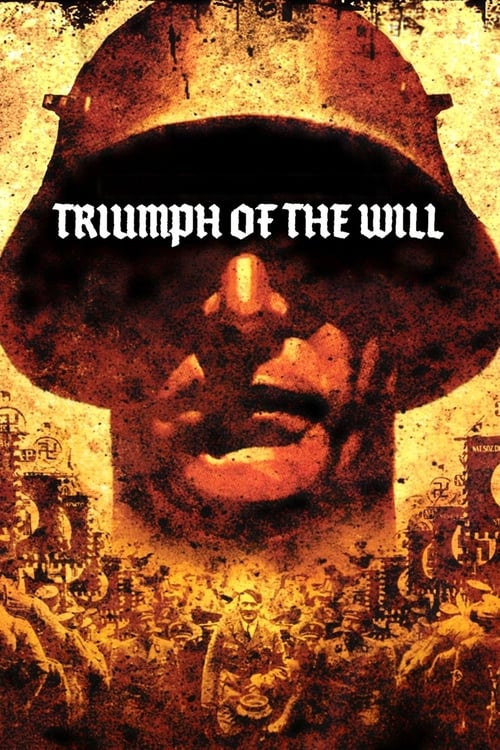
A showcase of German chancellor and Nazi Party leader Adolf Hitler at the 1934 Nuremberg Rally.
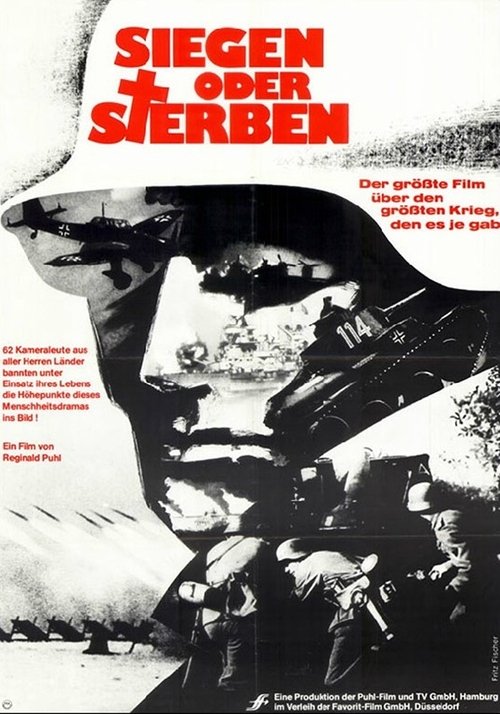
The impact of new documents from the international conflict that shook the world is enormous. Never-before-seen footage has emerged for the first time from previously secret archives. The murderous encirclement battles in Russia, the Battle of Britain, and the heroic deeds of countless lone fighters in Potsdam complete the circle of horror, from the Polish campaign to the harrowing images of refugee treks in the winter of 1944/45.
Hackers Wanted explores the origins and nature of hackers and hacking by following the adventures of Adrian Lamo, and contrasting his story with that of controversial figures throughout history.
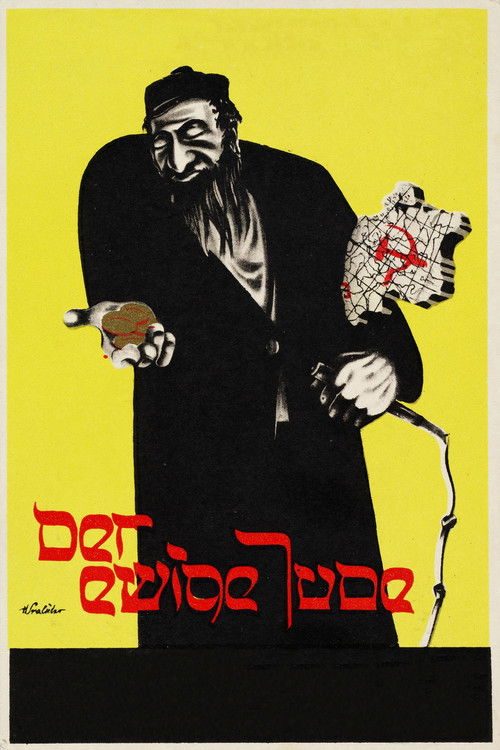
A Nazi propaganda film made to promote anti-Semitism among the German people. Newly-shot footage of Jewish neighborhoods in recently-conquered Poland is combined with preexisting film clips and stills to defame the religion and advance Hitler's slurs that its adherents were plotting to undermine European civilization.
Victor Klemperer (1881-1960), a professor of literature in Dresden, was Jewish; through the efforts of his wife, he survived the war. From 1933 when Hitler came to power to the war's end, he kept a journal paying attention to the Nazis' use of words. This film takes the end of 1945 as its vantage point, with a narrator looking back as if Klemperer reads from his journal. He examines the use of simple words like "folk," "eternal," and "to live." Interspersed are personal photographs, newsreel footage of Reich leaders and of life in Germany then, and a few other narrative devices. Although he's dispassionate, Klemperer's fear and dread resonate
A benefit concert and telethon organized by George Clooney and broadcast uninterrupted and commercial-free by the four major television networks just 10 days after the September 11, 2001 attacks on the World Trade Center and The Pentagon to raise money for the victims and their families,