The film presents the life and work of two sisters Grażyna and Violetta, who run a center for homeless men. The heart and unconventional approach to their children makes them build a real home together.
No Trailers found.
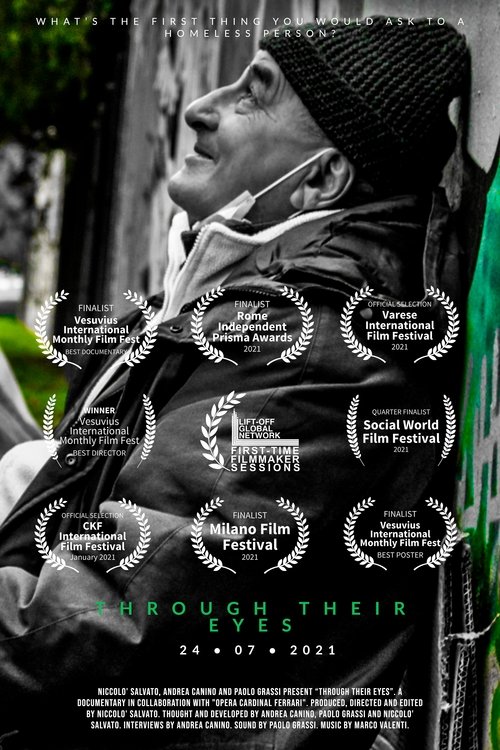
Three young adults face the reality of homeless people in Milan and tell three different portraits of people that leave this condition in their everyday life.
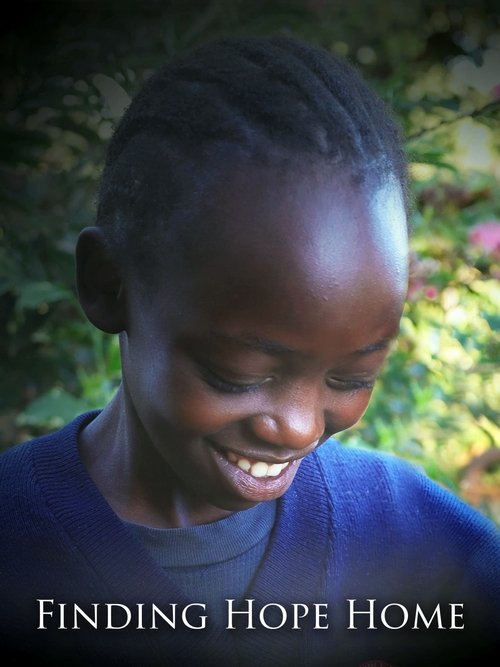
The story of Pastor Lucy and her husband Duncan Ndegwa, who began feeding and sheltering children from the streets of Nairobi, Kenya in 1996.
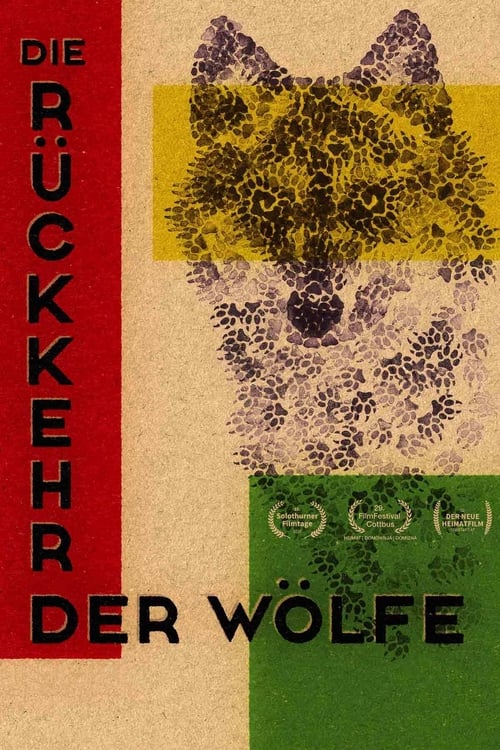
Wolves divide and fascinate us. 150 years after they were driven to extinction in Central Europe, they are returning slowly but inexorably. Are they dangerous to humans? Is it possible to coexist? Using Switzerland as a point of departure, where wolves have returned in the very recent past, this documentary sheds light on the wolf situation in Austria, eastern Germany, Poland, Bulgaria, and even Minnesota, where freely roaming packs of wolves are more common sight.
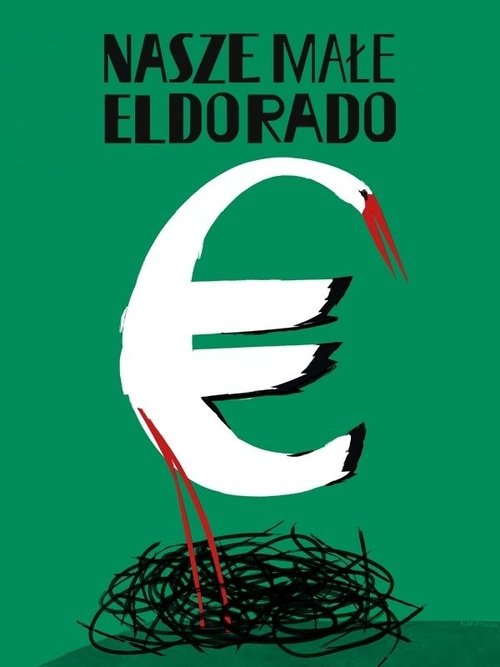
The village commune is struggling with huge debt incurred by it's overambitious mayor, who once suffered a personal tragedy. Did this affect his overly ambitious actions? A warm and humorous observation of the life of a village near Krakow.
For almost half of his life, Kenneth Viken has been in prison, and he does not know how many times he has been released, only to soon return . In January 2016 he is released again.
2021 was a turning point for Belarus and 6 Belarusian students - as well as for the city of Łódź, Poland, in which they found themselves. Across the rails of change and transformation, documenting a time that has not been before and will not repeat again. Heroes of the film have very different fates and experiences, but they are all connected by the place they found themselves in - the post-industrial and post-apocalyptic city, which becomes a part of their story and a hero of its own. Students, transport, quaters, youth, revolution, local apocalypse, changes and turns - they all mix in a documentary kaleidoscope 'Across the Rails'.
This documentary follows Pia, who is homeless. She is struggling with her drug addiction. During the day she (and many other homeless people) sells the newspaper Situation Sthlm.
Ten years after documentary filmmaker Tom Alandh started filming homeless drug addict Pia Sjögren, he makes his third and final film about her. Pia was 14 years old when she started smoking cannabis and using drugs. Then it all happened really fast. The heavier drugs, the men who beat, and years of cold nights in basements and attics. Treatment and punishment. Rehabs and prisons. Relapse. Constantly back, at the complete bottom, among shame and guilt. For ten years, Tom Alandh and photographer Björn Henriksson documented Pia's life. Two films were made, this is the third and last film, which shows how she managed to get clean against all odds.
September 3rd, 1939. Britain and France declare war on Nazi Germany, only two days after the Wehrmacht invades Poland. This day, the sad date when the fate of the world changed forever, the Phoney War began: eight months of uncertainty, preparations, evacuations and skirmishes.
Australian filmmaker Sophia Turkiewicz investigates why her Polish mother abandoned her and uncovers the truth behind her mother's wartime escape from a Siberian gulag, leaving Sophia to confront her own capacity for forgiveness.
This documentary about teenagers living on the streets in Seattle began as a magazine article. The film follows nine teenagers who discuss how they live by panhandling, prostitution, and petty theft.
A short documentary about a homeless couple who face the ban on being on the street during 2020 quarantine. Just through their eyes, the two protagonists show us a different Milan, silent and suspended.
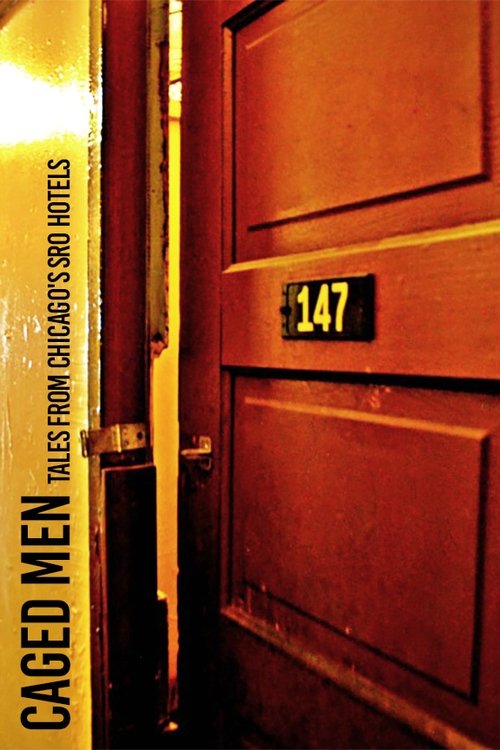
Caged. Invisible. Shamed. Trapped. These words mark the tenants, clerks and even the owners of Chicago's last remaining Singe Room Occupancy (SRO) hotels. These small spaces are home for many at the bottom of Chicago's housing ladder. Cloaked in darkness and secrecy, these hotels are often maligned as drug dens and havens for prostitution but the people who live, work and own these hotels have never fully shared their stories. Caged Men is a feature-length documentary which examines the disquieting stories of near-homeless Americans living on the margins and their invisibility in a largely indifferent and, at times, hostile community. It attempts to lend a voice to SRO residents, clerks, owners and to the hotels themselves.
Warsaw is becoming a meeting place for people from different corners of the world, of different ages, with different life stories. What they have in common is a feeling of being lost and a dire need to run away from their solitude. The film shows an image of a contemporary city from couchsurfers’ perspective.
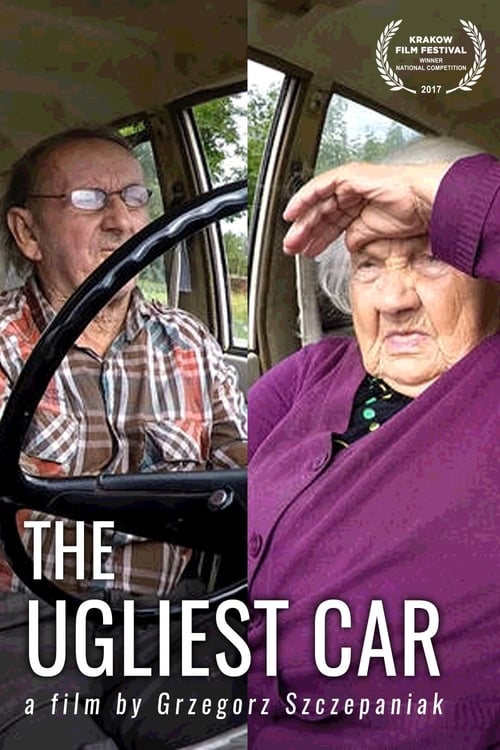
The youngest protagonist of the documentary is Wartburg, an automobile over 50 years of age. The car is still on the road, driven by Bogdan, a 70-year-old who is taking his mother to visit the German factory where she was forced to work during WWII. In this road movie which takes place between Majdanpek and Germany, the trip becomes a journey into the past, retracing memories from the war and revealing a unique relationship between an old son and his elderly mother.
Pole, who are you? This film collage that combines archival and contemporary materials, documentary and staged pictures, press reports, social announcements, sale offers and speech excerpts is an attempt to answer this question. Referring to the Polish tradition of a creative documentary in the style of Wojciech Wiszniewski, the film presents various manifestations of Polishness: patriotic and religious rituals, everyday traditions as well as characteristic landscapes or intimate memories from childhood.
Documentary film about sexual abuse in the Catholic Church in Poland.
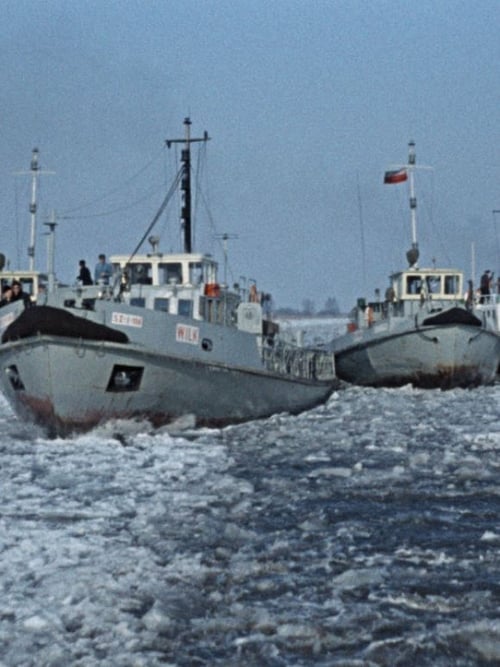
Documentary reports on the annual icing of the Oder in the 160-kilometer border area between the GDR and the People's Republic of Poland. Icebreakers from both countries with experienced skippers join forces to make the international waterway between Frankfurt and Szczecin navigable again. Everyone works hard as a team and even a broken-down ship cannot stop them from achieving their goal. A look back at the winter of 1947 with its flooding shows what the freezing of the river and the subsequent thaw can do if the ice floes are not drained into the Baltic Sea via Lake Dammsch in good time. The skippers from both countries have known each other for years and trust each other; the camaraderie that has developed on the Oder unites the people, they control the river in winter for the common benefit of all.
No overview available.
Between 1930 and 1945, Eastern Europe experienced mass violence on an unprecedented scale. Hitler and Stalin exploited the vast region for their respective expansionist plans. It is estimated that around 14 million civilians were murdered—primarily Jews, Poles, Balts, Belarusians, and Ukrainians.
No Cast found.