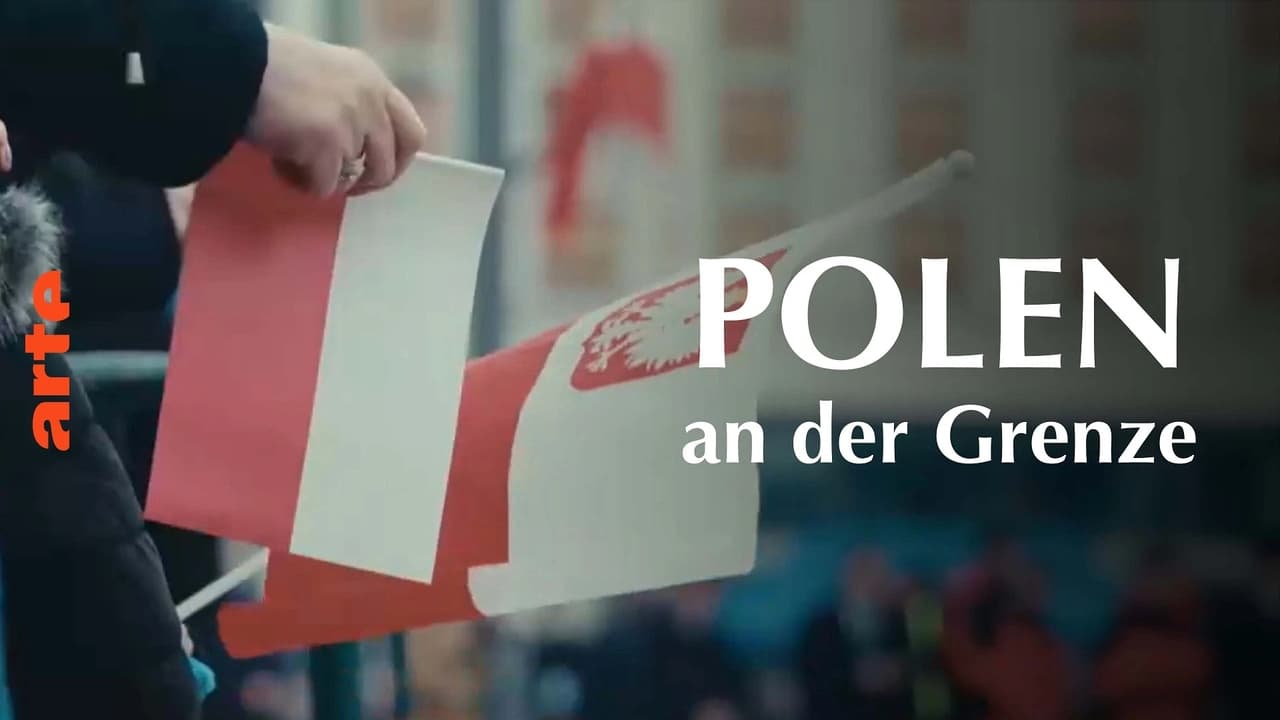
In the run-up to parliamentary elections in mid-October, Polish filmmaker Marcin Wierzchowski travelled across his country to gauge the atmosphere in a society that is more divided than ever.
No Cast found.
An hour-long portrait of Canadian immigration lawyer, M. Lee Cohen, renowned for his work with refugees. The film follows his representation of Sonya Pecelj and Vladimir Zalipyatskikh. The first case follows a young woman, Sonya Pecelj from Kosovo, who seeks sanctuary for more than a year in a church; the second case follows a Russian sailor who dives off a ship in Halifax Harbour to escape virtual imprisonment by the Russian fish mafia.
No overview available.
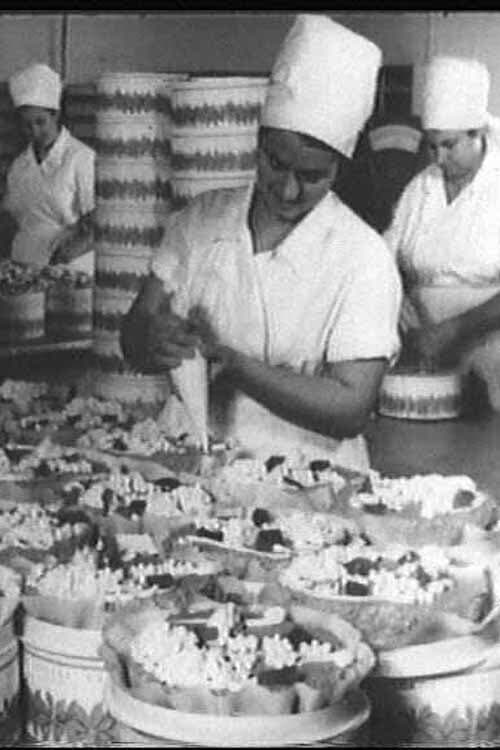
Charlie Marx and the Chocolate Factory started as an investigation of the link between politics and chocolate, at the Karl Marx Confectionary Factory in Kiev, Ukraine. Since access to the factory was denied, the project had to be re-considered, re-invented or re-enacted. Mostly made of archival footage and re-enacted performances based on the company's website, the film merges what was left of the initial idea with what has been collected and realized instead. It borrows from the genres of video art, 'Man on the street' interview, direct address, corporate film, essay, and music video, without legitimately belonging to any of them. The film unravels as a reflection on its own failure, and yet keeps on investigating what has always been at stake: the shift from public to private property (and from analog to digital technology), dialectics of permanence and change, language as a mirror of ideology, and post-Soviet oligarchy culture.
An insightful documentary that offers a comprehensive exploration of the lesser-known facets of Donald J. Trump. "The Man You Don’t Know" features interviews with prominent figures, including Donald Jr., Kimberly Guilfoyle, Eric and Lara, and granddaughter Kai. Their candid reflections, combined with perspectives from long-time friends, business partners, and notable personalities such as Hulk Hogan and Kyle Forgeard of the Nelk Boys, provide an intimate glimpse into Trump’s character. The documentary will also highlight stories from everyday Americans who have felt the impact of Trump's generosity.
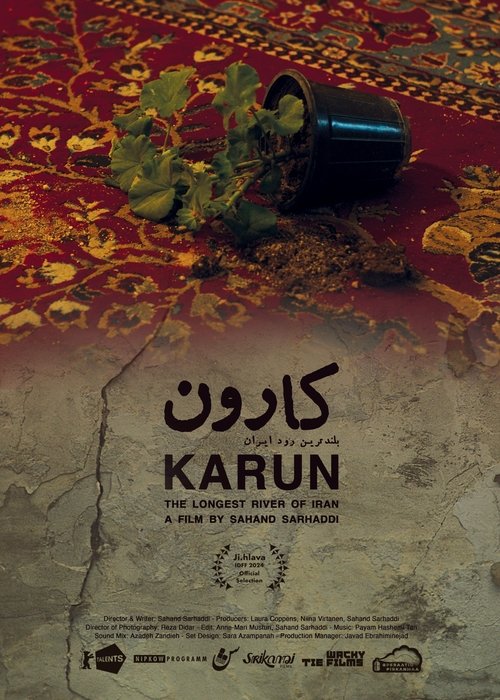
On September 22, 1998, the Iranian poet Hamid Hajizadeh and his nine-year-old son Karun, whose name symbolically refers to Iran's longest river, were brutally murdered in their home in Kerman. The documentary film, based on the statements of the survivors, tries to sensitively reconstruct one of the many terrible motivated events that took place in Iran at the end of the previous century and draws us into the fateful day with the help of detailed shots of the objects in Hamid's study.
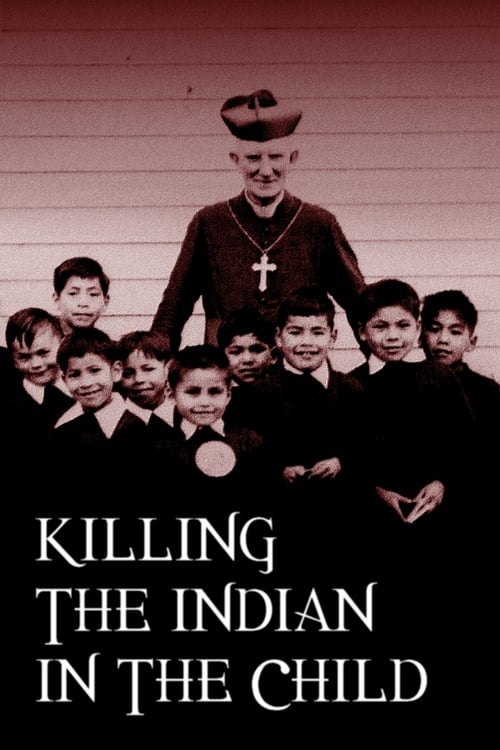
The Indian Act, passed in Canada in 1876, made members of Aboriginal peoples second-class citizens, separated from the white population: nomadic for centuries, they were moved to reservations to control their behavior and resources; and thousands of their youngest members were separated from their families to be Christianized: a cultural genocide that still resonates in Canadian society today.
Wissam Charaf traces the recent history and identity of Lebanon through its political campaigns, PR imagery and pop videos.
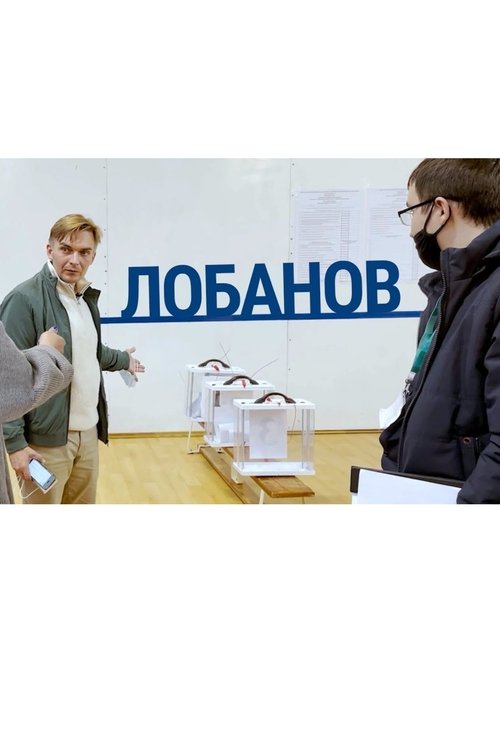
The 2021 Duma elections made Mikhail Lobanov a recognizable Moscow politician. The 37-year-old mathematician, lecturer at the Moscow State University, has long been involved in social activities: ten years ago he opposed political agitation at the university, participated in the creation of an independent association of university employees to protect their rights, and was almost fired for his activism. In 2021 elections, Lobanov ran for the Communist Party (he is not a member of the party, calls himself a democratic socialist) and waged a powerful grassroots campaign against the pro-government candidate, TV presenter Yevgeny Popov.
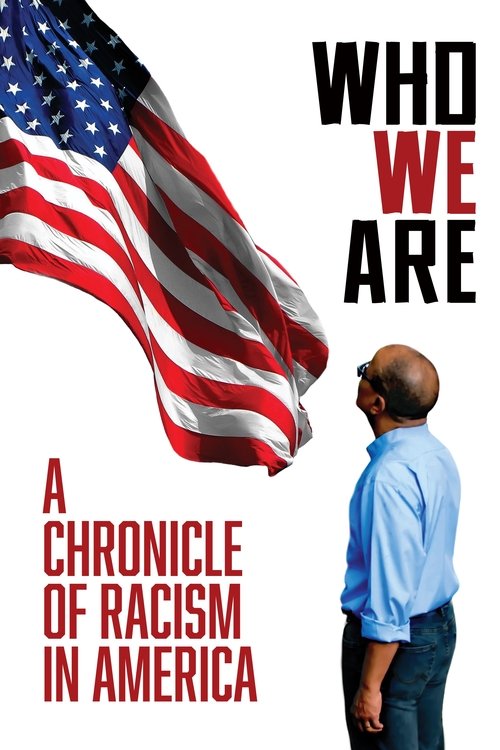
Jeffery Robinson's talk on the history of U.S. anti-Black racism, with archival footage and interviews.
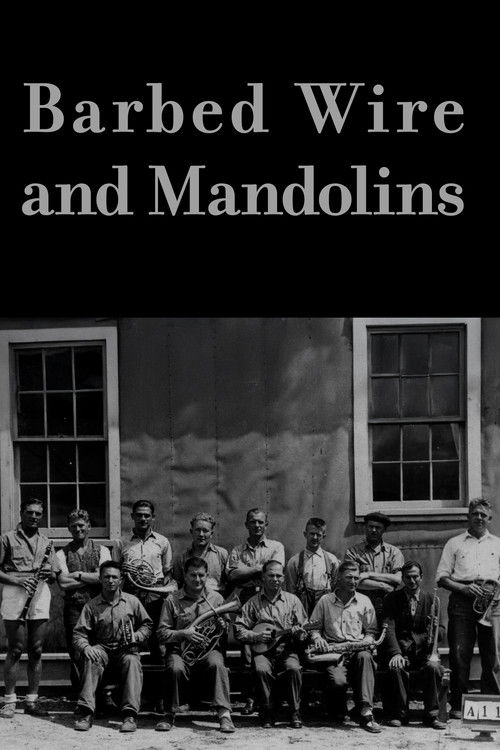
Upon Canada's entry into World War II, the RCMP rounded up thousands of people it considered fascist sympathizers. Among them, 700 Italian-Canadians were held for up to three years in internment camps. None were ever charged with a criminal offence.
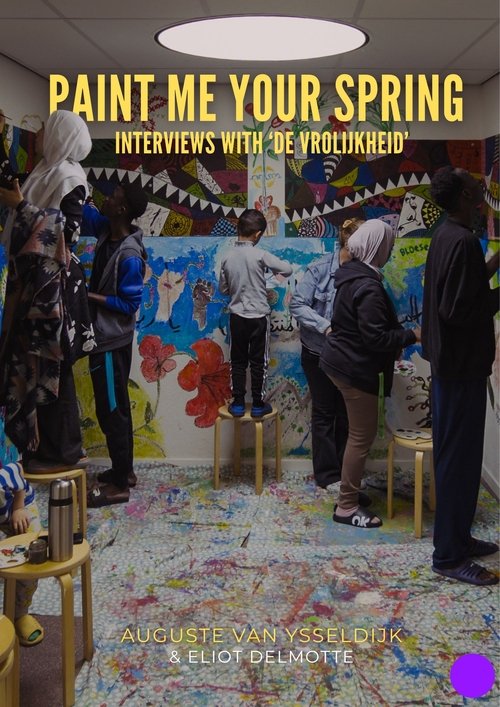
A talking heads documentary about young asylum seekers in the Netherlands, given space to express themselves through art. From poetry and rap to DJing and photography, it follows Auguste as he observes moments where language barriers are broken through the connections that creativity makes possible. Volunteers and organizers also reflect on what it means to create together, to share fragments of identity, to find recognition, and to make life in the asylum center a little more bearable.
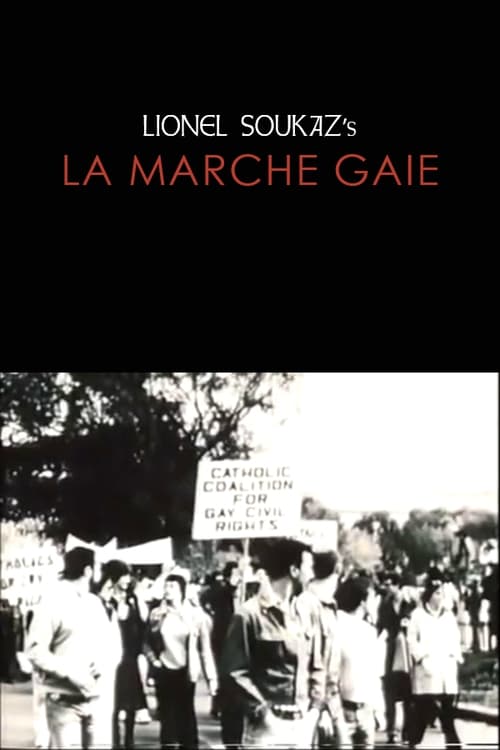
A short documentary about the October 14 1979 March For Lesbian And Gay Rights in Washington D.C.
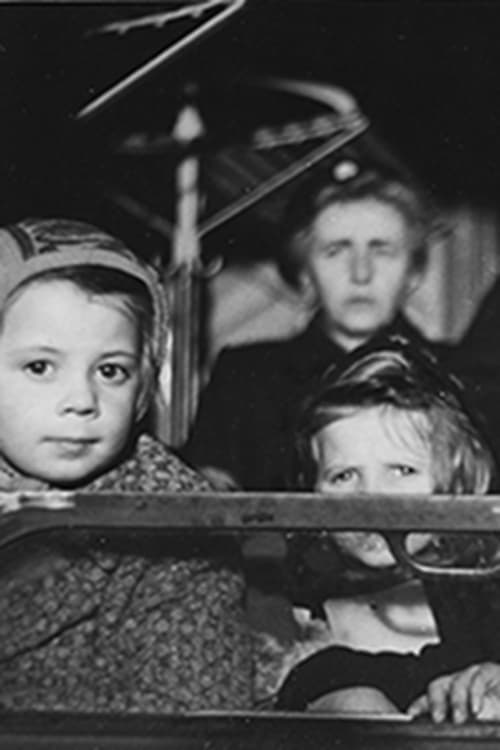
An unclassifiable cross between documentary and fiction, Kipp takes the viewer through refugee camps bordering Soviet-occupied areas of Germany.
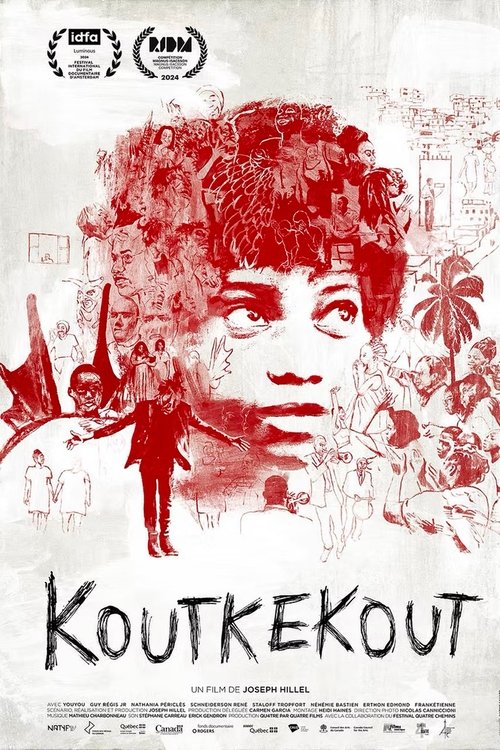
An acting ensemble rehearses for an upcoming theater festival. They rig up stage scenery and practice dialogue and set pieces in the middle of a residential area. But this is no ordinary theater setting, as evidenced by the armed guards at the entrance. Festival 4 Chemins is taking place in Port-au-Prince, the capital of Haiti. Gangs are active in the city; you can hear machine-gun fire in the distance.
As the first part of our investigation, the CORONA.FILM prologue will delve into the science behind the pandemic. Starting at the very beginning, we shine a light on the responses. The aim is not to point the finger; our aim is to tell the whole story in all its complexity, as we believe that justice cannot prevail if only one side of the story is told.
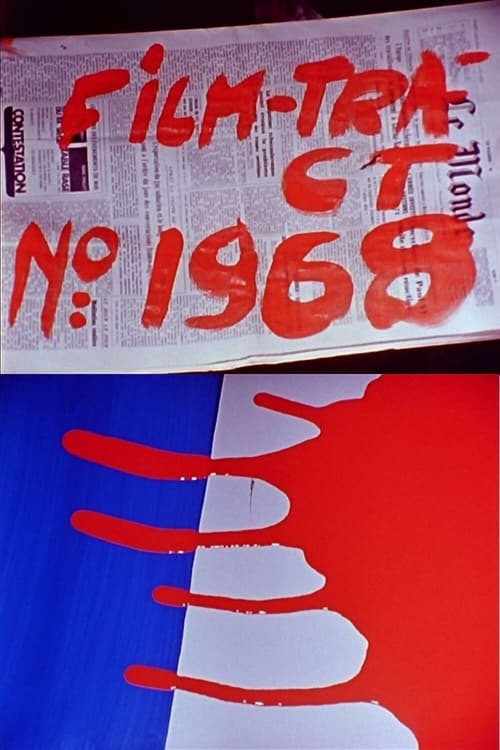
In the 1968 movement in Paris, Jean-Luc Godard made a 16mm, 3-minute long film, Film-tract No.1968, Le Rouge, in collaboration with French artist Gérard Fromanger. Starting with the shot identifying its title written in red paint on the Le Monde for 31 July 1968, the film shows the process of making Fromanger’s poster image, which is thick red paint flows over a tri-color French flag. —Hye Young Min
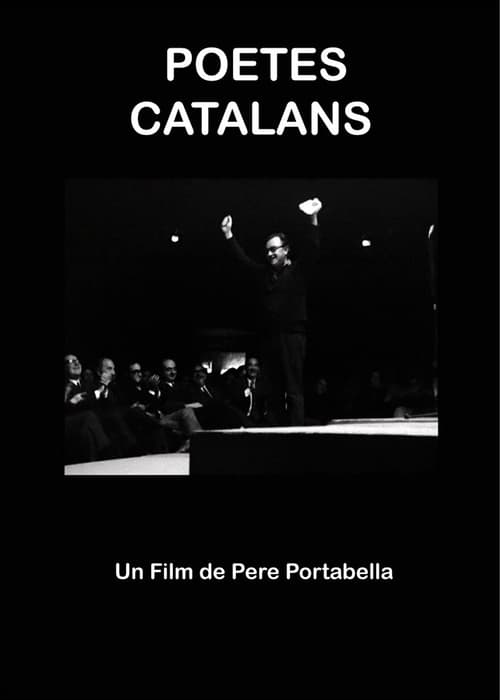
At underground film of the 1st Popular Festival of Catalan Poetry filmed in the Proce Theater in Barcelona on May 25, 1970, in solidarity with political prisoners. The participating poets were: Agustí Bartra, Joan Oliver (Pere IV), Salvador Espriu, Joan Brossa, Francesc Vallverdú and Gabriel Ferrater.
No Trailers found.