No overview available.
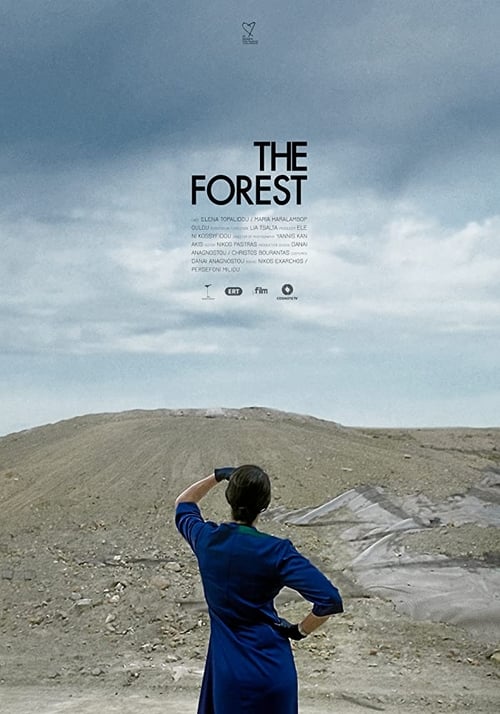
A group of people in a dystopian future is led through the last forest in existence. Plants? What were they again?
Sandy and Alejandra are two young women who live together with Lexa, an artist with a multiple personality who is preparing her new exhibition. however, the romance between these two personalities will be in danger, not only because of their inability to have physical contact but also because of the problems it generates for Lexa and the body they inhabit. therefore, Sandy and Alejandra must decide before it is too late.
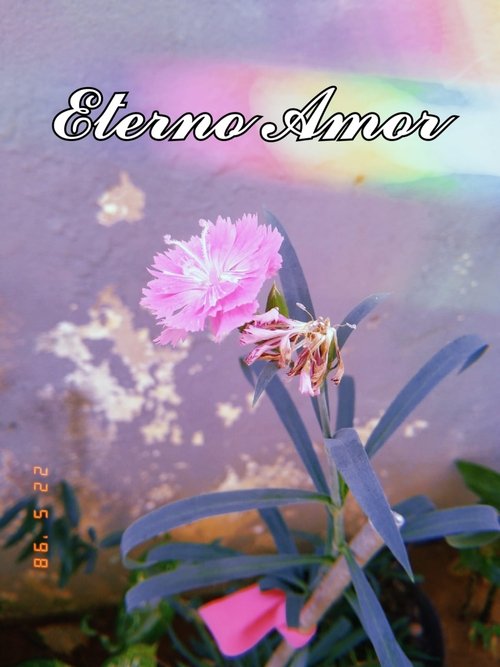
Stop-Motion with flowers representing the various cicles of existence.
Norm the Genie returns and tricks Cosmo and Wanda into disliking Timmy by replacing him with a selfish, unappreciative clone version. When Cosmo and Wanda quit, a singing contest is held in Fairy World to determine who gets to replace Timmy's godparents. And there is another big problem: Norm is a participant.
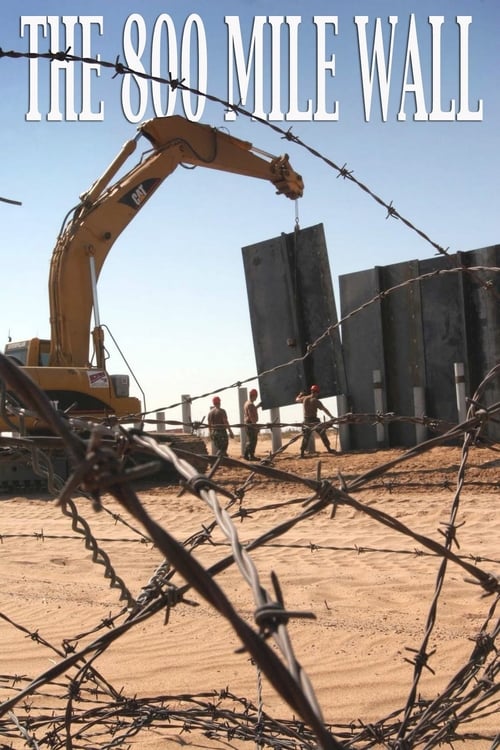
"The 800 Mile Wall" highlights the construction of new border walls along the U.S.-Mexico border as well as the effect on migrants trying to cross in the U.S. This powerful 90 minute film is an unflinching look at a failed U.S. border strategy that many believe violates fundamental human rights.
Anything can happen on Russian roads and is precisely shot by the dashboard camera. Super-objective video registration grows into the strong image of Russian national character – with its permanent awaiting for the miracle and habitual approach to real dramas. A forest on fire as a symbol of Russian hell, a military tank at a car wash and car chase in the vicinity of Kremlin shot with a dashboard cam at the same time when Boris Nemtsov, the leader of political opposition, was shot dead near Kremlin. Dashboard cam depicts life in it’s purity as an unbiased observer.
Doctor Who returns to the Proms to celebrate the 50th anniversary of the popular BBC series. As well as showcasing Murray Gold’s music from the past eight years, the concert also journeys back to the early days of Doctor Who and the groundbreaking work of the BBC Radiophonic Workshop. Featuring special guests from the series, big screens and a host of monsters ready to invade the Royal Albert Hall, this is not the year to be exterminated!
Leave the beach towel at home and take a trip to the end of the earth - literally. From the Starship UK to one very haunted hotel, you won't find the destinations of Doctor Who in any guidebook.
A documentary crew returns to the shooting locations of Sam Peckinpah's legendary western to reflect on the film and the way it impacted their lives.
How safe is the future of the world’s food? This documentary explores a growing crisis in world agriculture. Plant breeding has created today’s crops, which are high yielding but vulnerable to disease and insects. To keep crops healthy, breeders tap all the genetic diversity of the world’s food plants. But that rich resource is quickly being wiped out. (NFB)
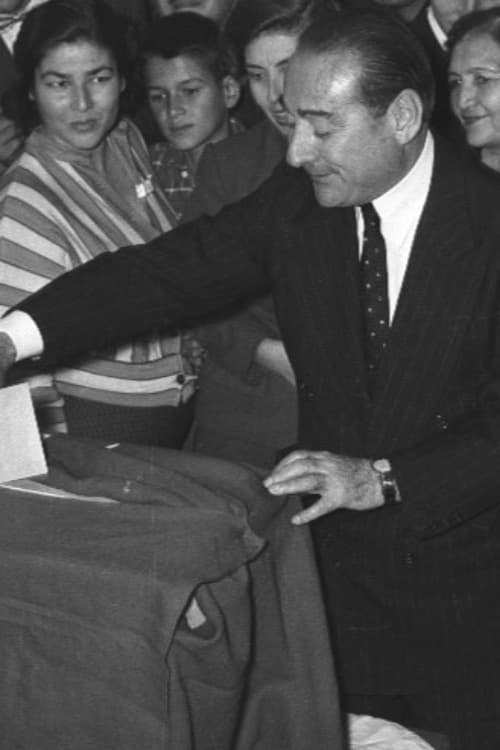
The spring of 1950 was also the spring of the multi-party regime in Turkey. A new 10 years, a new regime, a new government. The first test of democracy was beginning. The National Chief of the single-party period had returned to his Pink Mansion. The address of the opposition was clear now. When it comes to power... Power was shared by a tripartite trivet from the first day: DP Group in the Parliament. Celal Bayar in the Mansion and Adnan Menderes in the Prime Ministry..
Behind-the-scenes documentary about the making of Klaus Kinski's "Paganini".
Documentary satire about a project by Christoph Schlingensief: Ten years after his TV project "Talk 2000", Schlingensief started to work on a new talk show – at least that was what he claimed. But in reality, it was obvious that the pilot episodes he produced would never be broadcasted. Nevertheless, all celebrities from the political and cultural sphere, Schlingensief had requested, accepted his invitation, including the filmmaker Oskar Roehler, the televangelist Jürgen Fliege, the politician Claudia Roth, or the rapper Sido. It is beyond question, that the talk show panel took an unconventional course directly from the start – and was soon threatening to turn into an uproar.
Germany's first Open Source movie. A gonzo style documentary.
Documentary montage film by Alexander Vartanov, a subjective look at the beginning of the 21st century in Russia
Documentary film.
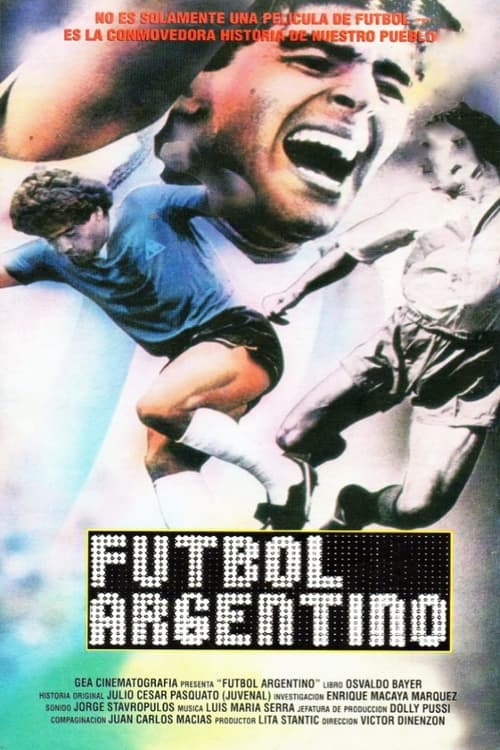
A history of Argentine football, from its origins in the nineteenth century to the victory of the Argentine national team in the 1986 World Cup. The film uses valuable archival footage.
No Cast found.
No Trailers found.