Repercussion is a political statement of existence through poetic counterpoint of images and sound.
Expansion remixes the images of Matsumoto’s Esctasis into an more colourful psychedelic short.
In a city inhabited by drawn beings, an indigenous boy witnesses a holographic appearance. It is the arrival of an entity of unknown materiality. With a mysterious presence and exotic allegories, it starts to enchant the residents, awakening their most insane senses.
The Machine That Killed Bad People is about the cultural and political history of the Philippines leading up to the overthrow of President Ferdinand Marcos in 1986. It also addresses the role of electronic media in the struggle for power, and more broadly, American intervention in the Third World. Using a structure that emulates the way television news programs construct meaning through fragmentation, the tape interweaves clips of Filipino activists and reporters, a fictional television anchorwoman and correspondent, commentary by independent filmmaker Trinh T. Minh-ha, Fagin's off-camera voice and script, and anonymous excerpts from commercial television.
Abstract video art by John Sanborn and Dean Winkler. Dedicated to Ed Emshwiller.
No overview available.
In this film, Nauman bounces his testicles with one hand. Shot in extreme close-up, the work is perhaps an ironic reference to an earlier film Bouncing Two Balls Between the Floor and Ceiling with Changing Rhythms, in which he bounced rubber balls. Along with Black Balls, Gauze, and Pulling Mouth, Bouncing Balls is one of Nauman's "Slo-Mo" films which are shot with an industrial high speed camera.
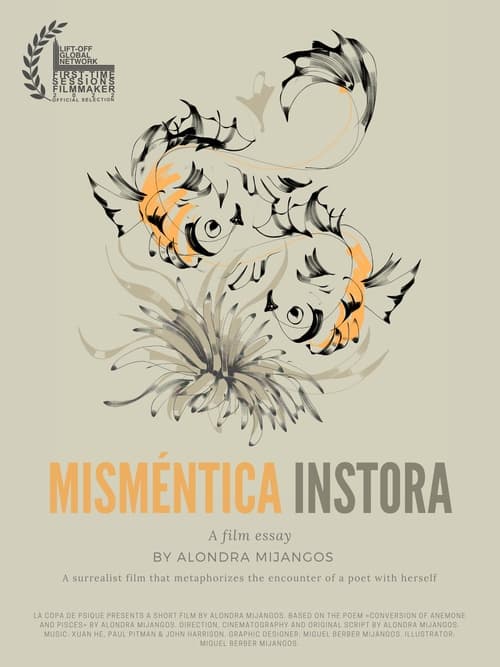
Anémona and Pisces live a capicua experience: they are at the same time the woman who looks, the woman who is looked at, and the very act of looking. Between fractal scenes and images multiplied in reference to Man Ray, Anémona assumes the will to, through the state of trance, always be a foreigner within herself, while Pisces goes in search of an alien vision, to assume herself as the self and otherness to understand the world.
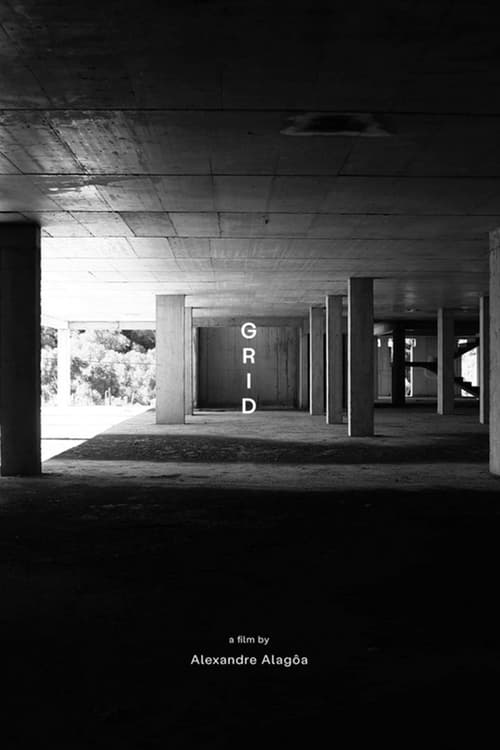
A ritual of grids, reflections and chasms; a complete state of entropy; a space that devours itself; a vertigo that destroys the gravity of the Earth; a trap that captures us inside the voids of the screen of light: «That blank arena wherein converge at once the hundred spaces» (Hollis Frampton).
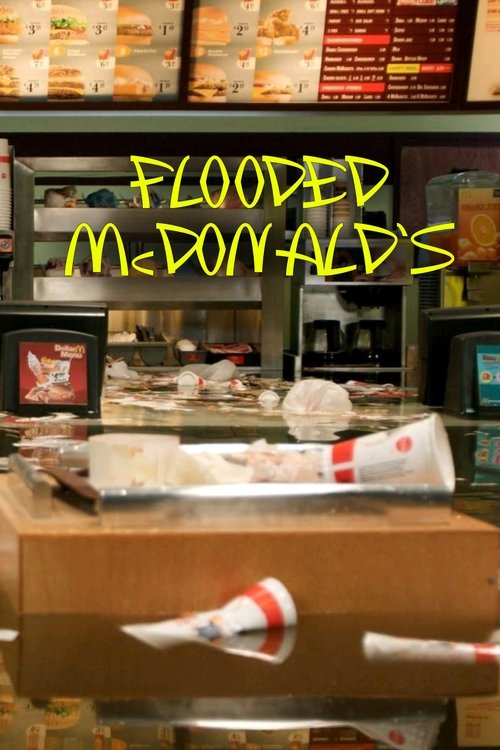
Flooded McDonald's is a new film work in which a convincing life-size replica of the interior of a McDonald's burger bar, without any customers or staff present, gradually floods with water.
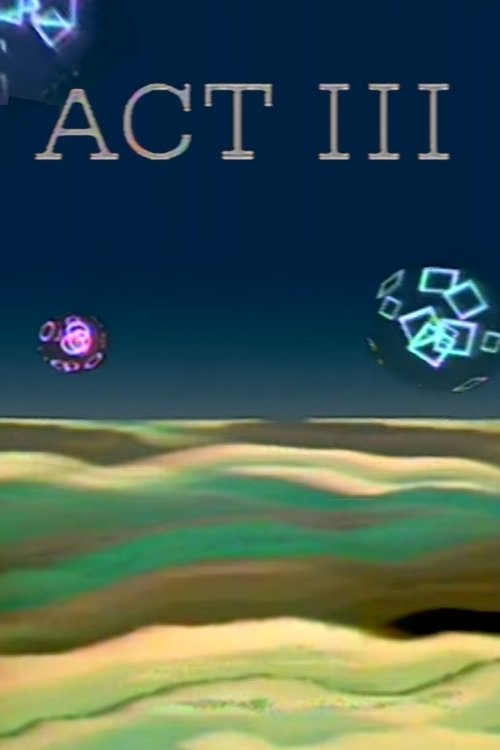
Abstract video art set to the music of Philip Glass.
An NTSC space opera.
If a machine would possess a soul it might be a beach. Every single sand corn symbolizes a data-set of a memory captured in the world wide web saved deep down in the ocean. From there the bytes condense and finally reach the cloud. But how would it feel for a machine to see the glitch waves and feeling the shore stones on its case? What would be the colours of the coastline? Glitching Offshore tries to portrait the soul of an AI and the universe behind it. Glitching offshore, alike drifting away as in a psychogeographical dérive (furthermore, away from the "rive": bank) where human intentional yet chaotic action is substituted by pixels' stirrings of the soul.
A dream where obsession for German as a second language mixes up with an obsession for neatness and cleanliness as a distinctive feature of the national culture in question seen from the perspective of a foreigner. The dream is not a nightmare only because the set it is dreamt into is the seashore of the mare nostrum, where the dreaming subject is perfectly at home. A homeland which she, in turn, in her more secret thus naïf dreams would dream of being cleaner and tidier as in the reality, especially in front of such beauty of nature. As is right and proper.
A fiction science monologue about artificial fertilization and its consequences, delivered by four characters interacting with the text.
After concluding the now-legendary public access TV series, The Pain Factory, Michael Nine embarked on a new and more subversive public access endeavor: a collaboration with Scott Arford called Fuck TV. Whereas The Pain Factory predominantly revolved around experimental music performances, Fuck TV was a comprehensive and experiential audio-visual presentation. Aired to a passive and unsuspecting audience on San Francisco’s public access channel from 1997 to 1998, each episode of Fuck TV was dedicated to a specific topic, combining video collage and cut-up techniques set to a harsh electronic soundtrack. The resultant overload of processed imagery and visceral sound was unlike anything presented on television before or since. EPISODES: Yule Bible, Cults, Riots, Animals, Executions, Static, Media, Haterella (edited version), Self Annihilation Live, Electricity.
Between surrealism, unusual characters, art and magic tricks, "Swim Little Fish Swim" is a dreamlike journey from childhood to adulthood.
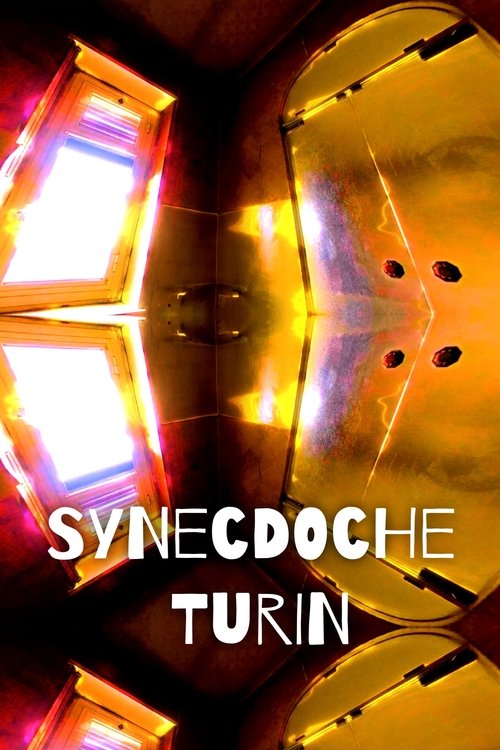
It’s often a sense of shakiness which emerges in seeking affordable rent. Furthermore, leasing a real estate in the time of Covid it’s an enough though enterprise due to the different restrictions in moving freely and without any fear even visiting the venue, still not to mention the angst before the future that a change in life like a relocation involves so that everything starts spinning around. Such a pretty much postmodern sensation should have had Hazel in the Synecdoche, New York by Charlie Kaufman when she rents a burning house, which becomes quite her home yet with this persisting sense of precarity still not precluding to keep going. The experience is now translocated in another city, Turin. It still remains a burning house in a burning city, however it becomes home to someone.
A compilation of avant-garde artwork and talent of the mid to late 20th century hosted by Ryuichi Sakamoto.
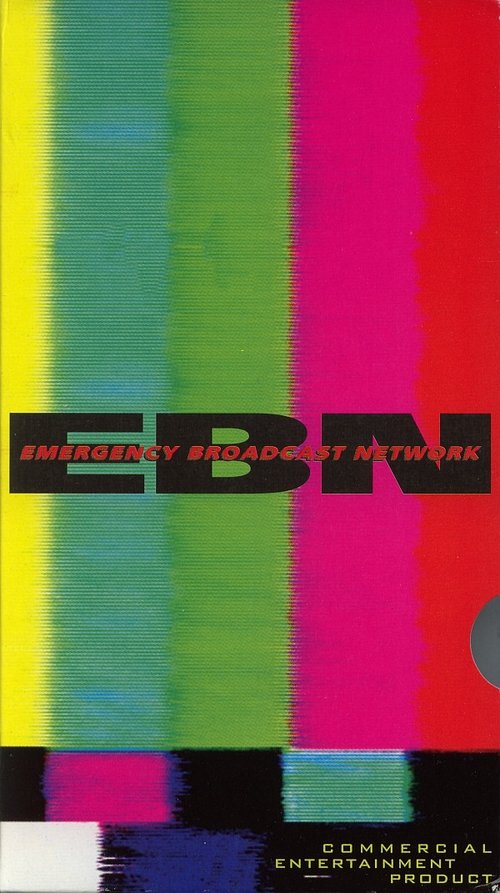
The video debut of experimental musicians and culture jamming artists Emergency Broadcast Network.
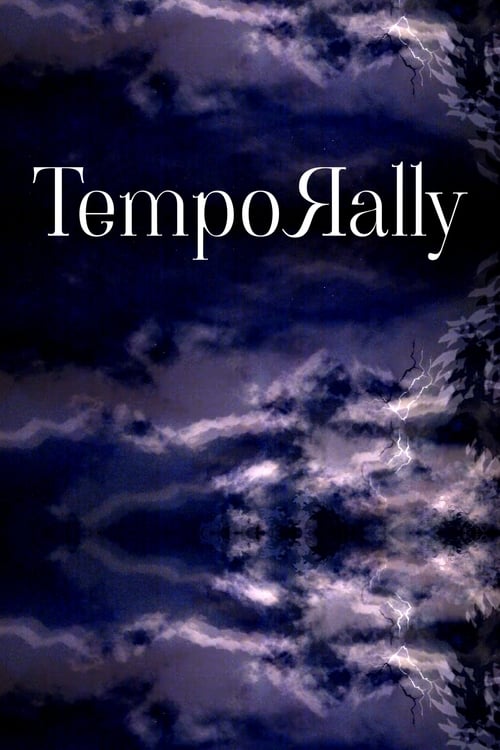
TEMPORALLY tells the story of an Italian thunderstorm through the eyes of a Japanese painter. The lightning itself fusions with its environment and creates a hypnotic point of view. The sound in the video was recorded on the occasion of the exceptionally high water alert in Venice, Italy. The alarm is composed of two parts. The first was the sirene in use under bombardments during WW2, whereas the second is designed by the University of Venice and should be heard during all the sleep phases, yet not causing any panic. The images themselves were shot during multiple thunderstorms in the mountains between Lake Lugano and Lake Como. So, an interplay of salt and sweet water. Furthermore, the title TEMPORALLY is a combination of the Italian word for storm "temporale", and the word for atmospheric weather "tempo" which in English means rhythm and rally, thus a race of lightning, in the end, following in a recovery.
No Trailers found.
No Cast found.