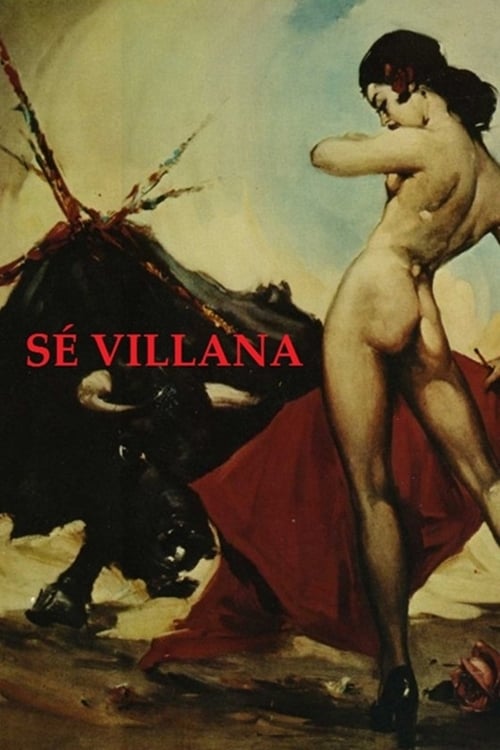
A compiling documentary about Seville "Spain". It reflects with sarcasm some of the deepest problems and stereotypes associated to Andalusians, and depicts them as the consequences of capitalism.
No Cast found.
No Trailers found.
Filmed in Cordoba, Granada, Seville, and Toledo, this documentary retraces the 800-year period in medieval Spain when Muslims, Christians, and Jews forged a common cultural identity that frequently transcended their religious differences, revealing what made this rare and fruitful collaboration possible, and what ultimately tore it apart.
No overview available.
Fernanda Ocaña, a 60-year-old drag artist from Seville, left her hometown at 14 to build a life in Barcelona. Taken in by the iconic Spanish artist José Pérez Ocaña, she immersed herself in the world of show business. Today, she continues to shine as the host of the Bar Ocaña in Plaza Real, welcoming guests with her unmistakable charm.
Religious-based images and traditions permeate the lives of all the people who inhabit Seville. Historically, the city's mariquitas ("sissies") have also assimilated them in their childhood and, through them, have been creating their own encounter spaces and their own codes. Nowadays, new dissident identities continue to respond to them: they participate or distance themselves, they continue what exists or transform it. This film looks at these traditions from a perspective always relegated to the margins.
Documentary about Seville's hip hop scene.
A documentary essay that, through exclusively images, music and editing, aims to show a different image of the manipulated Andalusia that had been present on movie screens for many decades.
A documentary about the inner, unknown world of the brotherhoods, a universe of its own with its own laws, rules, and philosophy far removed from religion, which were (and in many ways still are) foreign to most people, especially the non-Andalusian majority in Spain. It is the only audiovisual document that captures the pivotal moment for the "people at the bottom" when professional bearers (dockworkers, day laborers, and various other wage earners) are being "pushed out" of the brotherhoods and replaced by fellow bearers. From an anthropological perspective, "Costaleros" projects peculiarities of Andalusian culture that are often misinterpreted and misunderstood from the outside.
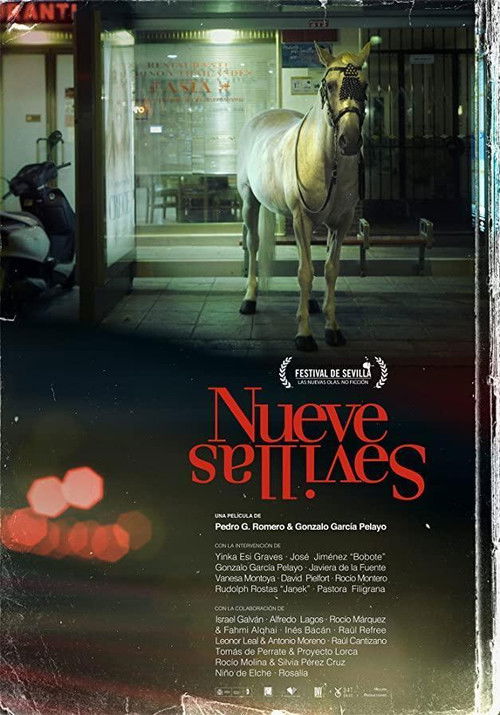
"Nueve Sevillas" is a heterodox psycho-geographical profile of the new flamenco in Seville. Nine characters coexist with the great flamenco artists of today.
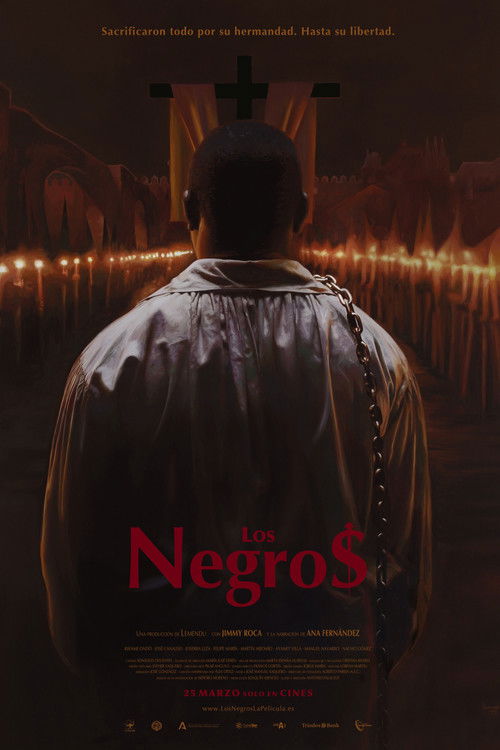
Seville, Spain, 14th century. A group of black slaves brought from Africa form the Hermandad de los Negros, a Holy Week brotherhood that has survived over the centuries, despite the opposition of the powerful; still active, it is one of the oldest institutions in Europe.
Following a commission from the College of Architects of Seville, for the production of a documentary about the La Alameda de Hércules area of the Sevillian capital in a debate about its possible destiny and urban planning challenges, the filmmaker Juan Sebastián Bollaín, offers this visionary realistic and critical, at the same time experimental and iconoclastic, portrait of the problem of the transformation of historic centers in our cities.
This Traveltalk series short looks at four of Spain's most famous cities, Granada, Seville, Toledo, and Madrid, with an emphasis on the Moors and their influence on the country.
Between Munich and Seville, the destinies of sixteen characters intertwine and intersect, missing each other or colliding head-on. They are all, without knowing it, at a pivotal moment in their lives...
Álvaro, a man obsessed with the idea of writing what he brands as “high literature,” manipulates the lives and feelings of the people around him to write about the consequences caused by his devious acts.
It is summertime in a blue-collar, marginal district of a city in the South of Spain. Tano, a teenager currently serving a sentence in a juvenile reform center, is given a 48-hour leave to attend his brother’s wedding.
Seville, Spain. Juan Santos, a convicted petty criminal, gets out of jail for a day to celebrate with Triana, his wife, the first communion of their daughter Estrella.
After dumping a bucket of water on a beautiful young woman from the window of a train car, wealthy Frenchman Mathieu, regales his fellow passengers with the story of the dysfunctional relationship between himself and the young woman in question, a fiery 19-year-old flamenco dancer named Conchita. What follows is a tale of cruelty, depravity and lies -- the very building blocks of love.
A ghost with addiction issues is doomed to wander forever around the apartment where he once was happy. From there, he gently shares with us the stories of those who lived there after him — the ones he tried to touch.
Manolo and María. They live together and love each other. He loves to constantly play pranks on her. She is very patient and has a great sense of humor. But Manolo doesn't realize that when you play a prank, you have to accept all the consequences.
Middle-aged couple William and Luisa travel to the Spanish city of Seville during Semana Santa (Holy Week), where they honeymooned exactly 30 years prior, seeking to rejuvenate their lackluster marriage. Upon arrival, however, they begin to experience time-bending encounters with their younger selves, leading them to contend with the deep regrets and painful losses that led to the breakdown of their marriage.