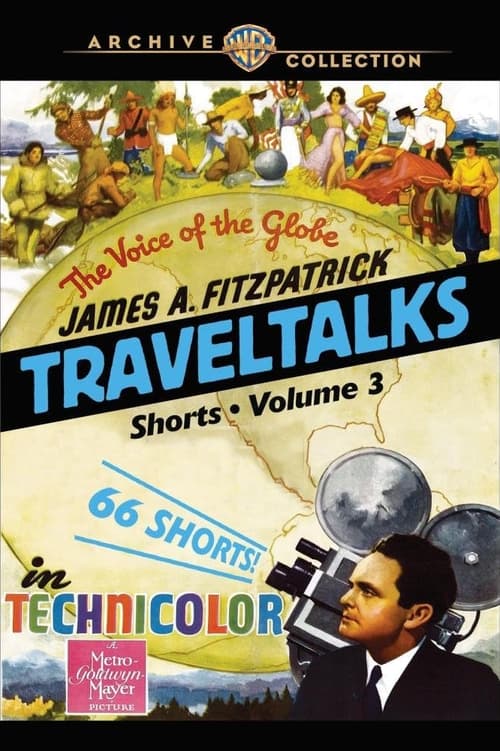
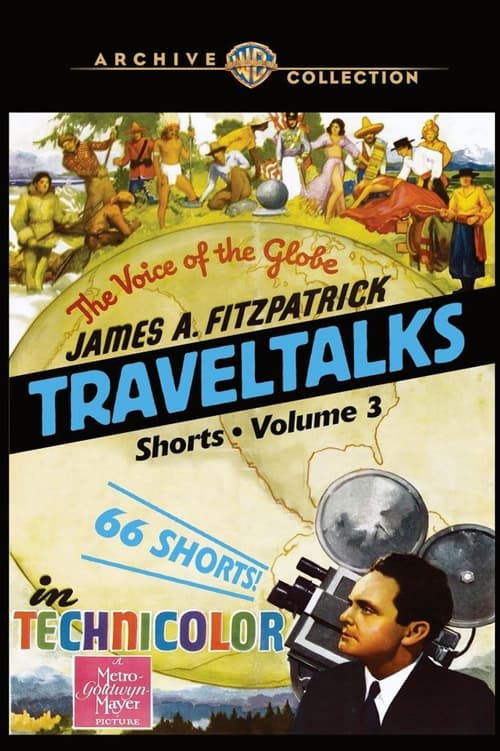
This Traveltalk series short looks at four of Spain's most famous cities, Granada, Seville, Toledo, and Madrid, with an emphasis on the Moors and their influence on the country.
No Trailers found.
Huelva, Spain, an isolated region lost in time. The grass, the sand and the sky are the same that those foreigners saw in the spring of 1895, when they crossed the sea from a distant country to mark the unspoiled terrain and extract its wealth, when the tower was new, when people could climb to the top of the highest dune and imagine that the city of Tartessos was still there, in the distance, almost invisible in the morning brume.
No overview available.
This Traveltalk series short visits several points of interest in England, including the port of Liverpool, war destruction at Coventry, the historic Warwick Castle, and Stratford-on-Avon, the birthplace of William Shakespeare.
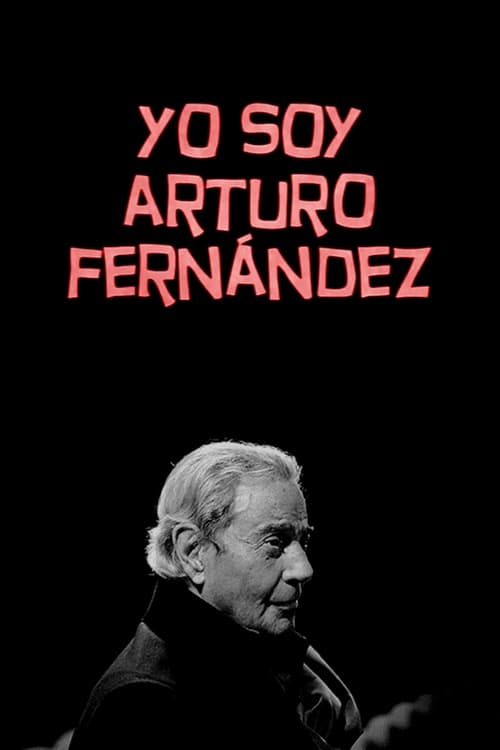
A gentle portrait of the mythical Spanish actor Arturo Fernández (1929-2019) in the hour of his passing, in his own words, through his latest interviews, not previously broadcast, and the words of those who knew him thorough decades of charming and good performance on stage, his true home, as well as in cinema and television.
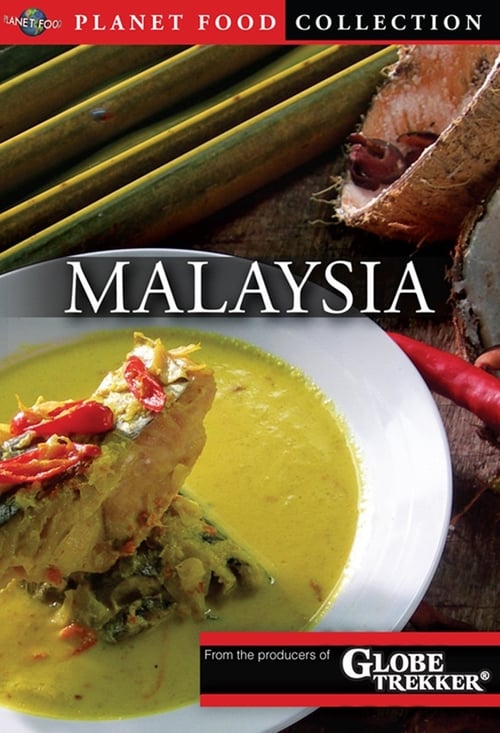
Malaysia's multiculturalism is unrivaled throughout Southeast Asia and is reflected in its cuisine. Roving foodie Merrilees Parker begins her journey on the Malaysian peninsula with the native Orang Asli people of Kelantan She then heads off to the stunning Islamic East coast to cook a rich curry using freshly caught mackerel. In the ancient spice capital of Melaka, Merrilees cooks up a storm with fiery Laksa soup in the style of the Nyonya. In the Cameron Highlands, 5,000 feet above sea level, there is a notable English influence. The island of Penang is Merilees' next stop then she visits the capital, Kuala Lumpur, one of the fastest growing cities in Southeast Asia.
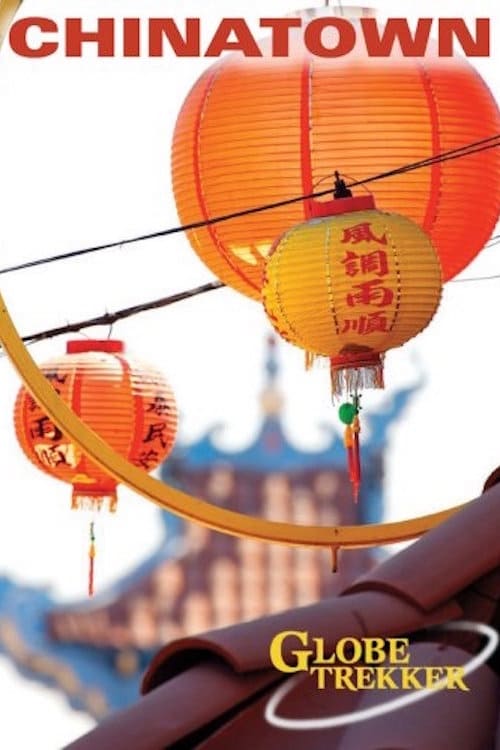
In this special edition of Globe Trekker Chinatown, Lavinia Tan, Justine Shapiro and Megan McCormick travel worldwide to explore the magic and mystery of Chinatowns across the globe. Lavinia Tan begins the journey in Malaysia and Singapore where overseas traders led the earliest migrations of Chinese people. The journey continues from there to the United States, where Justine Shapiro visits San Francisco. Megan McCormick explores New York s Lower East Side, home to the largest Chinatown in the Western Hemisphere. After a short trip to London s Soho district, Lavinia Tan ends this journey with a visit to Hong Kong exploring the world famous film industry and the 21st century migration of Chinese back to their homeland.
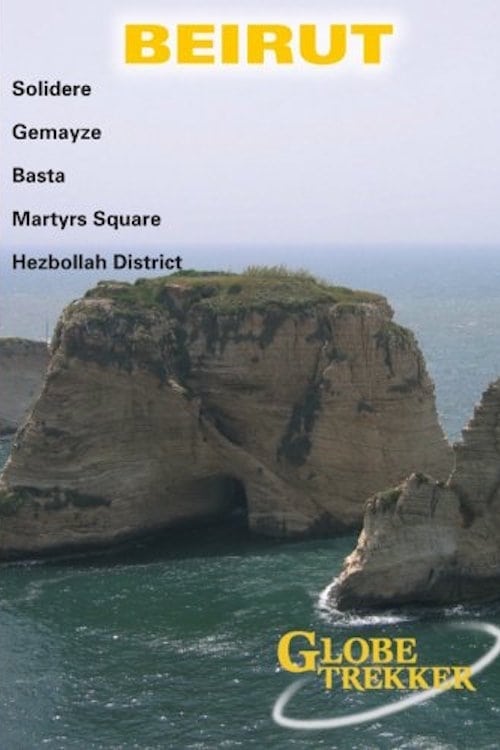
Beirut, Lebanon's capital has a long history of political and social unrest that still makes headlines today. Globe Trekker's Beirut City Guide captures the city in more optimistic days, two weeks before the latest outbreak of hostilities in Lebanon between Israeli and Hezbollah forces in July 2006. Globe Trekker Megan McCormick explores the neighborhoods of Basta, Solidere, Gemayze and the Hezbollah District and finds a city in the midst of regeneration. She gets a glimpse at Beirut's future when meeting up with a group of young Arabic hip hop artists, who are eager to live in peace and put the country's political troubles in the past.
The famous Spanish comedian Andreu Buenafuente, CEO of the production company El Terrat and prestigious TV host, tells how he and his numerous collaborators, both on set and behind the cameras, managed to carry on with their work despite the chaos and the several logistical and human problems caused by the global pandemic that began in early 2020.
A stunning trek from the vale of Kashmir, via Sind Valley and Kargil and Lamayaru Monastry.
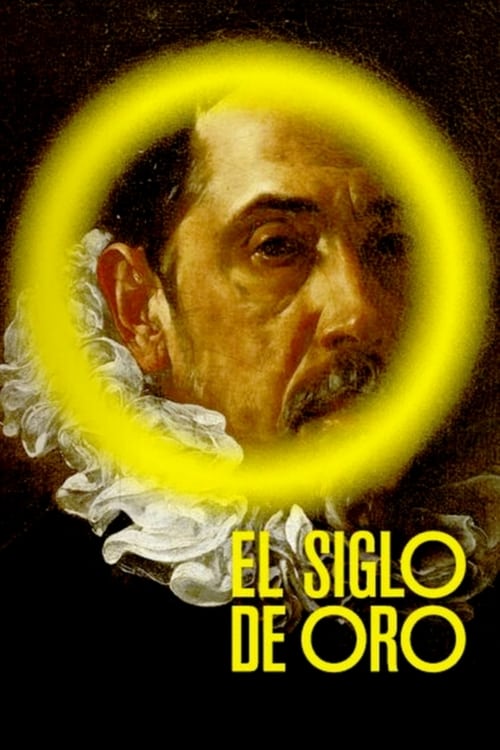
A journey through the Spain of the Baroque, the glorious 17th century, an unfortunate era of endless wars and political tribulations; but also of great painters and sculptors who created astonishing pieces of art: el Siglo de Oro.
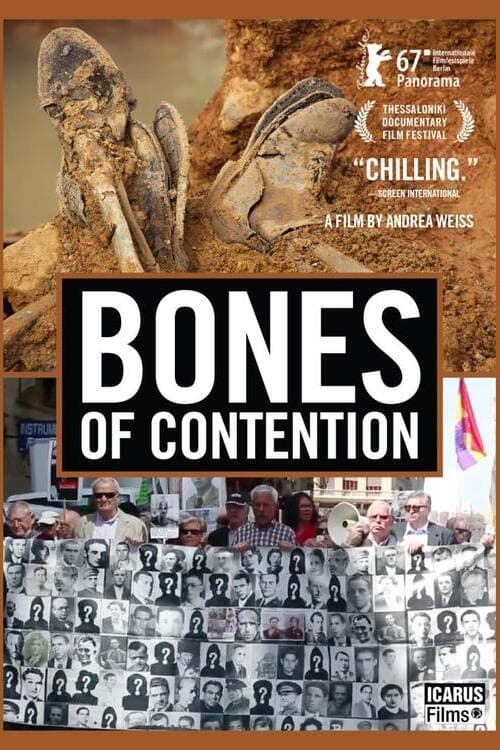
A history of the political and social repression carried out by the ruthless regime of Spanish dictator Francisco Franco between 1936 and 1975 that focuses on the lives of gays and lesbians during those dark years and the death of the Spanish gay poet Federico García Lorca.
Two women hitchhike, couch surf, and camp across the United States, yearning for more out of life. The film documents the duo's encounters with random friends and strangers, often revealing their qualms with modern times.
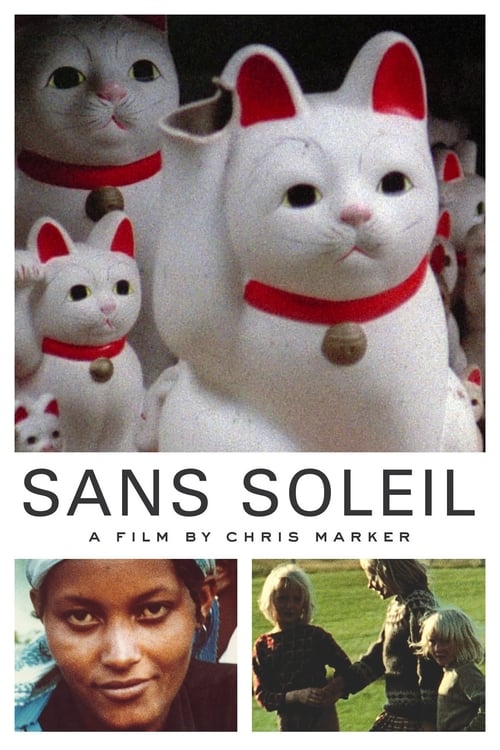
A woman narrates the thoughts of a world traveler, meditations on time and memory expressed in words and images from places as far-flung as Japan, Guinea-Bissau, Iceland, and San Francisco.
An exploration —manipulated and staged— of life in Las Hurdes, in the province of Cáceres, in Extremadura, Spain, as it was in 1932. Insalubrity, misery and lack of opportunities provoke the emigration of young people and the solitude of those who remain in the desolation of one of the poorest and least developed Spanish regions at that time.
Bruce Brown's The Endless Summer is one of the first and most influential surf movies of all time. The film documents American surfers Mike Hynson and Robert August as they travel the world during California’s winter (which, back in 1965 was off-season for surfing) in search of the perfect wave and ultimately, an endless summer.
This Traveltalk series short takes us to Edinburgh, Scotland. We learn the importance of religion, science and the arts here and see various historic sites including Edinburgh Castle.
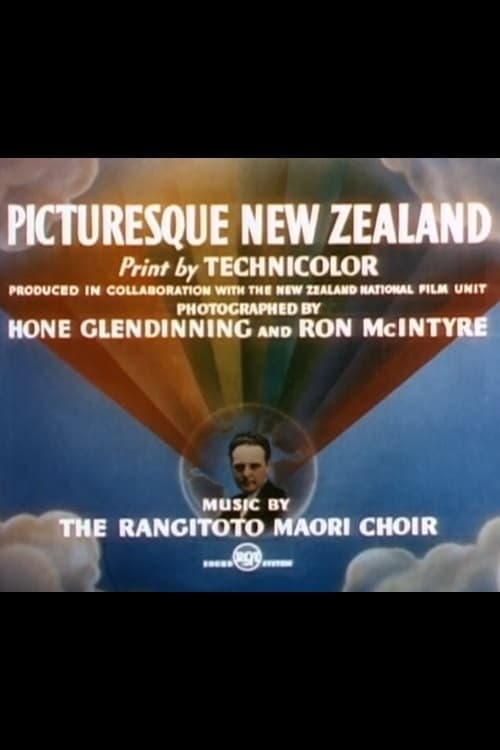
This Traveltalk series short visit to New Zealand starts in Auckland, a bustling, modern city. Next is Christchurch, home of Canterbury University, where rowing teams participate in a regatta. Nearby is Lake Wakatipu, which inspires artists to put their impressions on canvas. We then visit Rotorua, a city famous for its geysers, hot springs, bubbling mud pools, and other geothermal activity. At Ferry Springs there is lots of trout for fishing. Later, a group of natives performs a canoe dance.
This FitzPatrick Traveltalk short visits the cities of Casablanca, Rabat, and Marrakesh in Morocco, as well as the city of Algiers in Algeria.
This Traveltalk series short takes a trip on the Rhine river, with stops at Cologne, Bonn, and Koblenz.
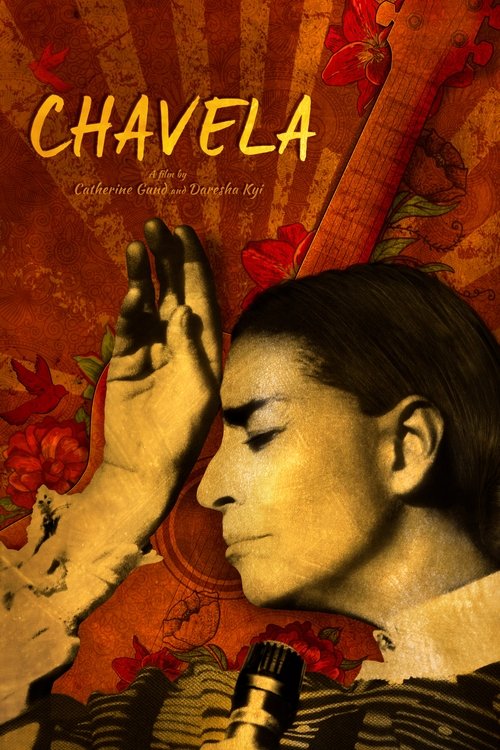
Inspired by an exclusive interview and performance footage of Chavela Vargas shot in 1991 and guided by her unique voice, the film weaves an arresting portrait of a woman who dared to dress, speak, sing, and dream her unique life into being.
Narrator (voice)