No Trailers found.
A day in the city of Berlin, which experienced an industrial boom in the 1920s, and still provides an insight into the living and working conditions at that time. Germany had just recovered a little from the worst consequences of the First World War, the great economic crisis was still a few years away and Hitler was not yet an issue at the time.
Say Om as you reach home only to realize you never really left/stopped saying Om.
This film describes a psychological state "kin to moonstruck, its images emblems (not quite symbols) of suspension-of-self within consciousness and then that feeling of falling away from conscious thought. The film can only be said to describe or be emblematic of this state because I cannot imagine symbolizing or otherwise representing an equivalent of thoughtlessness itself. Thus the actors in the film, Jane Brakhage, Tom and Gloria Bartek, Williams Burroughs, Allen Ginsberg, Peter Olovsky and Phillip Whalen are figments of this 'Thought-Fallen Process', as are their images in the film to find themselves being photographed."
The Kuwaiti short film العاصفة (The Storm) explores Kuwait's social and economic shifts before and after the discovery of oil. Through the perspectives of an older father and his modernized son, it delves into the challenges of tradition versus rapid modernization.
Anne Bean, John McKeon, Stuart Brisley, Rita Donagh, Jamie Reid and Jimmy Boyle are interviewed about their artistic practice and the legacy of Surrealism on their work.
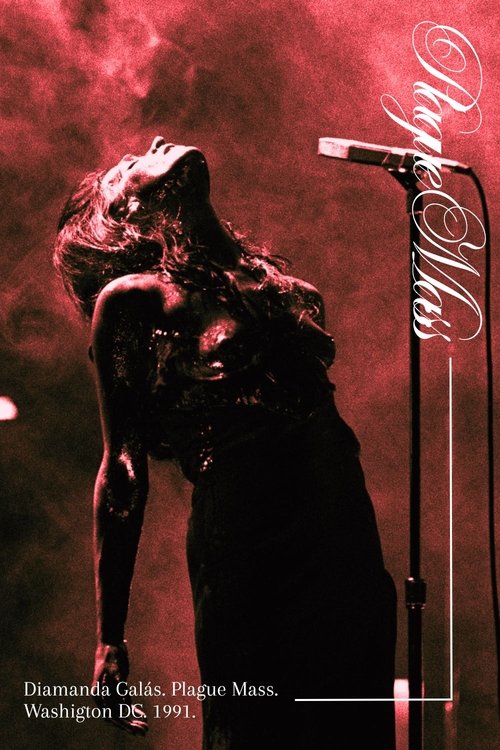
A conceptual live concert by Diamanda Galás, "Plague Mass" continues the themes of the suffering and misery of the infected found in her "Masque of the Red Death" trilogy.
No overview available.
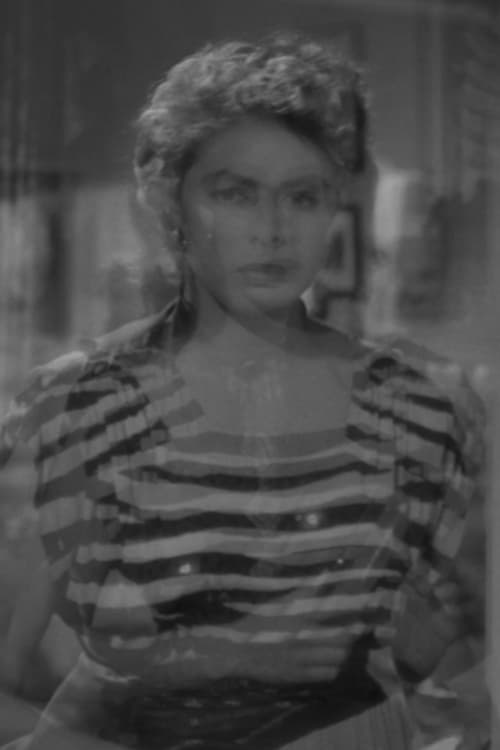
To forget about the end of a relationship, a woman fantasizes about an ideal one. Fantasy and reality begin to melt into one another, but the past finds a way to rear its head again. Films used: Notorious (1946) Gaslight (1944)
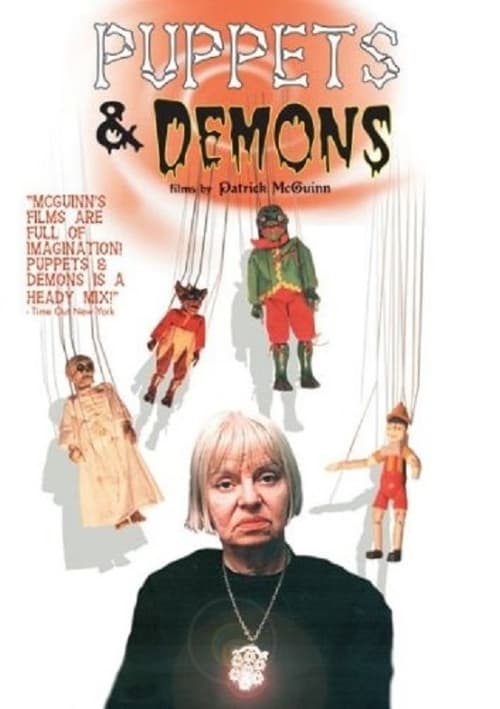
An anthology of surreal films by Patrick McGuinn featuring Vincent, a puppet who is obsessed with Twinkies and pasta.
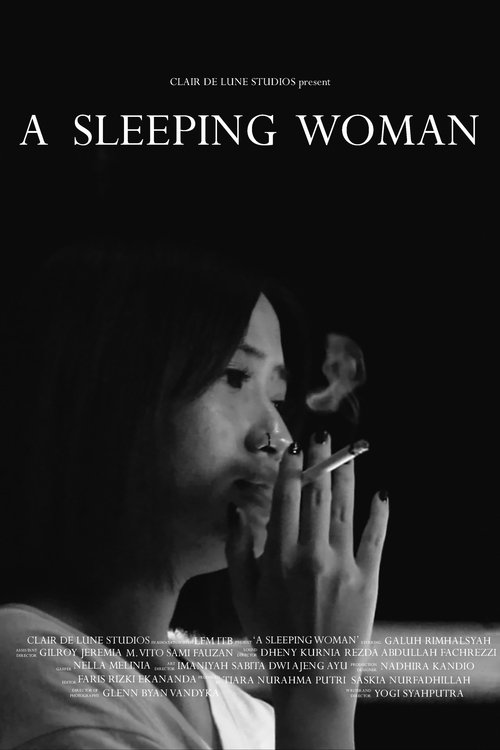
A woman returning home after having a sour day decides to sleep.
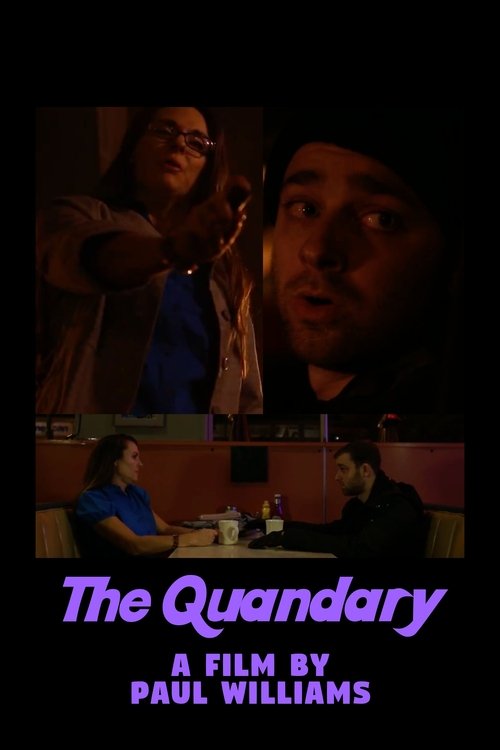
Cooper is given a decision that could help him finally make a difference or get him killed.
This, then, finishes eleven years of editing drawing on 30-some years of photography. I will surely work autobiographically again, but the modes of SINCERITY and DUPLICITY seem completed with this film which on the one hand is as simple in its integrity-of-light as those follow-the-ball "sing-along" early silent movies and on the other as complicated as teen-age metamorphosis. Childhood dissolves in flame, struck from the hearth.
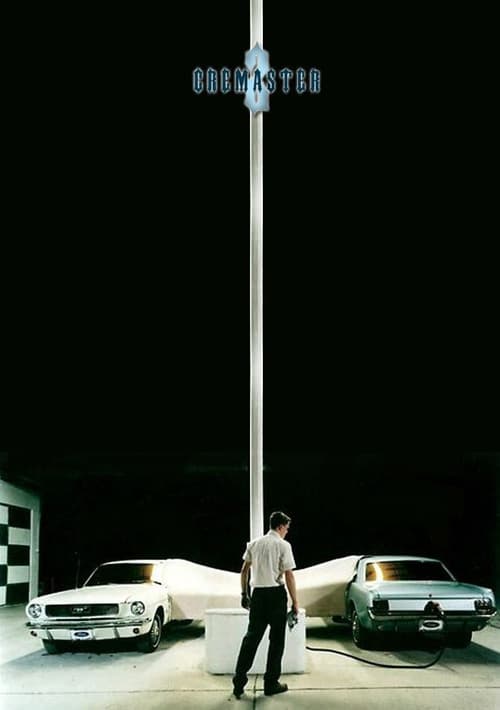
CREMASTER 2 is rendered as a gothic Western that introduces conflict into the system. On the biological level it corresponds to the phase of fetal development during which sexual division begins. In Matthew Barney's abstraction of this process, the system resists partition and tries to remain in the state of equilibrium imagined in Cremaster 1.
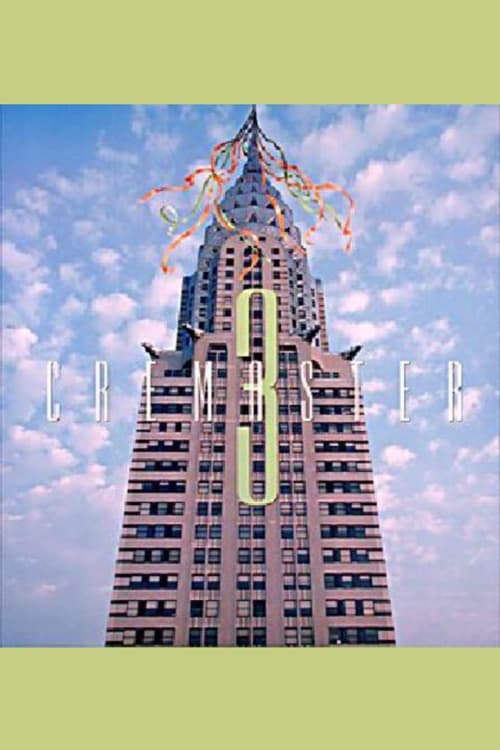
CREMASTER 3 (2002) is set in New York City and narrates the construction of the Chrysler Building, which is in itself a character - host to inner, antagonistic forces at play for access to the process of (spiritual) transcendence. These factions find form in the struggle between Hiram Abiff or the Architect ...
CREMASTER 4 (1994) adheres most closely to the project's biological model. This penultimate episode describes the system's onward rush toward descension despite its resistance to division. The logo for this chapter is the Manx triskelion - three identical armored legs revolving around a central axis. Set on the Isle of Man, the film absorbs the island's folklore ...
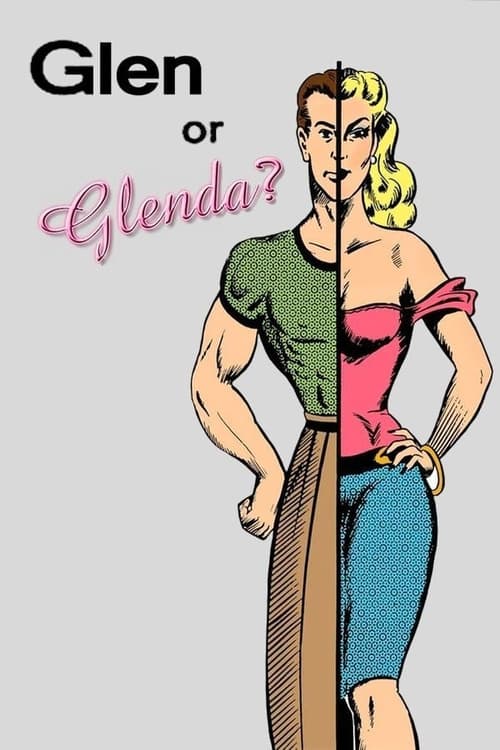
A psychiatrist tells two stories: one of a trans woman, the other of a pseudohermaphrodite.
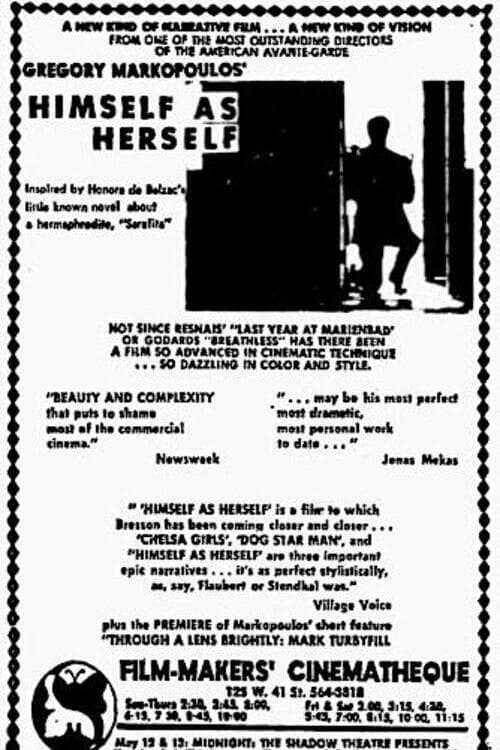
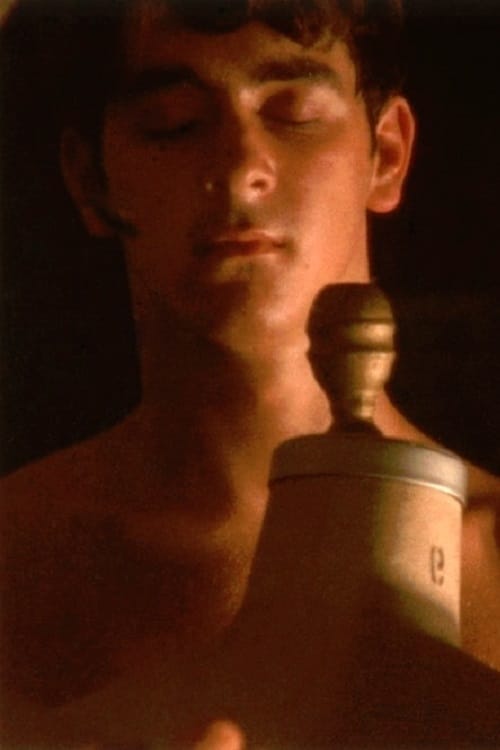
The young hero seems the essence of maleness, yet he's troubled by vaguely feminine objects. Soon his masculine and feminine selves are intercut, as each of his identities appears to look and gesture at the other. The film, at once melancholy and transcendent, consists of a shimmering, nearly plotless evocation of gender identity in flux through haunting, densely interlaced images.
Structured in nine tableaux each a study of a simple action or situation involving a lone, naked figure, the blind Eros, searching for fulfilment, for self. The objects he touches - books, paintings - can be seen as icons of the creative spirit; there is also a motor cycle and film equipment. In succeeding scenes he appears to try on identities offered by institutional doctrines of religion and social traditions of (overt) masculinity. Much of the film was constructed in-camera with a small amount of editing afterwards. An innovation was the use of in-camera fade-outs as phrase markers, not as terminal points, within a single set-up or shot.
Psyche 1947, made while a student at USC, shows Markopoulos’ developing style and his sensuous use of colour and composition. Shot in the Hollywood hills, the film was inspired by an unfinished novella by Pierre Louÿs. - Tate Modern
Markopoulos called Lysis “a study in stream-of-consciousness poetry of a lost, wandering, homosexual soul” and felt that the film foreshadowed The Illiac Passion.