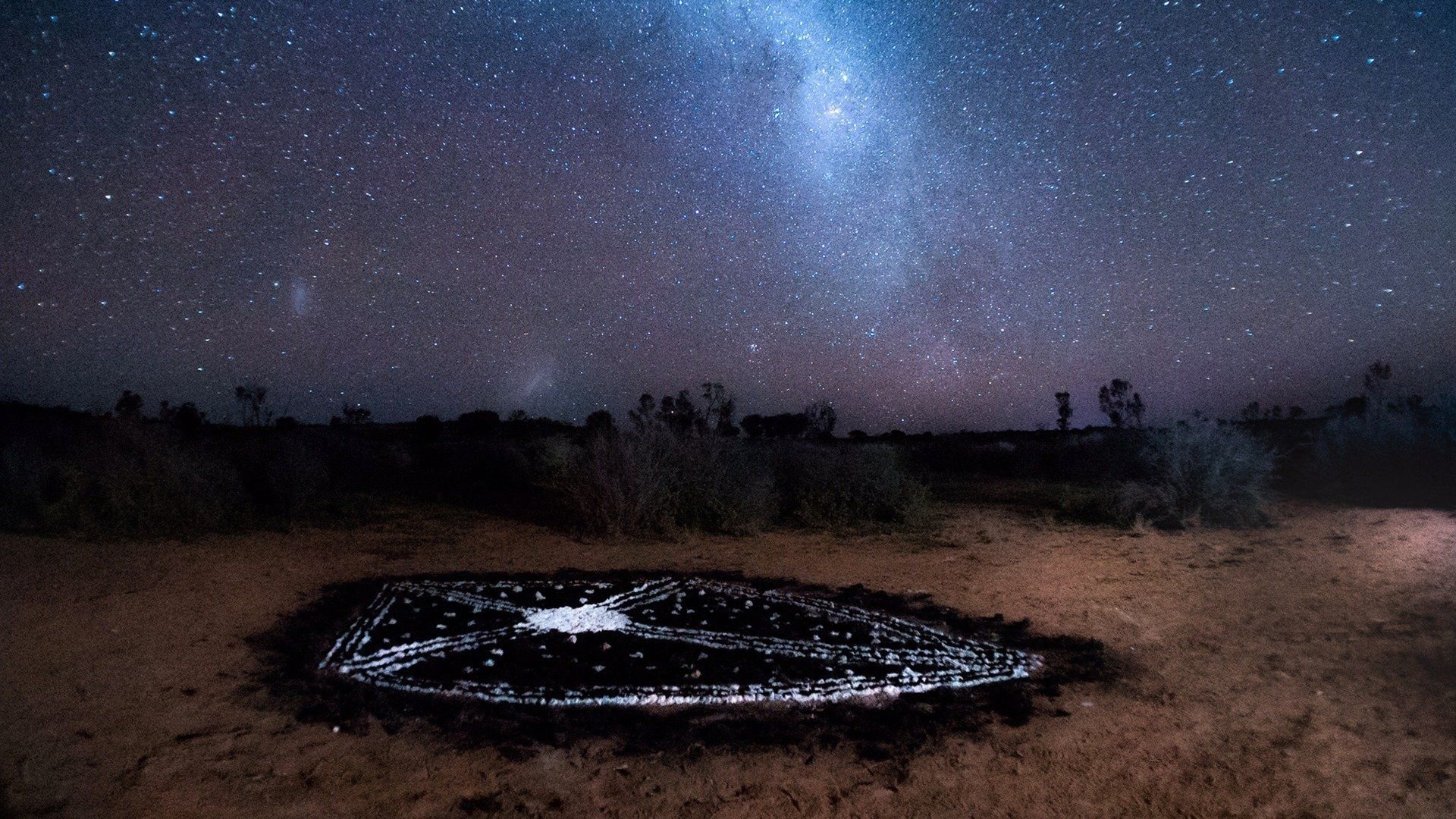
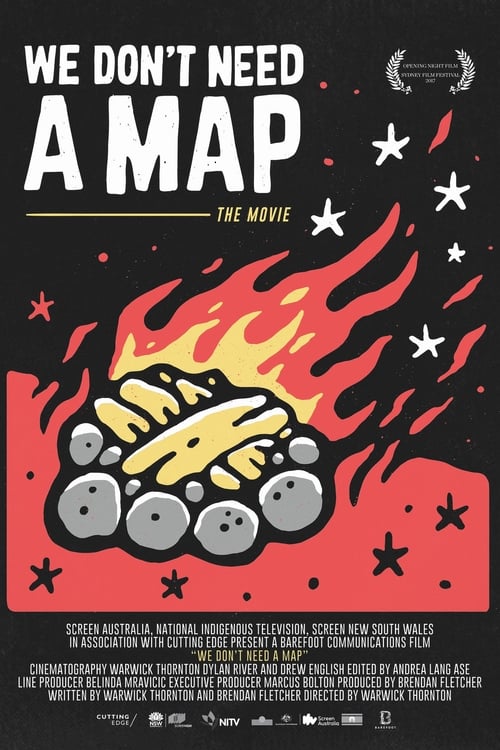
Filmmaker Warwick Thornton investigates our relationship to the Southern Cross, in this fun and thought provoking ride through Australia's cultural and political landscape.
No overview available.
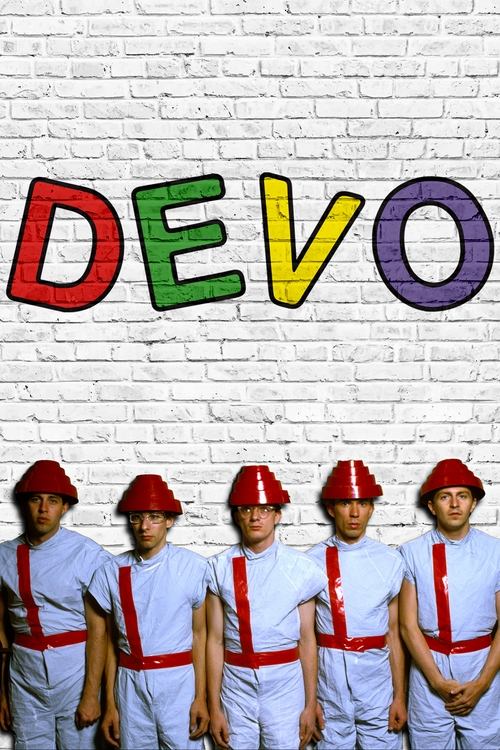
Originally formed amidst the chaos of the 1970 Kent State anti-Vietnam War protest killings, the not quite new wave band Devo scored a hit with "Whip It" and gained mainstream success with their message of societal "de-evolution."
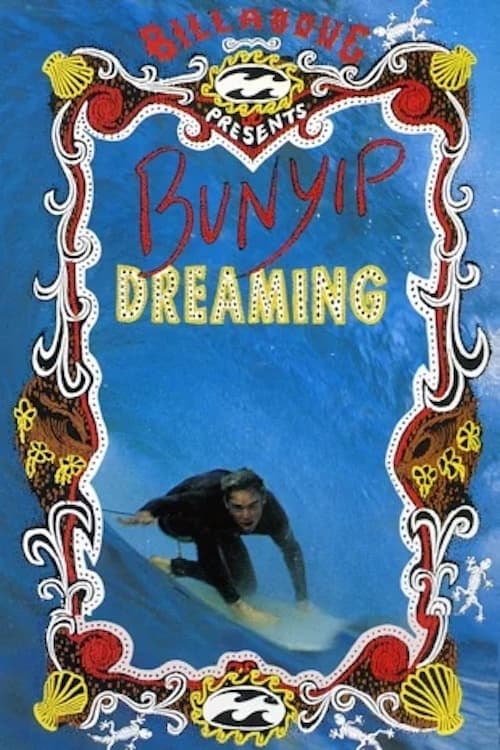
The Dreamtime is the Aboriginal worldview. It consists of many different dreaming's. If you look long enough at a bird, stone or a wave, you'll be surprised at what you will find. A surfing journey throughout Australia like never before. Featuring Luke Egan, Munga Barry, and Mark Occhilupo. The music of Not Drowning Waving, Schnell- Fenster, Yothu Yindi, The Woodentops, Concrete Blonde and INXS.
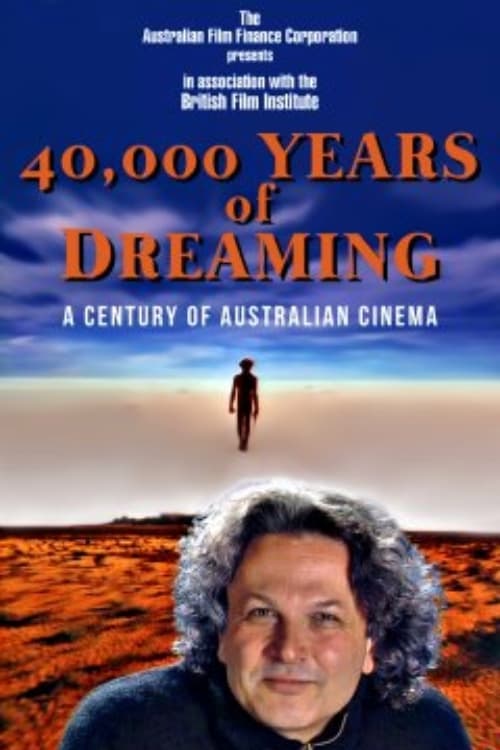
Australian-born filmmaker George Miller offers a personal view of Australian films. He suggests that they can be regarded as visual music, public dreaming, mythology, and song-lines. In extrapolating the idea of movies as song-lines he examines feature films under the following categories: songs of the land; the bushman; the convicts; the bush-rangers; mates and larrikins; the digger; pommy bashing; the sheilas; gays; the wogs; blackfellas; and urban subversion. He then concludes that these films can be thought of as "Hymns that sing of Australia."
This special was taped in 1977 but did not air until August 1979, on ABC. It featured most of Andy's famous gags, including Foreign Man/Latka and his Elvis Presley impersonation, as well as a host of unique segments (including a special appearance by children's television character Howdy Doody and the "Has-been Corner"). There also is a segment that included fake television screen static as part of the gag, which ABC executives were not comfortable with, fearing that viewers would mistake the static for broadcast problems and would change the channel—which was the comic element Kaufman wanted to present. Andy's Funhouse was written by Kaufman, Zmuda, and Mel Sherer, with music by Kaufman.
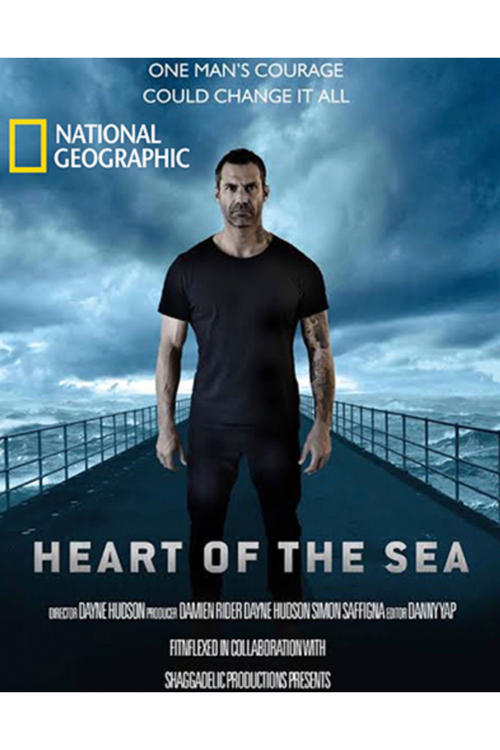
Every day, Australian Damien Rider is haunted by his abusive childhood. Determined to find his peace, and ensure it happens to no other child, Damien sets upon an 800km solo paddle from his home in Coolangatta to Bondi Beach.
In the form of a cyber-investigation, this documentary seeks to decode the manosphere and expose its dangers. Journalist Pierre Gault "infiltrated" forums, Telegram or WhatsApp groups, and private conversations. The normalization of sexual assaults, calls for rape, misogynistic and racist rhetoric, harassment... his deep dive into masculinist communities is staggering, uncovering a culture of hatred toward women.
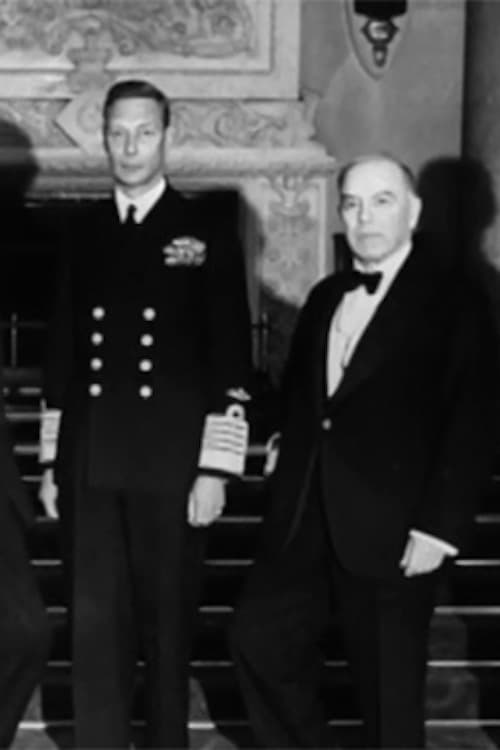
This short satirical film, created entirely from archival footage, is about the British Empire—on which the sun never sets. The majority of the humour and wit is found in the interplay between image and sound: what we see during the formative days of the Empire, and what famous servants had to say about it. Edited by Oscar®-nominated experimental filmmaker Arthur Lipsett (Very Nice, Very Nice).
A travelogue inviting viewers of today to come visit the future. The person who found this mysterious 16mm film in his basement in 1973, Rev. Ivan Stang, later ran The SubGenius Foundation, the Slack Prophecy religion devoted to Texas cult religion salesman J.R. "Bob" Dobbs.
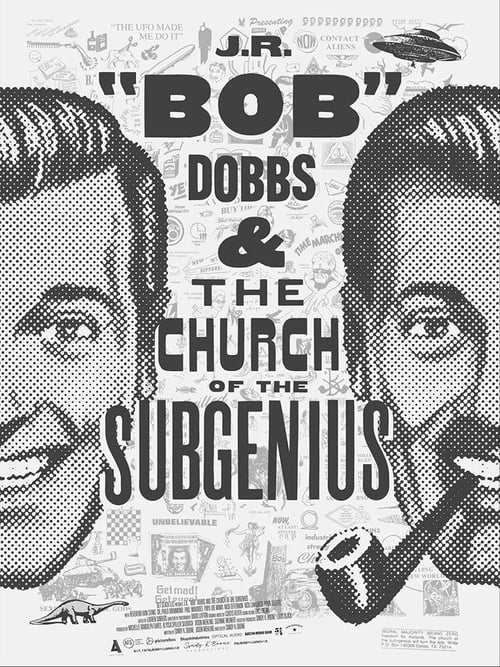
What started out as an inside joke amongst two self proclaimed weirdos in Ft. Worth, Texas soon becomes much more than they bargained for. Frustrated by the rising consumer-driven culture, out-of-work pals Douglass St. Clair Smith and Steve Wilcox decide to turn their conservative southern ideology on its head and invent a new religion all their own. Spurred on by the overreach of religion and zealous televangelists of the day, the pair concoct religious monikers (Reverend Ivan Stang and Dr. Philo Drummond), a newly minted prophet (J.R. "Bob" Dobbs), and devise a crusade to expose the conspiracy of normalcy by using humor as the ultimate weapon.
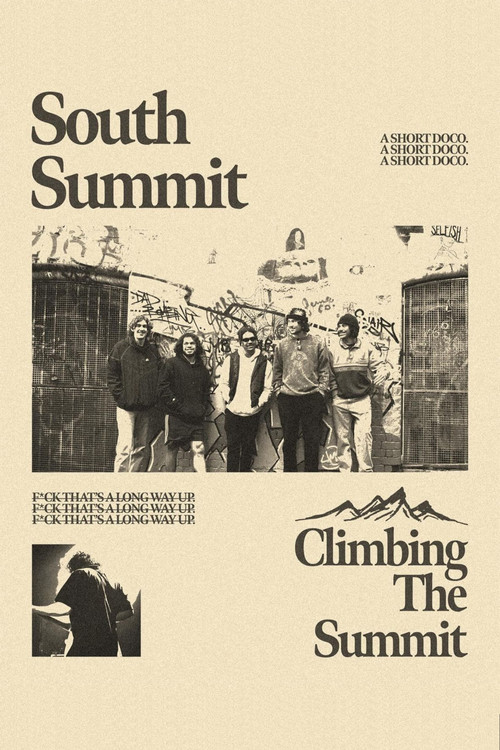
A short documentary that follows an Australian band through their journey from jamming at a backyard party to a national tour across the country.
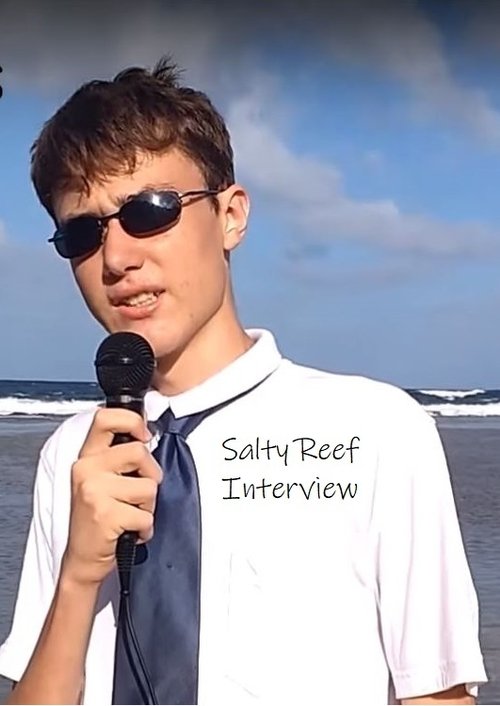
A seasoned reporter is faced by a new challenge, interviewing a coral reef. A satirical look at our ecosystem and the effects humans have on their environment.
A film about Men At Work, their hit single Down Under, and the Kookaburra controversy. The band were sued for copyright infringement and faced the label of 'plagiarists', 35 years after their success. An examination of the organic development of the song, its commercial success and cultural significance and questions the relationship between art and law, influence and copyright.
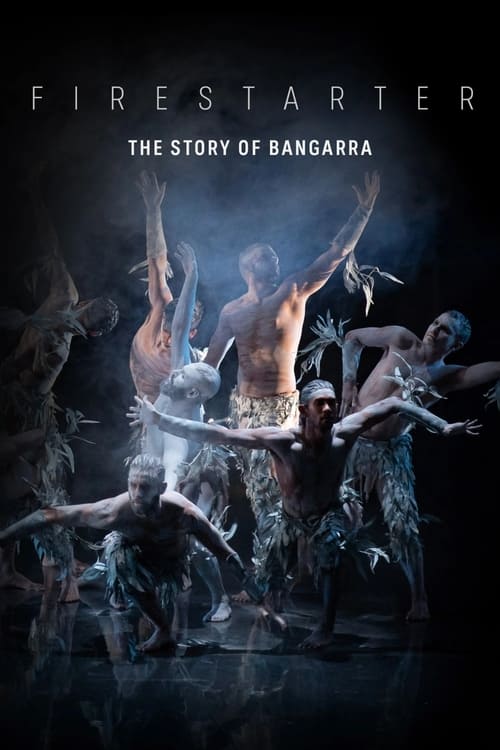
Taking us through Bangarra Dance Theatre’s spectacular growth, we follow the story of how three young Aboriginal brothers — Stephen, David and Russell Page — turned the newly born dance group into a First Nations cultural powerhouse.
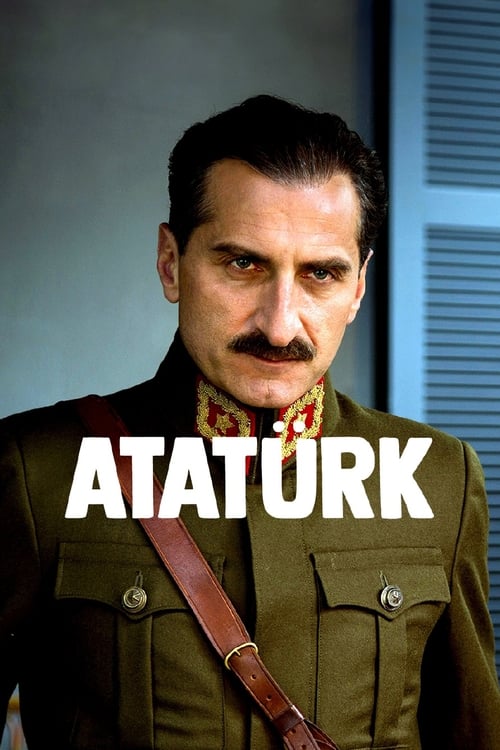
Docudrama examining the life of Mustafa Kemal Atatürk, who founded the Republic of Turkey from the ruins of the Ottoman Empire. Monuments to him can be found in every city; the anniversary of his death is commemorated every year; derogatory words about him are punishable by law. Rarely has a politician changed a society so radically in such a short time as Atatürk did Turkey.
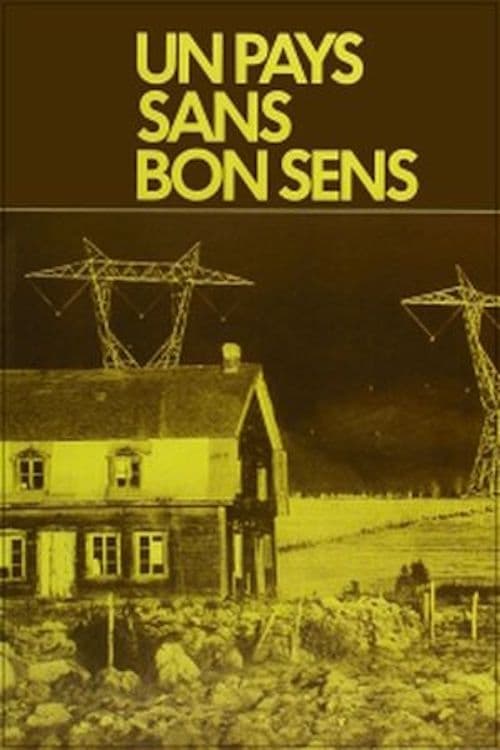
Structured as a cinematic essay, "Un pays sans bon sens!" explores the emotional and political foundations of belonging to a nation. Moving between Quebec, France, and Western Canada, Pierre Perrault interrogates questions of cultural maturity, autonomy, and territory at a moment when French Canadians were reexamining their collective identity.
An unblinking look at the questionable journalistic ethics involved in publishing North America's only satirical magazine, the film also explores the need for an independent, alternative view that exposes the mis-conduct of business leaders, journalists, celebrities, and politicians.
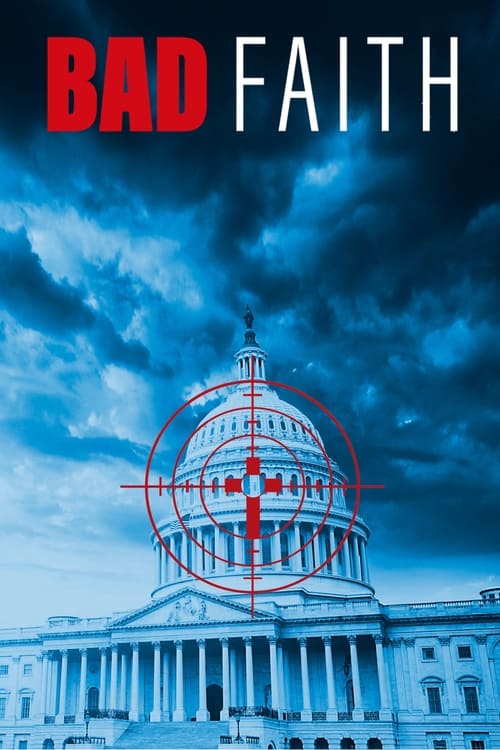
On January 6, 2021, Americans witnessed an attack on the U.S. Capitol without precedent in our history. Armed militiamen and QAnon followers made headlines, but among them were a sea of crosses and Christian flags, rosaries and "Jesus Saves" signs. What motivated so many Christians to participate in this violent assault?
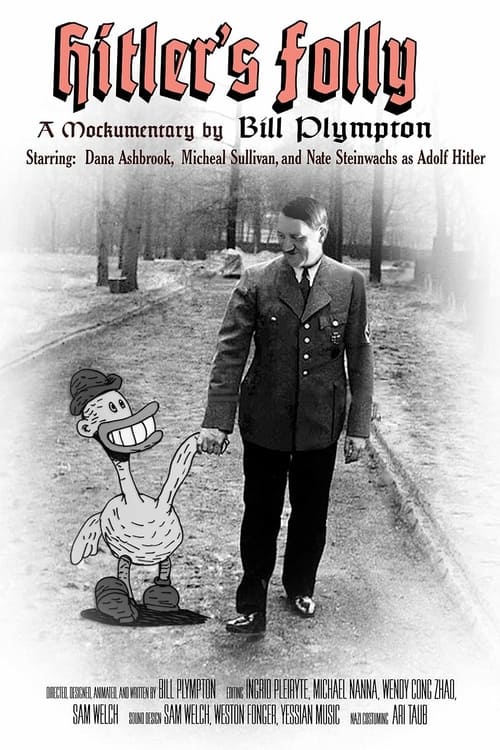
"Hitler's Folly" explores what might have happened if Adolf Hitler's art career had been more successful and instead of becoming an evil dictator, he was inspired to become an animator like Walt Disney.
Self
Trailer