Icon. Immigrant. Inventor.
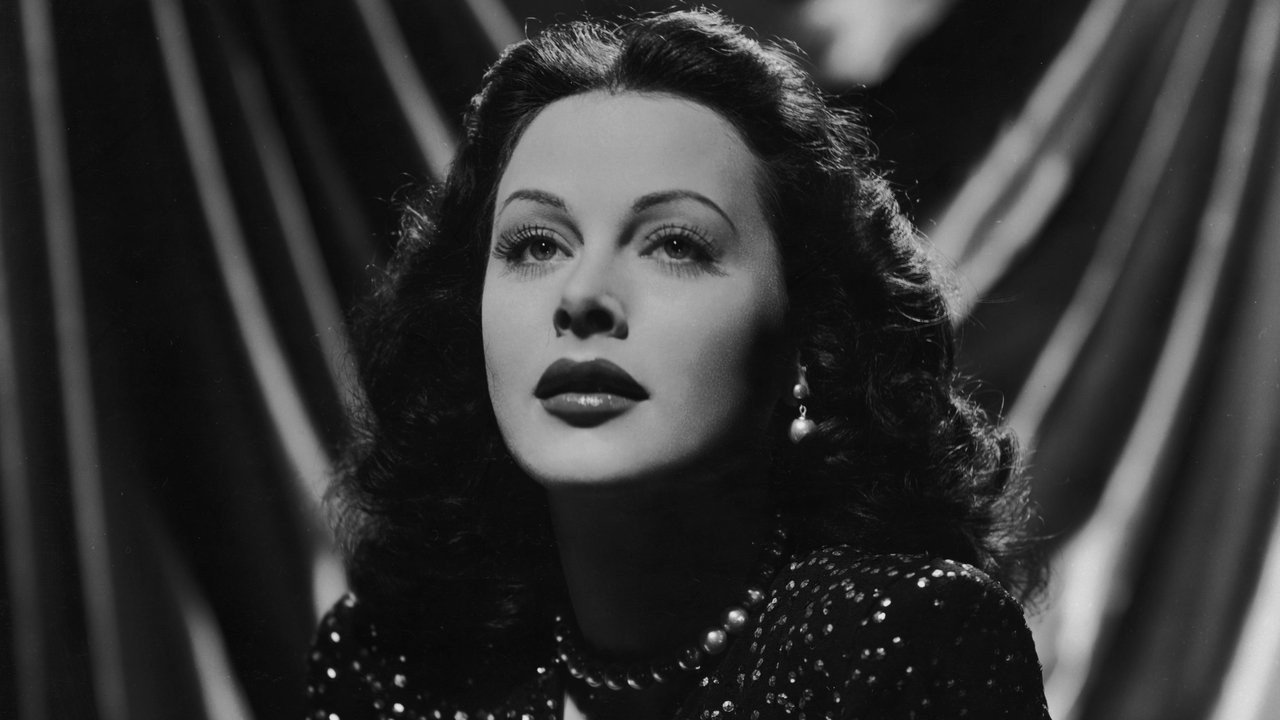
The life and career of the hailed Hollywood movie star and underappreciated genius inventor, Hedy Lamarr.
Trailer
Every year, the most beautiful, best and proudest representatives of German youth meet in Dresden to take to the streets together.
From Nashville newcomer to international icon, singer Shania Twain transcends genres across borders amid triumphs and setbacks in this documentary.
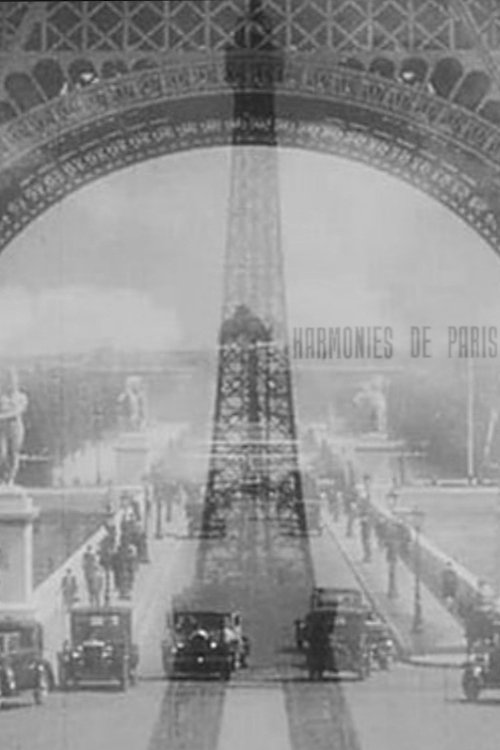
Harmonies de Paris, restored by the Cinémathèque Française in the 1990s, was shot entirely on panchromatic film and was meant to be a documentary tour of Paris in thirteen thematic chapters. The subject is a tourist group arriving in the French capital by airplane, which explains the many shots of monuments and other canonical places.
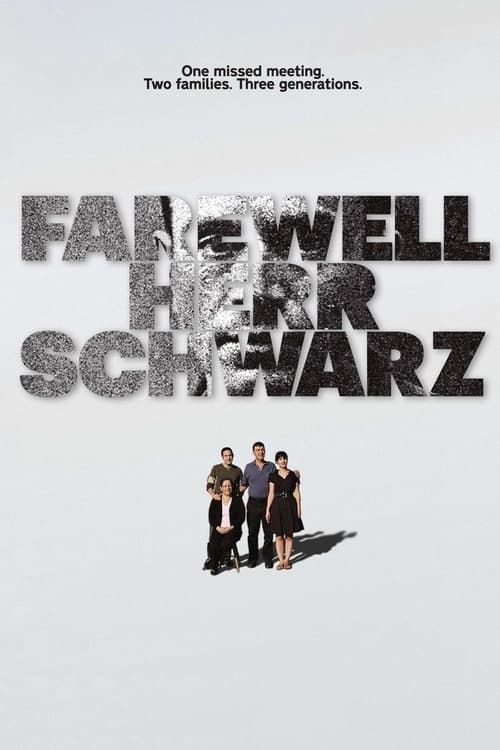
A documentary about the outcome of a decision made by a brother and sister in 1945. One missed meeting, two families, and three generations.
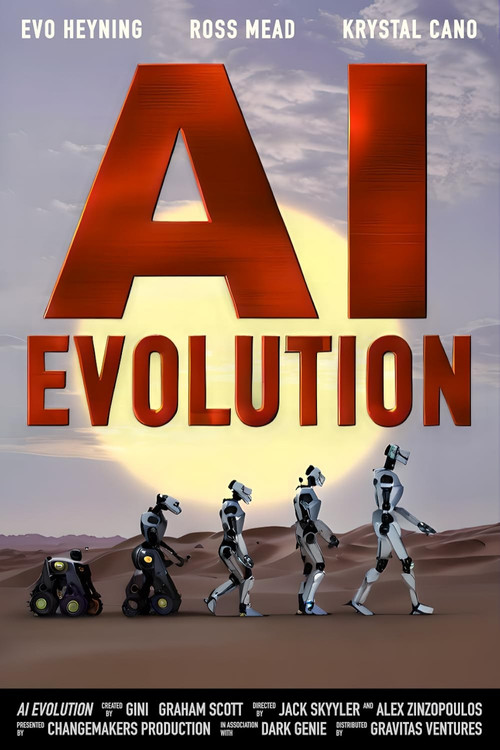
Take a journey through the ever-changing landscape of artificial intelligence with this doc exploring the challenges and opportunities ahead.
The history of one of the most famous ships in the world – from construction, maiden voyage and claim on the coveted Blue Riband, to the Second World War and the post-war ‘golden age’. Featuring high quality archive sequences and exclusive interviews. More recent footage of the ship as she is today completes the fascinating story.
No overview available.
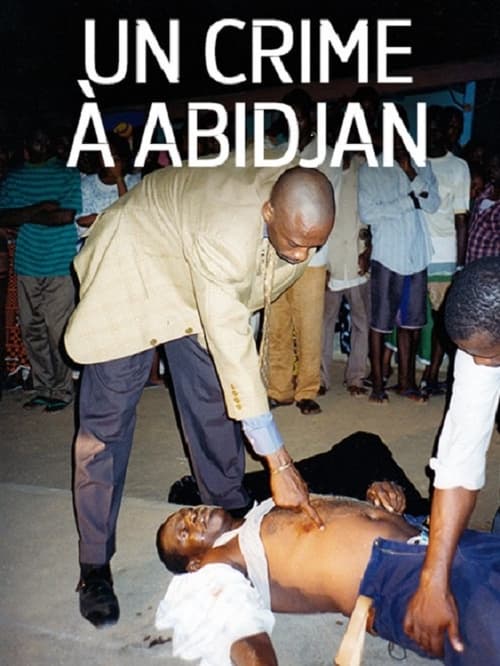
1995. On the outskirts of Abidjan, the largest city in Ivory Coast, a policeman is murdered. Shot outside his vehicle, while his fiancée sits in the car, terrified. Superintendent Kouassi is the detective in charge of the investigation. Tall and lanky, he moves with the tired energy of a man who has seen it all. Drawing on a network of underworld characters with dubious information, Kouassi’s team begins bringing in potential suspects and subjecting them to horrific brutality: beating them with sticks, hanging them upside-down, threatening their lives. Some of the men are left so broken they have to literally drag themselves into Kouassi’s office later, to be interrogated while lying on the floor, their bodies a mess of bruises, broken bones, and lacerations.
Jazz in Love tells the story of Jazz, a young man from Davao whose dream wedding is within reach: his boyfriend of 11 months has proposed. Because no law allows him to get married in the Philippines, he must fly to Germany, his boyfriend's home country, and tie the knot there. One of the things that stand in his way is his inability to speak Deutsch, and to address that he must temporarily relocate to Manila for language lessons. Meanwhile, his parents remain completely unaware of the radical changes that his life is about to undergo.
Throughout the Islamic world, each year hundreds of women are shot, stabbed, strangled or burned to death by male relatives because they are thought to have “dishonoured” their families. They may have lost their virginity, refused an arranged marriage or left an abusive husband. Even if a woman is raped or merely the victim of gossip, she must pay the price. Crimes of Honour documents the terrible reality of femicide – the belief that a girl’s body is the property of the family, and any suggestion of sexual impropriety must be cleansed with her blood. We meet women in hiding from their families, a brother who describes his reasons for killing the sister he loved, and a handful of women who have committed themselves to the protection of young women in danger of losing their lives.
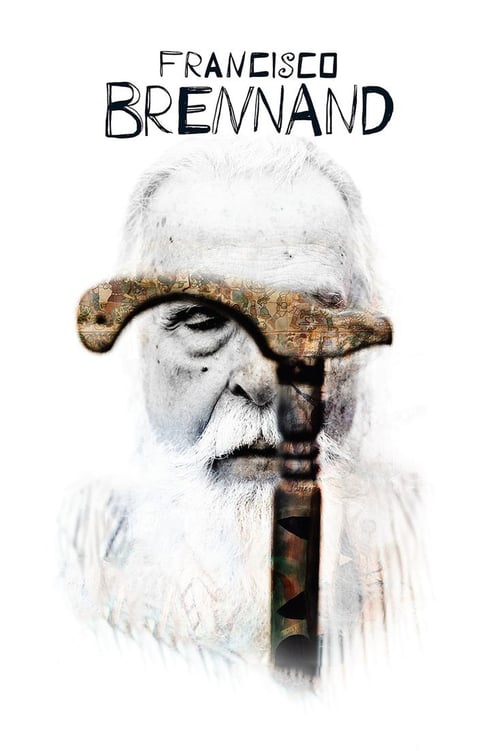
Francisco Brennand is an eighty-five year odl, painter, sculptor and ceramist from Brazil. He lives and works isolated in an open-air museum set in an old ceramic roofing tile factory that belonged to his father. Based on his diaries, written over the past 60 years, the film narrates the artist's journey from the moment he moved into the factory until today.
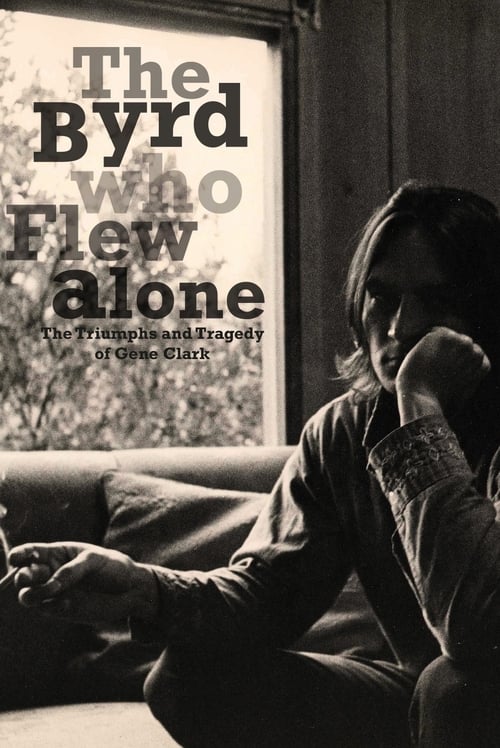
A documentary on the life and work of Gene Clark, co-founder of The Byrds, whose subsequent career was a rollercoaster of pioneering music and personal disaster.
This chilling, vitally important documentary was produced to mark the 40th anniversary of the liberation of Auschwitz Concentration Camp. The film contains unedited, previously unavailable film footage of Auschwitz shot by the Soviet military forces between January 27 and February 28, 1945 and includes an interview with Alexander Voronsov, the cameraman who shot the footage. The horrifying images include: survivors; camp visit by Soviet investigation commission; criminal experiments; forced laborers; evacuation of ill and weak prisoners with the aid of Russian and Polish volunteers; aerial photos of the IG Farben Works in Monowitz; and pictures of local people cleaning up the camp under Soviet supervision. - Written by National Center for Jewish Film
Everyone knows his name. The novels on the life and crimes of Hannibal Lecter are a worldwide phenomenon, and so are the movies and the TV show. Not mentionning the parodies, the plays... and even a wine named after him! He has become an icon of evil, but also of intelligence and refinement. Let's look back on the incredible Hannibal Lecter phenomenon.
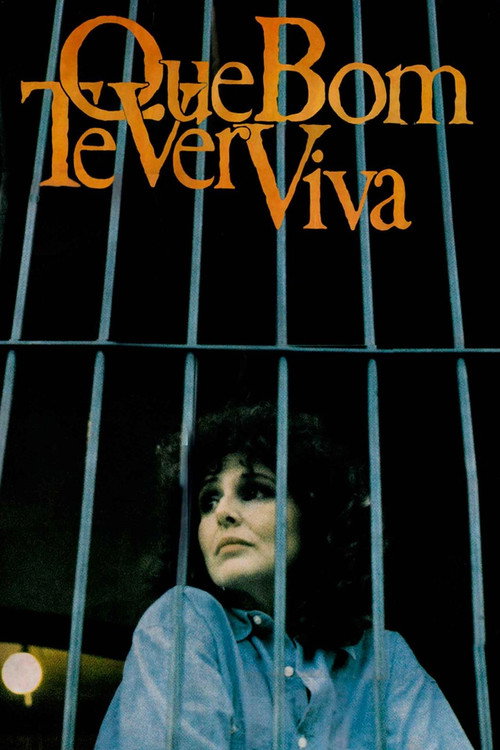
Four years after a military coup overthrew the Brazilian government in 1964, all civil rights were suspended and torture became a systematic practice. Using a mix of fiction and documentary this extraordinary film is a searing record of personal memory, political repression and the will to survive. Interviews with eight women who were political prisoners during the military dictatorship are framed by the fantasies and imaginings of an anonymous character, portrayed by actress Irene Ravache.
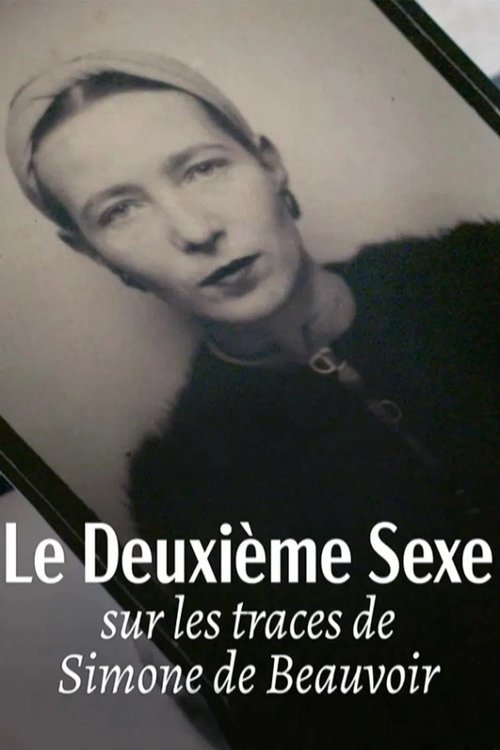
Published in 1949, The Second Sex became the bible of global feminism. An essential work that passionately advocates for gender equality, women's independence, and the liberation of morals. Today, how does this seminal work continue to resonate in our contemporary world? Conceived as an initiatory journey to the origins of Simone de Beauvoir's thinking, the film The Second Sex: In the Footsteps of Simone de Beauvoir takes us to the United States, to the places that inspired the philosopher and nourished her theories. An American road trip bringing together the worst and the best, predatory capitalism and mad love. A unique reinterpretation in the company of the great thinkers of our century.
Amanda is a divorced woman who makes a living as a photographer. During the Fall of the year Amanda begins to see the world in new and different ways when she begins to question her role in life, her relationships with her career and men and what it all means. As the layers to her everyday experiences fall away insertions in the story with scientists, and philosophers and religious leaders impart information directly to an off-screen interviewer about academic issues, and Amanda begins to understand the basis to the quantum world beneath. During her epiphany as she considers the Great Questions raised by the host of inserted thinkers, she slowly comprehends the various inspirations and begins to see the world in a new way.
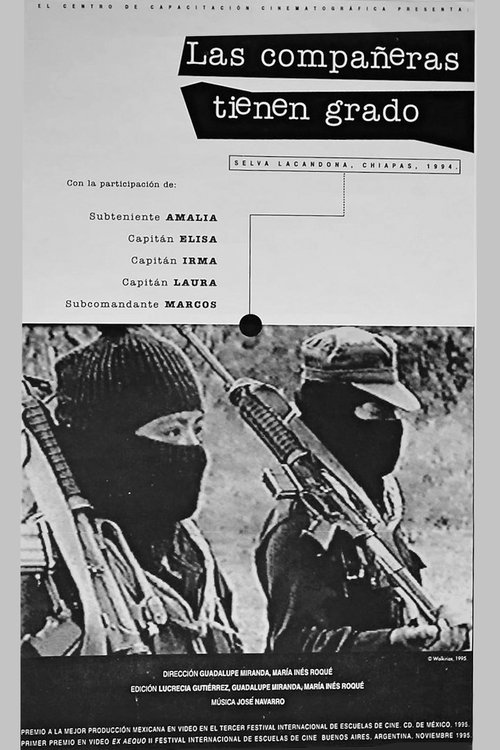
April 1994 in the Lacandona Jungle, Chiapas, México. The Zapatista women talk about the living conditions of Mexican indigenous populations and the life of peasant women. They explain the reasons for their struggle and their uprising.
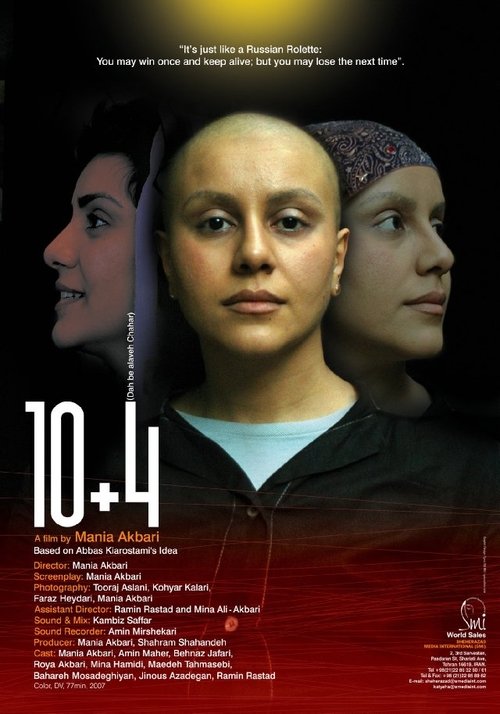
After casting painter and video artist Mania Akbari as the central figure of his groundbreaking Ten (2002), and then witnessing her outstanding debut as a feature film director in 20 Fingers (2004), Abbas Kiarostami urged her to direct a sequel to the film. In Dah be alaveh Chahar (10 + 4), though, circumstances are different: Mania is fighting cancer. She has undergone surgery; she has lost her hair following chemotherapy and no longer wears the compulsory headscarf; and sometimes she is too weak to drive. So the camera follows her to record conversations with friends and family in different spaces, from the gondola she had famously used in her first feature to a hospital bed.
Self (archive footage)
Self