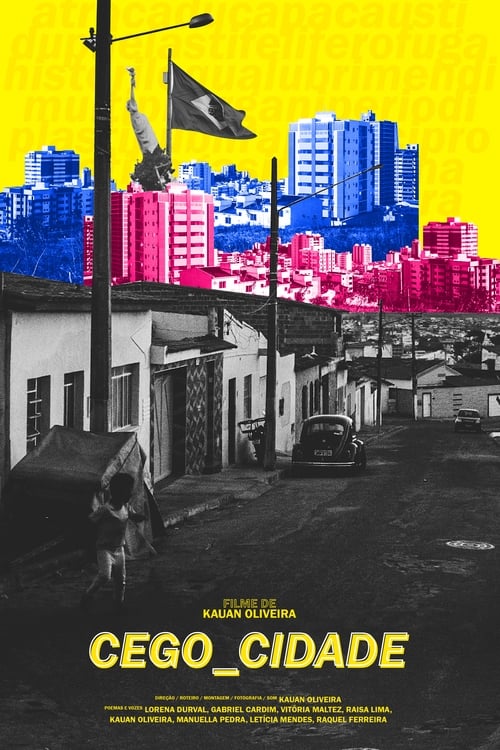
Images complement what is always lacking in words. The poems complement what is always present in the city. Freely inspired by the poetry Cidade City Cité, by Augusto de Campos.
After more than 75 years, Vicente Montejano tells us first-hand about his experience of more than 14 years in the Russian Gulag after the end of the Spanish Civil War.
After the Civil War, between 20,000 and 30,000 Spaniards went into exile in Mexico. This was the country that welcomed the most exiles, after France.
After six weeks of gruelling competition, England battle reigning champions Australia. The two teams are inseparable after eighty minutes. Deep into extra time, there are just two minutes left on the clock. England rumble to within 40 yards of the posts. The ball is sent spiralling back to Jonny Wilkinson, the golden boy of English rugby, in a split second he drop kicks for goal and a chance for sporting immortality. It is an astonishing story of pressure, expectation and courage, tracing the roots of success back to the professionalization of the game in the 90s and culminating in that glorious World Cup campaign of 2003 that turned Woodward’s poisoned chalice into a golden cup.
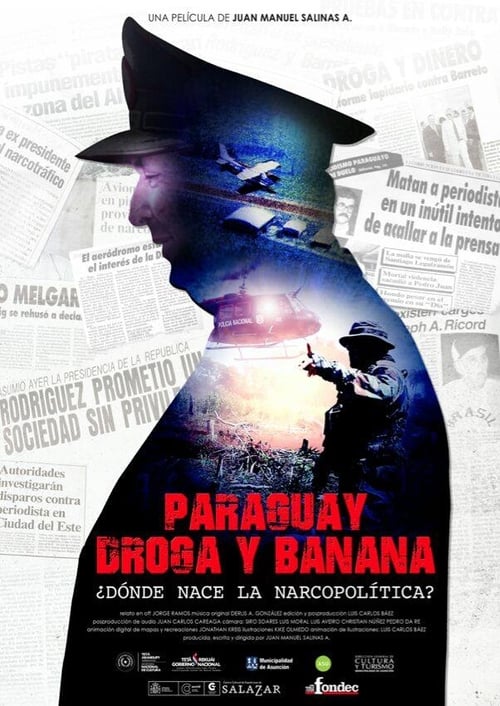
Documentary that explores the relationship between politics and drug trafficking in Paraguay
No overview available.
This movie is about the visit of Clive Harris, the famous healer, to Warsaw. Incredible crowds gather before the entrance and Harris "heals" thousands of people by briefly touching them. Tireless on his stand, he fulfills his duty for 24 hours a day.
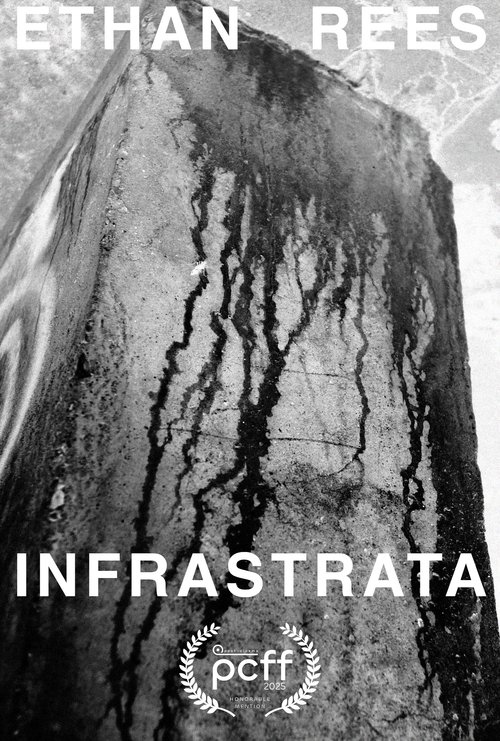
Amongst the contemplative static shots of decaying architecture weaves an abstract narrative unveiling the life-cycle of a higher perception, too large to perceive. Shot at various sites across south-east England, INFRASTRATA is a study on the concept of super-organisms, and the relationship between structure and nature.
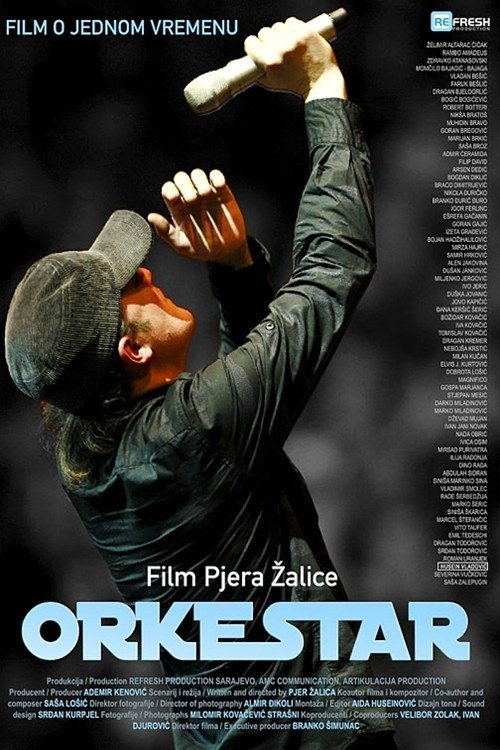
Story about Plavi orkestar (Blue Orchestra), a pop band from Sarajevo who were one of the biggest pop sensations in the 1980s Yugoslavia.
An in-depth look at the work and views of the man described as 'one of the greatest minds in human history'. He first emerged through his pioneering work in linguistics in the 1950s but later became a political activist and a critic of US foreign policy in Vietnam, its neo-liberal capitalism, and mainstream media. Consisting primarily of interviews with Chomsky and other writers, academics, philosophers, social commentators and broadcasters, this film explores the breadth, originality and importance of his work; and the alternative narratives he has advanced at some of the most critical periods in recent history.
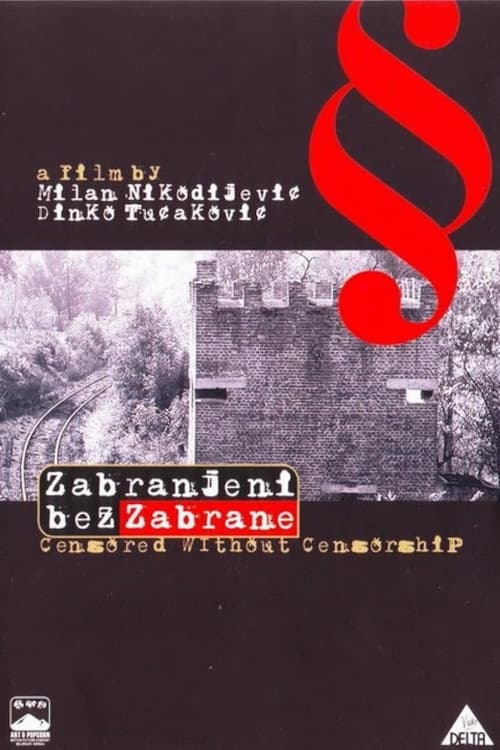
Through the conversation with Yugoslav film authors and excerpts from their films, this documentary film tells a story of a film phenomenon and censorship, and its focus is, in fact, a painful epoch of Yugoslav film called “a Black Wave”, which was the most important and artistically strongest period of Yugoslav film industry, created in the sixties and buried in the early seventies by means of ideological and political decisions. The film tells a great “thriller” story of the ideological madness which characterised the totalitarian psychology having left multiple consequences felt up to our very days. It stresses similarities between totalitarian regimes defending their taboos on the example of the persecution of the most important Yugoslav film authors. Those film authors have, however, made world careers and inspired many later authors. The film is the beginning of a debt pay-off to the most significant Yugoslav film authors.
Filmmaker Dan Murdoch meets America's most infamous supremacist group - the Ku Klux Klan - who say they are in the midst of a revival, with a surge in membership and cross lightings across the Deep South.
A film about fragility; about a man obsessed with photographing the accident who discovered that the fate of others was his way of connecting to life. When does the image of the accident become the object of desire? Following the footsteps of Metinides and the work of contemporary tabloid photographers, we discover Mexico City through a narrative of crime scenes and accidents; rubbernecking though Metinides’ Gaze.
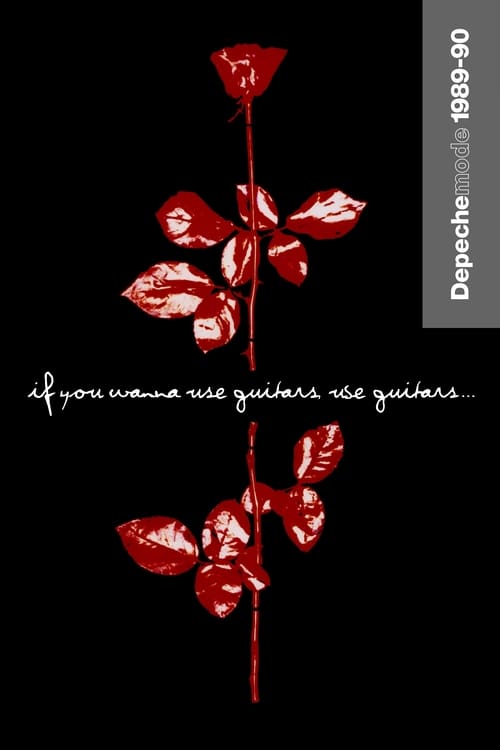
"If You Wanna Use Guitars, Use Guitars…" - A 32-minute short film, entitled Depeche Mode 1989–90 (If You Wanna Use Guitars, Use Guitars), featured interviews with the band, Daniel Miller, Flood, François Kevorkian (who mixed the album), Anton Corbijn (who directed the music videos and did the album's photography/cover), and others. It also includes news footage from the infamous "riot" in Los Angeles, which gave the band media publicity the day before Violator came out.
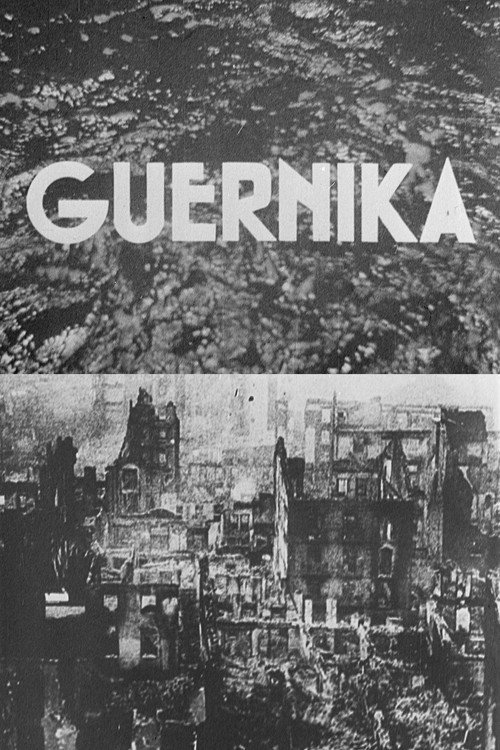
Documentary about the orphan children of Guernica after the infamous carpet bombing by the Luftwaffe of 1937.
Within the last half century, our agriculture and food has changed more than it has changed before in several thousand years. New technologies and scientific ingenuity have given rise to genetically modified organisms (GMO) and other novel foods. Some people have raised concerns about the safety of GMOs in our food supply, given their incredible dominance in the majority of our diet. Traditional, organic farmers, have consistently been under attack by large corporate farming interests, who seek to dominate the food industry and run family farms out of business. This film looks at our current food system as well as a variety of smaller, organic options available to consumers who want to support sustainable farming methods.
Adventurer-geologist Dr. Martin Pepper sets out to prove his theory – that the true Atlantis existed on the Greek island of Santorini, and was destroyed in the biggest volcanic eruption in human history. In order to achieve his goal, Pepper will use new scientific evidence gathered using state-of-the-art sonar scans of the sea bed and microscopic analysis of the ancient landscape. He must also match Santorini to a series of key clues embedded in the first ever description of Atlantis by the Greek philosopher Plato – from the lost city’s strange ring-shaped design, to the role Egyptian priests played in recording the legend in the first place. By the end of the program, he reveals the stunning findings which may pinpoint the city and show exactly what it looked like.
An EPIX Original documentary directed by William Shatner, based on his hugely popular book, in which he examines the cultural phenomena of STAR TREK, its fan-following and his own role within it.
Self - Narrator (voice)
Self
No Trailers found.