No Cast found.
No Trailers found.
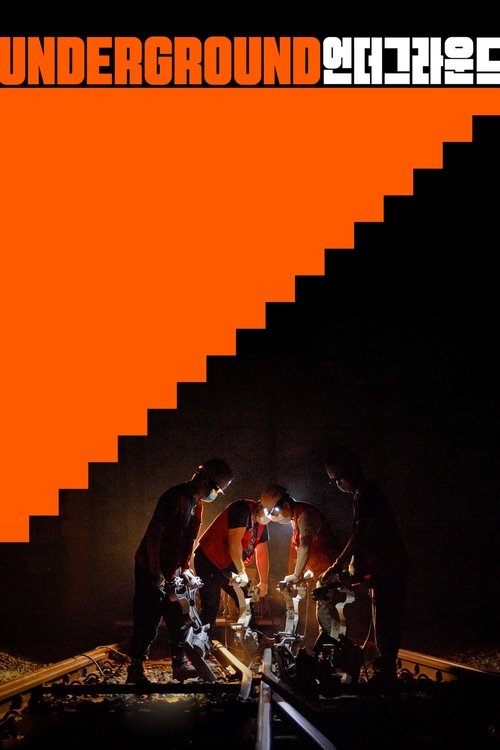
Numerous people are on subway trains running up and down the city center endlessly. There are people who run this decent space “underground”. Under the noisy world today, we approach them to see what life is like underground.
Railroad of Hope consists of interviews and footage collected over three days by Ning Ying of migrant agricultural workers traveling from Sichuan in China's interior, to the Xinjiang Autonomous Region, China's northwest frontier.[1] Through informal interviews aboard the cramped rail cars, Ning Ying explores the hopes and dreams of the workers, many of whom have never left their homes before.
A documentary telling the story of the 1983 Solidarity strike in “British Columbia,” a key point in the introduction of neoliberal economic policy in the province.
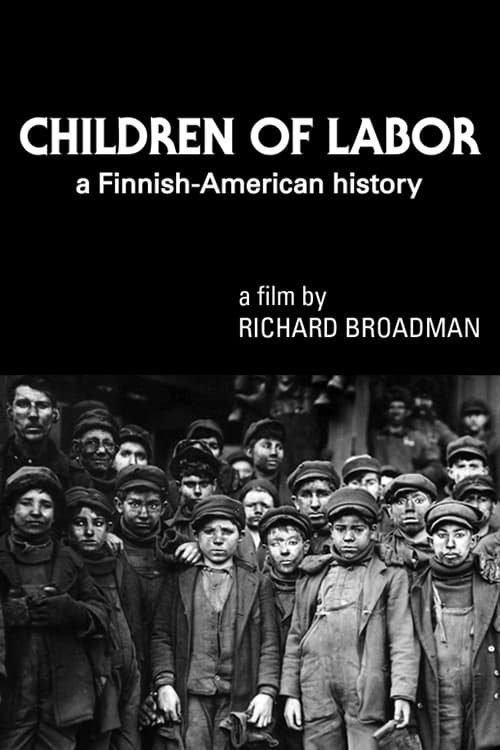
How Finnish immigrants came into contact — and conflict — with industrial America. Three generations of Finnish-Americans recount how they coped with harsh realities by creating their own institutions: churches, temperance halls, socialist halls, and cooperatives.
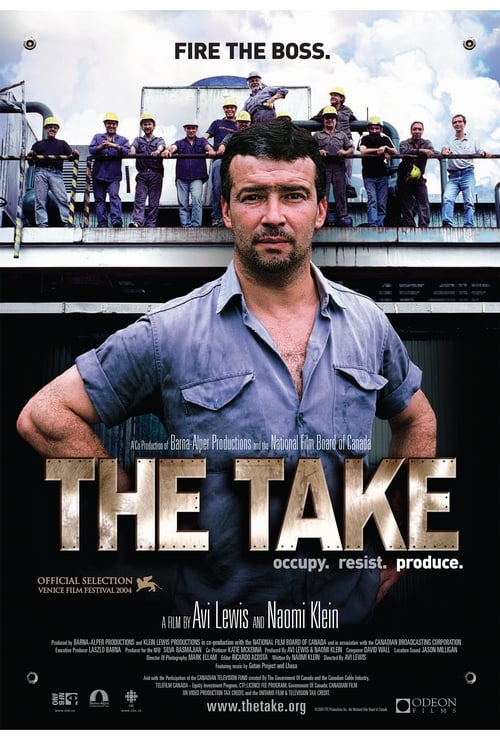
In suburban Buenos Aires, thirty unemployed ceramics workers walk into their idle factory, roll out sleeping mats and refuse to leave. All they want is to re-start the silent machines. But this simple act - the take - has the power to turn the globalization debate on its head. Armed only with slingshots and an abiding faith in shop-floor democracy, the workers face off against the bosses, bankers and a whole system that sees their beloved factories as nothing more than scrap metal for sale.
No overview available.
In a village in Belgium, the earth opens up, letting out the voice of a man, a stone worker. His fingers sculpt and carve, but the flashes of stone stop at the walls of a small workshop attached to his house. Each blow of his chisel rips a piece of history, of conscience, of struggle into oblivion. Meanwhile, not so far from his workshop, the quarry, without age, without memory, advances, devours the surrounding houses, the streets, the town, the roots...
Filmed in the Inner Mongolian portion of the Gobi Desert, this film follows a group of oil field workers as they go about their daily routine.
Warsaw's Central Railway Station. 'Someone has fallen asleep, someone's waiting for somebody else. Maybe they'll come, maybe they won't. The film is about people looking for something.
During the summer of 2023, my father decided to hang up the boots and walk away from the family business of 25 years. This is my love letter to the cafe in which my family and I have worked, encapsulating the good vibes and cheery nature the business held for a quarter of a century.
What happens when subcontracted precarious workers turn into podcast DJ. Subcontracted precarious workers at the SK Broadband, Inc. began a podcast titled ‘Workers Have Changed!’ to broadcast the story about their strike for job security. The podcast studio becomes a theater of their life as they share their stories - daily hardshipsof subcontracted labor, coping with rude customers, and their futures and dreams.
Raymond Roy is a 64-year-old idealist, an energetic social activist ready to give everything he has to those living on the edge: the alienated, impoverished and exploited members of society. Raymond is also a priest, doing what he has wanted to do ever since he was a teenager. Filmmaker Serge Giguère paints an intimate portrait of a man who has spent 30 years fighting for an alternative vision of life in his community. The film is a blend of cinema vérité and social history that provides a view of the man and his work from without and within, from the poetry of his personal diary laced with doubts and self-criticism, to the many achievements of the community groups he helped. Filming over several years, Giguère gives us a sense of the changes in values and attitudes of those who run our society, along with the role of the community groups who provide solutions, inspiration and a sense of renewal.
Magical, autonomous, all-powerful… Artificial intelligences feed our dreams as well as our nightmares. But while tech giants promise the advent of a new humanity, the reality of their production remains totally hidden. While data centers are concreting landscapes and drying up rivers, millions of workers around the world are preparing the billions of data that will feed the voracious algorithms of Big Tech, at the cost of their mental and emotional health. They are hidden in the belly of AI. Could they be the collateral damage of the ideology of “Longtermism” that has been brewing in Silicon Valley for several years?
A bare-knuckled critique of corporate America told through the powerful true story of a toxic CEO who evolves from a profits-over-people, philandering executive to an unorthodox leader, populist messenger, and mentor to American influencers. It’s a story of growth, redemption and the impact of self-awareness on leadership and life.
Get to know a little bit about Paulo Moreira, sign painter from the metropolitan region of Belo Horizonte - MG, his hand painting techniques and the challenges that his profession presents in the daily lives of big cities.
Departing from peripheral details of some paintings of the Bilbao Fine Arts Museum, a female narrator unravels several stories related to the economic, social and psychological conditions of past and current artists.
In China’s popular live-streaming showrooms, three millennials – a karaoke singer, a migrant worker and a rags-to-riches comedian – seek fame, fortune and human connection, ultimately finding the same promises and perils online as in their real lives.
A film about non-territorial office space, multi-mobile knowledge workers, Blackberries and Miles&More. A road movie discovering the working world of tomorrow. This documentary will take you on a journey through the post-industrial knowledge and services workshops, our supposed future working place. In this new world work will be handled more liberally. Time clocks cease to exist. Attention is not compulsory any more. The resource “human“ comes into focus. The film closely follows the high-tech work force – people who are highly mobile and passionate to make their work their purpose in life. Further episodes resume this topic and lead into the world of modern office architecture and into the world of Human Resource Management.