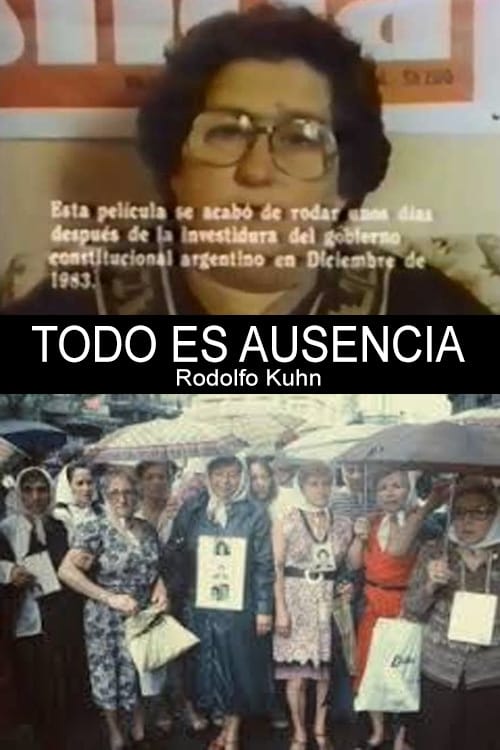
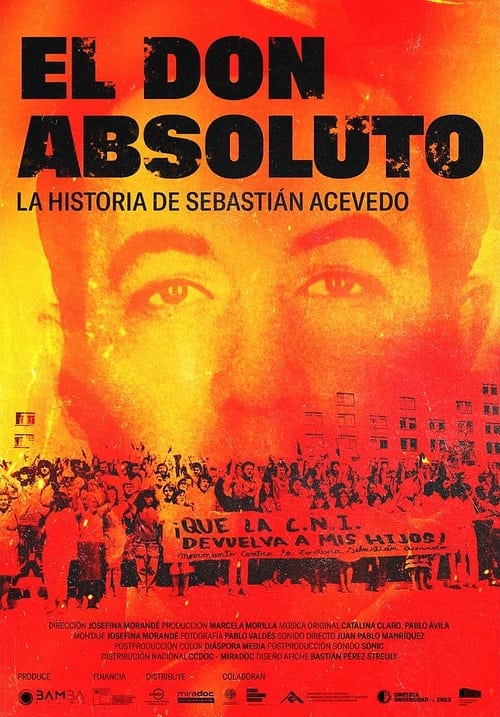
Five Argentinian women, with missing relatives from the military dictatorship that ruled the country, explain their emotions and feelings about all that happened.
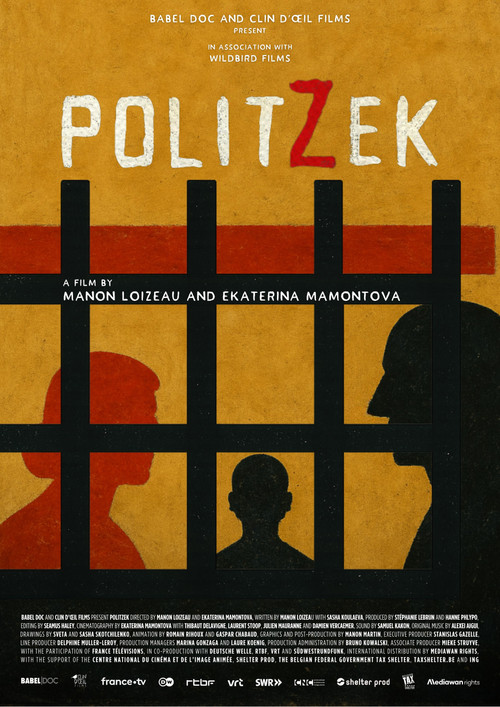
In Russia, criticizing the war in Ukraine or Vladimir Putin’s regime has become a crime. Thousands of ordinary citizens are being arrested, tried, and imprisoned. They are called “Politzek”: political prisoners. Filmed clandestinely over the course of more than a year, Politzek gives a platform to those who, despite the fear, continue to speak out against Putin’s repressive Russia. Through the intersecting stories of a teenager sentenced to five years in prison for criticizing the government on social media, a young artist jailed for placing anti-war stickers, a human rights activist, and two theater directors facing Kafkaesque trials, the film unveils the machinery of state repression in Russia. With rare footage, broken yet unyielding voices, this is a story of silenced resistance.
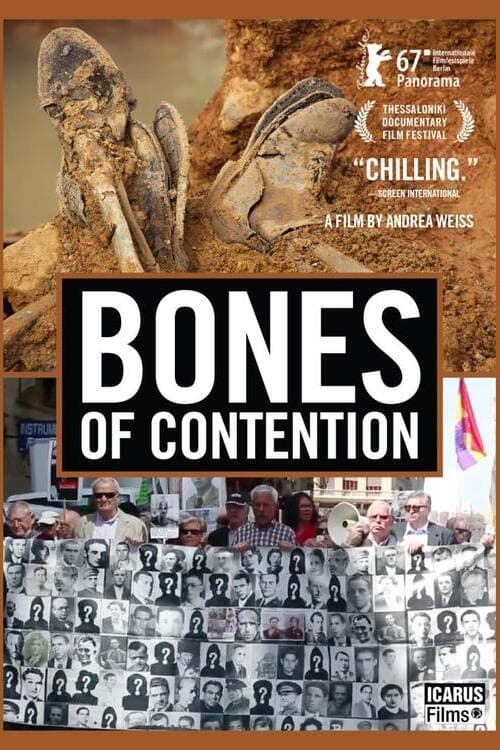
A history of the political and social repression carried out by the ruthless regime of Spanish dictator Francisco Franco between 1936 and 1975 that focuses on the lives of gays and lesbians during those dark years and the death of the Spanish gay poet Federico García Lorca.
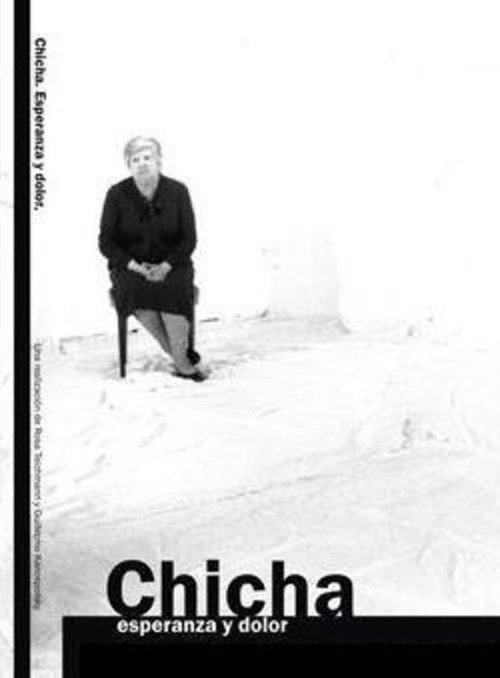
"Chicha, Hope and Pain" addresses the emblematic figure of Chicha Mariani, founder of the "Grandmothers of the Plaza de Mayo." It is structured in two phases: that of hope, that of the young journalist Juan Martín Ramos Padilla, who wrote Chicha's biography; and that of pain, that of a woman who fought for 42 years of her life, not only to recover her stolen granddaughter, but also to restore justice and dignity.
No overview available.
In Germán Araujo, director Aldo Novick revives the memory of a journalist who defied censorship during one of Uruguay's darkest periods. Through previously unseen archival footage, testimonies, and music, the film honors the courage of those who reported the truth when it was risky. This powerful documentary is shaping up to be one of the most important Uruguayan film releases of the year.
A documentary made with homemade videos of the spanish exiled due to the dictatorship in Spain from 1939 to 1977.
Documentary about the life story of one of Argentina's sports idols. One of the forty-three soccer players who won a World Cup, a fight. Filmed in Mendoza, Santa Fé, Rosario and Buenos Aires.
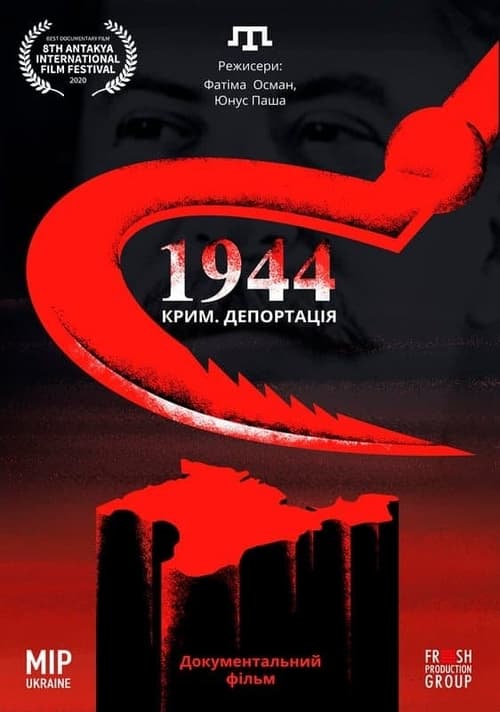
In 1944 Crimean Tatars has suffered a long road in exile. It was accompanied by famine, illness and loss. In the first years of exile, almost half of deported Crimean Tatars died. But those, who survived, dreamed of only one thing - to return to Crimea. The documentary 1944 tells about the tragedy of all Crimean Tatars through several separate life stories. They are cherished by each Crimean Tatar family and must be remembered by all generations to come.
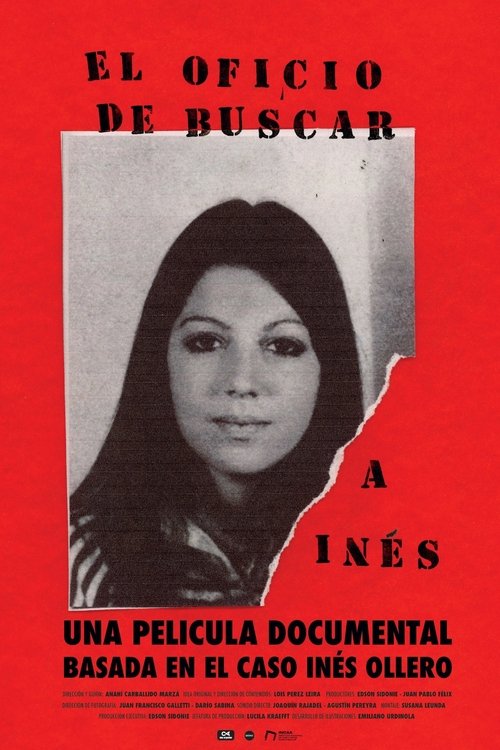
On the night of July 19, 1977, Inés was traveling by bus when a military patrol detained all the passengers. That morning, almost everyone was released except Inés. Her father began a never-ending search that led him to the very center of Argentina's repressive apparatus. The judicial path and the love of a family that never stops.
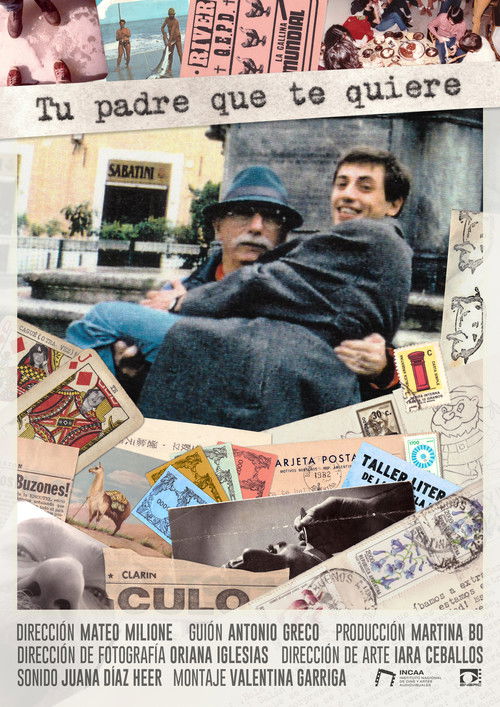
In the late ‘70s, in the midst of the military dictatorship, a surrealist literary work- shop is the oasis of Martín, a tormented young man who seeks to improve his poetry. Caron, a brilliant and eccentric writer, adopts him as a son. Their bond is recorded in short home movies and an unusual correspondence.
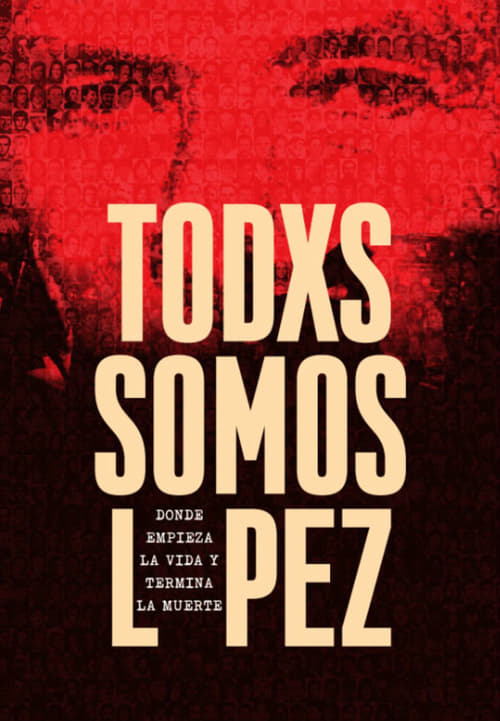
A chronicle on the days without Jorge Julio López, key witness and complainant on the first trial on genocide in Argentina, dated in 2006. López, who had survived through concentration camps on the late seventies argentinian dictatorship, disappeared for the second time the day the court decision meant to condemn his kidnappers was about to be read.
The marks of the violence of the Chilean state, against its own compatriots. Flicker Film. 35mm B & W Still Photography. Silent.
After the World War I, Mussolini's perspective on life is severely altered; once a willful socialist reformer, now obsessed with the idea of power, he founds the National Fascist Party in 1921 and assumes political power in 1922, becoming the Duce, dictator of Italy. His success encourages Hitler to take power in Germany in 1933, opening the dark road to World War II. (Originally released as a two-part miniseries. Includes colorized archival footage.)
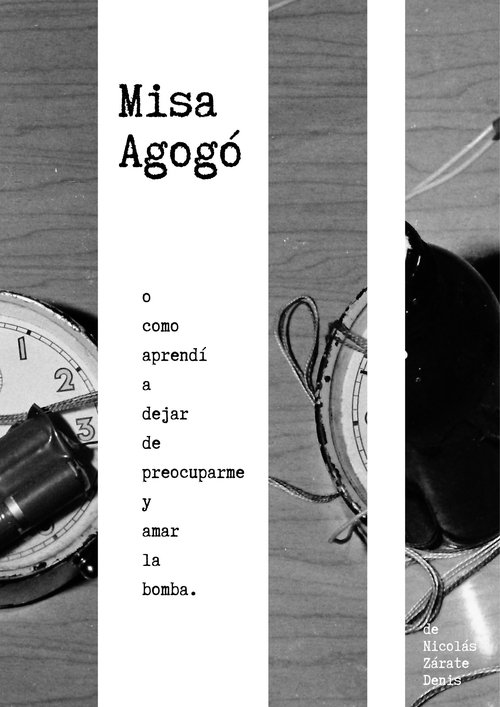
In 2019, Nicolás was archiving photographs for J.M. Blanch when he discovered a secluded, uncataloged image depicting an artifact that resembled a ticking time bomb. Intrigued by the photo, Nicolás recorded an interview with Blanch to learn the story behind the mysterious object.
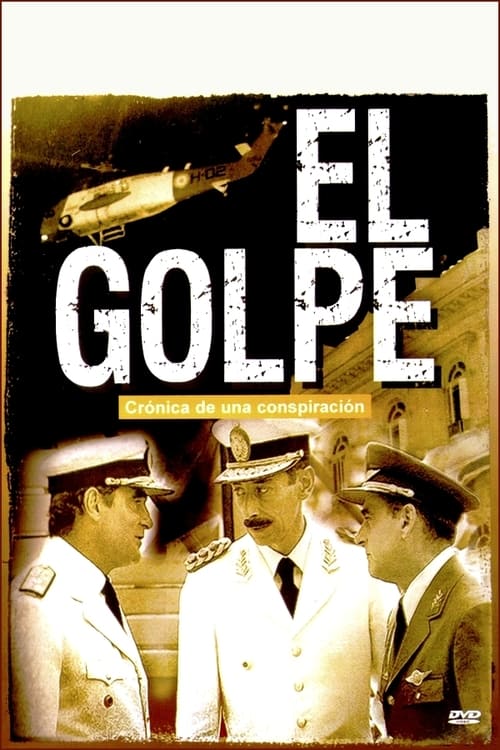
Argentina, 1973. The return of democracy marks the beginning of a new countdown to the next coup d'état: on March 24, 1976, the worst dictatorship in Argentine history is installed, the bitter fruit of a plot carefully hatched for months.
A documentary about the sea and memory. Its movement is its form. Its strength.
When the revolution in Nicaragua won its victory nearly 40 years ago, the world began to dream. A young generation was taking the reins in a country of grand utopias. From West Germany alone, 15,000 “brigadists” travelled to help rebuild the war-torn country: liberals, greens, unionists, social democrats, leftists and church representatives harvested coffee and cotton, built schools, kindergartens and hospital wards. No movement has mobilised so many people. What became of the hopes and dreams of the revolutionaries and their supporters?
The events related to the death of Giulio Regeni, kidnapped, tortured and killed in Egypt, with the reconstruction of his family and lawyer Alessandra Ballerini, showing the stages of the kidnapping, the torture and killing.
Never before in Russian history has the Russian domestic intelligence services been more powerful than today. The FSB is a murky organisation that can ruin people’s lives who are deemed enemies of the Russian state and even commit murder on behalf of the Kremlin. Four people in exile open up about their experiences with the FSB.
No Trailers found.