Follows the lives of three sisters affected by one having ALS, finding a cure, and the foundation formed to combat the disease, Project ALS.
No Trailers found.
Herself
How many imaginary deathly diseases can you have before you die from fear and anxiety? This short documentary answers this question by trying to show the surreal world its protagonists are living in.
It was called the Black Death, a disease that started in the 14th century, and swept across Europe wiping out half the population, one of the most lethal killers in human history. But the cause of the Black Death has eluded scientists. Now, Evolutionary biologist Hendrik Poinar embarks on an epic journey to solve the 600-year old mystery and change the way we fight infectious diseases today.
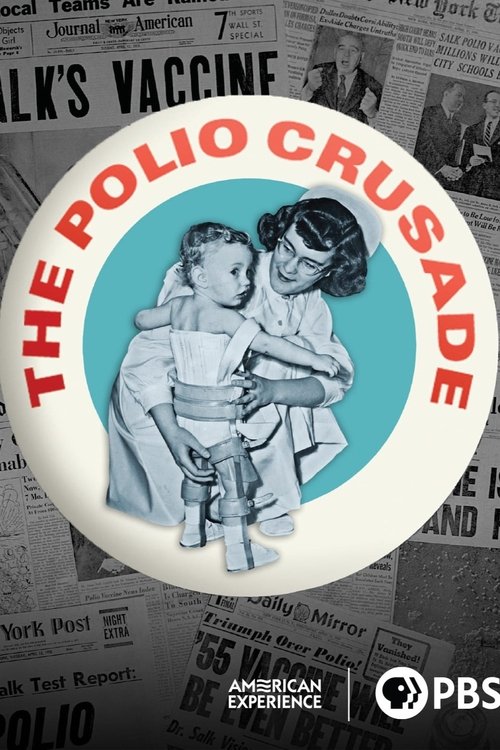
The film interweaves the personal accounts of polio survivors with the story of an ardent crusader who tirelessly fought on their behalf while scientists raced to eradicate this dreaded disease. Based in part on the Pulitzer Prize-winning book Polio: An American Story by David Oshinsky, Features interviews with historians, scientists, polio survivors, and the only surviving scientist from the core research team that developed the Salk vaccine, Julius Youngner.
When Gordon Gund went blind in 1970 at age 30 due to retinitis pigmentosa, he resolved to find a cure for the disease and created the Foundation Fighting Blindness. After decades of scientific research, a major breakthrough emerged, and this short film showcases the inspirational story of a 17-year-old Belgian boy who is a beneficiary of this work.
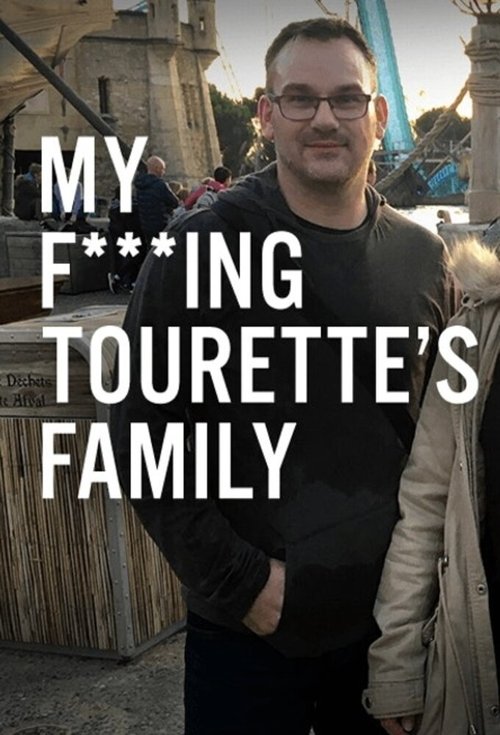
One-off documentary following the Davies-Monk family from Oxfordshire as they try to break out of the seclusion that has been enforced on them by other people's negative reactions to their two children who both have Tourette's Syndrome.
A respected documentary maker hears from a friend that his long term depression has been helped after watching a video entitled "Food matters" and following a nutritional protocol involving high doses of vitamins, as outlined by a featured speaker in Foodmatters, by the name of Andrew W Saul. Beatie visits Saul and is given an outline of Orthomolecular Medicine, the protocol envisaged by Nobel prize winners and eminent scientists.
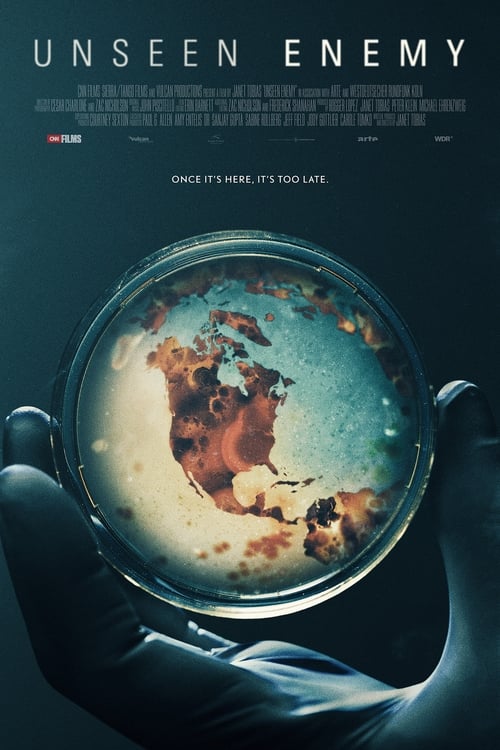
A documentary focused on infectious disease outbreaks.
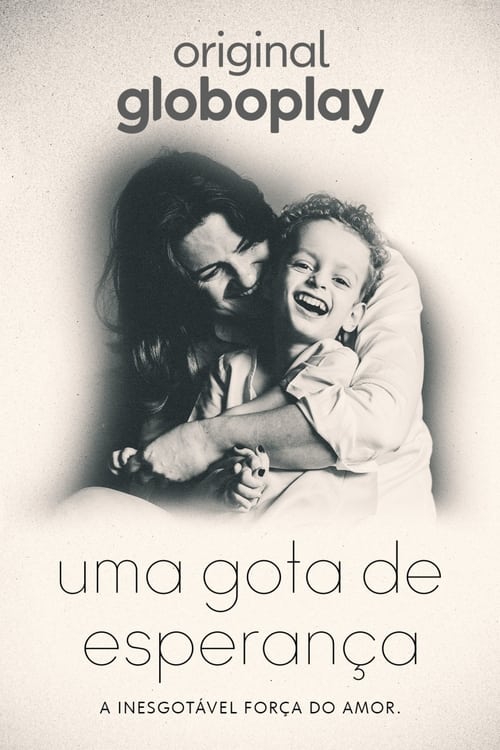
A mother discovers that her son has a disability that causes her breast milk to intoxicate him. But the discovery comes too late to prevent the loss of neurons.
This shows physicist Stephen Hawking's life as he deals with the ALS that renders him immobile and unable to speak without the use of a computer. Hawking's friends, family, classmates, and peers are interviewed not only about his theories but the man himself.
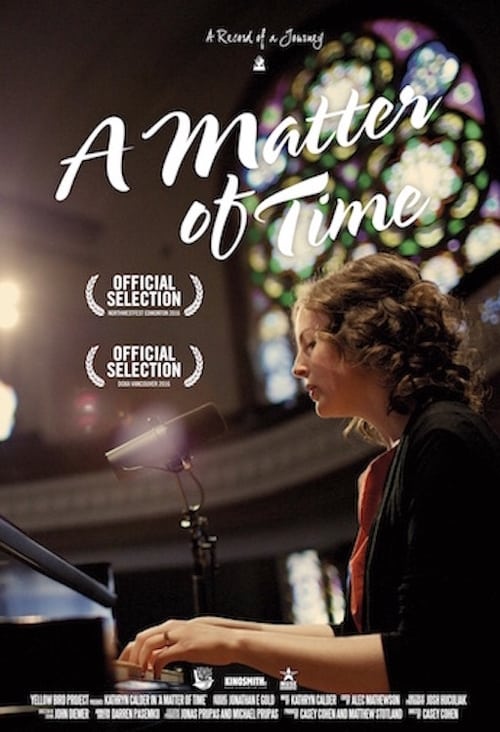
Kathryn Calder, one of the vocalists behind the Influential and successful indie band The New Pornographers, puts her life on hold when her mother is diagnosed with ALS. After moving back to her childhood home to care for her mother, she is inspired to record her first solo album, 'Are You My Mother?' there as a gift to her as she fights the disease. Old bandmates, friends, and a new extended family only recently discovered all join Kathryn in her and her mother's journey.
A research team races to understand mycoplasma ovipneumoniae (m.ovi), an infectious disease tearing through bighorn sheep populations.
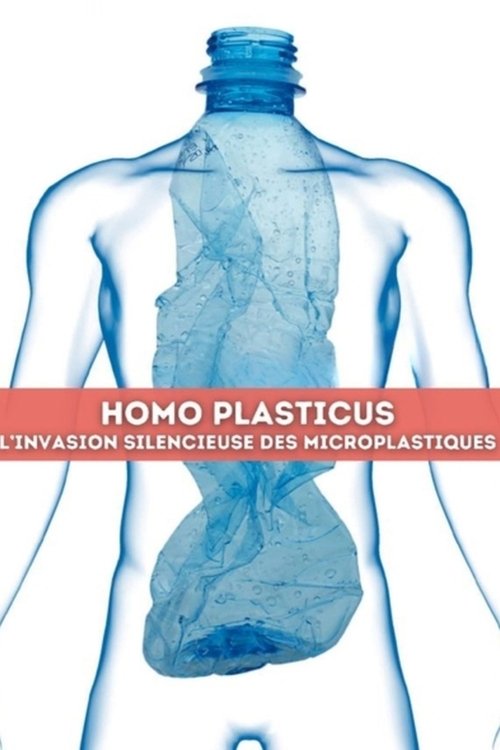
Every day, we eat and breathe tiny plastic residues. What effects does this insidious contamination have on our bodies? Rigorous and lucid, this scientific investigation gathers the most recent discoveries and sounds the alarm.
Explores the latest longevity research and whether dramatically extended human lifespan is achievable. Features top scientists, startup leaders, celebrities, and critics offering balanced perspectives on this fascinating field.
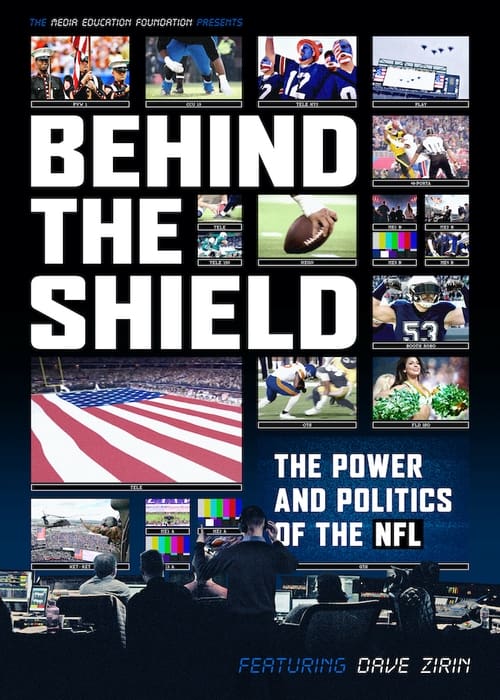
Celebrated author and Nation magazine sports editor Dave Zirin tackles the myth that the NFL was somehow free of politics before Colin Kaepernick and other Black NFL players took a knee.
No overview available.
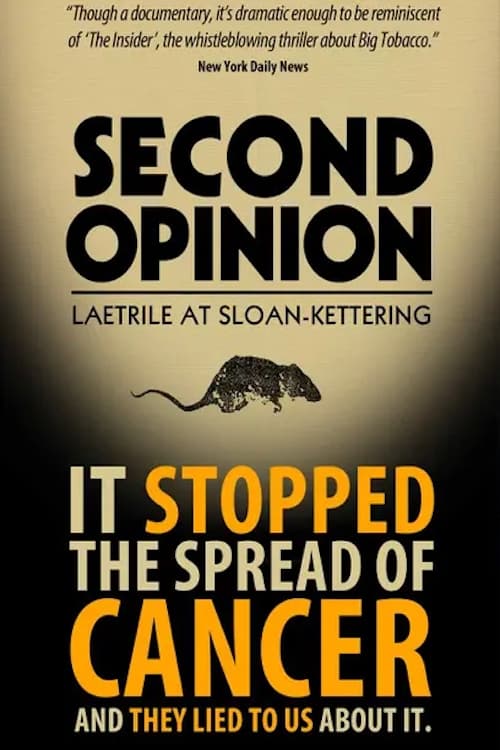
The story of a young science-writer at Memorial Sloan-Kettering Cancer Center, who risked everything by blowing the whistle on a massive cover-up involving a promising cancer therapy.
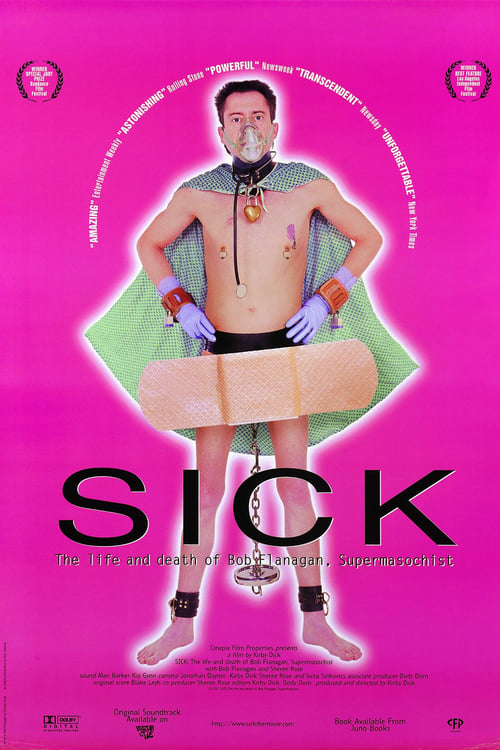
The story of Robert Flanagan, a man who was born with cystic fibrosis and told he wouldn't live past 20, who through a unique odyssey of masochism, art and love found a way to live decades past his expiration date.
Eating, 2nd Edition: Introducing The RAVE Diet presents graphic evidence of how animal foods are not meant for human consumption, and how the suffering and death of the animals "takes revenge" on the humans who eat them by causing most of our chronic diseases, and how the switch to a all whole-food plant based diet can begin to reverse many of these diseases in as little as three weeks.
With the world increase in spillover diseases from animals Scientists trace outbreaks such as the Zika and Ebola viruses which have the potential to infect humans.
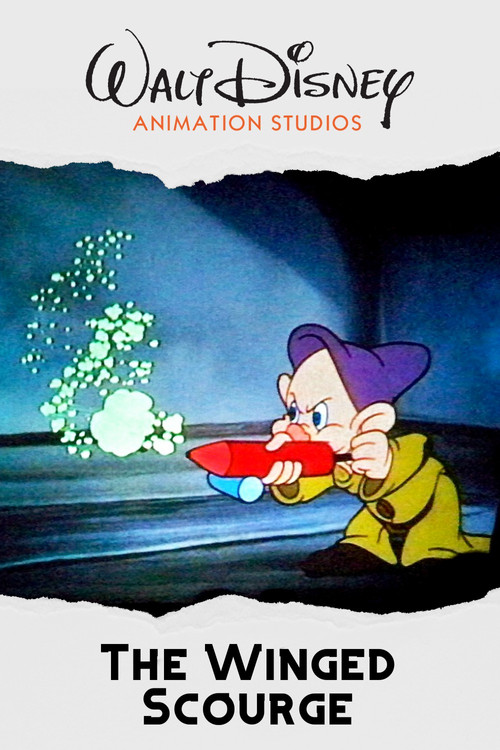
The Seven Dwarfs fight malaria.