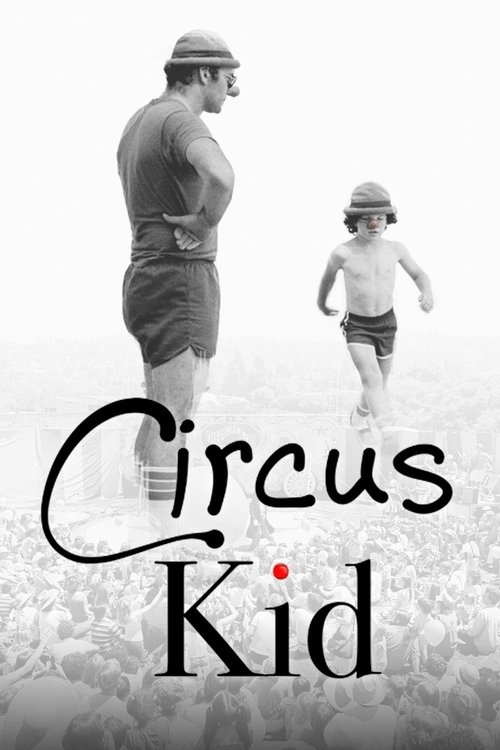
The Pickle Family Circus was founded by Lorenzo Pisoni's parents in 1974. The film documents the spirit, the lunacy, the daring, the danger and the dynamics of growing up in a circus family.
Trailer
Himself
Herself
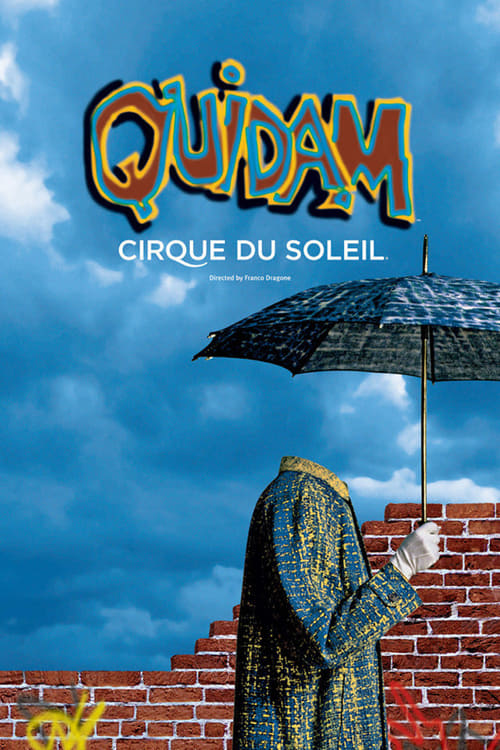
Come in under the Big Top for a behind-the-scenes look at the making of Cirque du Soleil's ninth creation, which critics have described as "the most dramatic, the most esthetic and perhaps the most melancholy show in the history of this marvelous circus" (La Presse, Montreal). Full Circle shows you the making of Quidam, from its very beginnings to its triumphant finish.
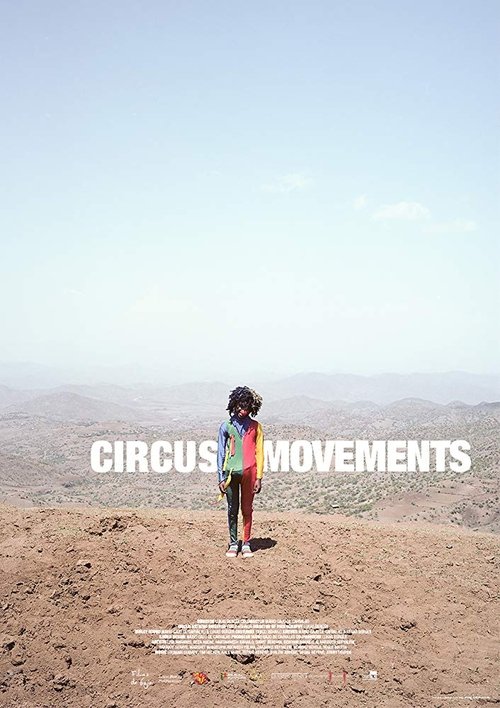
An examination of bodies, movement and the stillness of landscape brought to you by the entrancing Circus Debre Berhan.
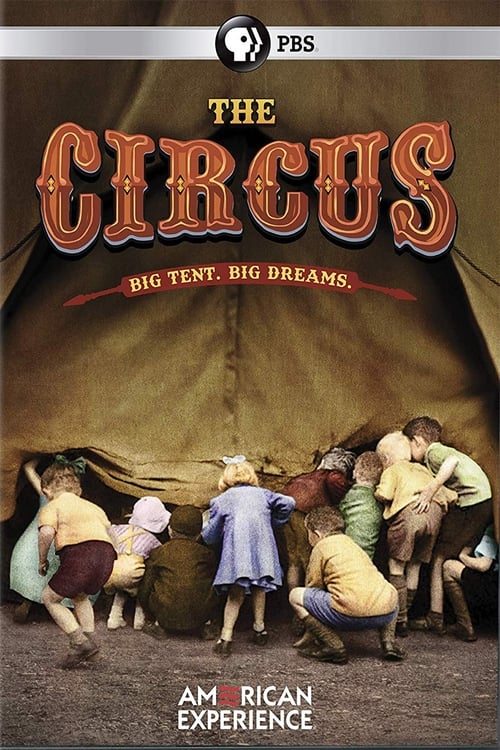
Drawing upon a vast and richly visual archive and featuring a host of performers, historians and aficionados, this four-hour mini-series follows the rise and fall of the gigantic, traveling tented railroad circus and brings to life an era when Circus Day would shut down a town and its stars were among the most famous people in the country.
A portrait of a traveling circus.
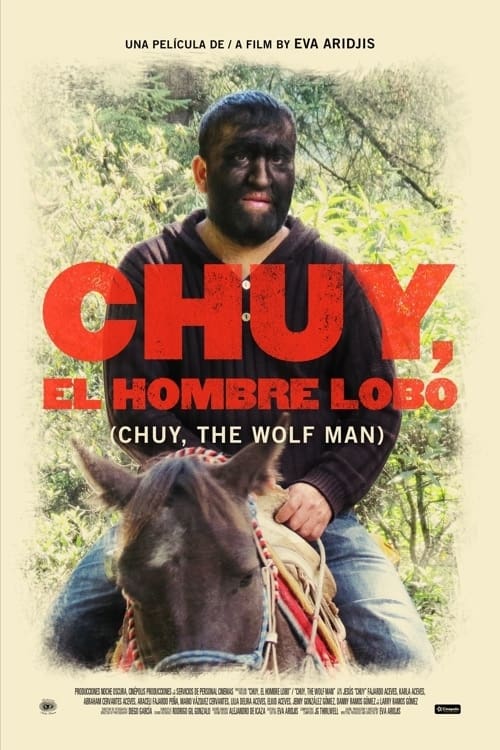
Jesus 'Chuy' Aceves and a dozen living members of his extended family suffer from the very rare condition of congenital hypertrichosis, meaning they were born with excessive hair on their faces and bodies. Due to their appearance, they suffer from discrimination in all areas of their lives: the children are made fun of at school and abandoned by their 'non-hairy' parents, and the adults cannot find work unless they choose to exhibit themselves as freaks in circuses. This moving and visually arresting documentary is a portrait of Chuy and his family members. It examines their day-to-day lives and their struggle to find love, acceptance and employment.
This documentary highlights the evolution of Brazil's Circo Voador venue from homespun artists' performance space to national cultural institution.
Errol Morris’s Fast, Cheap & Out of Control interweaves the stories of four men, each driven to create eccentric worlds from their unique obsessions, all of which involve animals. There’s a lion tamer who shares his theories on the mental processes of wild animals; a topiary gardener who has devoted a lifetime to shaping bears and giraffes out of hedges and trees; a man fascinated with hairless mole rats; and an MIT scientist who has designed complex, autonomous robots that can crawl like bugs.
Madrid, Spain, 1949. The Circo Americano arrives in the city. While the big top is pitched in a vacant lot, the troupe parades through the grand avenues: the band, a witty impersonator, the Balodys, acrobats, jugglers, acrobatic skaters, clowns and… Buffallo Bill.
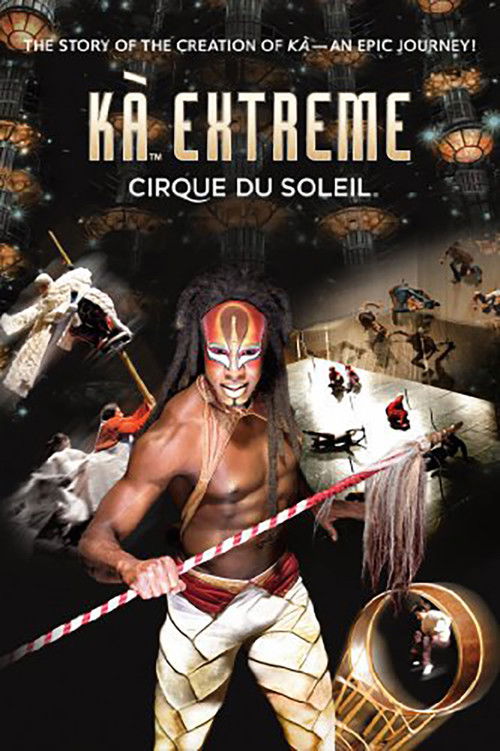
Cirque du Soleil presents KÀ, its new epic tale, an unprecedented theatrical production now playing at MGM Grand in Las Vegas. See what lies behind this theatrical adventure by plunging into KÀ Extreme! The documentary explores the journey of a remarkable production by following the show's evolution from early rehearsals through to its first public performance. KÀ Extreme exposes the unique creative process and demonstrates how a team of creators managed to turn inspiration into reality!
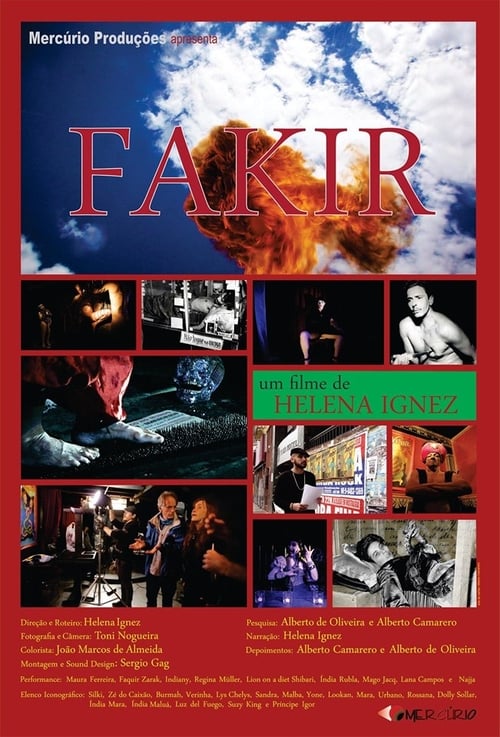
The feature-length documentary Fakir portrays the success of fakirism in Brazil, Latin America and France. This circus art origin show is presented and analyzed through archives that reveals the success of these presentations with their pain resistance championships and the great public presence, including politicians and government officials. Fakir spans current footage from contemporary artists who keep this art alive in performances and shows.
A young girl has already seen everything there is to see and her world has lost all meaning. Her anger shatters her world and she finds herself in the universe of QUIDAM, where she is joined by a playful companion, as well as another mysterious character who attempts to seduce her with the marvelous, the unsettling and the terrifying.
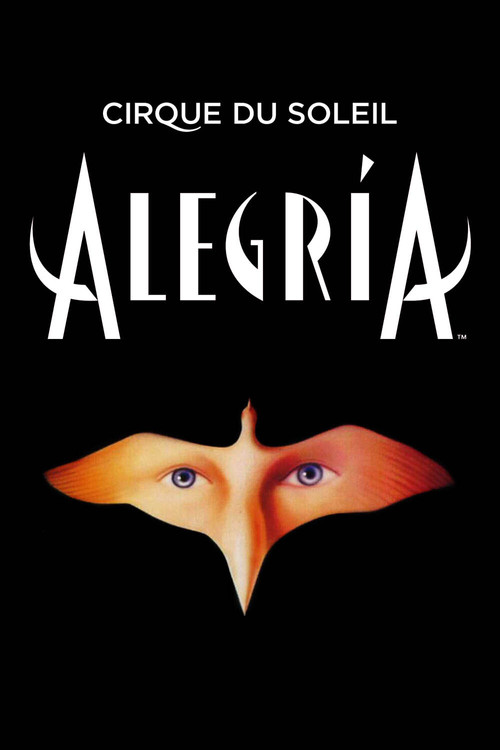
Alegría is a mood, a state of mind. The themes of the show, whose name means "jubilation" in Spanish, are many. Power and the handing down of power over time, the evolution from ancient monarchies to modern democracies, old age, youth - it is against this backdrop that the characters of Alegría play out their lives. Kings' fools, minstrels, beggars, old aristocrats and children make up its universe, along with the clowns, who alone are able to resist the passing of time and the social transformations that accompany it.
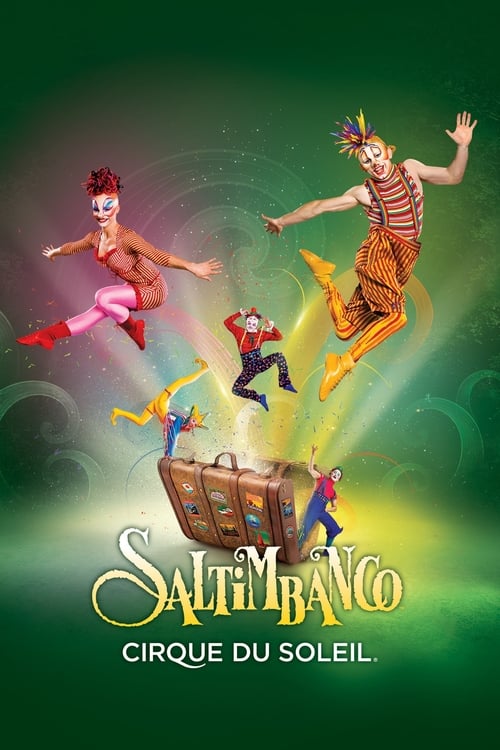
From the Italian 'saltare in banco' – which literally means 'to jump on a bench' – Saltimbanco explores the urban experience in all its myriad forms. Between whirlwind and lull, prowess and poetry, it takes spectators on an allegorical and acrobatic journey into the heart and soul of the modern city.
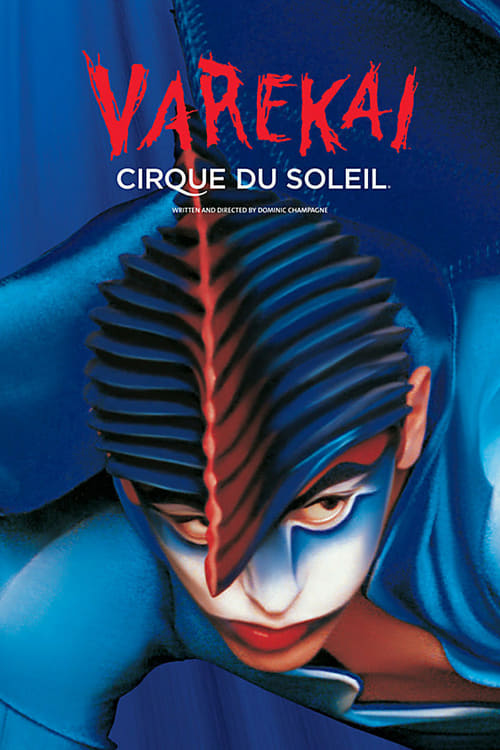
Icarus is the main character of Varekai, who falls to the ground, breaking his legs as he does. He is suddenly in a strange, new world full of creatures he has never seen before. Parachuted into the shadows of a magical forest, a kaleidoscopic world populated by fantastical creatures, this young man sets off on an adventure both absurd and extraordinary.
Instructors from the Ringling Bros. Circus Clown College demonstrate juggling instruction, clown acts, special make-up techniques, costume design, and more tips used by some of the world's most famous clowns.
Once a year, people from different marginalized communities meet together in the woods to delve into the art of circus and have this discipline become a common way to express themselves, away from the city.
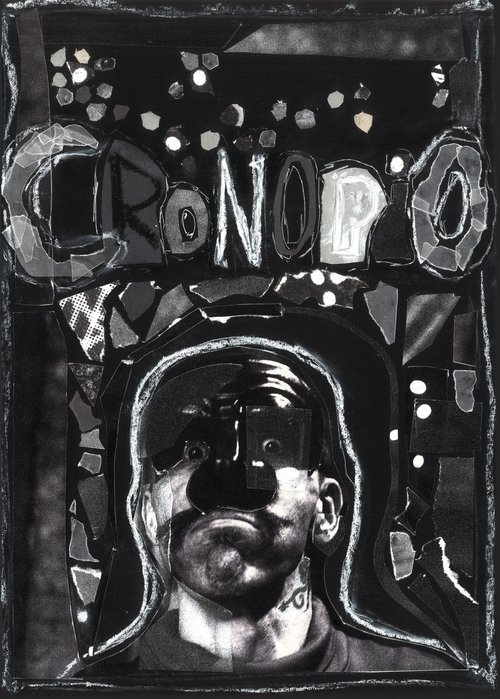
An intimate portrait of Mariano "Cronopio" Gedwillo, an Argentinian clown in Riga, as he transforms ordinary life into wonder through the magic of the circus — and teaches others to do the same, all while battling his own loneliness.
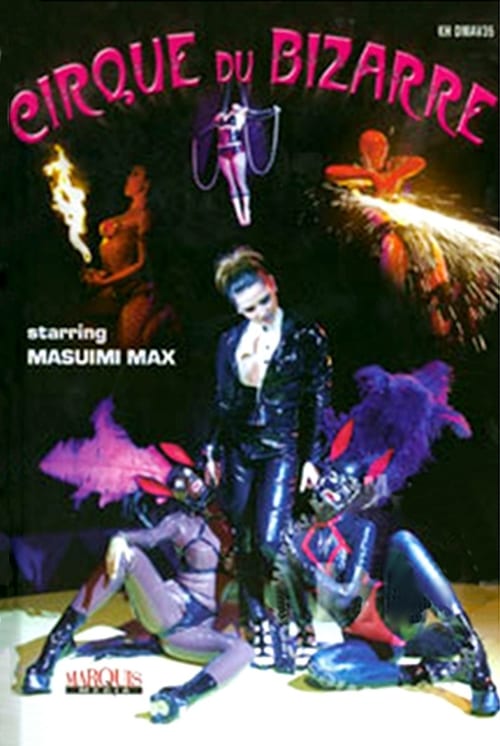
Welcome to the Cirque Du Bizarre, the fetish circus par excellence! On the program are artistic and erotic top acts: Sexy latex girls from the dollhouse fire devil Strecko, fetish magicians, chain goddess Brandy Wirtz, pony girl trainer Rubber Stacy, the fetish clowns of "Grandios Gnadenlos," Masuimi Max in a spectacular performance, latex sea lions by Mistress Sandra and much much more.
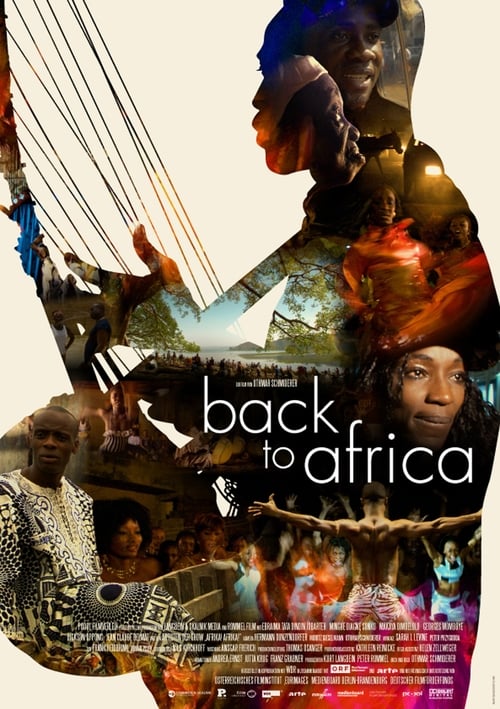
An Austrian director followed five successful African music and dance artists with his camera and followed their lives for a year. The artists, from villages in Ghana, Gambia and Congo, were the subjects of Africa! Africa! touring across Europe, but they have unbreakable roots to their homeland and their families. Schmiderer lovingly portrays his heroes, who tell their stories about themselves, their art and what it means to them to be African with captivating honesty. The interviews are interwoven with dance scenes and colourful vignettes set to authentic music.
Beyond the lights and magic of the ring, this documentary follows the lives of the main stars of comedy: clowns.